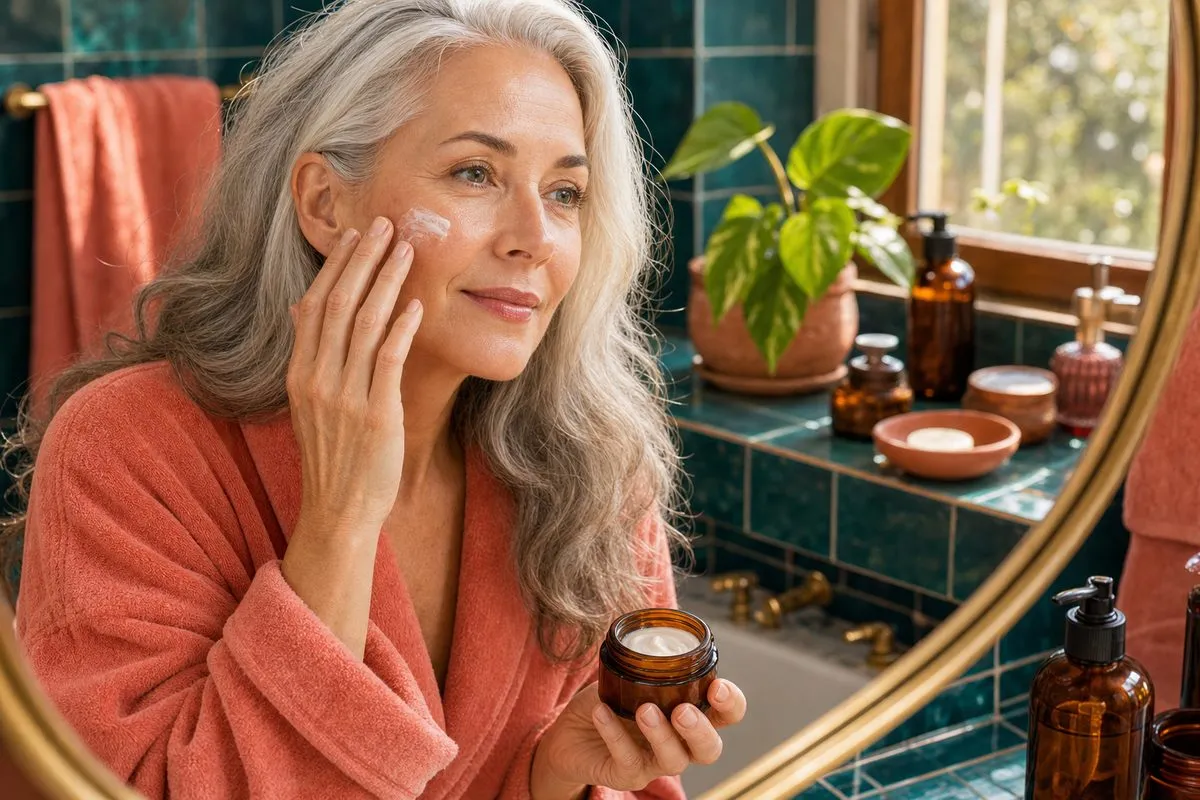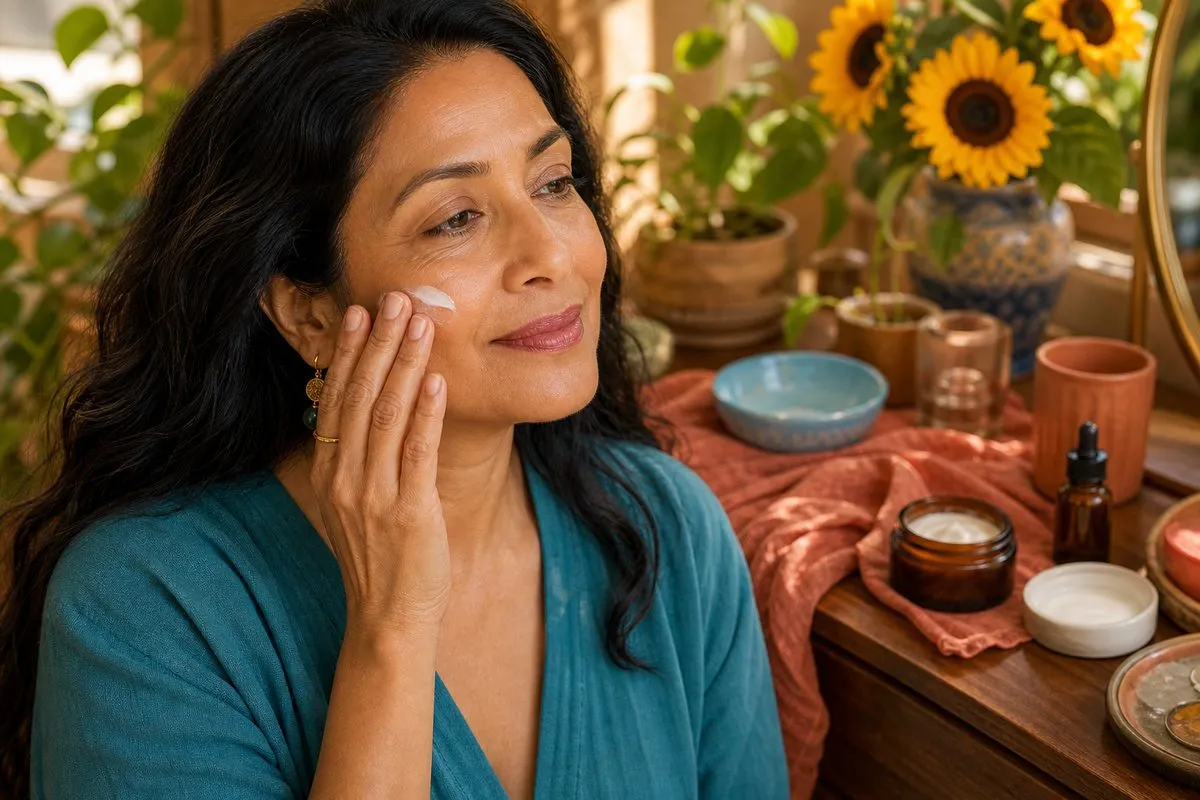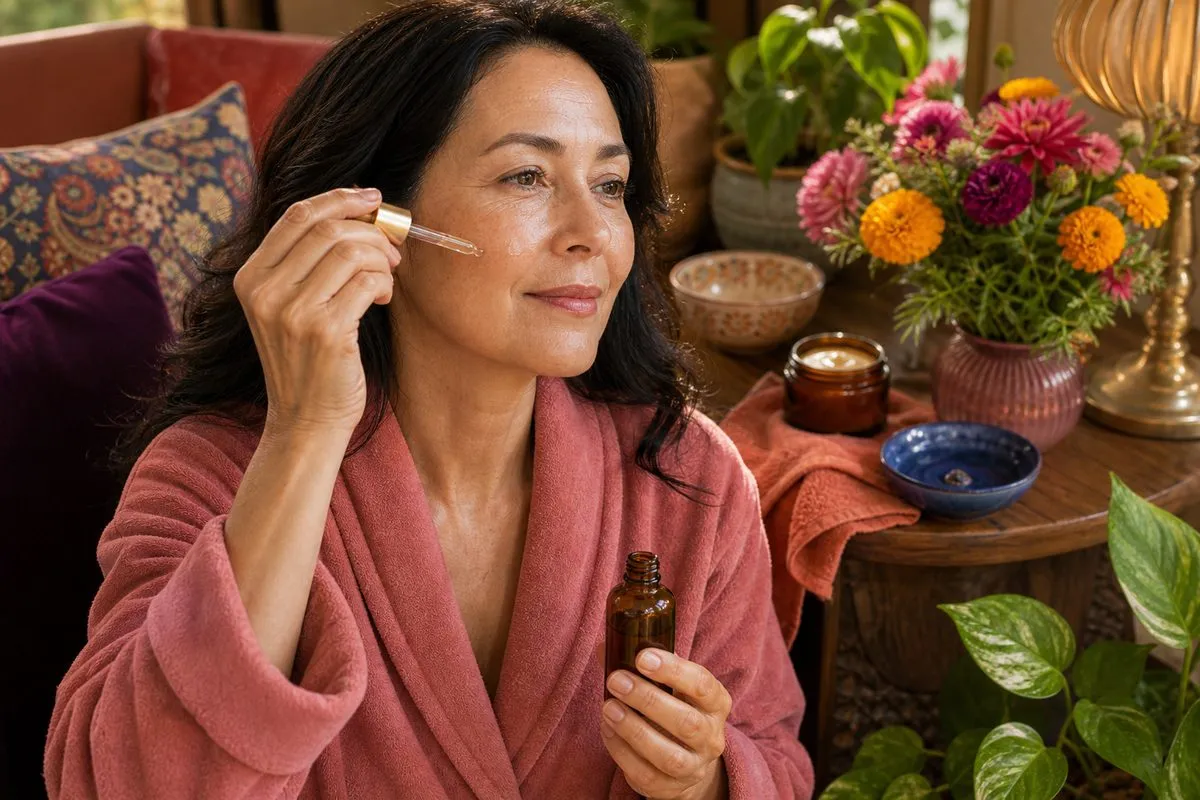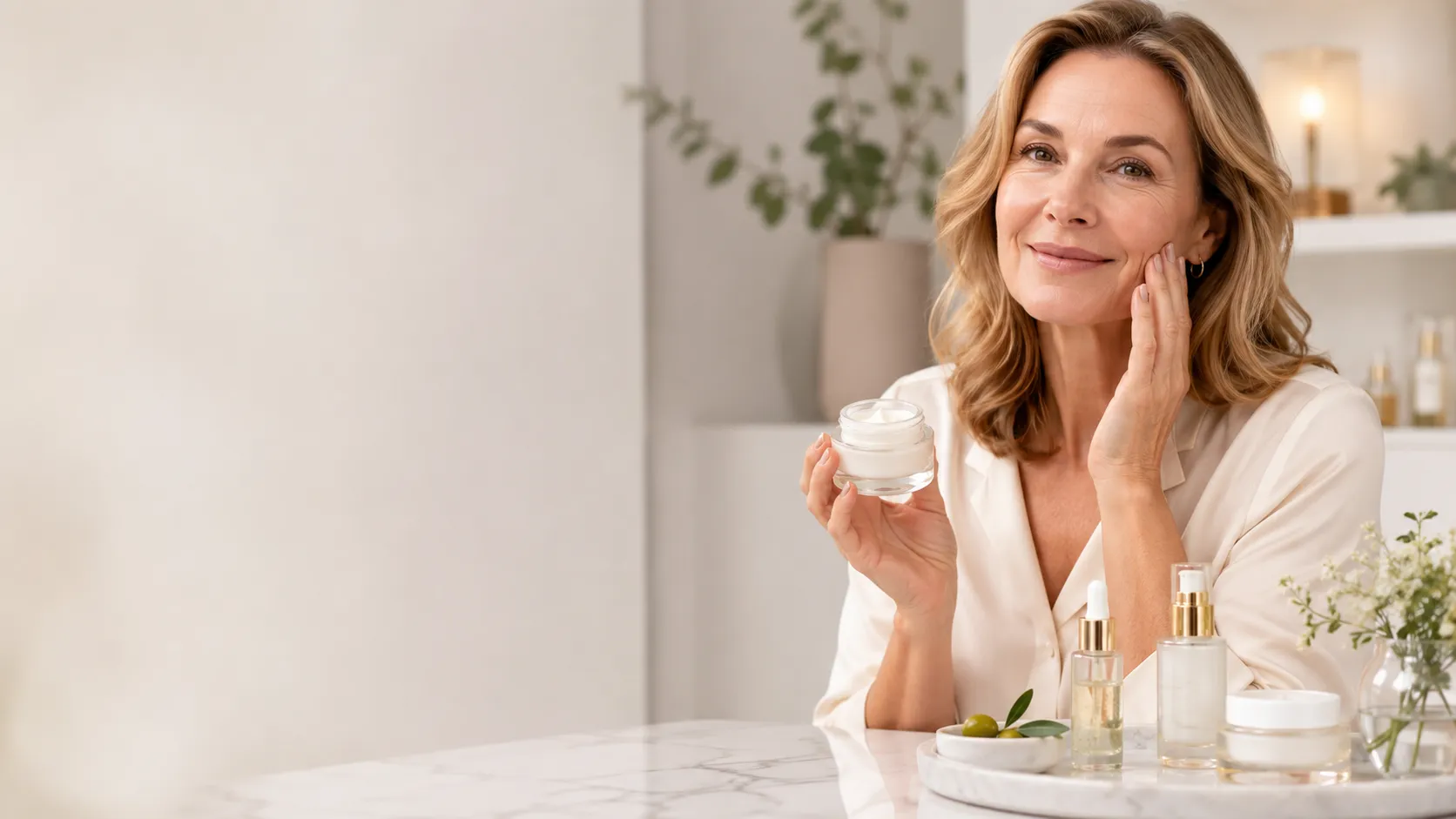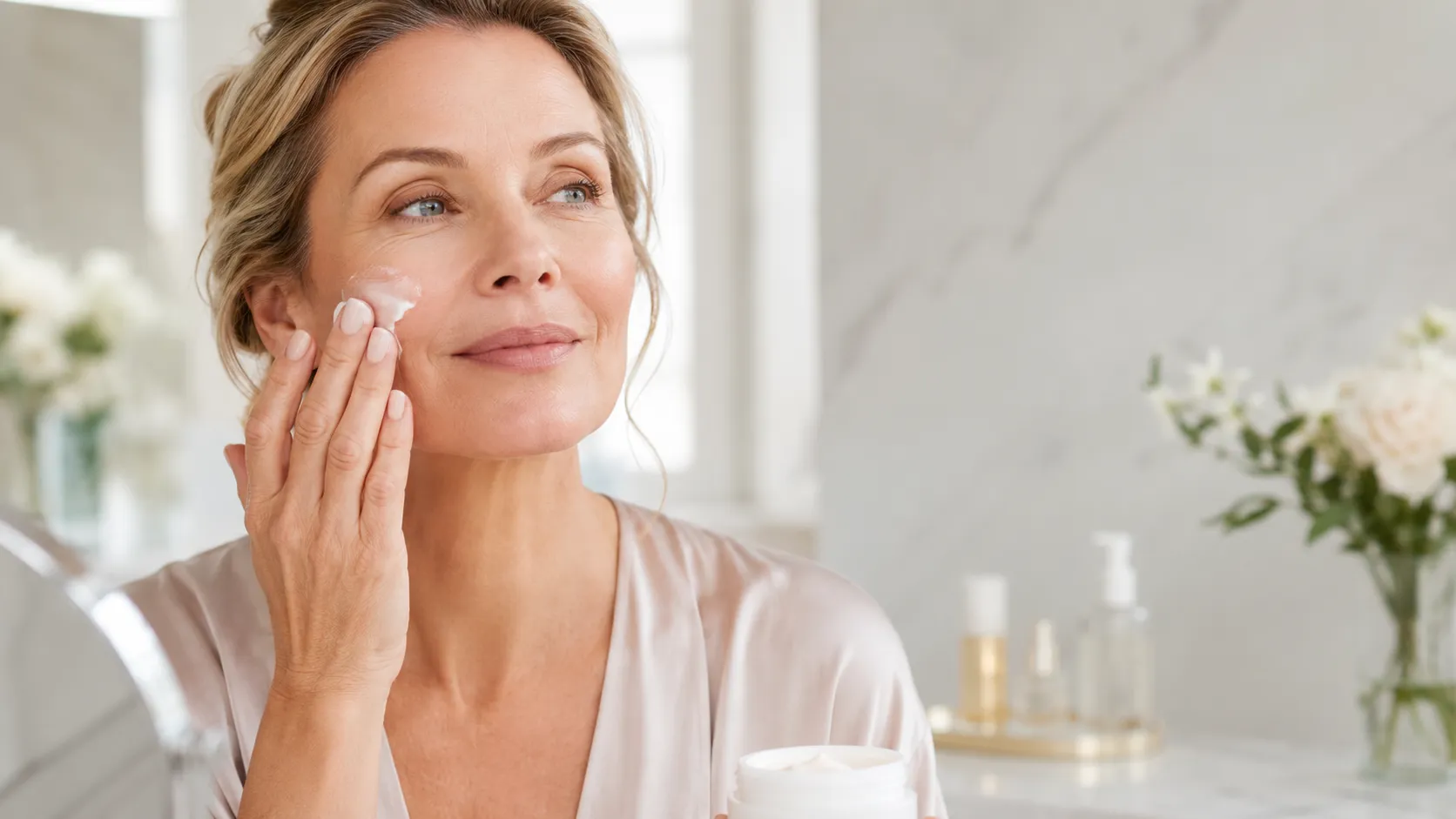
During perimenopause and menopause, declining estrogen causes your skin to lose collagen quickly, hold less water, thin out, and become less elastic and more sensitive. The result is dryness, fine lines, sagging, and sometimes adult acne or itching. To care for it, focus on rich hydration and barrier support (hyaluronic acid, ceramides), proven actives (a gentle retinoid, peptides, vitamin C), and daily SPF, while being gentler than you used to be. See a dermatologist for persistent concerns, and discuss hormone therapy with your doctor.
If your skin suddenly feels like it belongs to someone else, drier, thinner, more easily irritated, and less bouncy than it was a year ago, you are not imagining it, and you are not doing anything wrong. Menopause changes your skin in real, measurable ways, and the speed of it can be genuinely surprising.
If your skin suddenly feels like it belongs to someone else, drier, thinner, more easily irritated, and less bouncy than it was a year ago, you are not imagining it, and you are not doing anything wrong. Menopause changes your skin in real, measurable ways, and the speed of it can be genuinely surprising.
The reassuring part is that once you understand what is happening, you can care for menopausal skin in ways that make a real difference. Here is exactly what changes, why, and what helps.
Key takeaways
- Estrogen drives collagen, hydration, and a healthy barrier, so its decline changes skin on every level.
- Women can lose up to about 30 percent of skin collagen in the first five years of menopause, then roughly 2 percent a year after.
- Expect dryness, thinning, less firmness, more sensitivity, and sometimes hormonal breakouts.
- The care plan: rich hydration, barrier repair, gentle retinoids and peptides, and daily SPF.
- Hormone therapy can affect skin, but that is a medical decision for you and your doctor.
Why does menopause change your skin?
Here is something most people do not realize: your skin is an endocrine organ with estrogen receptors, which means it is directly affected by your hormones. Estrogen plays a central role in stimulating collagen, maintaining hydration, supporting the skin barrier, and keeping skin elastic. So when estrogen declines through perimenopause and menopause, all of those functions slow down at once.
The collagen change is the most striking. Research shows women can lose as much as 30 percent of their skin's collagen in the first five years after menopause, followed by a more gradual decline of around 2 percent each year after that. That rapid early drop is why so many women feel their skin changed almost overnight.
What skin changes should you expect?
Knowing what is normal makes it far less alarming.
- Dryness. Skin holds less water and makes less oil, so it feels drier and tighter, especially in dry air.
- Thinning. Reduced collagen and dermal thickness make skin thinner and more fragile.
- Loss of firmness and more wrinkles. Less collagen and elastin means sagging, fine lines, and sometimes jowls.
- Increased sensitivity and itching. A weaker barrier reacts more easily and can feel itchy.
- Dullness and larger-looking pores. Slower turnover leaves skin less radiant.
- Adult or hormonal acne. Shifting hormones can trigger breakouts, even if you have not had them in years.
- More facial hair and slower healing can also occur.
These are common and expected, not a personal failing.
How do you care for menopausal skin?
The goal shifts toward replenishing what estrogen used to support: moisture, barrier strength, and collagen. A gentle, evidence-aware plan looks like this.
A menopausal skin care routine
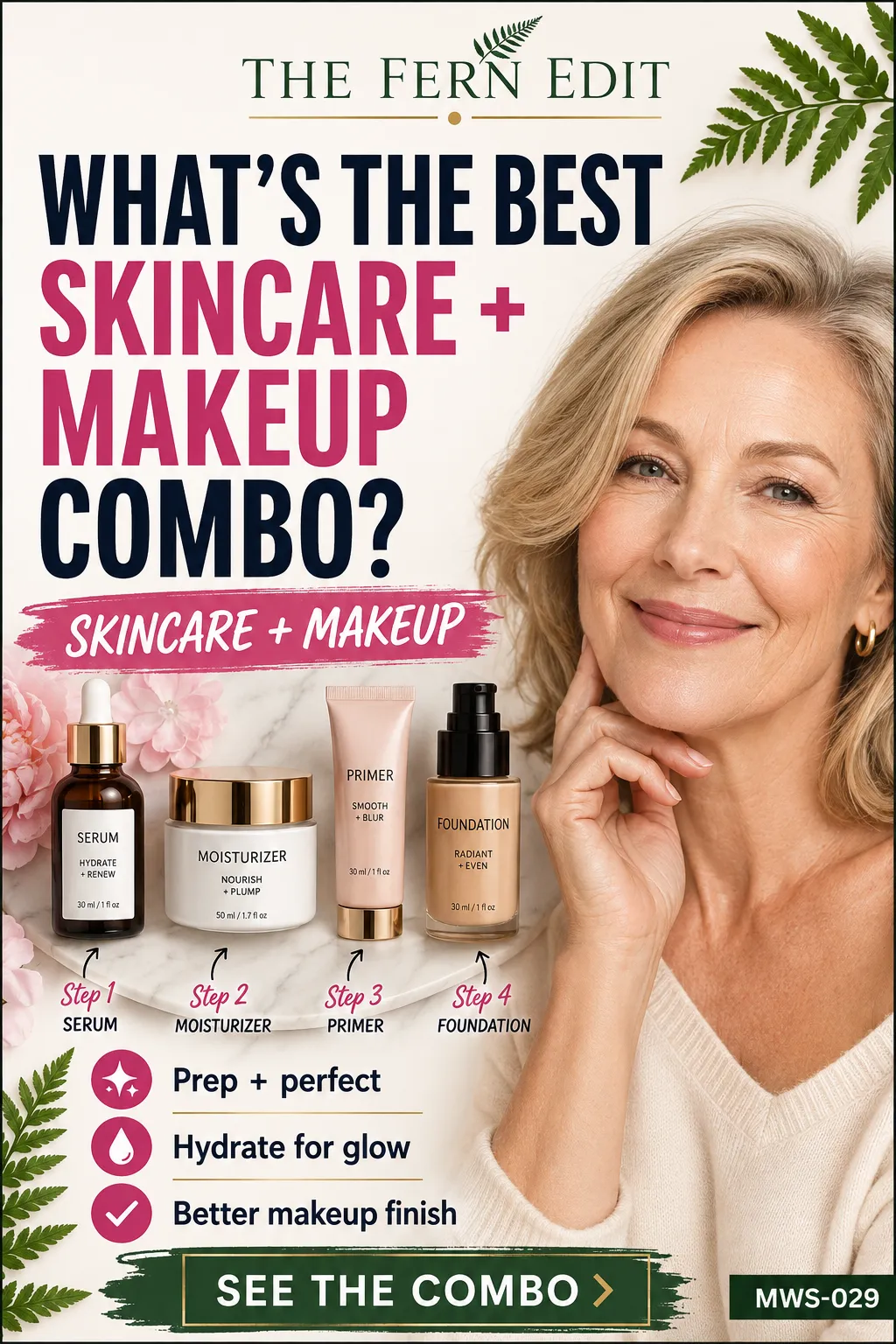
- Hydrate richly. Layer hyaluronic acid on damp skin and seal with a rich, ceramide-containing moisturizer to fight dryness and rebuild the barrier.
- Use proven actives gently. Topical retinoids and peptides have the strongest evidence for supporting collagen and texture. Ease a retinoid in slowly, since menopausal skin is more sensitive. See retinol for beginners.
- Add antioxidants. A vitamin C serum in the morning helps brighten and protect.
- Protect daily. Broad-spectrum SPF 30 or higher on face, neck, chest, and the backs of your hands. Sun protection is the most powerful way to slow further collagen loss.
- Be gentle. Switch to a mild cleanser, ease off harsh exfoliation, and choose fragrance-free formulas if your skin has become reactive. For breakouts, a gentle salicylic acid cleanser is kinder than harsh acne products.
- Support your skin from within. Good hydration, an antioxidant-rich diet, quality sleep, regular exercise, not smoking, and stress management all help. Our full mature skin routine puts this into steps.
What about hormones and estrogen creams?
You may have seen estrogen-based skincare and hormone replacement therapy discussed as solutions, and research does show that estrogen supports skin collagen, elasticity, and hydration. But this is firmly a medical area. Many dermatologists point out that topical retinoids and peptides have stronger, clearer evidence for facial aging, and they do not routinely recommend topical estrogen for skin alone. Hormone therapy has real benefits and real risks that depend on your personal health history, so it is a conversation for you and your doctor, not a skincare decision. This article is general information, not medical advice.
Mistakes to avoid
- Sticking with your old, stripping routine. What worked at 35 can leave menopausal skin tight and irritated.
- Skipping moisturizer or layering too thin. Drier skin needs richer, sealing hydration now.
- Going hard with actives. More sensitive skin needs gentler introductions, not stronger products.
- Treating hormonal acne with harsh drugstore products. They are often too drying. Go gentle, or see a dermatologist.
- Skipping SPF. With less collagen to spare, daily sun protection matters more than ever.
When should you see a dermatologist?
See a board-certified dermatologist for breakouts that will not clear, persistent itching or irritation, noticeable hair thinning, or any skin change that worries you. A dermatologist can tailor a plan, recommend professional treatments like lasers, peels, or microneedling for texture and firmness, and help you weigh options. If you are considering hormone therapy, that conversation belongs with your doctor.
Expert tips
- Layer hydration: a humectant serum on damp skin, then a richer cream to lock it in.
- Treat your neck, chest, and hands the same way you treat your face.
- Introduce one new product at a time so you can tell what your skin likes.
- Keep a simple, consistent routine, since menopausal skin responds best to steadiness.
- Be kind to yourself. These changes are biology, not neglect.
Final takeaway
Menopausal skin changes are real, fast, and completely normal, driven by an estrogen decline that affects collagen, moisture, and your skin barrier all at once. The good news is that you are far from powerless. Replenish moisture, support the barrier, lean on gentle proven actives like retinoids and peptides, protect with daily SPF, and treat your skin more gently than you used to. For hormone questions, talk to your doctor, and for stubborn concerns, see a dermatologist. With the right care, menopausal skin can look and feel healthy, comfortable, and radiant in its own right.
This article is for general beauty and self-care education only and is not medical advice. Discuss hormone therapy and persistent skin concerns with your doctor or a board-certified dermatologist.
 📌 Save
Love this guide? Save it 📌
Pin it to your favorite board so it's easy to find again — and share it with a friend who'd love it too.
Save to PinterestFrequently asked questions
How does menopause affect your skin?
Declining estrogen reduces collagen, hydration, barrier strength, and elasticity, leading to dryness, thinning, more wrinkles and sagging, increased sensitivity, and sometimes adult acne. Skin has estrogen receptors, so it responds directly to the hormonal shift.
Why is my skin so dry during menopause?
Lower estrogen means your skin makes less oil and holds less water, and the barrier weakens, so moisture escapes more easily. Rich, ceramide-based moisturizers and hyaluronic acid on damp skin help restore comfort.
How much collagen do you lose in menopause?
Studies show women can lose up to about 30 percent of skin collagen in the first five years of menopause, then roughly 2 percent per year afterward. That early, rapid drop is why skin can seem to change so fast.
Can menopause cause acne?
Yes. Hormonal shifts during and after menopause can trigger breakouts, even in women who had clear skin for years. Use a gentle cleanser, avoid harsh drying products, and see a dermatologist if it persists.
What is the best skincare for menopausal skin?
Rich hydration and barrier support (hyaluronic acid, ceramides), gentle proven actives (a retinoid, peptides, vitamin C), and daily SPF, all applied gently. Consistency matters more than the number of products.
Does hormone therapy help your skin?
Research shows estrogen supports skin collagen, hydration, and elasticity, so hormone therapy can affect skin. But it carries benefits and risks based on your health, so it is a decision to make with your doctor, not for skincare reasons alone.
Can I reverse menopausal skin changes?
You cannot fully reverse them, but you can meaningfully improve dryness, texture, and firmness with consistent hydration, retinoids, SPF, and, if you choose, professional treatments. The aim is healthier, more comfortable skin, not turning back the clock.
Why is my skin suddenly more sensitive?
A weaker skin barrier during menopause reacts more to products and environment, causing stinging, redness, or itching. Switch to gentle, fragrance-free formulas, repair the barrier with ceramides, and introduce actives slowly.

We cite sources and update this guide regularly.