
Mature Skin
Mature and perimenopausal skin tends to be drier and thinner; gentle hydration, barrier care and sun protection are the foundation.
Mature skin has different needs — it tends to be drier, thinner, and more reactive, and it deserves a gentler, more nourishing approach than the routines aimed at younger complexions. This hub is for women navigating skin in their 40s, 50s, and beyond, whether you are dealing with new dryness, a change in texture, or figuring out how makeup should shift.
We focus on comfort and glow over chasing a younger face: rich hydration, barrier support, gentle actives, and makeup techniques that flatter rather than settle into lines. Expect practical, reassuring guidance and realistic results, because skincare can keep mature skin healthy, comfortable, and radiant even if it cannot turn back the clock. Start with hydration and sun protection; everything else builds from that well-cared-for base.
A gentler routine
Mature skin does best with richer, simpler care — our skincare routine for dry mature skin walks through it step by step.
Makeup that flatters
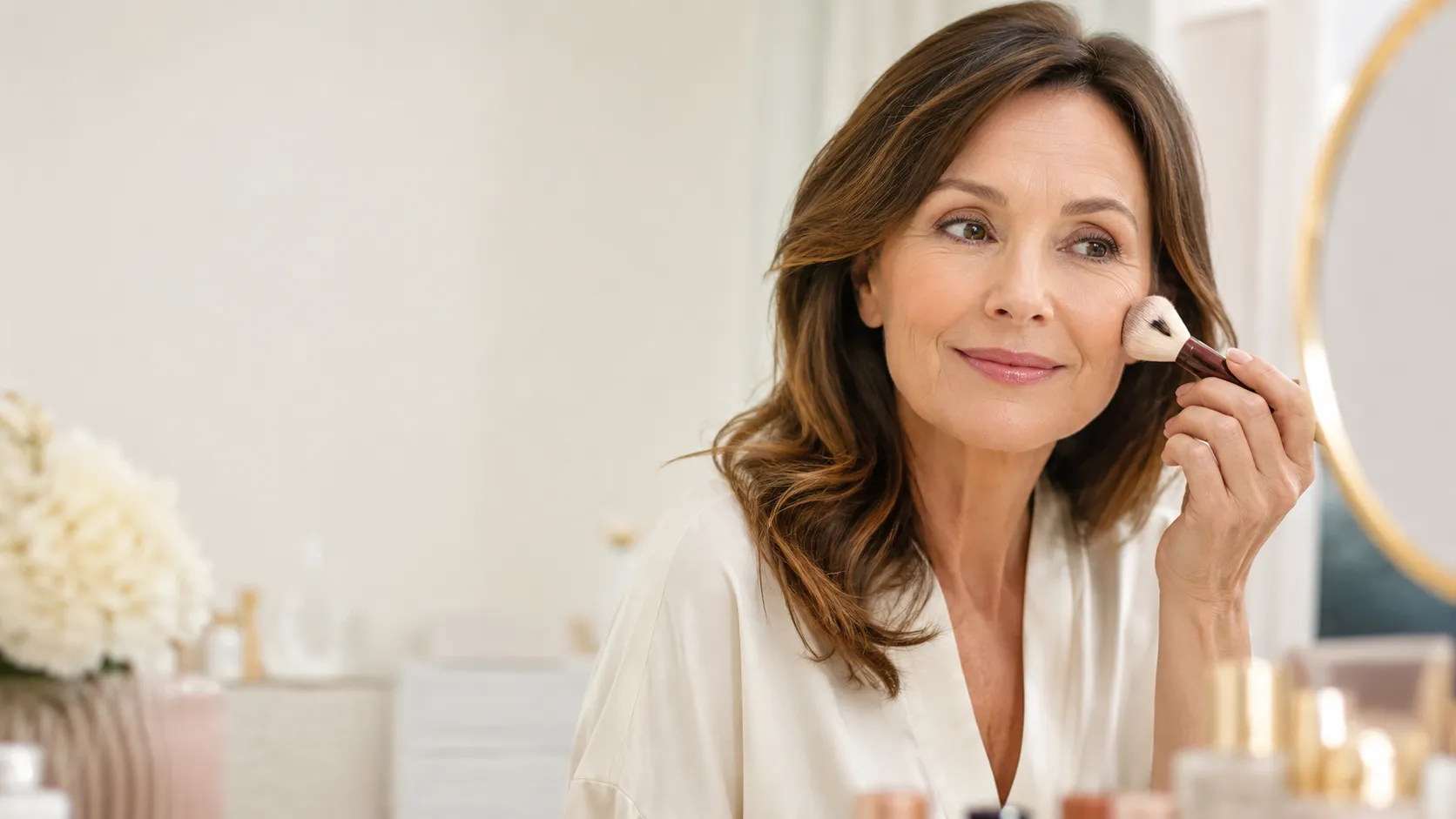
The right technique keeps makeup from settling into lines — see our makeup tips for mature skin for a fresh, soft finish.
What to expect
We keep it honest: good care improves comfort, hydration, and glow, but it works with your skin rather than erasing every line.
Educational, not medical advice — results vary.
All Mature Skin articles
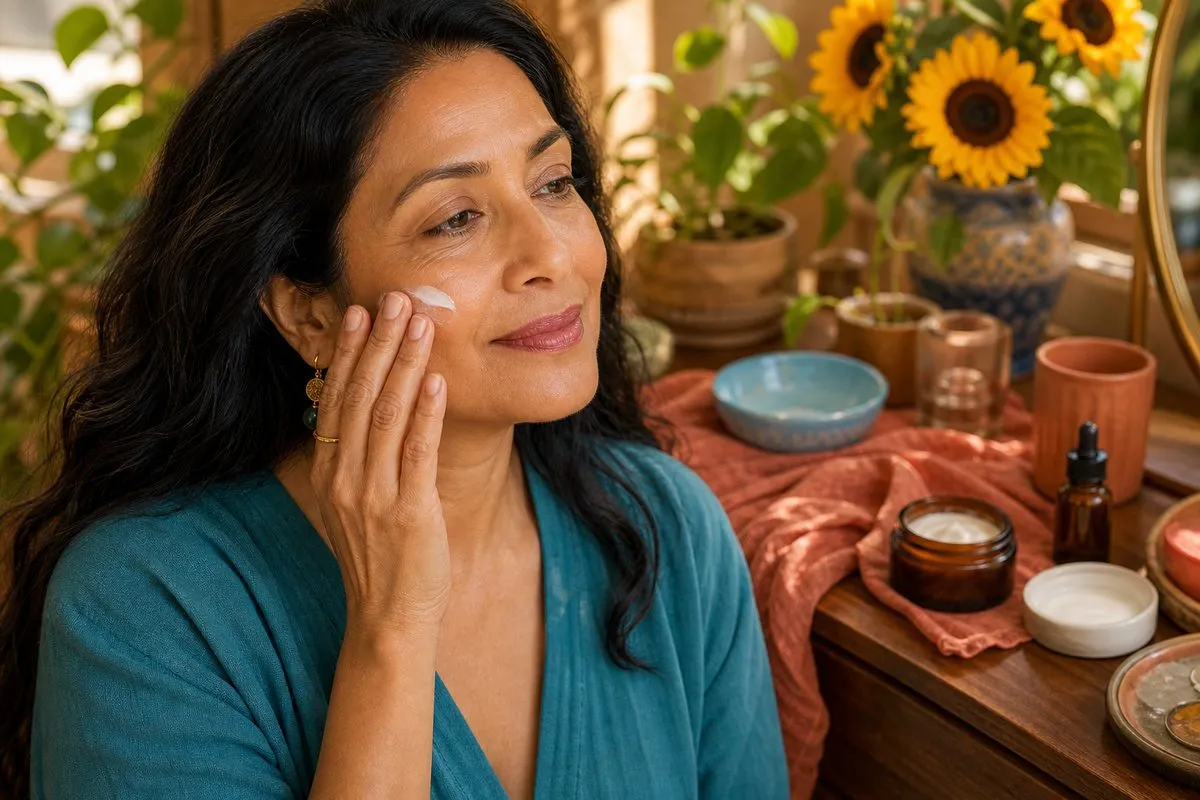
Sensitive Mature Skin? A Gentle Routine That Calms and Protects
A gentle routine for sensitive mature skin focuses on calmin...
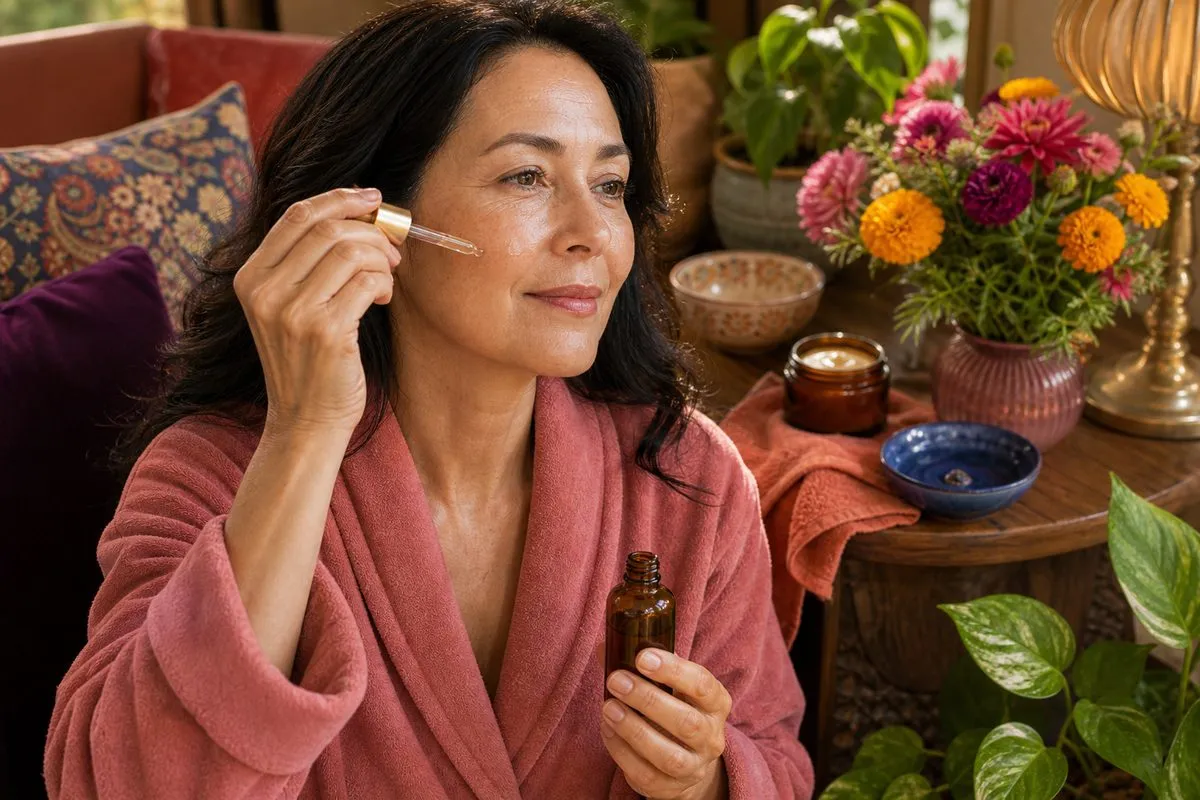
Age Spots and Uneven Tone: How to Brighten Mature Skin
To brighten mature skin and fade age spots, protect with dai...
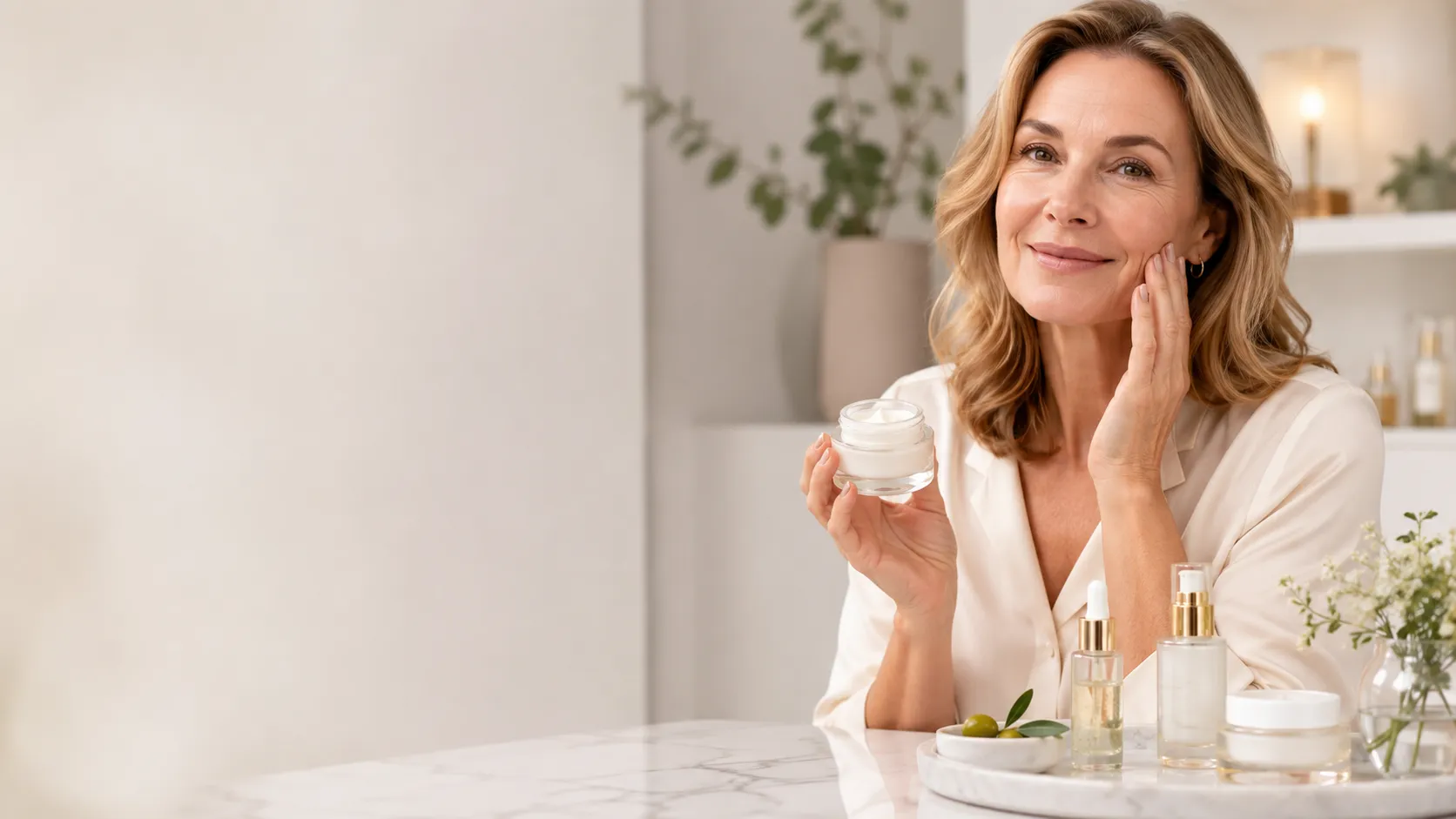
Skincare Routine for Women in Their 40s
A strong 40s skincare routine has a gentle morning routine w...
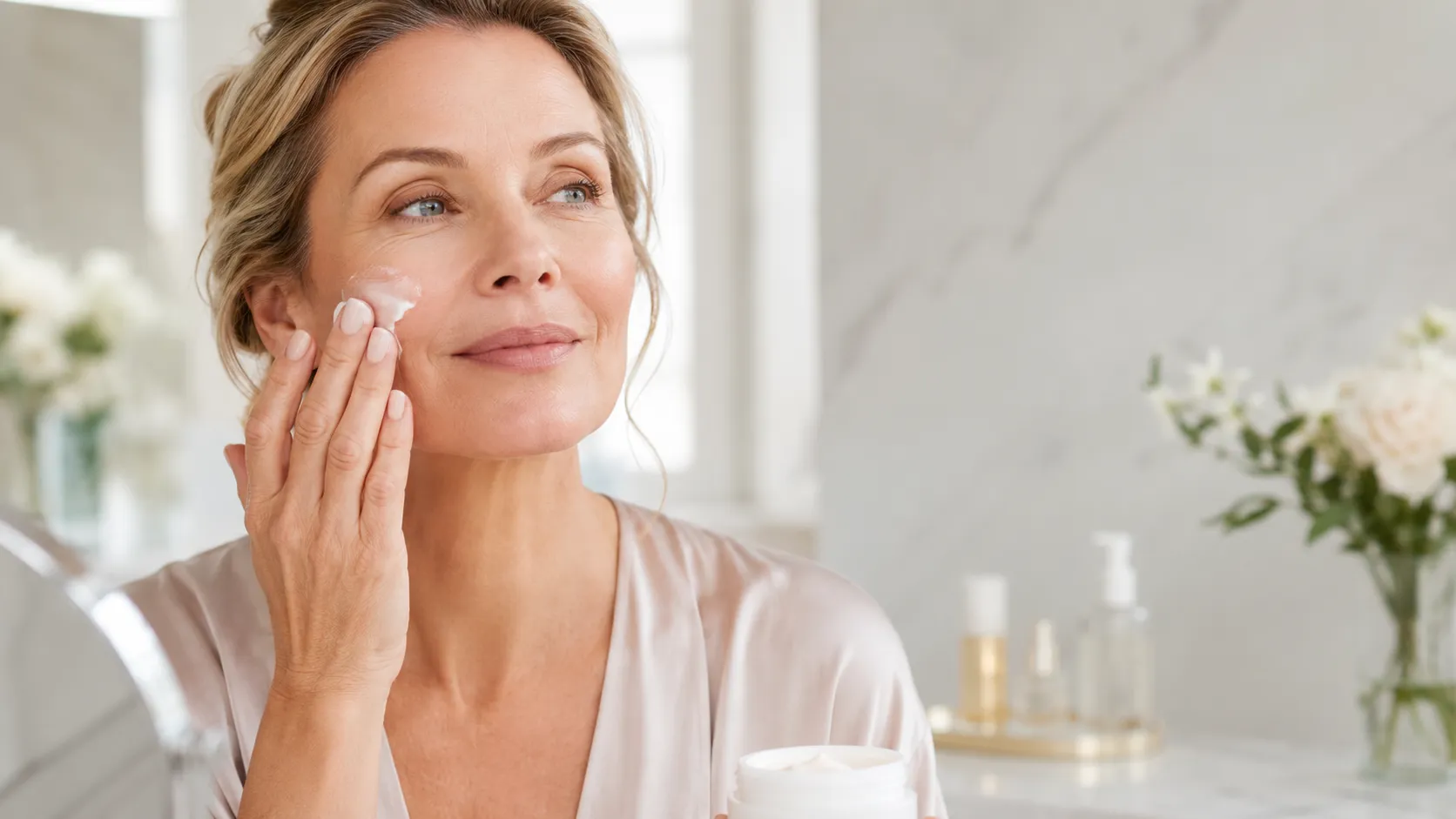
Best Ingredients and Moisturizers for Mature, Dry Skin
For mature, dry skin, look for moisturizers built around thr...
How Menopause Changes Your Skin (and How to Care for It)
During perimenopause and menopause, declining estrogen cause...

Skincare Over 40: Simple Routine for Dry Mature Skin
A simple skincare routine over 40 should focus on gentle cle...

Makeup for Wrinkled Skin: Soft, Fresh Tips
The best makeup for wrinkled skin starts with hydrated skin,...
Frequently asked questions
How is a routine for mature skin different?
It leans richer and gentler. Mature skin makes less oil and holds less water, so it needs creamier cleansers, layered hydration, and a strong moisturizer, plus daily SPF. Harsh scrubs and high-strength actives can irritate a thinner barrier, so introduce them slowly. Comfort and barrier support come first; aggressive exfoliation is rarely the answer.
What ingredients are best for mature skin?
Hydrators and barrier-supporters shine: hyaluronic acid, glycerin, ceramides, and rich emollients for moisture, plus a gentle retinoid for texture and vitamin C for brightness. Peptides and niacinamide are well-tolerated extras. Introduce actives one at a time and always pair them with sunscreen, since mature skin can be more sensitive to irritation.
Why is my skin suddenly so dry after 40?
Falling estrogen around perimenopause reduces oil and moisture production, so skin that was once balanced can turn tight and flaky. Switch to a creamier cleanser, add a hydrating serum under a richer moisturizer, and avoid hot water and harsh soaps. Our over-40 skincare guide covers the full routine for comfortable, hydrated skin.
How should makeup change for mature skin?
Prep with hydration so makeup sits smoothly, use lightweight, hydrating formulas, and go sparingly with powder, which can emphasize lines. Cream blush and a radiant base look fresher than heavy matte coverage. Our makeup guide for mature skin shares techniques that keep makeup from settling into creases and creping.
Can skincare reverse aging on mature skin?
It can meaningfully improve hydration, texture, tone, and comfort, and a retinoid plus daily SPF genuinely softens fine lines over months. But it cannot reverse deep folds or replace what changes structurally with age. The realistic goal is healthy, comfortable, glowing skin, not turning the clock back. Consistency delivers the visible wins.