
Hair Care
Healthy hair starts at the scalp — gentle washing, the right products for your hair type and protective habits.
Healthy hair starts at the scalp, and most everyday hair problems trace back to a few fixable habits. This hub covers the fundamentals for women in the U.S.: how often to wash, caring for your scalp, repairing damage from heat and color, and deciding when a salon treatment is worth it.
We skip the overwhelming ten-product regimens in favor of what actually keeps hair strong and shiny — gentle cleansing, scalp health, heat protection, and realistic repair. Every hair type is different, so we focus on principles you can adapt rather than one-size rules. Whether your hair feels dry, greasy, or damaged, you will find practical starting points here, plus honest notes on what treatments like keratin can and cannot do for your strands.
Scalp health first
Healthy hair grows from a healthy scalp — start with scalp care 101 and how often to wash your hair.
Repairing damage
Heat, color, and over-washing take a toll. Our guide to repairing damaged hair covers what genuinely helps.
Salon treatments
Considering a service? See what to expect and ask in our keratin treatment and scalp treatment guides.
Educational, not medical advice — results vary.
All Hair Care articles

How to Get Thicker, Fuller-Looking Hair (Naturally)
You cannot change how many hair follicles you have, but you...
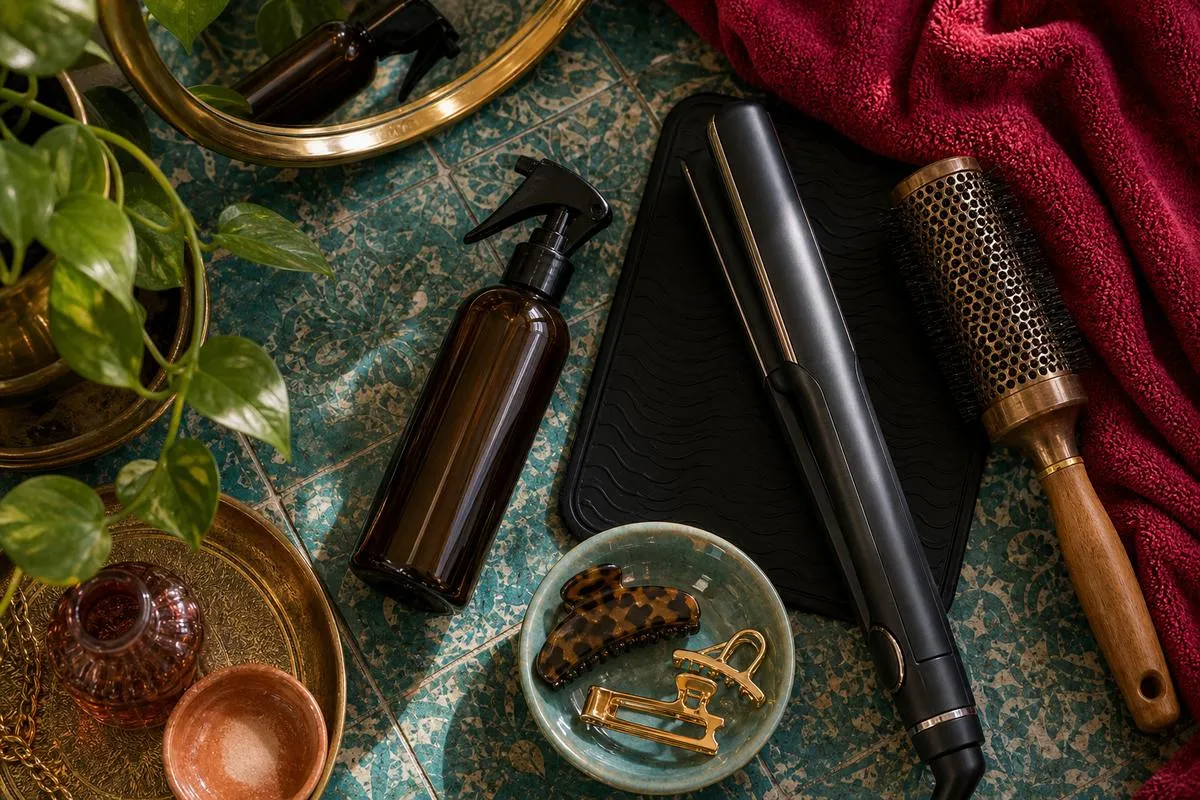
Heat Damage 101: How to Style With Heat Without Wrecking Your Hair
Heat damage happens when high temperatures dry out and weake...
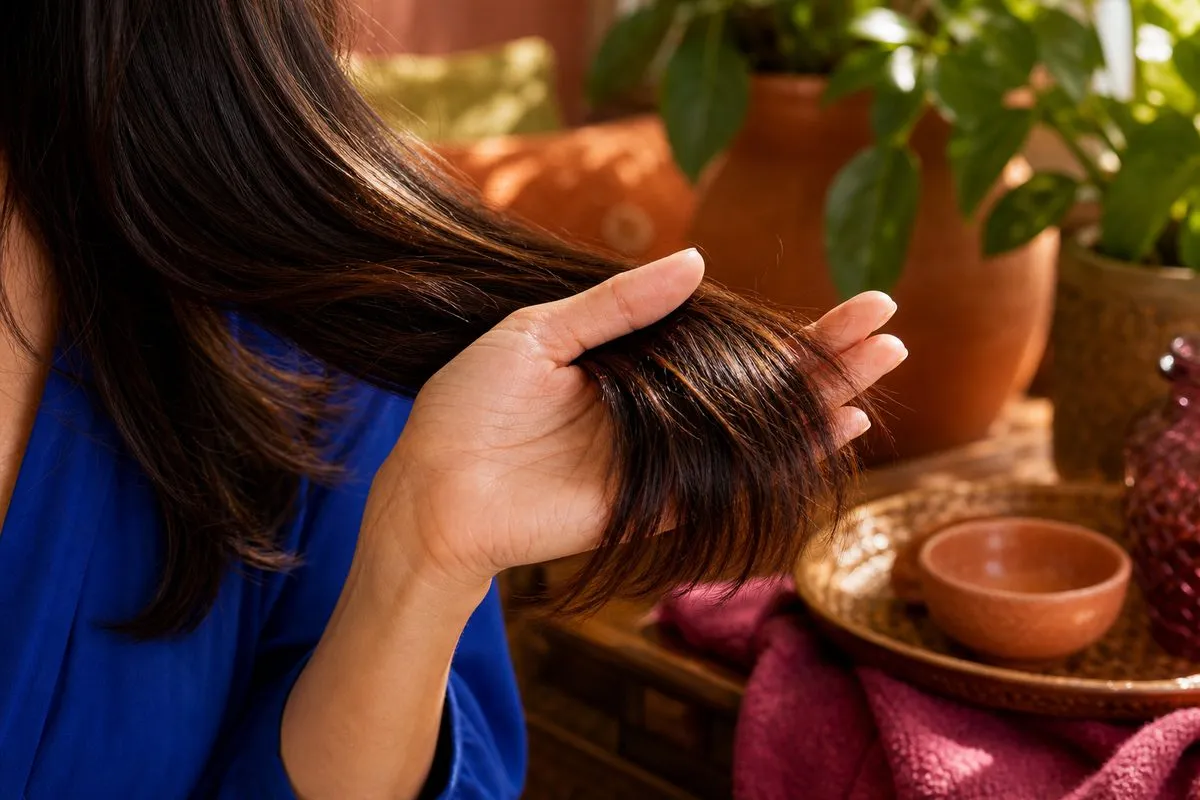
How to Stop Hair Breakage and Split Ends
Breakage and split ends happen when hair becomes weak, dry,...

How to Get Rid of Frizzy Hair (and Keep It Smooth)
Frizz happens when the hair cuticle lifts and the hair is dr...
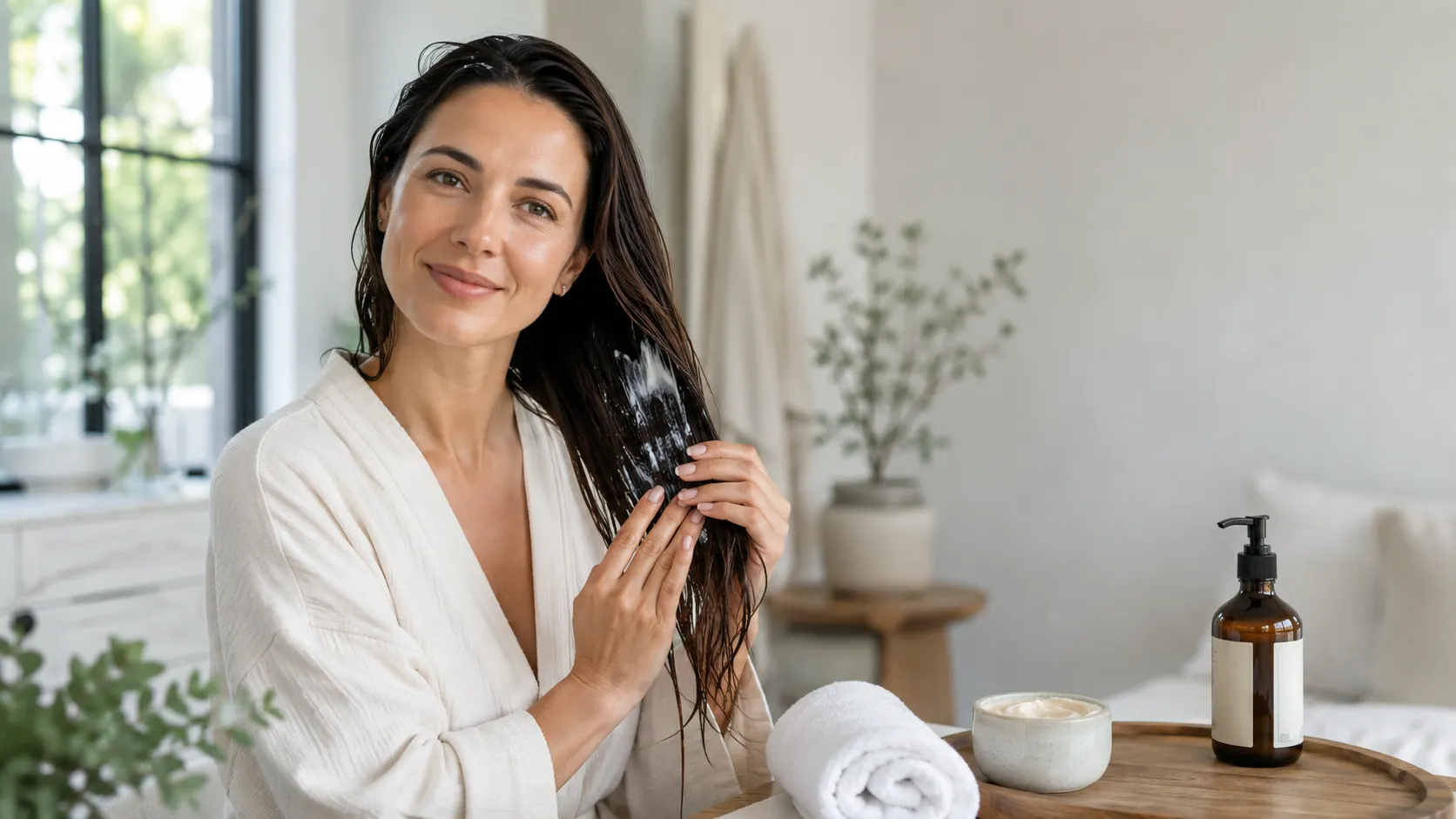
Scalp Treatment Near You: What It Is, Benefits, and Who Needs One
A scalp treatment is a professional service that deep-cleans...

Keratin Treatment Near You: Cost, Safety, and What to Know Before You Book
A keratin treatment smooths and de-frizzes hair by sealing t...
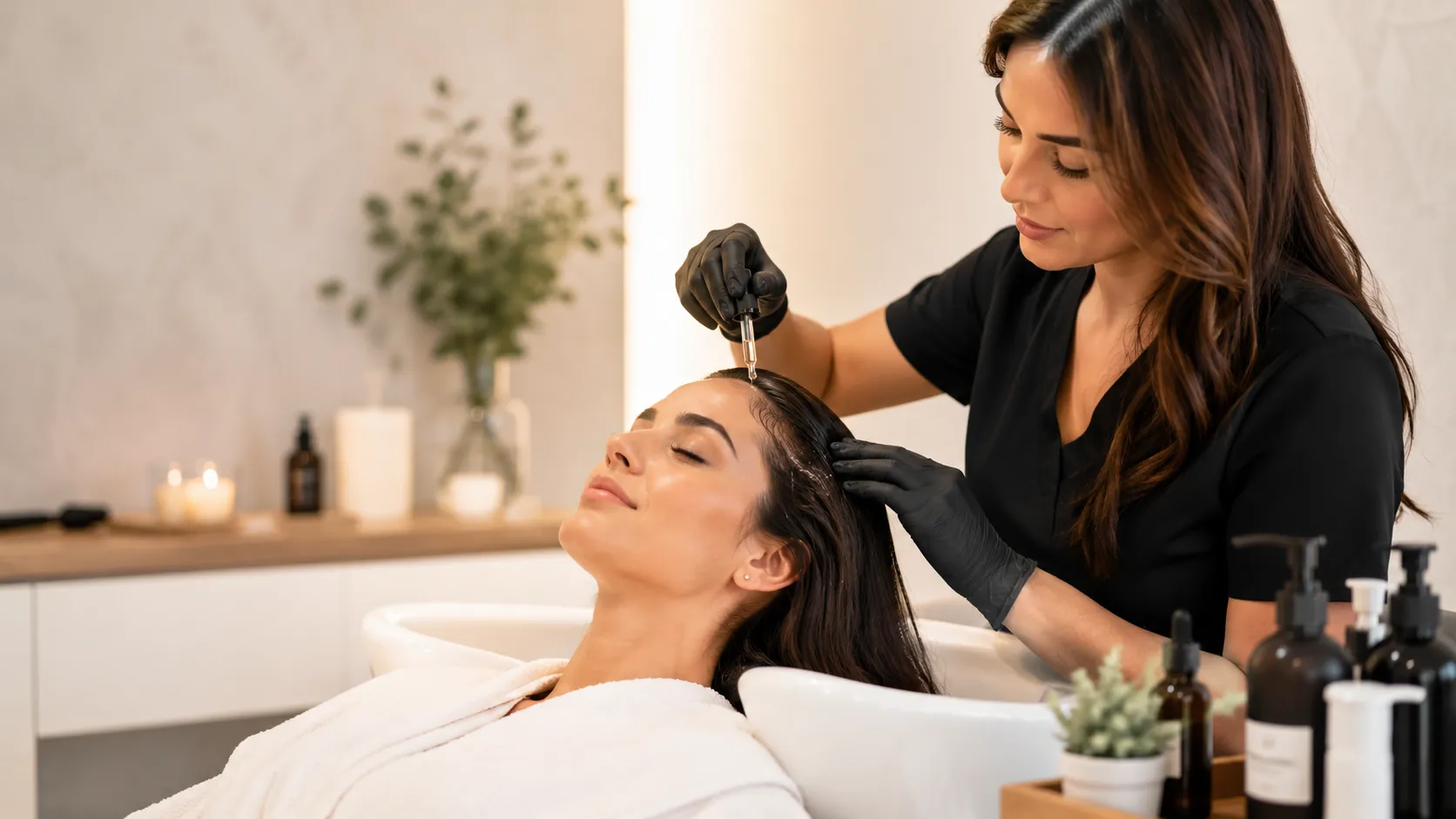
How to Find a Hair Salon Near You for Healthy, Damage-Free Hair
To find a hair salon near you that keeps your hair healthy,...
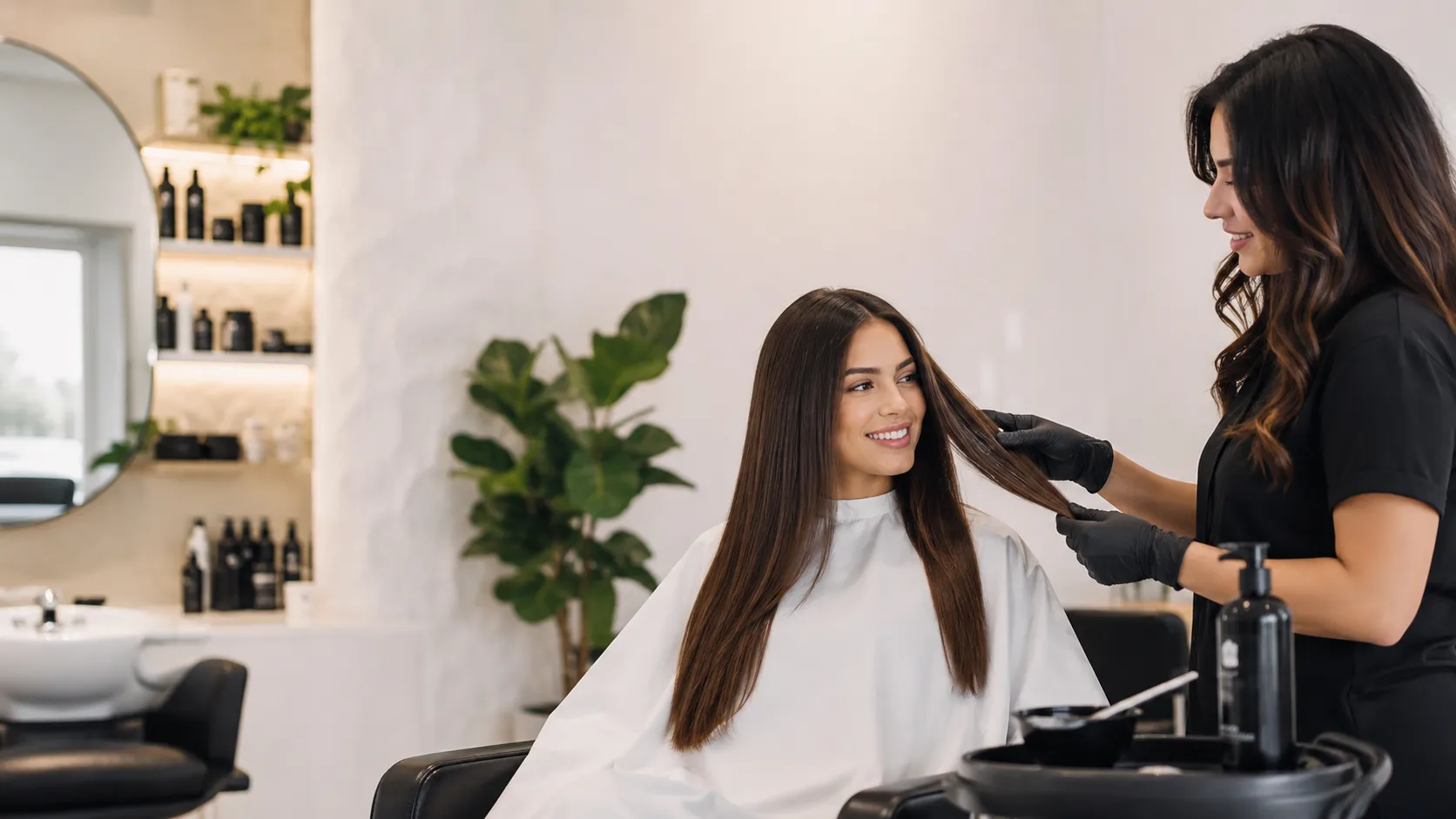
Scalp Care 101: Healthier Hair Starts at the Roots
Scalp care means treating your scalp like the skin it is: cl...

How Often Should You Wash Your Hair?
How often you should wash your hair depends on your scalp's...

How to Repair Damaged Hair (What Actually Works)
You repair damaged hair by rebalancing protein and moisture,...
Frequently asked questions
How often should I wash my hair?
It depends on your hair type and scalp, but most people do well washing every two to three days rather than daily. Fine or oily hair may need it more often; dry, curly, or coily hair usually less. Over-washing strips natural oils and can trigger more grease. Adjust to how your scalp actually feels.
How do I repair damaged hair?
You cannot truly reverse damage, but you can prevent more and improve the look: lower your heat styling, always use heat protectant, deep-condition weekly, and trim split ends regularly. Bond-building treatments help strengthen over-processed hair. The real fix is patience plus gentler habits while healthy new hair grows in.
Why is scalp care important?
Your scalp is the foundation for every strand, and buildup, dryness, or irritation there can lead to flaking, itchiness, and weaker growth. Gently cleansing, occasionally exfoliating, and not overloading the roots with product keeps follicles healthy. Think of scalp care like skincare for your head, and see our scalp care 101 guide.
Are keratin treatments safe?
Professionally done, keratin smoothing treatments are generally safe for most people, but formulas vary and some release formaldehyde when heated, so ventilation and a reputable salon matter. They reduce frizz for a few months, not permanently. Ask about the ingredients and aftercare. Our keratin guide covers cost and safety in detail.
How can I make my hair grow faster?
Hair grows about half an inch a month, and you cannot truly speed that up, but you can stop the breakage that hides length. Keep the scalp healthy, minimize heat and tight styles, eat enough protein, and trim regularly. Reducing damage is what lets your hair reach its full length.