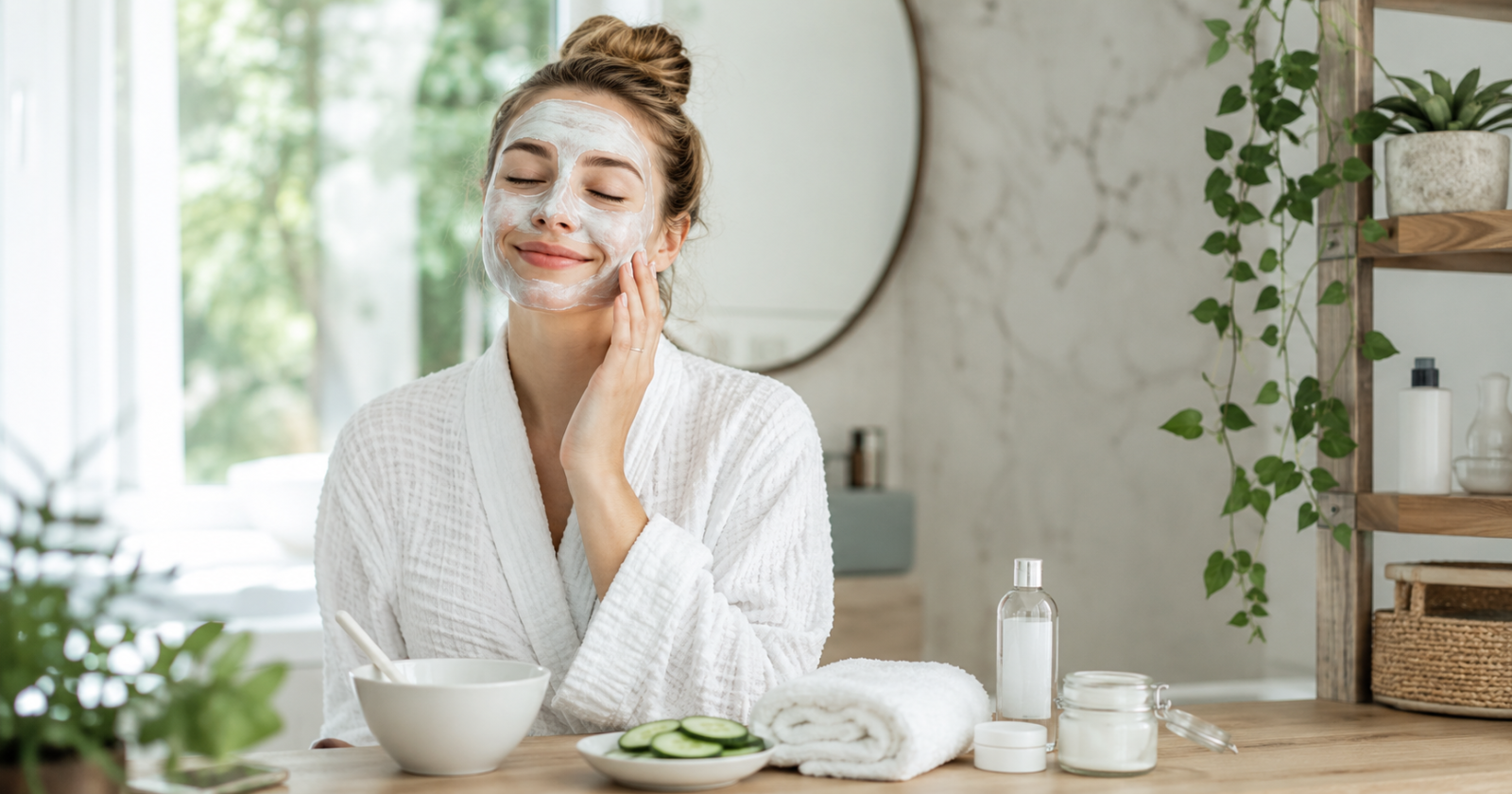
At your first facial, expect a short consultation, then cleansing, exfoliation, possible extractions, a facial massage, a mask, and a finishing routine with serum, moisturizer, and sunscreen. A standard facial lasts about 60 minutes and should feel relaxing, not painful. Arrive with clean, makeup-free skin if you can, and tell your esthetician about your routine, allergies, and goals.
Booking your first facial is exciting, and a little nerve-racking. Will it hurt? Do you talk the whole time? Should you wear makeup? Knowing exactly what happens from the moment you walk in takes the mystery out of it and helps you choose a place that actually suits you. This guide walks you through every step of a first facial, how to prepare, and how to find a great one close to home.
Booking your first facial is exciting, and a little nerve-racking. Will it hurt? Do you talk the whole time? Should you wear makeup? Knowing exactly what happens from the moment you walk in takes the mystery out of it and helps you choose a place that actually suits you. This guide walks you through every step of a first facial, how to prepare, and how to find a great one close to home.
Key Takeaways
- A first facial follows a predictable flow: consult, cleanse, exfoliate, extract, massage, mask, finish.
- It should feel calm and comfortable, with only mild sensations during certain steps.
- Skip strong actives like retinol for a few days before, and avoid booking right before a big event.
- The consultation is your moment to share goals, allergies, and concerns, so do not rush it.
- Choosing a licensed, well-reviewed esthetician near you makes the whole experience better.
Why book a facial in the first place?
A facial is part skincare treatment, part reset for your skin and your stress levels. A skilled esthetician can deep-cleanse pores, gently exfoliate buildup, and give you a personalized read on your skin that is hard to get on your own. Many women book a first facial to address a specific concern like dullness or congestion, while others simply want a relaxing slice of self-care.
Whatever the reason, a first facial also sets a baseline. Your esthetician learns your skin, you learn what your skin responds to, and together you can build a smarter routine.
How do you prepare for your first facial?
A little prep makes a big difference.
- Come with clean skin if possible. You can wear makeup, since the esthetician will remove it, but arriving fresh-faced saves time for treatment.
- Pause strong actives. Stop retinol, strong exfoliating acids, and other potent products two to three days before, since they can leave skin extra sensitive.
- Skip waxing or heavy sun the day before. Freshly waxed or sunburned skin does not pair well with exfoliation.
- Bring your routine. Know what cleanser, serums, and moisturizer you use so you can share an accurate picture.
- Avoid booking right before an event. Give a first facial a buffer of at least a few days in case your skin purges or reacts.
- Hydrate and arrive a few minutes early. It helps you settle and relax before the treatment starts.
What happens step by step?
Every esthetician has their own style, but most classic facials follow this flow.
1. Consultation and Skin Analysis
Your visit starts with a conversation. The esthetician asks about your routine, allergies, medications that affect skin, sun habits, and your goals. Many will look at your skin closely, sometimes under a magnifying lamp, to assess your skin type and concerns. This is the most important step, so be honest and specific.
2. Cleansing
You will lie back on a comfortable treatment bed, and the esthetician double-cleanses to remove makeup, sunscreen, and the day's buildup. This preps your skin for everything that follows.
3. Exfoliation
Next comes exfoliation, using a gentle scrub, an enzyme, or a mild acid suited to your skin. This sweeps away dead surface cells and leaves skin smoother and more receptive to the products that follow.
4. Extractions (If Needed)
If you have clogged pores or blackheads, the esthetician may perform extractions, applying gentle pressure to clear them. This is the step people worry about most. A skilled esthetician keeps it as comfortable as possible and stops if your skin is not cooperating. It is fine to ask them to go easy.
5. Facial Massage
This is the part everyone loves. A relaxing massage of the face, neck, and shoulders boosts circulation and helps you melt into the table. Some estheticians incorporate tools like gua sha or a roller for a lifted, de-puffed feel.
6. Mask
A treatment mask chosen for your skin goes on next, whether hydrating, clarifying, or soothing. You rest while it works, often with a little scalp or hand massage as a bonus.
7. Finishing Routine
To close, the esthetician applies toner, serum, eye cream, moisturizer, and, in the morning, sunscreen. They may also share simple recommendations for your at-home routine based on what they observed.
Will It Hurt?
For the most part, no. A facial should feel relaxing. The main exception is extractions, which can cause brief pinching or pressure. Certain exfoliating treatments may tingle. Anything beyond mild discomfort is not normal, and a good esthetician will pause the moment you say so. If a provider tells you real pain is just part of the process, that is your sign to find someone else.
How long does it take and what does it cost?
A standard facial usually runs about 60 minutes, though express facials can be 30 minutes and luxury or corrective sessions can stretch to 90 minutes. Plan to arrive a little early for paperwork on your first visit.
On cost, a standard facial in the U.S. typically runs about $75 to $150, while advanced or device-based treatments often cost $150 to $350 or more. Prices climb in big cities and at med spas with high-end equipment. For a first facial, a classic or hydrating treatment is a great, low-risk place to start.
What should you do after your facial?
- Go easy on your skin. Skip strong exfoliants, retinol, and acids for a day or two.
- Protect with sunscreen. Freshly exfoliated skin is more sensitive to the sun.
- Keep it simple. Use a gentle cleanser and moisturizer while your skin settles.
- Expect a possible purge. If extractions happened, a small breakout over the next day or two can be normal.
- Hydrate and rest. Let the calm carry into the rest of your day.
How do you find a good first facial near you?
A great first experience starts with the right provider.
- Read recent reviews on Google and Yelp, and look for estheticians mentioned by name for being gentle and thorough.
- Verify the license through your state board, and look for it displayed in the studio.
- Call ahead and ask whether they do a consultation, which products they use, and whether they are comfortable with first-timers.
- Choose a classic or hydrating facial for your first visit rather than an aggressive peel.
- Trust the vibe. A clean, calm space and a friendly, unhurried esthetician matter as much as the treatment itself.
If you want a deeper walkthrough, our full guide on how to find a good facialist near you covers the questions to ask and the red flags to avoid.
Common First-Timer Mistakes
- Booking before a big event. A first facial can purge or react, so leave a buffer of several days.
- Hiding your routine or sensitivities. Your esthetician can only tailor the treatment if you are open about products, allergies, and medications.
- Choosing the strongest treatment. Start gentle. You can always go more advanced once you know how your skin responds.
- Going back to harsh products immediately. Give your skin a day or two of simple, soothing care afterward.
- Skipping sunscreen the next day. Protect the fresh, exfoliated skin you just paid for.
Keep the Glow Going at Home
A facial is a wonderful reset, but your daily routine keeps the results alive. A few gentle staples do most of the work.
- A mild, fragrance-free cleanser protects the skin barrier your esthetician supported.
- A lightweight hydrating serum with hyaluronic acid keeps that post-facial plumpness going.
- A daily sunscreen locks in the benefit of any exfoliation or brightening.
- An at-home gua sha tool or roller extends the de-puffed, lifted feeling for a few days.
- A simple moisturizer keeps skin calm and comfortable between visits.
These are the kind of affordable, beginner-friendly picks we recommend across The Fern Edit so your first facial becomes the start of a routine, not a one-off.
Free printable: Download our First Facial Prep & Aftercare Checklist so you know exactly what to do before and after your appointment, with nothing left to guesswork.
Final Takeaway
Your first facial is far less mysterious once you know the flow: a consultation, a deep cleanse, gentle exfoliation, extractions if needed, a soothing massage, a mask, and a finishing routine. Prepare your skin, be open with your esthetician, and start with a gentle treatment from a licensed provider near you. Then carry the calm home with a simple routine, and that first glow can turn into a lasting habit.
This article is for general beauty and self-care education only and is not medical advice. For any diagnosed skin condition, please see a licensed dermatologist.
 📌 Save
Love this guide? Save it 📌
Pin it to your favorite board so it's easy to find again — and share it with a friend who'd love it too.
Save to PinterestFrequently asked questions
What should I do before my first facial?
Arrive with clean skin if you can, pause strong actives like retinol for two to three days, skip waxing and heavy sun the day before, and come ready to share your routine, allergies, and goals. Avoid scheduling it right before a major event.
Does a facial hurt?
A facial should feel relaxing. Extractions can cause brief pinching and some exfoliation may tingle, but real pain is not normal. Speak up if anything is uncomfortable, and a good esthetician will adjust.
How long does a first facial take?
Most standard facials last about 60 minutes, plus a few extra minutes for first-visit paperwork and consultation. Express facials run around 30 minutes, and advanced treatments can take 90.
Should I wear makeup to my first facial?
You can, since the esthetician removes it during cleansing, but arriving makeup-free saves time and lets the treatment start sooner.
Can I wear makeup after a facial?
It is best to let your skin breathe for the rest of the day. If you must, wait a few hours and keep it light, since your skin is freshly exfoliated.
How do I find a good facial near me as a beginner?
Read recent reviews, verify the esthetician's state license, call ahead to confirm they do a consultation and welcome first-timers, and choose a classic or hydrating facial for your first visit.

We cite sources and update this guide regularly.