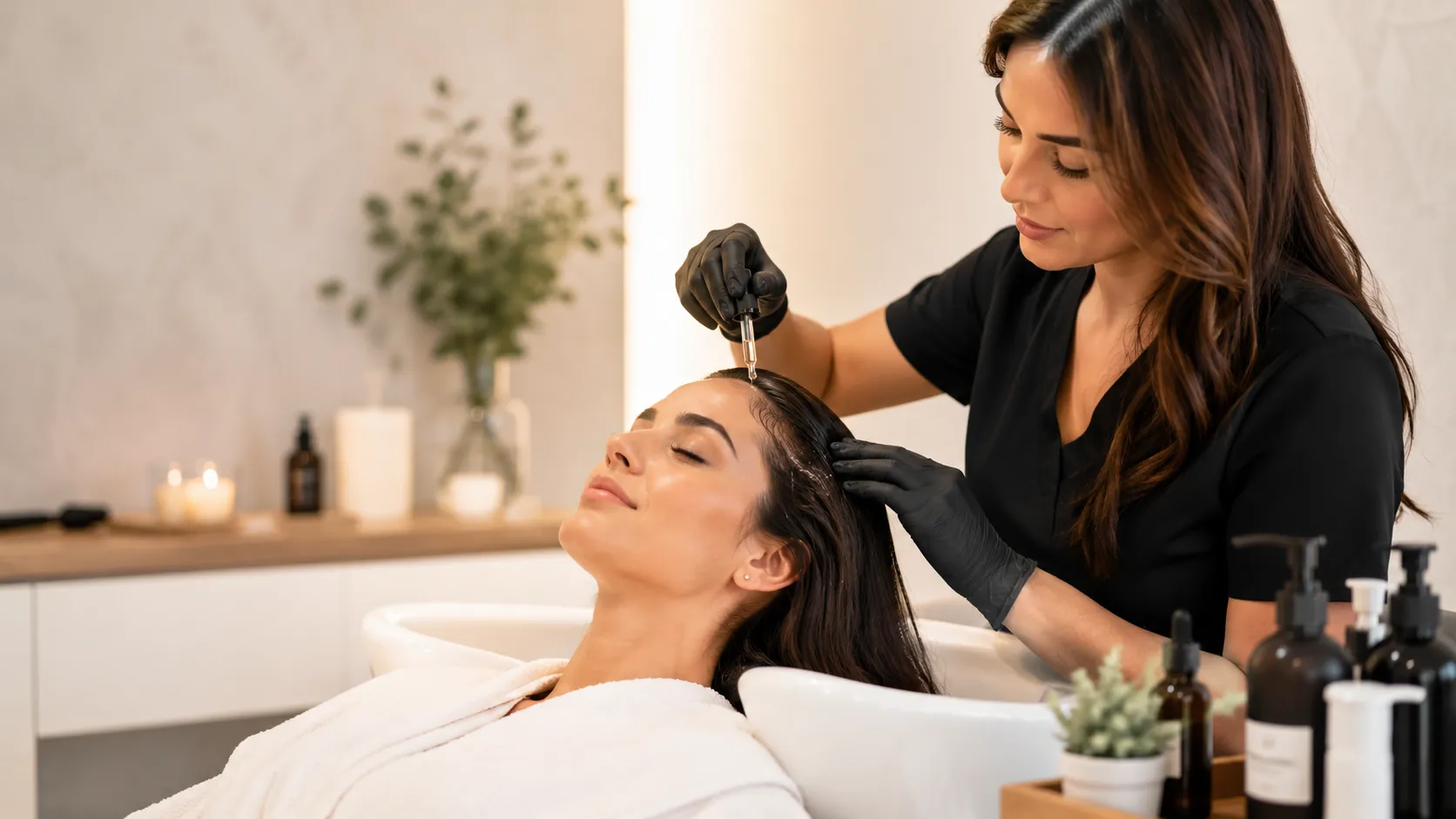
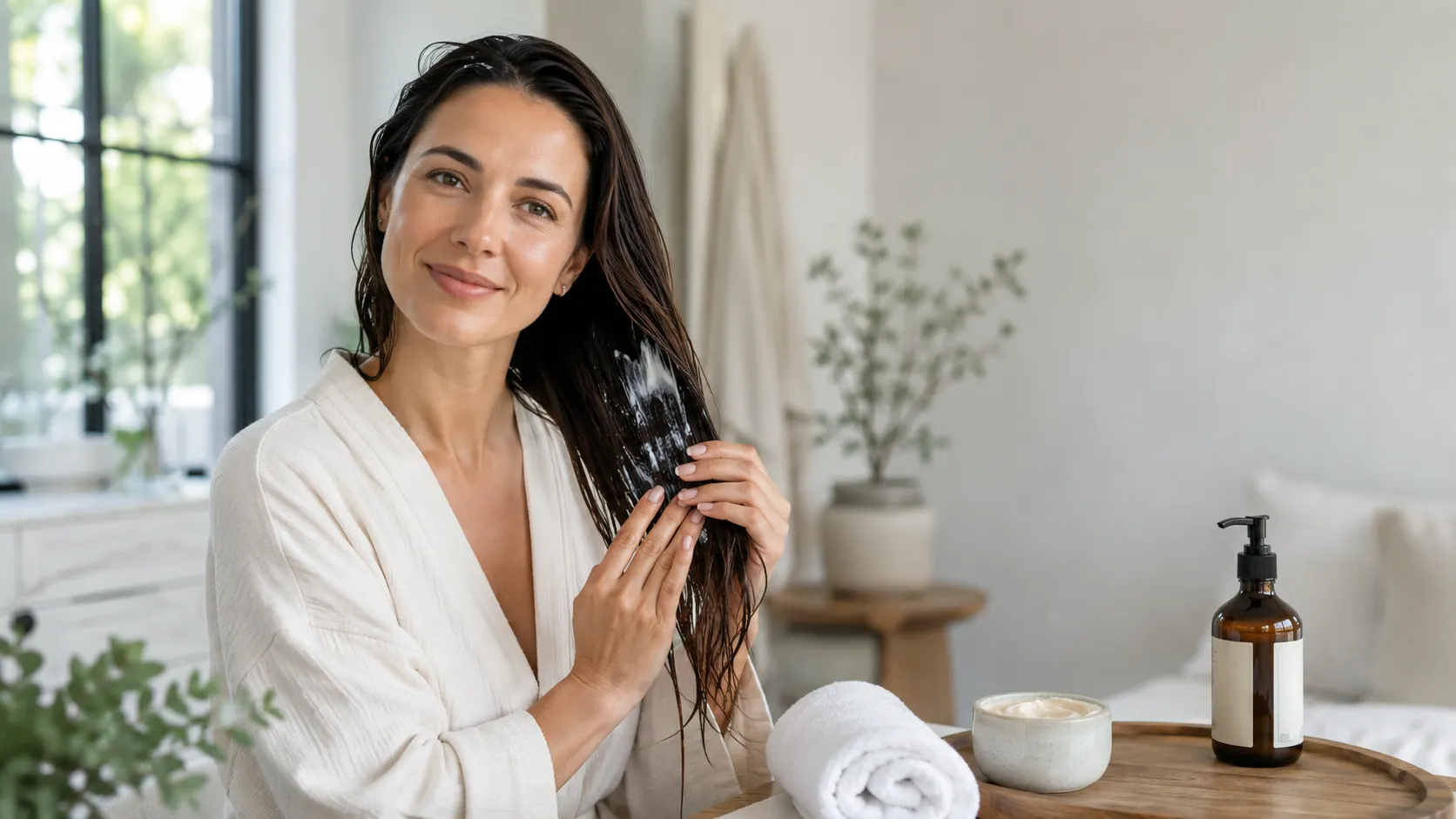
A scalp treatment is a professional service that deep-cleanses, exfoliates, hydrates, and rebalances your scalp, much like a facial for your head. It removes product buildup, unclogs follicles, improves circulation, and soothes issues like dandruff, dryness, and oiliness, creating a healthier environment for hair to grow. Most people benefit from one every four to six weeks, and treatments range from an affordable salon add-on to a dedicated head-spa session.
Healthy hair starts at the scalp, yet most of us pour all our attention into our strands and ignore the skin they grow from. A scalp treatment, sometimes called a scalp facial, gives that overlooked foundation the deep cleanse and care it needs. If your hair feels dull, your scalp gets flaky or oily, or you are simply curious about the trend, here is everything to know about getting a scalp treatment near you.
Healthy hair starts at the scalp, yet most of us pour all our attention into our strands and ignore the skin they grow from. A scalp treatment, sometimes called a scalp facial, gives that overlooked foundation the deep cleanse and care it needs. If your hair feels dull, your scalp gets flaky or oily, or you are simply curious about the trend, here is everything to know about getting a scalp treatment near you.
Key Takeaways
- A scalp treatment cleanses, exfoliates, hydrates, and rebalances the scalp to support healthy hair.
- It removes buildup, unclogs follicles, boosts circulation, and can ease dandruff, dryness, and oiliness.
- It is not a medical cure for hair loss, but a healthy scalp creates better conditions for growth.
- Most people benefit every four to six weeks, more often for active dandruff or oiliness.
- Professional treatments offer deeper cleansing and expert analysis, while home care maintains results.
What is a scalp treatment?
A scalp treatment is a dedicated service designed to cleanse, exfoliate, nourish, and rebalance the skin on your head, just as a facial cares for the skin on your face. Your scalp has its own skin type, whether oily, dry, or combination, and its own needs. A typical treatment follows a few steps:
- Analysis, where a specialist examines your scalp for dryness, buildup, oiliness, or sensitivity, sometimes with a magnifying camera
- Cleansing to remove excess oil, sweat, and product residue
- Exfoliation with a scrub or gentle chemical exfoliant to clear dead skin
- A scalp massage that boosts circulation and feels wonderfully relaxing
- A nourishing mask or serum chosen for your scalp's needs
- Aftercare advice and product suggestions
Think of your scalp as the soil your hair grows from. If it is clogged, dry, or out of balance, even healthy strands struggle.
Why does scalp health matter?
Your scalp holds tens of thousands of hair follicles, and each one needs a clean, balanced environment to produce strong hair. When follicles get clogged with oil, sweat, dead skin, and product buildup, hair can grow weaker, look dull, or shed more easily. An unhealthy scalp is also behind common frustrations like dandruff, itchiness, and excess oil. By caring for the scalp directly, you support everything that grows from it.
The Benefits
A good scalp treatment offers both visible and feel-good results:
- Removes buildup and detoxifies the scalp
- Unclogs follicles so nutrients absorb better
- Improves circulation to the roots
- Balances oil production, helping both oily and dry scalps
- Reduces dandruff, flakes, itchiness, and irritation
- Adds shine, softness, and body to your hair
- Supports a healthy environment for growth
- Relieves stress, thanks to the soothing massage
It is worth being honest about one thing: a scalp treatment is not a medical cure for hair loss conditions like alopecia. What it can do is clear buildup and create the conditions for healthier growth, and buildup-related shedding often improves once the follicle environment is clean.
What are the signs you need one?
Many people do not realize their scalp needs attention until symptoms appear. Consider a treatment if you notice:
- Persistent dandruff or flakes
- An oily scalp that feels greasy soon after washing
- Dryness, tightness, or itchiness
- Hair thinning or more shedding than usual
- Dull, lifeless hair despite good products
- Redness or sensitivity
- A feeling that you have tried everything at home with no luck
If your hair products have stopped working, the issue may be your scalp rather than your strands.
What are the types of scalp treatments?
Treatments are customized to your scalp's needs. Common types include:
- Exfoliating scrubs using ingredients like sea salt or sugar to clear dead skin and buildup
- Balancing treatments with clay or charcoal to manage oily scalps
- Anti-dandruff therapies using ingredients like zinc pyrithione or tea tree to ease flakes
- Detox treatments that purify the scalp of pollutants and residue
- Hydrating treatments with aloe, glycerin, or hyaluronic acid for dry scalps
- Strengthening or stimulating treatments that nourish follicles
A good provider matches the treatment to your scalp type and concern rather than using a one-size-fits-all approach.
What does it cost near you?
Scalp treatment pricing varies widely depending on the depth of service. A quick scalp treatment offered as a salon add-on, often 10 to 20 minutes, is usually modest in price. A dedicated head-spa experience, which can run 60 to 90 minutes and include a camera analysis, massage, and written care plan, costs more and is priced as a standalone luxury service. When booking, ask exactly what is included so you know whether you are getting a quick add-on or a full experience, and factor in a tip as you would for other salon services.
How often should you get one?
For most people, a scalp treatment every four to six weeks keeps things balanced. If you have an oily or flake-prone scalp, you may benefit from more frequent care, and even a healthy scalp gains from an occasional maintenance session. Your provider can recommend a rhythm based on your scalp type and goals.
Professional vs at-home care: which do you need?
Both have a place in a healthy-scalp routine:
- Professional treatments offer deeper cleansing, expert analysis, and customized products. They are ideal for assessing what is really going on and resetting your scalp.
- At-home care maintains results between visits. A gentle, sulfate-free shampoo, weekly scalp exfoliation, a scalp serum, and a scalp massager go a long way.
Match products to your concern: zinc pyrithione for dandruff, hydrating ingredients like aloe and hyaluronic acid for dryness, and clarifying or balancing formulas for oiliness. A scalp scrub, a nourishing scalp serum, a sulfate-free shampoo, and a simple scalp massager are exactly the kind of affordable staples we recommend across The Fern Edit to keep your scalp healthy between treatments.
Free printable: Download our Scalp Type and Home Care Guide, with a quick scalp-type quiz, ingredient cheat sheet, and a weekly scalp-care routine.
Common Mistakes Women Make
- Treating the hair but ignoring the scalp. Buildup, dryness, and oil at the root affect every strand, so the scalp deserves direct care.
- Over-washing or over-exfoliating. Stripping the scalp too often can trigger more oil or irritation. Match frequency to your scalp type.
- Using the wrong products for your scalp type. Heavy creams on an oily scalp, or harsh clarifiers on a dry one, make things worse.
- Expecting it to cure hair loss. A scalp treatment supports healthy growth, but genuine hair loss needs a dermatologist.
- Skipping a professional assessment. If home care is not working, an expert analysis can reveal what is really going on.
When should you see a dermatologist?
A scalp treatment is a wellness service, not a medical one. See a board-certified dermatologist if you have persistent or severe dandruff, ongoing itching or redness, painful or scaly patches, or noticeable hair thinning or loss. These can signal conditions like seborrheic dermatitis, psoriasis, or other issues that need professional diagnosis and care. A salon treatment can complement medical care, but it should not replace it when something is genuinely wrong.
Final Takeaway
A scalp treatment gives the foundation of your hair the care it deserves, clearing buildup, balancing oil, and creating a healthier environment for strong, shiny strands. It is not a cure for hair loss, but for buildup, dandruff, and general scalp wellness, the results can be both visible and deeply relaxing. Pair an occasional professional treatment with simple home care, and see a dermatologist for anything persistent, and your scalp, and your hair, will thank you.
This article is for general beauty and self-care education only and is not medical advice. For persistent dandruff, scalp conditions, or hair loss, please see a licensed dermatologist.
 📌 Save
Love this guide? Save it 📌
Pin it to your favorite board so it's easy to find again — and share it with a friend who'd love it too.
Save to PinterestFrequently asked questions
What does a scalp treatment do?
It deep-cleanses, exfoliates, hydrates, and rebalances the scalp, removing buildup, unclogging follicles, boosting circulation, and easing issues like dandruff and oiliness. The result is a healthier scalp environment and often shinier, more comfortable hair.
How much does a scalp treatment cost near me?
It varies widely. A salon add-on of 10 to 20 minutes is usually modest, while a dedicated head-spa session of 60 to 90 minutes with analysis and a care plan costs more as a standalone luxury service. Ask what is included before booking.
Does a scalp treatment help with hair growth?
It creates better conditions for growth by clearing follicles, balancing oil, and improving circulation, and buildup-related shedding often improves. It is not a medical treatment for hair loss conditions like alopecia, which need a dermatologist.
How often should I get a scalp treatment?
Most people benefit every four to six weeks. Oily or flake-prone scalps may need more frequent care, while a healthy scalp gains from occasional maintenance. Your provider can tailor the frequency to your scalp type.
Who needs a scalp treatment?
Anyone with dandruff, excess oil, dryness, itchiness, thinning, dull hair, or product buildup can benefit, as can anyone simply maintaining hair wellness. If home products have stopped working, your scalp may be the reason.
Can I do a scalp treatment at home?
Yes, for maintenance. A sulfate-free shampoo, weekly scalp exfoliation, a nourishing scalp serum, and a scalp massager keep your scalp balanced. Professional treatments still offer deeper cleansing and expert analysis when you need a reset.
We cite sources and update this guide regularly.