The best self-care planner templates include a daily planner (for structuring your day around small care habits), a weekly planner (to schedule a few intentional self-care moments), a monthly planner (for the bigger picture and reflection), and routine sheets (morning and evening). To actually use them, start with just one, plan realistically (a few small things, not a packed list), pair self-care with existing habits, and review gently each week. Keep it simple and flexible, and it will stick.
A self-care planner can be the difference between meaning to take care of yourself and actually doing it. The catch is that a planner only works if you use it, and plenty of beautiful planners end up abandoned by week two. The good news is that with the right type of planner and a realistic, low-pressure approach, a self-care planner becomes a genuinely supportive tool rather than one more thing you feel guilty about ignoring. The trick is choosing one that fits your life and using it gently.
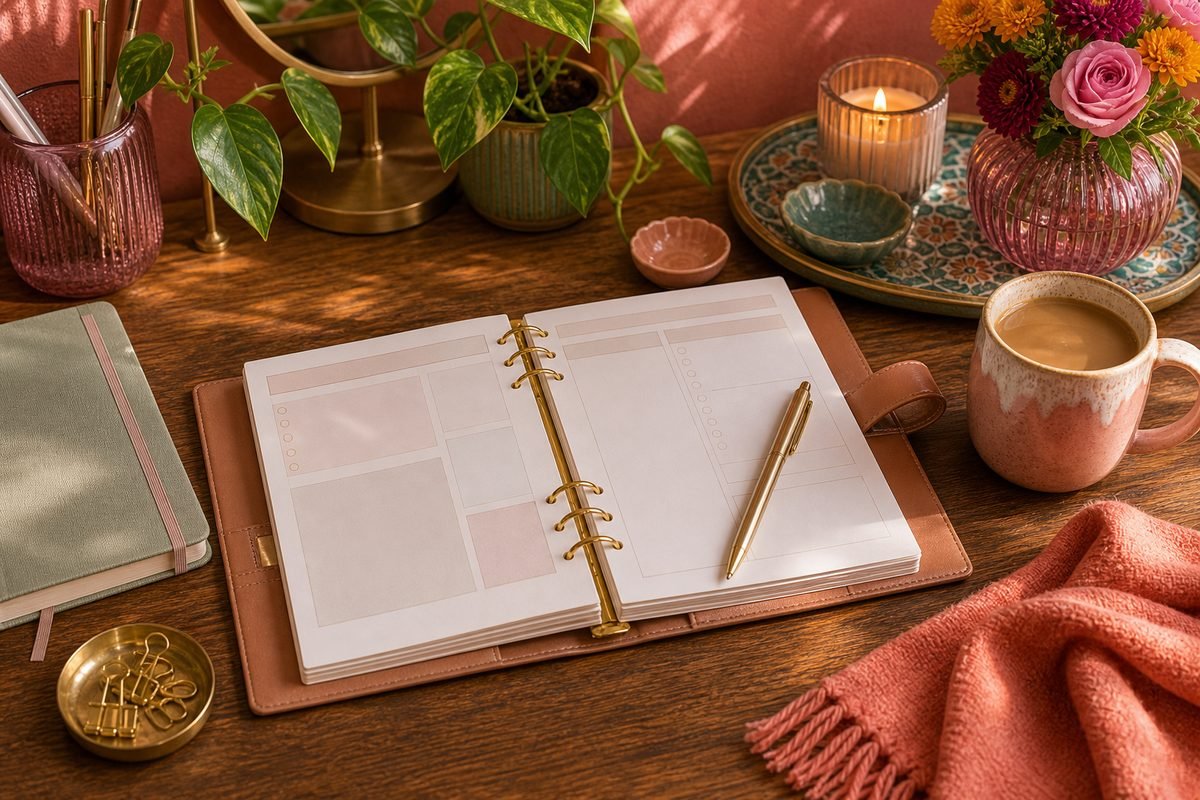
A self-care planner can be the difference between meaning to take care of yourself and actually doing it. The catch is that a planner only works if you use it, and plenty of beautiful planners end up abandoned by week two. The good news is that with the right type of planner and a realistic, low-pressure approach, a self-care planner becomes a genuinely supportive tool rather than one more thing you feel guilty about ignoring. The trick is choosing one that fits your life and using it gently.
Here are the best self-care planner templates and, just as importantly, how to actually use them so they stick.
Key Takeaways
- The core planners: daily, weekly, monthly, and routine sheets.
- A weekly planner is the easiest place to start for most people.
- Plan a few small, realistic things, not an overwhelming list.
- Pair self-care with habits you already have to make it automatic.
- Review and adjust gently each week, with no guilt for missed days.
- A planner you actually use beats a perfect one you abandon.
Why Use a Self-Care Planner?
A self-care planner gives your wellbeing a place on the page, which makes it far more likely to happen. When self-care is just a vague intention, it gets pushed aside by everything more urgent. When it is written into your day or week, it becomes a real, visible commitment, like any appointment. A planner also helps you be intentional, choosing what kind of care you actually need rather than scrolling aimlessly and calling it rest. And it lets you reflect on what is working. For busy women especially, a planner turns scattered good intentions into a simple, doable routine. It is structure in service of taking care of yourself.
The Main Types of Self-Care Planners

Self-care planners come in a few main formats, each suited to different needs:
- Daily planner: structures your day around small self-care habits and tasks.
- Weekly planner: schedules a handful of intentional self-care moments across the week.
- Monthly planner: offers the bigger picture, goals, and reflection.
- Routine sheets: anchor your morning and evening with grounding habits.
- Self-care plan template: maps out your overall self-care across different areas of life.
You do not need every type. Most people do best starting with one (usually the weekly planner) and adding others only if they prove useful. Choosing the right format for how you think is half the battle.
The Daily Self-Care Planner
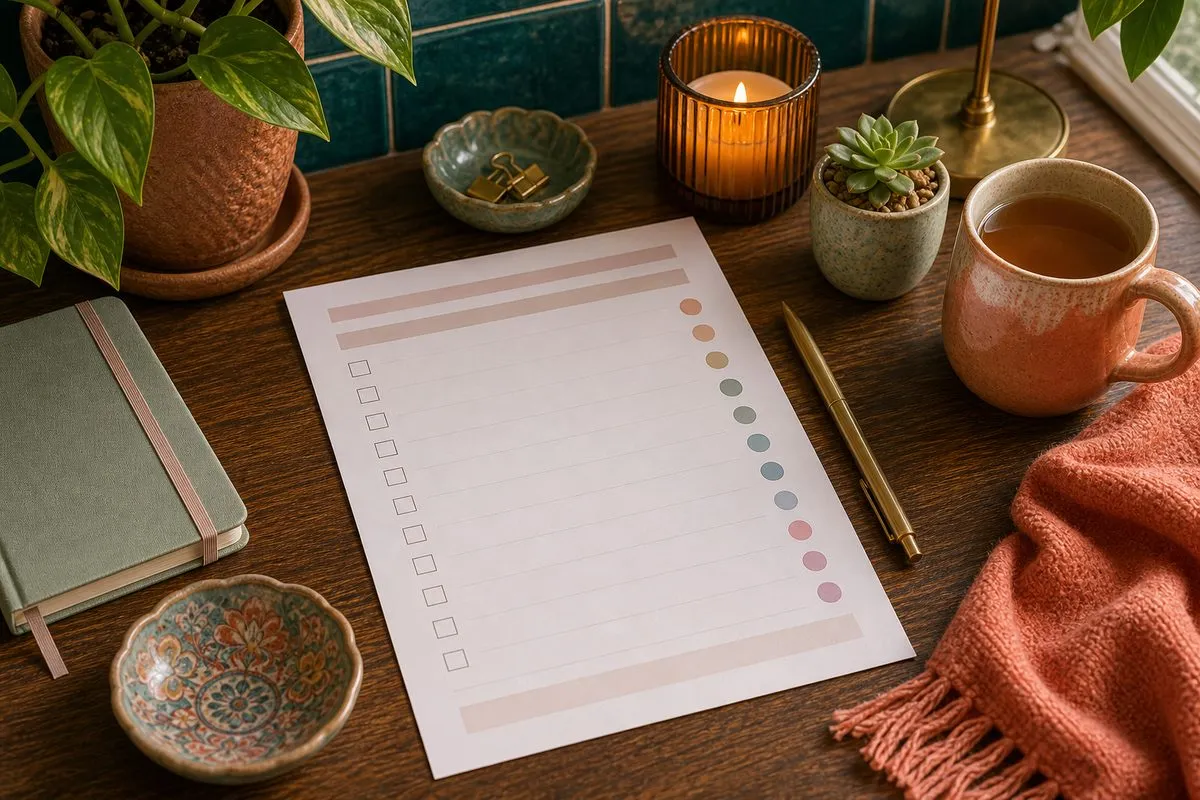
A daily self-care planner helps you weave small acts of care through your day. It typically includes space for the day's priorities alongside gentle self-care prompts, like a moment of movement, a glass of water, a few minutes outside, or one thing you are grateful for. Daily planners suit people who like detail and structure and want self-care built into their everyday rhythm. The benefit is that it keeps wellbeing front of mind all day, not just as an afterthought. The risk is over-planning, so keep your daily self-care items few and realistic, just a couple of small, kind things rather than a packed checklist that adds pressure.
The Weekly Self-Care Planner

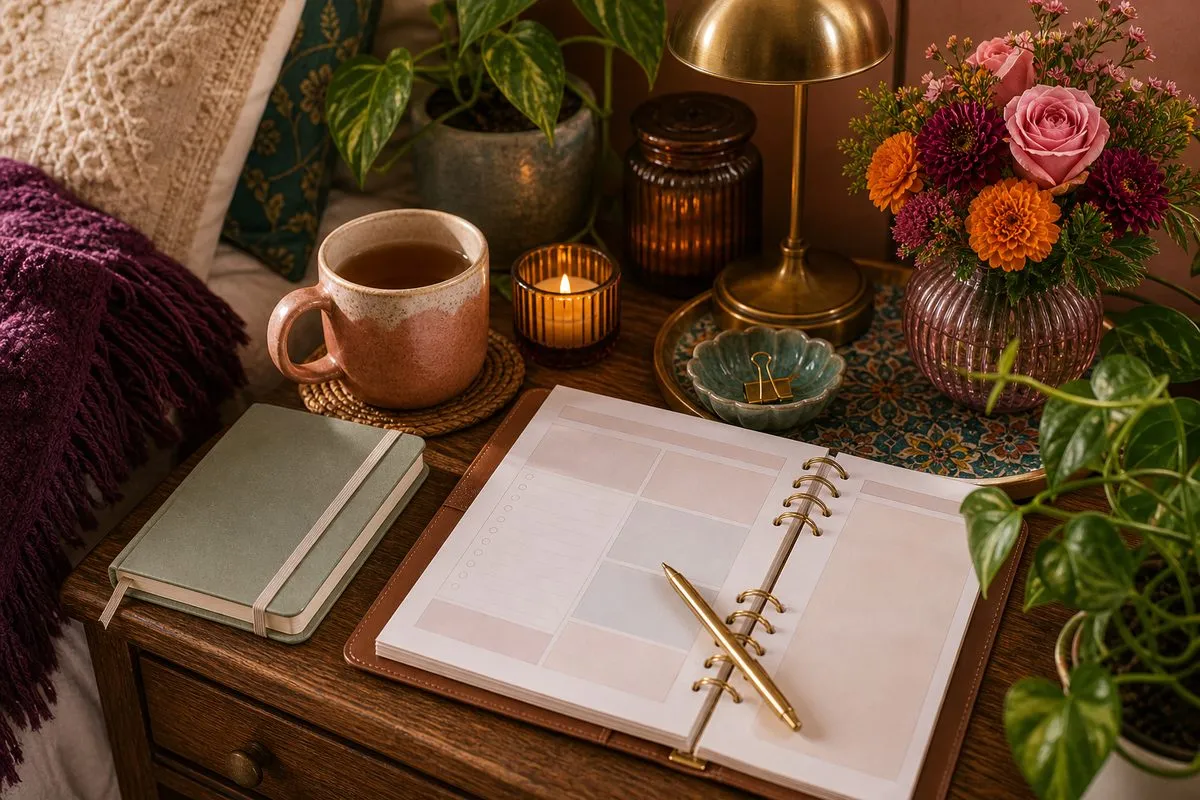
The weekly self-care planner is the most popular and, for most people, the best place to start. It gives you a view of your whole week, so you can intentionally schedule a few self-care moments around your commitments, perhaps a walk on Tuesday, an early night on Thursday, and time with a friend on the weekend. This works because scheduled self-care actually happens, while spontaneous good intentions often do not, and a week is a manageable window to plan and review. The weekly planner strikes a lovely balance between structure and flexibility, making it ideal for building a consistent self-care routine without feeling overwhelmed. If you try just one planner, make it this.
The Monthly Self-Care Planner
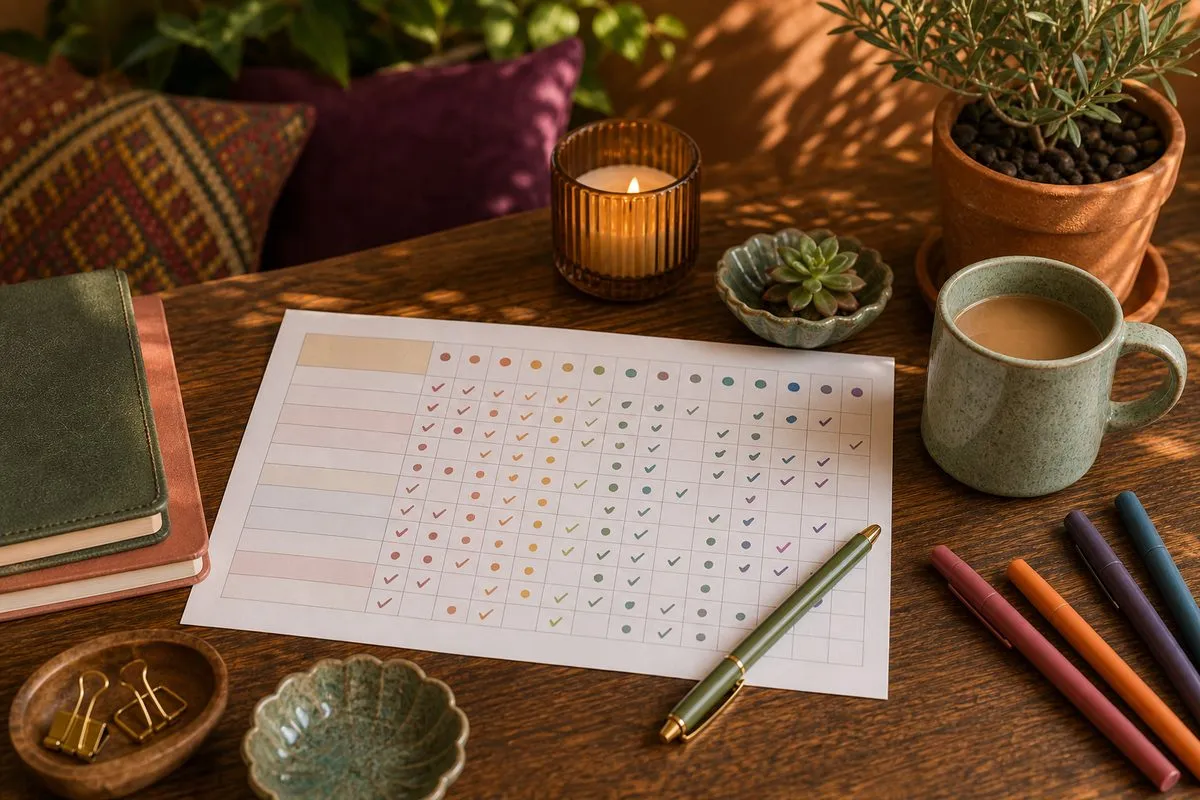
A monthly self-care planner zooms out to the bigger picture. It is great for setting gentle monthly intentions (like "rest more" or "move my body three times a week"), planning ahead for busy or stressful periods, and reflecting at the end of the month on what helped you feel your best. Monthly planners pair beautifully with weekly ones, the monthly view sets the direction, and the weekly view handles the details. They suit people who like to reflect and plan with a wider lens. A monthly self-care planner helps you notice patterns over time and approach your wellbeing with a little more intention and self-awareness, month by month.
Morning and Evening Routine Sheets
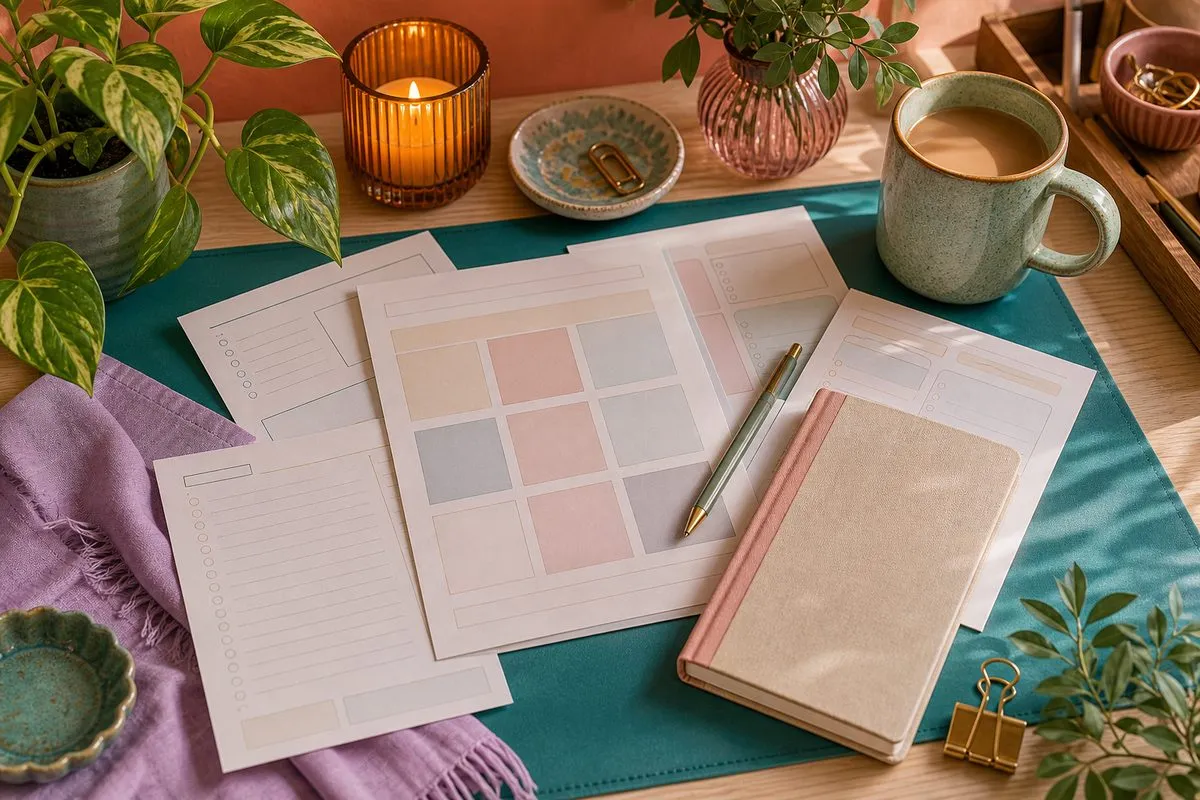
Routine sheets anchor the start and end of your day with calming, grounding habits. A morning routine sheet might include gentle, positive ways to begin, such as hydrating, a few minutes of stretching or quiet, and setting an intention. An evening routine sheet helps you wind down, with prompts like a skincare step, reflecting on the day, or putting your phone away before bed. These printables work because consistent morning and evening routines create a sense of calm and stability that supports your whole day. They are especially helpful if your days feel chaotic, since bookending them with intentional care gives you reliable moments of peace. Routines are quiet anchors.
The Self-Care Plan Template
A self-care plan template takes a wider view, helping you map out how you care for yourself across the different areas of life, physical, emotional, mental, social, and so on. It prompts you to identify what nourishes you in each area and to plan small, realistic actions for each. This is wonderful for getting a clear picture of where your self-care is strong and where it might need a little more attention, so your routine is balanced rather than focused on just one area. A self-care plan is more of a foundational, occasional exercise than a daily tool, perfect for setting up or refreshing your overall approach to caring for yourself.
How to Actually Use a Self-Care Planner

Here is where most planners succeed or fail. To make yours stick:
- Start with just one planner, usually the weekly, rather than a whole system.
- Plan realistically, a few small, doable things, not an ambitious, packed list.
- Pair self-care with existing habits (like journaling with your morning coffee) so it becomes automatic.
- Fill it in at a set time each day or week, so it becomes a gentle ritual.
- Review gently, noticing what worked without guilt over what you skipped.
- Adjust as you go, since the best planner is the one that fits your real life.
Used this way, a planner supports you instead of becoming another obligation. Simplicity and kindness are what make it last.
Tips for Sticking With It
A few extra tips help your planner become a lasting habit. Keep it somewhere visible so it prompts you naturally, and choose a format you genuinely enjoy looking at. Do not aim for perfection; a planner used imperfectly is infinitely better than a perfect one abandoned. Celebrate small wins rather than focusing on missed days. Start with a single small habit and build slowly. And remember the planner serves you, not the other way around, so adapt it freely. The women who stick with self-care planners are not the most disciplined; they are the ones who keep it simple, flexible, and kind to themselves. That approach works for anyone.
Digital vs Printed Planners

You can use self-care planners on paper or digitally. Printed planners offer a satisfying, screen-free experience, and the physical act of writing can feel grounding and intentional; you can keep them in a binder or on your desk. Digital planners, used in apps like GoodNotes on a tablet, are reusable, portable, and always with you, and you can tweak them endlessly without reprinting. Both are excellent, so choose based on whether you prefer the feel of paper or the convenience of digital. Some people use a printed weekly planner while keeping a digital monthly view. The best choice is simply the one you will actually use consistently.
Common Mistakes
- Starting with a whole planner system. Begin with one, usually the weekly.
- Over-planning self-care. A few small things beat a packed, pressuring list.
- Aiming for perfection. An imperfectly used planner still works beautifully.
- Choosing a format you don't enjoy. Pick one you like looking at.
- Treating it as another obligation. The planner serves you, not the reverse.
Final Takeaway
A self-care planner is one of the simplest ways to turn good intentions into a real routine, as long as you choose the right type and use it kindly. For most people, a weekly planner is the perfect starting point, with daily, monthly, and routine sheets to add later if they help. The secret to actually sticking with it is to start small, plan realistically, pair self-care with habits you already have, and review gently without guilt. Whether you love paper or prefer a digital tablet, the best planner is the one you will genuinely use. Grab a free template, keep it simple, and let your planner help self-care become a natural part of your week.
This article is for general self-care and wellness inspiration only and is not medical or mental health advice. If you are struggling with your wellbeing, please reach out to a qualified professional or someone you trust.
 📌 Save
Love this guide? Save it 📌
Pin it to your favorite board so it's easy to find again — and share it with a friend who'd love it too.
Save to PinterestFrequently asked questions
What is a self-care planner?
A self-care planner is a template (daily, weekly, monthly, or routine) that helps you plan and schedule self-care so it actually happens. It gives your wellbeing a place on the page, making it a real, visible commitment rather than a vague intention. You can use one on paper or digitally on a tablet.
Which self-care planner should I start with?
A weekly self-care planner is the best starting point for most people. It lets you intentionally schedule a few self-care moments around your commitments, and a week is a manageable window to plan and review. Start with just one planner rather than a whole system.
How do I actually stick with a self-care planner?
Start with one planner, plan a few small realistic things (not a packed list), pair self-care with existing habits, fill it in at a set time, and review gently without guilt over missed days. Keep it simple and flexible, and choose a format you genuinely enjoy using.
How often should I use my self-care planner?
It depends on the type. A daily planner is filled in each day, a weekly planner is planned and reviewed once a week, and a monthly planner is used to set intentions and reflect monthly. The key is consistency at whatever rhythm you choose, done gently rather than perfectly.
Are digital or printed self-care planners better?
Both work well. Printed planners offer a satisfying, screen-free, grounding experience, while digital planners (in apps like GoodNotes on a tablet) are reusable, portable, and easy to tweak. Choose based on whether you prefer paper or digital convenience, since the best one is the one you will actually use.
What should a weekly self-care planner include?
Space to see your whole week, with room to schedule a few intentional self-care moments around your commitments, such as a walk, an early night, or time with a friend. The best ones keep it simple and flexible, with room to plan a few small, realistic acts of care rather than an overwhelming list.
Where can I find free self-care planner templates?
You can find free self-care planner templates here on The Fern Edit, along with other sites. Free templates are perfect for trying different formats and building a routine without spending anything. Most people find free planners cover everything they need to start caring for themselves consistently.

We cite sources and update this guide regularly.