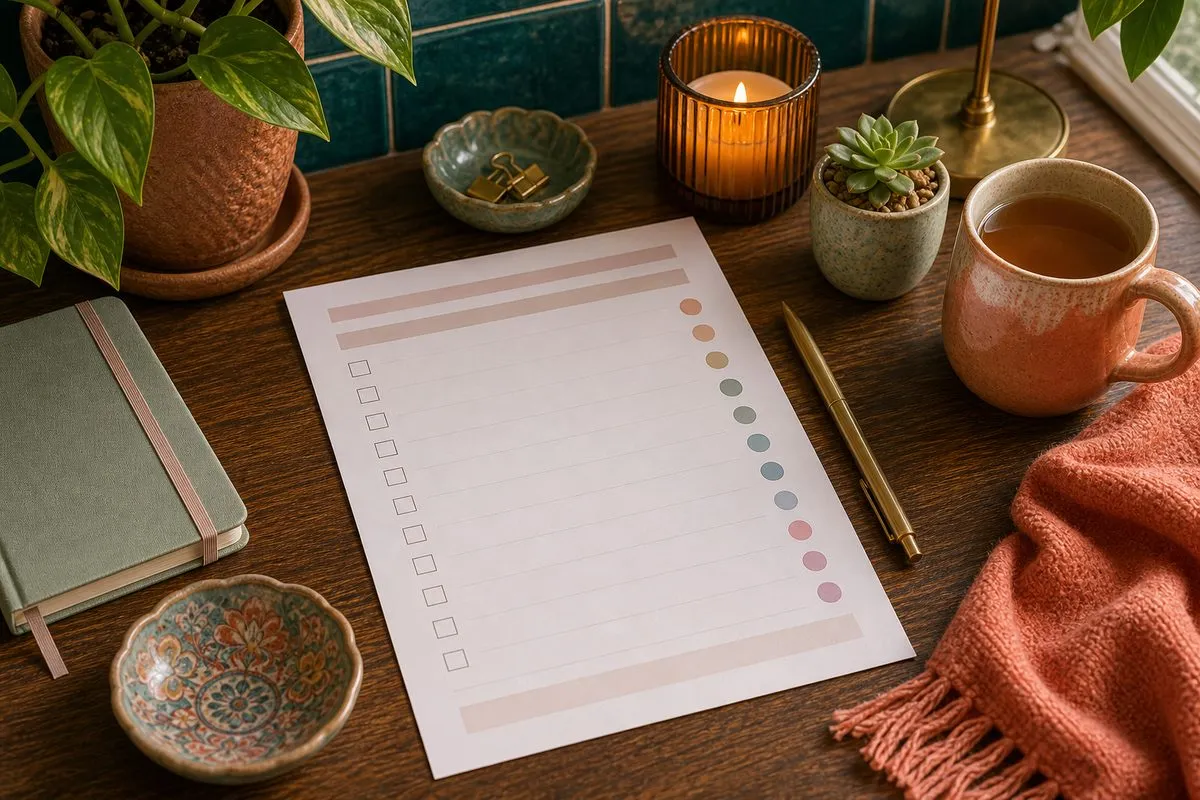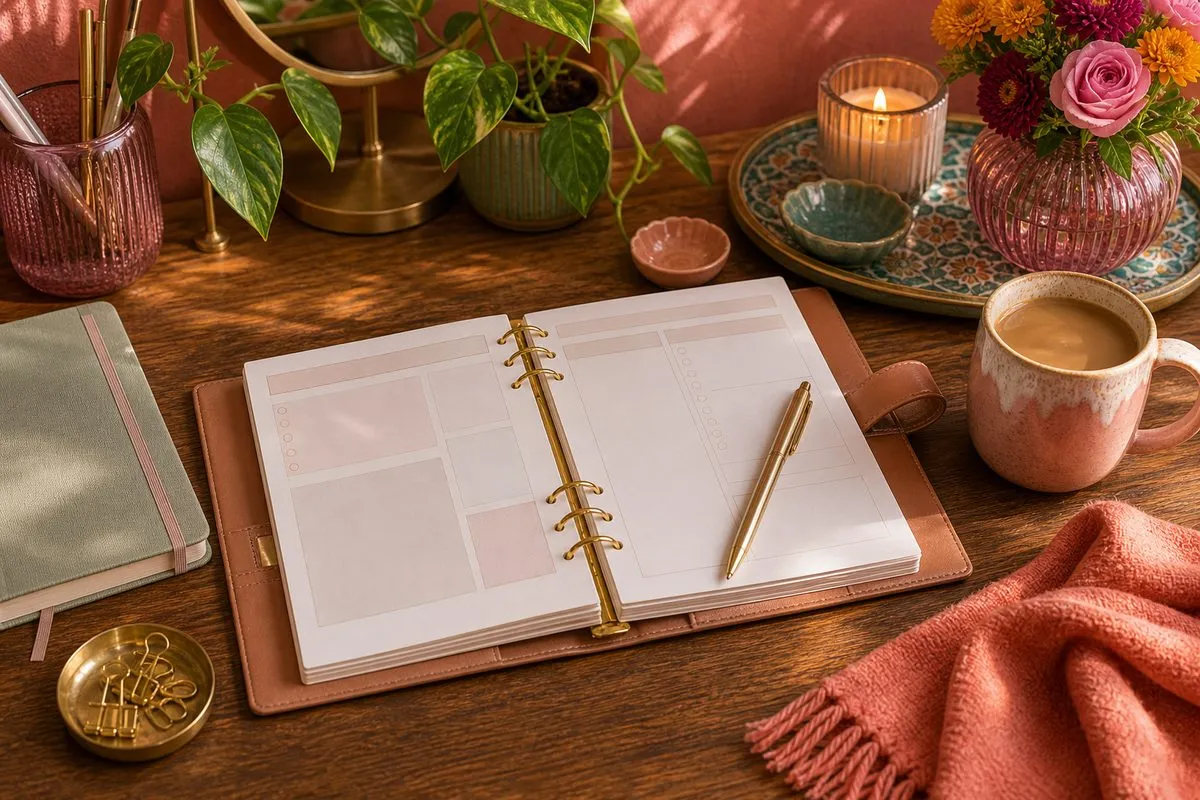
A habit tracker is a simple printable where you mark off a habit each time you do it, making your progress visible and motivating. They work because seeing your streak grow creates a small sense of reward that keeps you going. To build habits that stick, track just one to three small, specific habits at a time, make them tiny and easy, attach them to existing routines, and be kind to yourself on missed days. Consistency over time, not perfection, is what builds lasting habits.
We all have habits we would love to build, drinking more water, moving our bodies, reading before bed, taking a moment to breathe, and we all know how easily they slip away. This is exactly where a habit tracker earns its keep. By giving you a simple way to see your habits and check them off each day, a habit tracker turns vague good intentions into visible, satisfying progress. It is one of the most effective and gentle tools for building habits that actually last, and it costs nothing to start.
We all have habits we would love to build, drinking more water, moving our bodies, reading before bed, taking a moment to breathe, and we all know how easily they slip away. This is exactly where a habit tracker earns its keep. By giving you a simple way to see your habits and check them off each day, a habit tracker turns vague good intentions into visible, satisfying progress. It is one of the most effective and gentle tools for building habits that actually last, and it costs nothing to start.
Here is how habit tracker printables work, which habits to track, and how to use them so your new habits truly stick.
Key Takeaways

- A habit tracker makes your progress visible and motivating.
- Seeing a streak grow gives a small reward that builds momentum.
- Start with just one to three small, specific habits.
- Make habits tiny and attach them to things you already do.
- Missing a day is normal; kindness beats all-or-nothing thinking.
- Consistency over time builds habits, not perfection.
What Is a Habit Tracker?
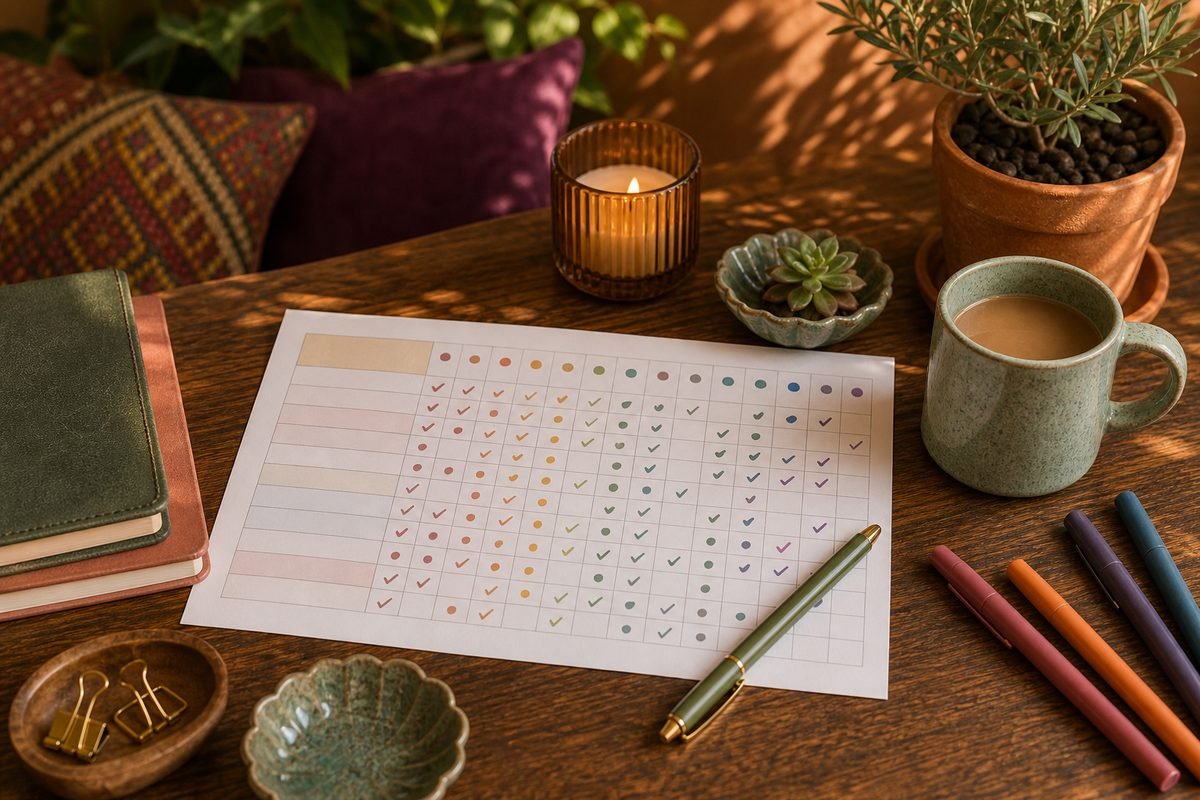
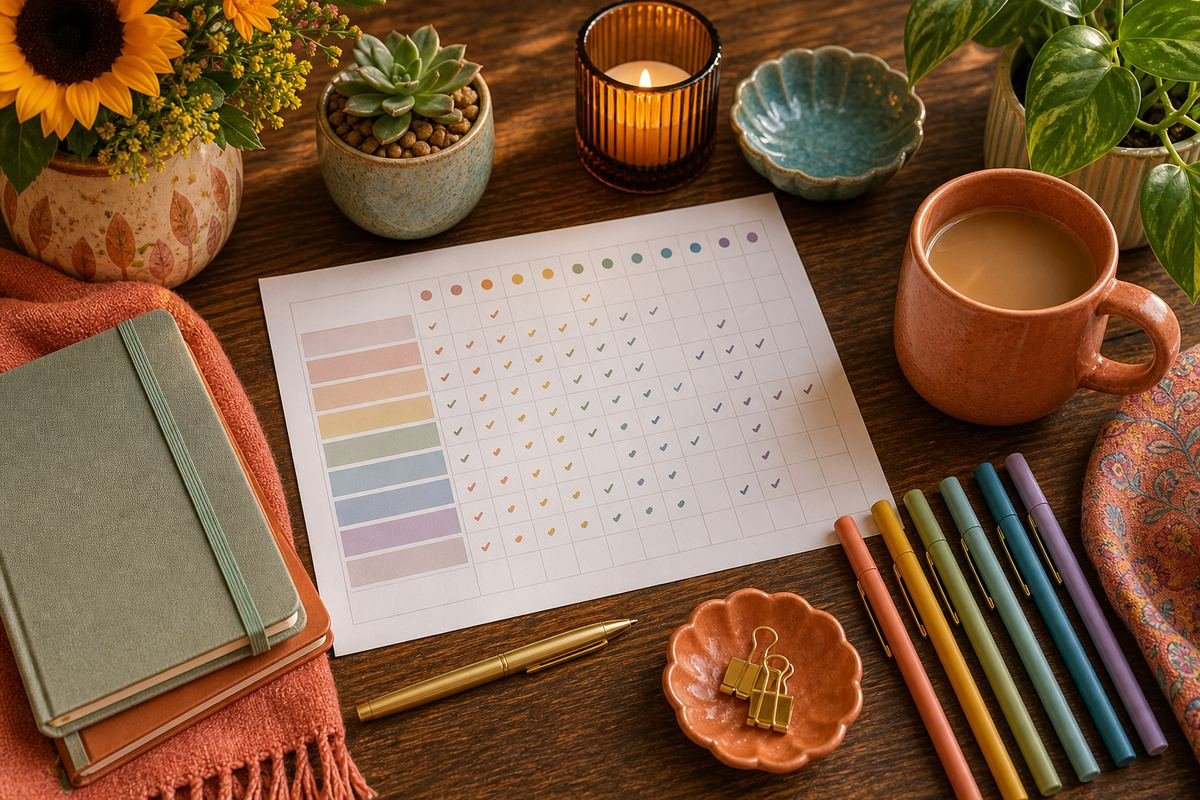
A habit tracker is a simple chart or printable where you record each time you complete a habit, usually by marking a box, circle, or square for the day. Over time, your completed days form a visible pattern (often a streak), which shows your progress at a glance. Habit trackers can cover a single habit or several at once, daily or over a week or month. They are popular because they make habit-building tangible and motivating, turning an abstract goal like "drink more water" into a satisfying daily action you can see yourself doing. Essentially, a habit tracker gives your good intentions a place to live and grow.
Why Habit Trackers Work

There is real psychology behind why trackers help. Marking off a completed habit gives you a small sense of accomplishment, a little reward that motivates you to keep going. Watching a streak build creates momentum and a gentle "don't break the chain" pull that encourages consistency. Trackers also make your progress visible, so you can actually see how far you have come, which is encouraging on days you feel like you are not making progress. And the simple act of tracking keeps the habit front of mind, so you are more likely to remember it. For many people, this visibility and reward loop is the difference between a habit fading and a habit sticking.
The Types of Habit Tracker Printables
Habit tracker printables come in several formats to suit different goals:
- Daily habit tracker: focuses on the habits you want to do every day.
- Weekly habit tracker: tracks habits across a single week.
- Monthly habit tracker: shows a whole month at a glance, great for seeing patterns.
- Single-habit tracker: dedicated to building one important habit.
- Multi-habit tracker: tracks several habits side by side.
- Habit grid or chain: a visual grid you fill in to "build the chain."
You do not need every type. Most people do well with a simple monthly tracker for a few habits, or a single-habit tracker when focusing on one important change. Choose the format that feels clearest and most motivating to you.
Which Habits to Track

The habits you choose matter as much as the tracking. The best habits to track are small, specific, positive, and genuinely meaningful to you. Rather than vague goals, pick clear actions like "drink a glass of water in the morning," "step outside for five minutes," "read a page before bed," or "do one kind thing for myself." Focus on adding gentle, supportive habits rather than strict rules, and choose ones that nourish your wellbeing. Avoid tracking things in a way that could feel punishing or obsessive; the aim is to support yourself, not to police yourself. A few small, kind habits you actually want are far better than a long list of shoulds.
How to Use a Habit Tracker
Using a habit tracker well is simple:
- Choose one to three habits, not a whole long list, so you can focus.
- Make each habit small and specific so it feels easy to do.
- Mark it off each time you complete it, ideally at a consistent time.
- Keep your tracker visible so it prompts you naturally.
- Review gently at the end of the week or month, noticing your progress.
- Adjust as needed, swapping habits that no longer fit.
The key is to keep it simple and start small. A tracker with a couple of doable habits you actually complete is far more powerful than an ambitious one you abandon. Build slowly, and add habits only once the first ones feel natural.
The Science of Building Habits

Habits form through repetition and a simple loop: a cue (something that triggers the habit), the routine (the habit itself), and a reward (the good feeling that follows). When you repeat this loop consistently, the behavior gradually becomes more automatic. A habit tracker supports this by acting as both a cue (a visible reminder) and a reward (the satisfaction of marking it off). Habits take time and consistency to form, often longer than people expect, so patience matters. The encouraging truth is that you do not need to be perfect; consistency over time, with the occasional missed day, is what gradually wires a habit into your routine. Repetition plus a small reward is the recipe.
How to Make Habits Stick
A few proven strategies make habits far more likely to last. Start tiny, since a habit so small it feels almost too easy is one you will actually keep doing, and you can grow it later. Attach a new habit to an existing one (called habit stacking), like doing a few stretches right after your morning coffee, so the existing routine becomes the cue. Make the habit obvious and easy by setting things up in advance. Focus on consistency over intensity, a little every day beats a lot occasionally. And track it, which keeps it visible and rewarding. These small strategies, more than willpower, are what turn an intention into a lasting habit.
Being Kind to Yourself

This is the most important part, and the one people often miss. A habit tracker is meant to support and encourage you, not to make you feel guilty. Missing a day (or several) is completely normal and does not mean you have failed; the goal is to get back to your habit, not to keep a perfect record. Avoid all-or-nothing thinking, where one missed day makes you give up entirely, since progress is built over weeks and months, not measured by a single break in the chain. If tracking ever starts to feel like pressure or self-criticism, simplify it or take a break. Self-compassion is what makes habit-building sustainable and genuinely good for you.
Digital vs Printed Trackers
You can use habit trackers on paper or digitally. Printed trackers offer a satisfying, tactile experience, the physical act of coloring in a box or marking an X can feel rewarding, and a tracker on your fridge or desk is a constant gentle reminder. Digital trackers, in apps or on a tablet, are reusable, portable, and can send reminders, which some people find helpful. Both work well, so choose based on what you will actually keep up with. Some people love the simplicity of a printed monthly grid on the wall, while others prefer everything in one device. The best tracker is simply the one you enjoy using and will return to each day.
Common Mistakes

- Tracking too many habits at once. Start with one to three, not ten.
- Choosing habits that are too big. Make them tiny and specific.
- All-or-nothing thinking. A missed day is normal; just begin again.
- Hiding the tracker away. Keep it visible so it prompts you.
- Letting it become pressure. If it feels like self-criticism, simplify or pause.
Final Takeaway
A habit tracker is a simple, powerful, and gentle way to build the healthy habits you have been wanting to stick with. By making your progress visible and rewarding, it turns good intentions into momentum, one small checked box at a time. The keys are to start with just one to three tiny, specific habits, attach them to routines you already have, keep your tracker visible, and above all, be kind to yourself when you miss a day. Consistency over time, not perfection, is what builds lasting habits. Grab a free tracker, choose a couple of small habits that genuinely nourish you, and let those little daily ticks add up to real, lasting change.
This article is for general self-care and wellness inspiration only and is not medical or mental health advice. If you are struggling with your wellbeing, please reach out to a qualified professional or someone you trust.
 📌 Save
Love this guide? Save it 📌
Pin it to your favorite board so it's easy to find again — and share it with a friend who'd love it too.
Save to PinterestFrequently asked questions
What is a habit tracker?
A habit tracker is a simple chart or printable where you mark off a habit each time you do it, making your progress visible. Over time your completed days form a streak, which shows your progress at a glance. Trackers turn abstract goals into satisfying daily actions and can cover one habit or several.
Do habit trackers actually work?
Yes, for many people. Marking off a habit gives a small sense of reward, watching a streak build creates momentum, and seeing your progress keeps you motivated and the habit front of mind. The visibility and reward loop is often what makes the difference between a habit fading and sticking.
How many habits should I track at once?
Start with just one to three small, specific habits, not a long list. Focusing on a few makes them far more likely to stick, and you can add more once those feel natural. Tracking too many habits at once is one of the most common reasons people give up.
What habits should I track?
Choose small, specific, positive habits that genuinely nourish you, like drinking water in the morning, stepping outside, reading a page before bed, or doing one kind thing for yourself. Avoid tracking things in a way that feels punishing or obsessive. A few gentle, meaningful habits work best.
How long does it take to build a habit?
Longer than most people expect, habits form through consistent repetition over weeks and months, not days. The exact time varies by person and habit. The encouraging part is that you do not need to be perfect; consistency over time, even with missed days, gradually makes a habit more automatic.
What if I miss a day on my habit tracker?
Missing a day is completely normal and does not mean you have failed. The goal is to get back to your habit, not to keep a perfect record. Avoid all-or-nothing thinking, where one slip makes you quit. Progress is built over the long term, so simply begin again the next day.
Where can I find free habit tracker printables?
You can find free habit tracker printables here on The Fern Edit, along with other sites. Free templates let you try different formats, daily, weekly, monthly, single or multi-habit, and build a routine without spending anything. Most people find free trackers cover everything they need.

We cite sources and update this guide regularly.