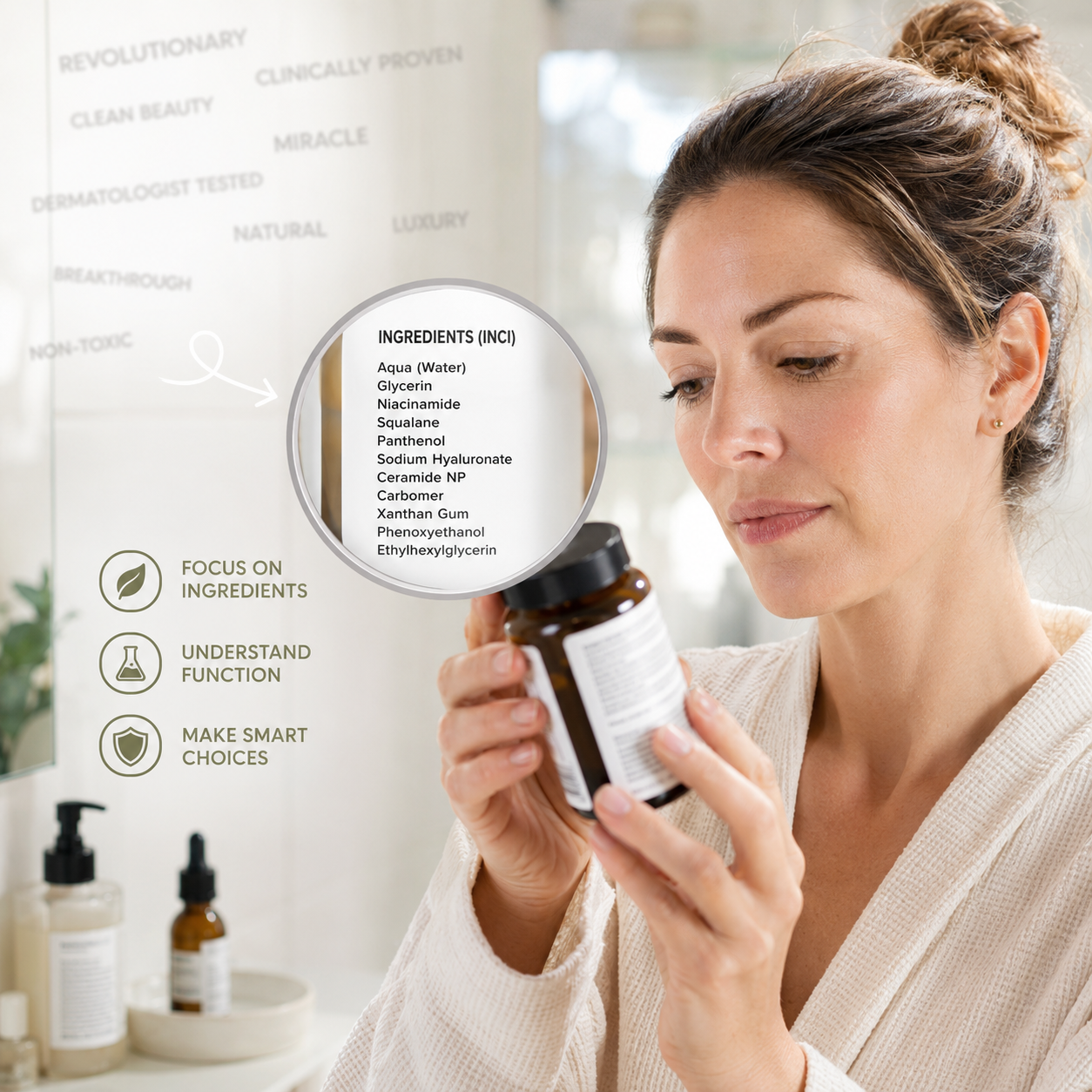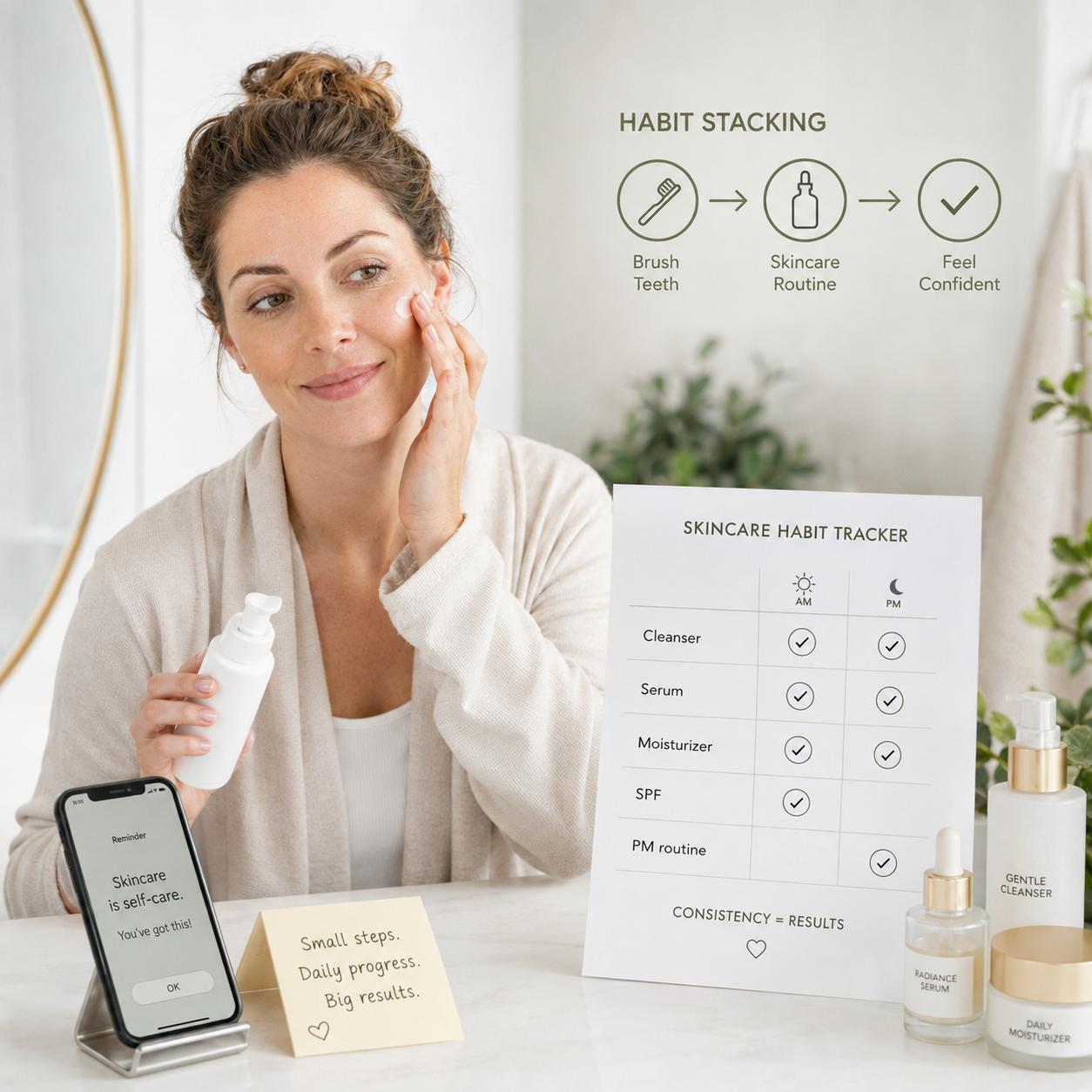
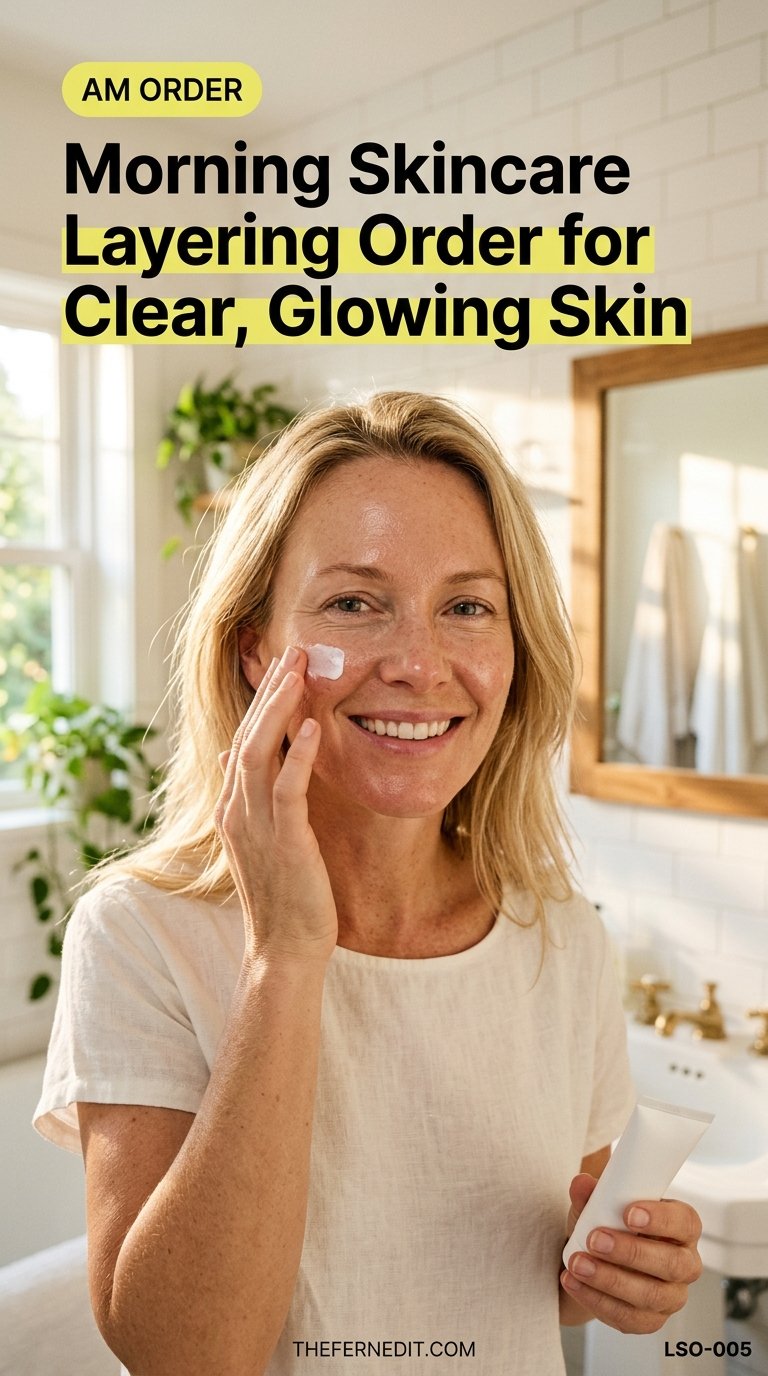
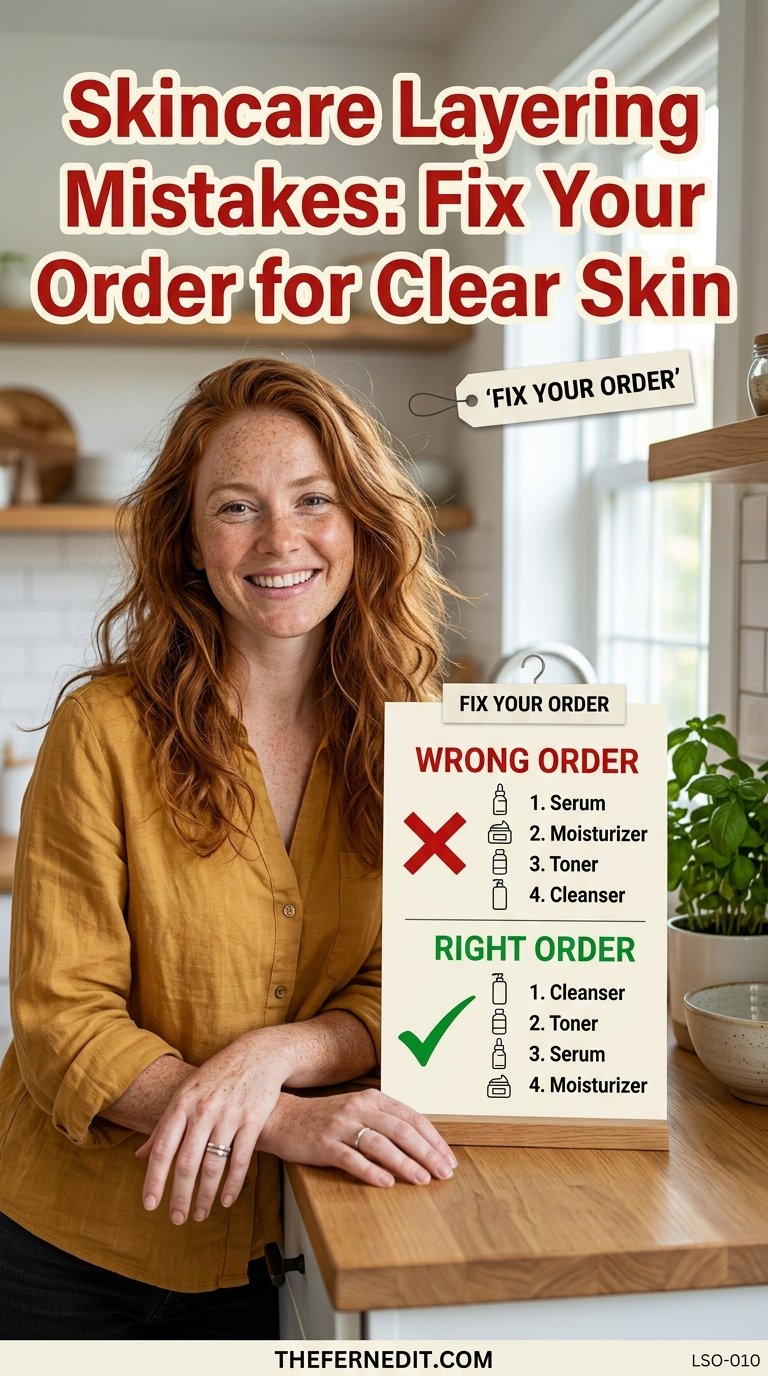
Layer skincare from thinnest to thickest: cleanser, toner, serums, eye cream, moisturizer, and SPF last in the morning (facial oils go last at night). When you're unsure where a product fits, judge by texture — watery goes early, creamy goes later. You don't need every step; build a simple routine from what you already own.
Layer skincare in the right order morning and night, place unfamiliar products, judge wait times by touch, and build a simple routine from what you own.
How to Layer Skincare in the Right Order, Morning and Night
Apply skincare by role first and texture second. In the morning, use cleanser or rinse, optional watery layers, moisturizer, then sunscreen. At night, use cleanser, one optional treatment, hydrating layers, moisturizer, then an optional face oil or balm. You do not automatically need a pause between individual layers. Continue when the current layer is no longer so wet or slippery that the next product skates across it.
The Fern Edit is a US beauty and self-care publisher that creates practical, non-invasive routine guides for women who want clear guidance without miracle claims. What this page gives you that the site's ingredient explainers and anti-aging skincare routine do not is a reusable placement test, four worked bottle scenarios, a wait-until-spreadable timing cue, and a counted routine that requires no new purchase.
The exact morning and evening skincare order

The sequence below is the working answer. Optional steps can be removed without breaking the routine; keep the products that remain in the same relative order.
| Position | Morning | Evening |
|---|---|---|
| 1 | Cleanser or rinse | Cleanser |
| 2 | Watery toner or essence, optional | Watery toner or essence, optional |
| 3 | Thin serum, optional | One treatment, optional |
| 4 | Another hydrating layer, optional | Hydrating serum, optional |
| 5 | Moisturizer, if used | Moisturizer |
| 6 | Sunscreen | Face oil or balm, optional |
This is a placement guide, not a six-product shopping list. Close the gaps when you own fewer steps. A morning routine may contain moisturizer and sunscreen. An evening routine may contain only cleanser and moisturizer. A short routine has not failed merely because the table has empty positions.
Check each label before using the sequence. Rinse-off products, treatments with special directions, and products restricted to a particular time should follow their own instructions. The table organizes ordinary products when the label does not give a more specific order.
Why does product role come before texture?

Product role comes first because the routine has a beginning, an optional middle, and a finish. Cleanser belongs at the beginning because it is used to prepare the surface and is normally rinsed away. A treatment belongs in its directed slot. Moisturizer and face oil sit near the finish, while sunscreen completes the morning skincare order.
The familiar thinnest-to-thickest heuristic is useful only after the product's job is clear. Among two ordinary hydrating leave-on products, the watery one will usually be easier to spread before the lotion-like one. That shortcut cannot decide every case. A watery exfoliating liquid still has a treatment role, and a sunscreen is still a final morning step even if it feels lighter than a cream underneath.
It helps to think in three zones: prepare, address, finish. Cleansing prepares. Optional serums and treatments address the job stated in their directions. Moisturizer, face oil, balm, and sunscreen occupy the finishing zone. These richer or film-forming final steps are placed after the lighter leave-on layers so the sequence is not asking a watery product to spread through a substantial finishing layer.
“Film-forming” here is a practical description of a product that leaves a noticeable finishing layer. It is not a claim about a particular formula's chemistry or performance. Texture varies, so use the product's directions and the way the layers spread together as the final check.
The role-first two-question placement test

This page-only placement test starts with function and uses texture as the tie-breaker. It is more useful than sorting by bottle shape or a marketing word such as “essence,” “lotion,” or “serum,” because those names do not tell you the complete routine role.
- What job does the product perform? Put a rinse-off cleanser first. Place a clearly labeled treatment in the treatment part of the routine and follow its directions. Put moisturizer near the end, sunscreen at the end of the morning routine, and an optional finishing oil or balm at the end of the evening routine.
- How does its texture compare with neighboring products that have a similar role? Among ordinary hydrating leave-on layers, put a freely running liquid before a gel, lotion, or cream. If two layers have nearly the same feel, their exact order matters less than choosing a simple sequence that applies comfortably.
If role and texture point in different directions, role wins unless the label says otherwise. If the label remains unclear, leave the product out rather than inventing a purpose. A routine should contain products you understand, not a forced position for every bottle on the shelf.
Four unfamiliar products, placed step by step

These four worked unfamiliar-product scenarios demonstrate the two-question placement test. They classify the stated role and physical form only. They do not promise an ingredient result or prescribe a treatment frequency.
Scenario 1: a watery niacinamide serum

The label identifies a leave-on serum, so the bottle belongs after cleansing rather than in the rinse-off or finishing zones. Its liquid runs quickly and feels lighter than lotion, so place it before moisturizer. If another watery serum already occupies that position, you do not need to invent a perfect hierarchy. Choose the simpler order or separate the two products between morning and evening.
Scenario 2: a cream sold as a serum

The name suggests a serum role, but the texture is richer than the moisturizer already on the shelf. Check the directions first. If the product is intended as a leave-on treatment, try its directed treatment position before moisturizer. If the pair feels overly heavy or rolls during application, use the cream-serum without the additional cream rather than forcing both into one session.
Scenario 3: a facial oil in a dropper
The dropper does not turn an oil into an early watery serum. Its form places it in the finishing zone, normally after water-based layers and moisturizer in the evening. If the routine already feels comfortable without it, the face oil remains optional. Owning the bottle does not create a need for the step.
Scenario 4: a watery exfoliating liquid

Texture alone would place this bottle early, but its stated role makes it a treatment rather than an ordinary hydrating toner. Put it in the treatment slot and follow its directions. Do not infer how often to use it or combine it with another treatment merely because both liquids are thin; those decisions require product-specific instructions and appropriate evidence.
How do you decide whether to pause between individual layers?

Use a wait-until-spreadable timing cue: continue when the current layer is no longer visibly pooled and the next product can spread without immediately skating, streaking, or rolling it around. There is no universal stopwatch rule in this guide.
This page-only touch-and-spread transition check replaces unsupported fixed timings with an observable application cue. Formula texture, the amount used, and the combination of layers can change how quickly the surface feels ready. The purpose of a pause is therefore practical: give an unsettled layer enough time to stop interfering with the next application.
- Spread the first leave-on layer in a thin, even film.
- Take your hands away instead of rubbing continuously.
- Look for visible pooling or streaks.
- Touch one small area with a clean fingertip.
- If the product still slides freely, allow it to settle a little longer.
- If the next layer can move evenly without disturbing it, continue.
Tackiness alone does not demand a long wait because some products remain tacky. The useful question is whether the next product spreads cleanly. When it does, the layer is ready enough for this routine.
| What you notice | What to try |
|---|---|
| The next layer streaks through a visibly wet product | Use less of the first product or let it settle briefly. |
| Small rolls appear while rubbing | Press rather than repeatedly rub, remove one layer, or separate the products by time of day. |
| The finish stays uncomfortably greasy | Reduce the amount or remove an optional finishing oil or balm. |
| A layer stings or causes persistent discomfort | Stop adding products, discontinue the concerning product, and follow its directions or seek qualified guidance. |
A three-product routine made from what you own
This page-only minimum-routine calculation uses three product categories across up to five daily applications. It is not a recommendation to buy replacements. Begin with the cleanser, moisturizer, and sunscreen already in your bathroom when their directions and labeled period of use still allow them to be used.
Morning: two or three applications

- Rinse or cleanse according to your normal routine.
- Apply moisturizer if you use it in the morning.
- Apply sunscreen as the final skincare step.
Evening: two applications
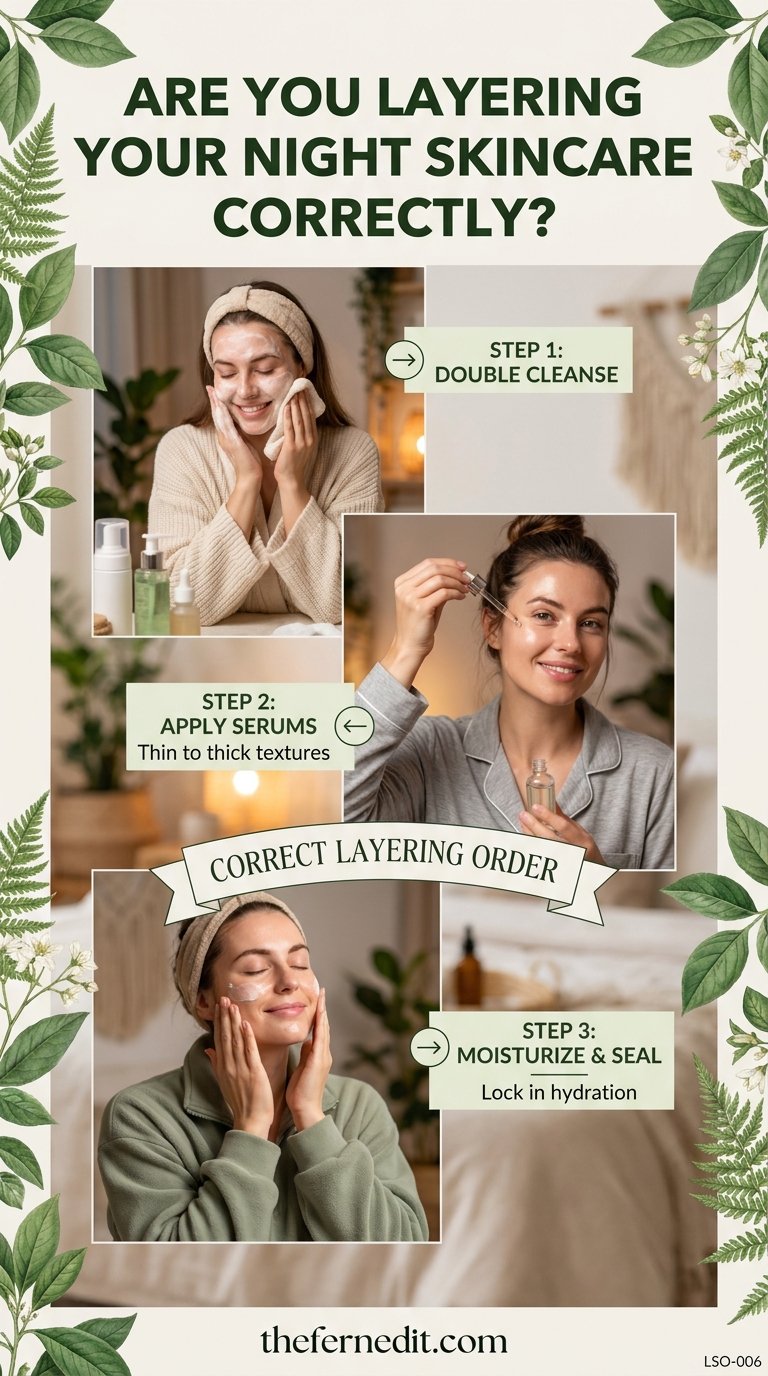
- Cleanse.
- Apply moisturizer.
Counted across the day, that is up to five applications from three categories: cleanse, moisturize, protect; then cleanse and moisturize. Toner, essence, serum, treatment, face oil, and balm are optional additions rather than proof that the basic routine is unfinished.
If you later introduce something new, give it one job and one position. Add one new product at a time so that pilling or discomfort does not leave you guessing which of several additions caused the problem. A thin leave-on hydrating product generally goes before moisturizer. A treatment follows its directions. A face oil or balm normally finishes the evening routine.
Readers whose next task is choosing a routine around cost can use the site's separate affordable skincare routine. That page addresses product selection and budget; this one remains focused on order.
Sort your bathroom shelf in five minutes

This page-only shelf-sorting exercise turns a mixed collection into three usable groups. Take out only the products you currently use. Leave sealed backups, occasional masks, and abandoned bottles aside so they do not complicate the daily sequence.
- Make a morning group. Include sunscreen and products whose labels direct daytime use.
- Make an evening group. Include rinse-off makeup removal, products labeled for night, and optional finishing oils or balms.
- Make a both-times group. This may include cleanser, ordinary hydrating layers, and moisturizer when their directions allow morning and evening use.
- Arrange each group by role. Prepare first, place optional addressing steps in the middle, and put finishing products last.
- Use texture inside a shared role. Place a watery hydrating layer before a gel or creamier hydrating layer.
Now remove anything with an unreadable label, unclear purpose, or direction that conflicts with the group. The aim is not to use every container. It is to create a sequence you can explain without consulting a complicated chart each morning.
What if products pill, sting, or feel too heavy?

If products pill, sting, or feel too heavy, simplify before adding longer waits or more products. Use smaller amounts, reduce rubbing, remove an optional layer, or move one product to the other half of the day. Stop using a product that causes a concerning or persistent reaction and seek qualified guidance when appropriate.
Pilling tells you that the current combination, amount, or application method is not cooperating. It does not tell you that another serum is missing. First repeat the routine with one fewer leave-on layer. If it applies cleanly, keep the shorter version or reintroduce the removed item at another time instead of forcing every product into one session.
Discomfort calls for a different response from harmless rolling. Do not keep layering over burning, swelling, or a persistent reaction. The site's Disclaimer, dated July 23, 2026, states that The Fern Edit provides general educational information rather than medical or dermatological advice and advises consulting a qualified dermatologist or healthcare professional before beginning a new skincare ingredient or routine in the circumstances it lists.
Frequently asked questions
Does skincare always go from thinnest to thickest?

No. Thinnest to thickest is a useful tie-breaker for ordinary leave-on layers, but product role comes first. Cleanser starts the routine, treatments follow their directions, and sunscreen finishes the morning.
Do I have to wait between every skincare step?

No. Pause only when the current layer is too wet or slippery for the next product to spread evenly. Continue once it is settled enough that the next layer does not skate, streak, or roll it around.
Where does sunscreen go?

Sunscreen is the final skincare step in the morning sequence. Follow its label for application and reapplication rather than putting another serum, cream, face oil, or balm over it.
Where does a new product fit?
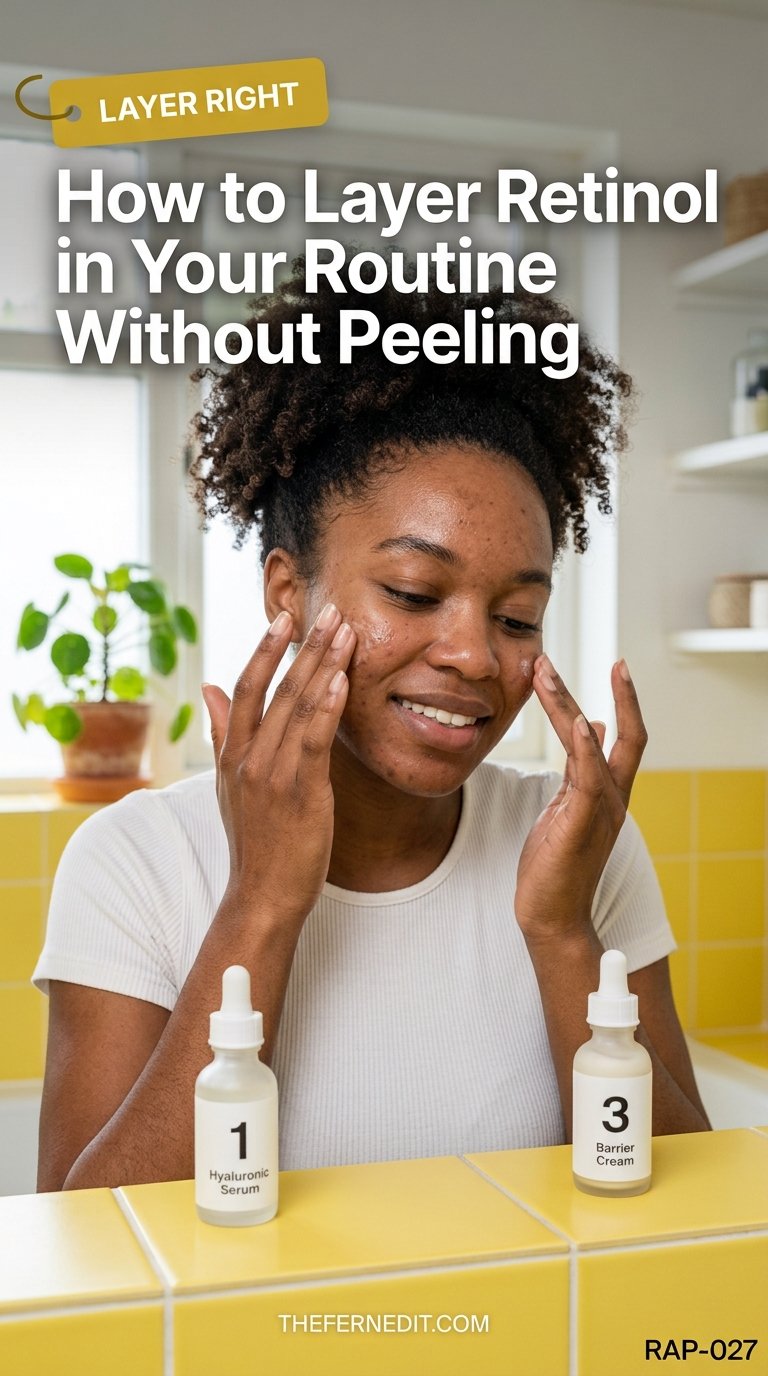
Identify its role first: rinse-off cleanser, leave-on treatment, hydrating layer, moisturizer, sunscreen, or evening finishing oil or balm. Then use texture to order it among products performing a similar role.
Is a two- or three-step routine enough?
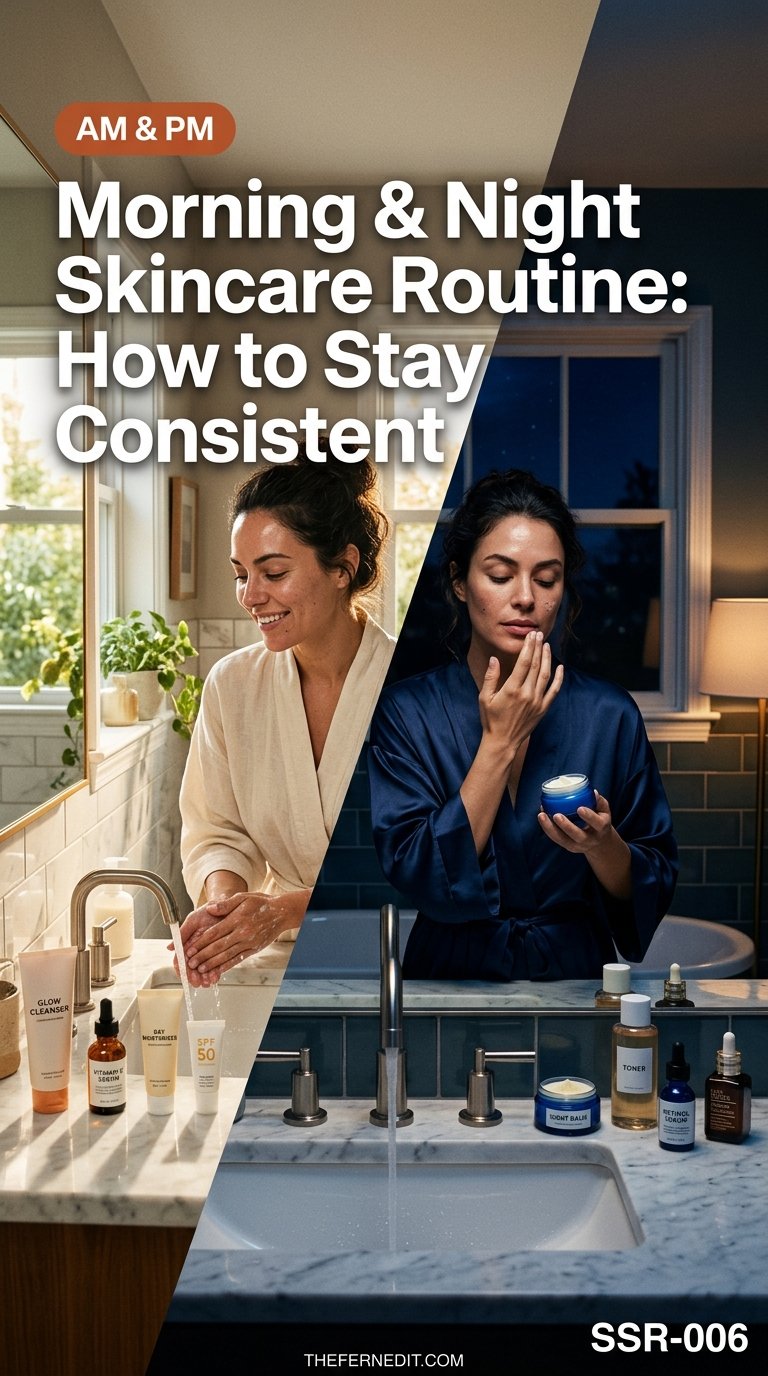
Yes. A short routine is complete when it performs the jobs you have chosen and remains practical to use. Optional products should have a clear role rather than being added solely to make the routine longer.
Drafted with AI assistance and reviewed by the editorial team before publication. This page provides general education, not medical advice. Read our editorial standards above or contact us with a question or correction.
 📌 Save
Love this guide? Save it 📌
Pin it to your favorite board so it's easy to find again — and share it with a friend who'd love it too.
Save to Pinterest
We cite sources and update this guide regularly.