
To choose skin care products that are right for you, start by identifying your skin type and one or two real concerns, then match those to a few core ingredient categories rather than chasing trends. The best skin care products are the ones your skin tolerates, that you'll use consistently, and that fit your budget. You don't need a ten-step lineup or luxury pricing to see results, just the right basics used the right way.
Standing in front of a wall of pretty bottles is exciting for about ten seconds. Then the panic sets in. There are hundreds of skin care products promising glowing, flawless, ageless skin, and every single one of them sounds like the one you've been missing. It's no wonder so many of us end up with a bathroom shelf full of half-used jars and a nagging feeling that we've thrown money away.
Here's the good news: choosing well has almost nothing to do with spending more. Once you understand what your skin actually needs and how to read a product past the marketing, you can build a routine that works without the guesswork. Let's walk through it together, step by step.
The Basic Skincare Products Everyone Actually Needs
Before you buy anything fancy, get the foundation right. Most skin does beautifully on a short, reliable set of basic skincare products, and everything else is a bonus. If your core routine is solid, you'll waste far less on impulse buys later.
The essentials most people benefit from:
Cleanser, moisturizer, and sunscreen
- A gentle cleanser to remove dirt, oil, and makeup without stripping your skin
- A moisturizer suited to your skin type to keep the barrier hydrated and comfortable
- A broad-spectrum sunscreen for daytime, which does more for long-term skin health than almost anything else
- One targeted treatment (optional) for a specific concern, like a vitamin C or a hydrating serum
That's genuinely it for a starter routine. Notice there are no ten serums and no overnight miracles here. When people ask for skincare recommendations, they're often surprised that a short list beats a crowded one. A few well-chosen products used every day will outperform a shelf full of things you reach for once and forget.
How to Read Your Skin Before Buying (Real Skin Advice)
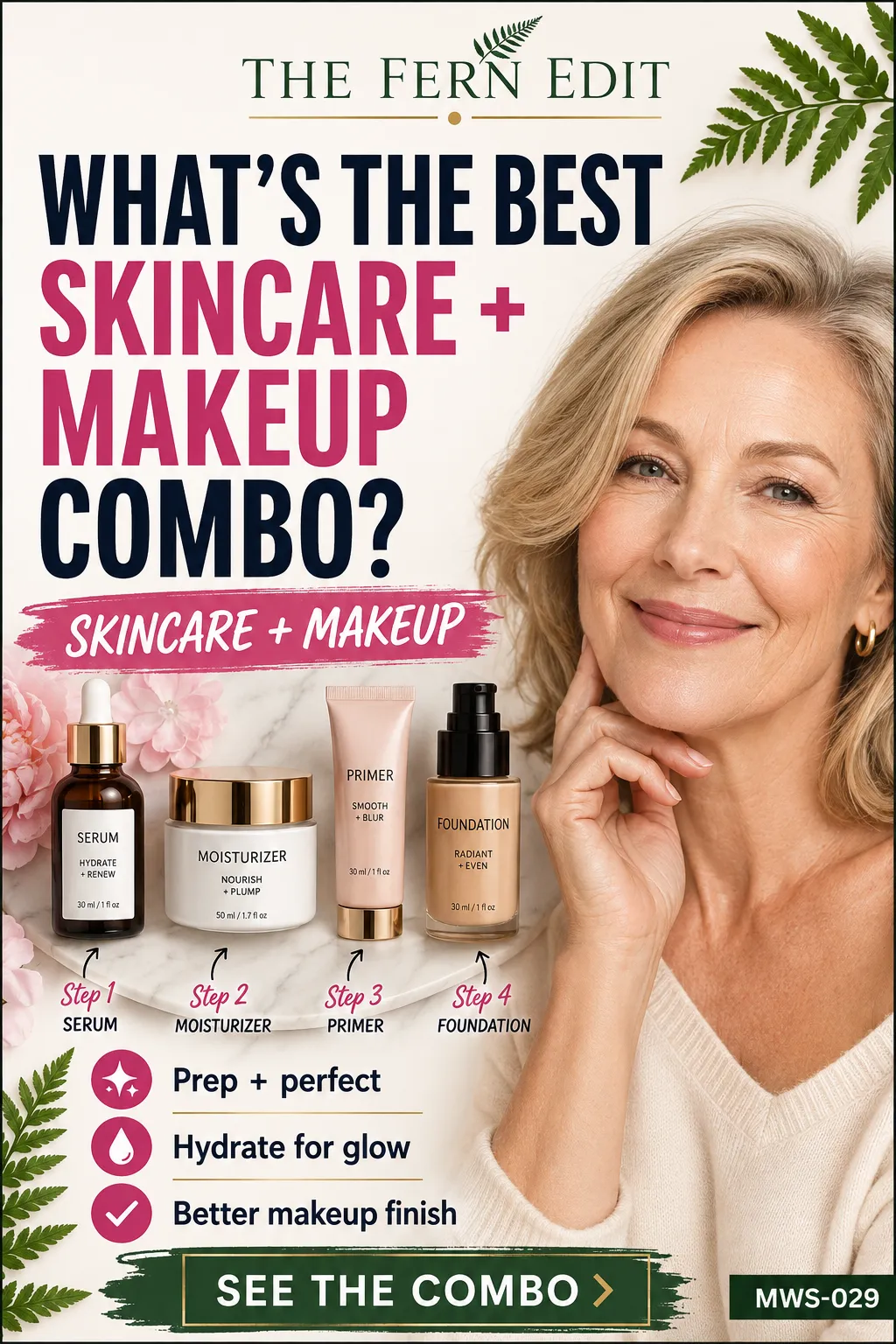
The smartest skin advice anyone can give you is this: shop for the skin you have, not the skin in the ad. Products are formulated for different needs, and buying the wrong match is the fastest way to waste money and irritate your face.
Take a moment to notice how your skin behaves on a normal day:
How to know your skin type
- Oily: shine returns quickly, pores look larger, breakouts are common
- Dry: tightness, flaking, or a rough texture, especially after cleansing
- Combination: an oily T-zone with drier cheeks
- Sensitive: stings, reddens, or reacts easily to new products
- Normal/balanced: generally comfortable with few complaints
Once you know your type, layer in your goals. Are you focused on hydration, breakouts, dullness, or early signs of aging? Naming one or two priorities keeps you from buying a little bit of everything. This kind of honest self-check is the most valuable skin advice out there, and it costs nothing.
How to Evaluate Skincare Recommendations
We all love a good recommendation, but not every rave review will translate to your skin. When you come across skincare recommendations from friends, editors, or your favorite creators, treat them as a starting point rather than a shopping list.
Ask yourself a few filtering questions before you buy:
- Does this person have a similar skin type and concern to mine?
- What ingredient category does the product fall into, and do I actually need it?
- Is the claim realistic, or does it promise results that sound too dramatic to be true?
- Would this replace something in my routine, or just add clutter?
Focus on ingredient types instead of names. A "brightening serum" usually means a vitamin C or similar antioxidant. A "plumping" product often leans on hydrating humectants. When you understand the category behind the hype, you can compare skincare recommendations fairly and find the version that fits your skin and your wallet, rather than the one with the prettiest packaging.
When Serious Skin Care Upgrades Are Worth It

At some point you may feel ready to move beyond the basics, and that's perfectly reasonable. Serious skin care usually means adding targeted actives that address specific, ongoing concerns rather than everyday maintenance. The key is knowing when the upgrade earns its place.
A more serious skin care step can be worth it when:
When to upgrade your skincare
- You have a consistent concern that your basics aren't addressing
- You've been patient with your current routine and want to build on it thoughtfully
- You're ready to introduce one active at a time and watch how your skin responds
Categories people often graduate to include gentle exfoliating acids, retinoid-family ingredients for texture and firmness, and concentrated antioxidants. If long-term firmness and smoothness are on your mind, our anti-aging guides break down these categories in more detail. Introduce serious skin care slowly, patch test, and give each new product several weeks before deciding. Upgrading one intentional step at a time protects both your skin and your budget.
Building an Affordable, Effective Lineup
Here's the part everyone loves: a beautiful, results-driven routine does not require a splurge. A thoughtful drugstore skincare routine can hold its own against pricey shelves, because the active ingredients that matter show up across every price point.
To build affordable skin care that actually delivers:
Building a skincare routine on a budget
- Prioritize the essentials first. Put your budget toward a cleanser, moisturizer, and sunscreen you'll use daily.
- Spend where it counts. If you invest a little more anywhere, choose your one targeted treatment.
- Read the ingredient category, not the price tag. Affordable skin care and premium options often share the same hero ingredients.
- Buy smaller sizes to test. Trial a new product before committing to the full-size version.
- Finish what you start. Consistency with a simple lineup beats constantly switching.
A well-planned drugstore skincare routine keeps things realistic and repeatable, which is exactly what your skin wants. The goal isn't the cheapest possible cart or the most expensive one. It's affordable skin care that fits your life and that you'll genuinely stick with.
Final Thoughts
Choosing skin care products doesn't have to feel like a gamble. When you shop for your real skin, understand ingredient categories, and let smart skin advice guide your choices, you naturally stop wasting money on things that were never going to work for you. Keep your basics strong, upgrade with intention, and let an affordable, consistent routine do the heavy lifting.
Ready to take the next step? Explore our anti-aging guides for more friendly, no-nonsense tips on building a routine you'll love for years to come.
 📌 Save
Love this guide? Save it 📌
Pin it to your favorite board so it's easy to find again — and share it with a friend who'd love it too.
Save to PinterestFrequently asked questions
How many skin care products do I really need?
Fewer than you think. Most people do well with three to four basic skincare products: a cleanser, a moisturizer, and a daytime sunscreen, plus one optional treatment. A short routine you actually follow beats a long one you abandon.
Are drugstore skincare products as good as expensive ones?
Very often, yes. A smart drugstore skincare routine can include the same effective ingredient categories found in luxury lines. Affordable skin care proves that price and quality aren't always linked, so focus on formulas and consistency instead.
How do I know if a product is right for my skin?
Start with your skin type and one or two concerns, then match those to the right ingredient categories. The best skin advice is to patch test new items and give them a few weeks. If it feels comfortable and your skin looks happy, it's a good fit.
When should I move to serious skin care actives?
Once your basics are consistent and a specific concern still lingers, you can add serious skin care one active at a time. Introduce it slowly, watch how your skin reacts, and avoid stacking several new products at once.
How do I use skincare recommendations without wasting money?
Treat skincare recommendations as clues, not commands. Check whether the person shares your skin type, identify the ingredient category behind the product, and only buy it if it fills a real gap in your routine.

Medically reviewed by The Fern Edit Editorial Team, . We cite sources and update this guide regularly.