
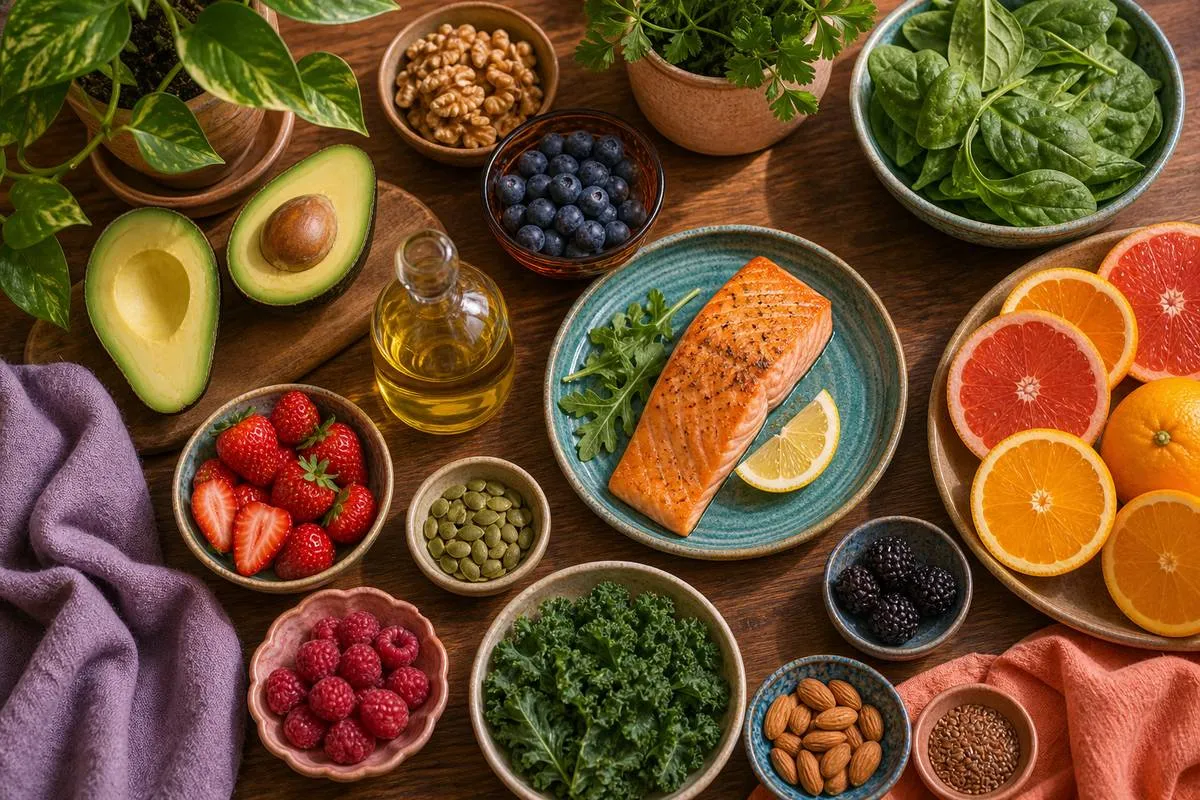
The best foods and vitamins for skin elasticity are vitamin C (citrus, berries, peppers) for collagen production, protein (eggs, fish, beans) for collagen building blocks, omega-3 fats (salmon, walnuts) for supple skin, antioxidants (colorful produce) to protect collagen, plus vitamin E, vitamin A, zinc, and plenty of water. A varied, whole-food diet supports firmer, more resilient skin over weeks and months.
Firm, springy skin is not built by serums alone. What you eat gives your body the raw materials to make collagen, protect existing fibers, and keep skin supple from the inside. While no single food works like magic, a steady, nutrient-rich diet is one of the most reliable ways to support skin elasticity over time, and it costs far less than most firming creams.
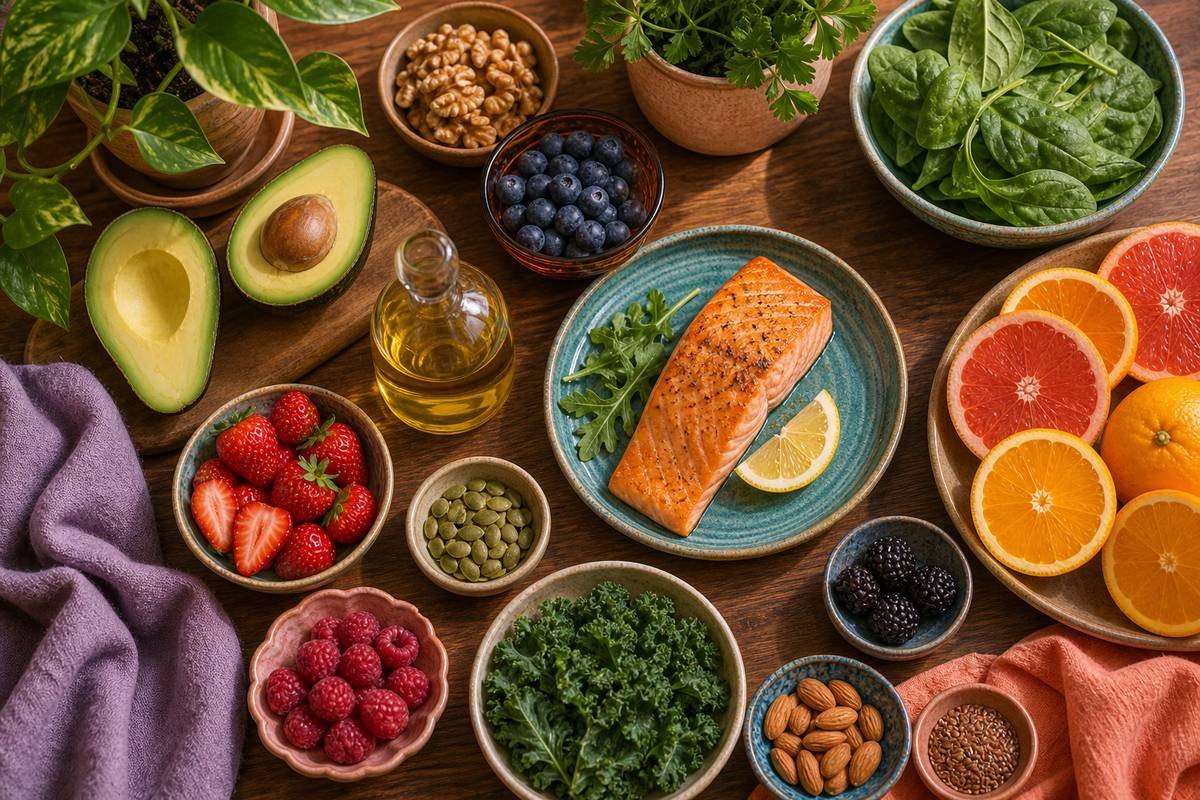
Firm, springy skin is not built by serums alone. What you eat gives your body the raw materials to make collagen, protect existing fibers, and keep skin supple from the inside. While no single food works like magic, a steady, nutrient-rich diet is one of the most reliable ways to support skin elasticity over time, and it costs far less than most firming creams.
Here are the foods and vitamins most worth knowing about, and how they actually help your skin.
Key Takeaways
- Skin elasticity depends on collagen, elastin, and hydration.
- Vitamin C and protein are the most important for collagen.
- Omega-3 fats and antioxidants keep skin supple and protected.
- Vitamin E, vitamin A, and zinc support skin structure and repair.
- Water and whole foods beat relying on a single supplement.
- Diet works alongside sunscreen and skincare, not instead of them.
What Skin Elasticity Actually Is
Elasticity is your skin's ability to stretch and bounce back. It comes mainly from two proteins, collagen for structure and elastin for spring, plus good hydration that keeps skin plump. When these are well supported, skin looks firm and recovers quickly. As they decline with age and sun exposure, skin loses that bounce and starts to feel looser.
Food supports elasticity in three ways: providing collagen building blocks, supplying nutrients needed to make collagen, and protecting existing collagen from damage. The foods below cover all three.
Vitamin C: The Collagen Essential
Vitamin C is non-negotiable for skin elasticity. Your body literally cannot produce collagen without it, which makes this one of the most important nutrients on the list. It also acts as an antioxidant, protecting skin from the daily damage that breaks collagen down.
Top food sources include citrus fruits, strawberries, kiwi, bell peppers, broccoli, and tomatoes. Because vitamin C is water-soluble and not stored long-term, eating some every day is more useful than occasional large amounts.
Protein: The Building Blocks
Collagen and elastin are proteins, so your body needs dietary protein to build and repair them. A diet too low in protein leaves your skin short on raw material, no matter how many serums you use.
Good sources include eggs, fish, chicken, lean meats, beans, lentils, Greek yogurt, and tofu. Spreading protein across your meals helps your body use it steadily. Foods like bone broth also provide collagen-related amino acids that may offer extra support.
Omega-3 Fats for Supple Skin
Healthy fats, especially omega-3 fatty acids, help keep skin supple, hydrated, and less prone to looking dry and crepey. They support the skin barrier, which holds moisture in and keeps skin plump.
Find omega-3s in fatty fish like salmon, sardines, and mackerel, plus walnuts, chia seeds, and flaxseeds. Other healthy fats from avocado and olive oil support supple skin too. If much of your diet is low in fat, your skin often shows it first.
Antioxidants That Protect Collagen
Antioxidants defend your existing collagen and elastin from damage caused by sun, pollution, and everyday stress. Think of them as bodyguards for the firmness you already have.
Colorful produce is the best source: berries, leafy greens, tomatoes, carrots, and brightly colored vegetables. Green tea, dark chocolate (in moderation), and herbs and spices add antioxidants too. A simple rule that works: the more color on your plate, the more protection for your skin.
Vitamin E, Vitamin A, and Zinc
A few more nutrients round out skin elasticity support.
| Nutrient | Role for Skin | Food Sources |
|---|---|---|
| Vitamin E | Antioxidant that protects skin cells and supports the barrier | Nuts, seeds, spinach, avocado |
| Vitamin A | Supports skin cell turnover and repair | Sweet potato, carrots, eggs, leafy greens |
| Zinc | Supports collagen formation and skin healing | Shellfish, pumpkin seeds, beans, nuts |
| Copper | Helps form collagen and elastin | Nuts, seeds, shellfish, whole grains |
You do not need to track these individually. A varied diet rich in produce, protein, nuts, and seeds tends to cover them naturally.
Hydration and Skin
Water is easy to overlook, but well-hydrated skin simply looks plumper and more elastic, while dehydrated skin creases and looks tired. Drinking enough throughout the day supports that fuller look from within.
Water-rich foods help too, like cucumber, watermelon, oranges, and leafy greens. Hydrating skincare seals moisture in from the outside, but starting hydrated on the inside gives those products more to work with.
A Simple Skin-Elasticity Eating Plan
You do not need a special diet, just a few reliable habits.
- Build each meal around protein (eggs, fish, beans, yogurt) for collagen building blocks.
- Add color at every meal for antioxidants and vitamin C.
- Include healthy fats daily (salmon, avocado, nuts, olive oil).
- Snack on nuts and seeds for vitamin E, zinc, and copper.
- Drink water steadily and lean on water-rich foods.
- Go easy on added sugar, which can damage collagen over time.
Repeated daily, this pattern supports elasticity far more dependably than any one "miracle" food.
Should You Take Supplements?
Food first is the most reliable approach, but supplements can fill gaps for some people. Collagen peptides have promising but mixed research for elasticity, vitamin C supports collagen if your diet is low, and a basic multivitamin can cover small shortfalls. Omega-3 supplements may help if you rarely eat fish.
That said, supplements are not a substitute for a good diet or for sun protection, and quality varies. Always check with your doctor before starting one, especially if you are pregnant, nursing, or have health conditions. If your budget is limited, prioritize whole foods and daily sunscreen over pricey supplements.

Common Mistakes
- Eating too little protein. Skin cannot rebuild collagen without it.
- Relying on one "superfood." Variety matters more than any single item.
- Forgetting healthy fats. Low-fat diets often leave skin dry and less supple.
- Loading up on added sugar. Excess sugar can stiffen and damage collagen.
- Expecting diet alone to firm skin. Pair it with sunscreen and skincare.
Final Takeaway
Firm, elastic skin is supported from the inside, and your plate is one of the most reliable tools you have. Build meals around protein, add vitamin C and color, include healthy fats, stay hydrated, and go easy on sugar. None of it works overnight, but a steady, colorful, whole-food diet gives your skin what it needs to stay supple and resilient. Pair it with daily sunscreen and good skincare, and you are supporting elasticity from every angle.
This article is for general beauty and self-care education only and is not medical or nutritional advice. Talk to your doctor or a registered dietitian for guidance specific to your health.
 📌 Save
Love this guide? Save it 📌
Pin it to your favorite board so it's easy to find again — and share it with a friend who'd love it too.
Save to PinterestFrequently asked questions
What foods are best for skin elasticity?
Protein (eggs, fish, beans) for collagen building blocks, vitamin C foods (citrus, berries, peppers) for collagen production, omega-3 fats (salmon, walnuts) for supple skin, and colorful antioxidant-rich produce to protect collagen. Variety is the key.
Which vitamins help skin firmness?
Vitamin C is the most important because collagen cannot form without it. Vitamin E and vitamin A support and protect skin, while zinc and copper aid collagen formation. A varied diet usually covers all of these.
Can diet really improve skin elasticity?
Yes, over time. A nutrient-rich diet gives your body what it needs to make and protect collagen, which supports firmer, more elastic skin. Diet works best alongside sunscreen and good skincare, not instead of them.
Do I need collagen supplements for elasticity?
Not necessarily. A protein-rich, vitamin C-rich diet supports your own collagen reliably. Collagen peptides have promising but mixed research and can be a supporting habit if you want, ideally with your doctor's okay.
How long until diet improves my skin?
Skin cells renew over weeks, so expect gradual changes in 8 to 12 weeks of consistent eating, with continued benefit the longer you keep it up.
Does sugar affect skin elasticity?
Excess added sugar can damage and stiffen collagen over time through a process called glycation. Going easy on added sugar helps protect skin firmness.
What should I eat for firmer skin after 40?
Focus on protein at every meal, plenty of colorful produce for antioxidants and vitamin C, healthy fats like salmon and avocado, and water-rich foods. Pair this with daily sunscreen for the best results.

We cite sources and update this guide regularly.