Retinol is a vitamin A derivative with decades of research behind it, and it tends to deliver faster, stronger results for fine lines, texture, and tone, though it can cause dryness and irritation. Bakuchiol is a plant-derived ingredient that offers gentler, retinol-like benefits with far less irritation, making it ideal for sensitive skin, pregnancy-conscious routines, or anyone who could not tolerate retinol. Many women use bakuchiol as a starting point or as a daytime partner to nighttime retinol.
If you have spent any time reading skincare labels lately, you have probably seen bakuchiol marketed as the "natural retinol alternative." It sounds appealing, especially if retinol has left your skin red and flaky in the past. But are the two actually interchangeable? And which one belongs in your routine?
If you have spent any time reading skincare labels lately, you have probably seen bakuchiol marketed as the "natural retinol alternative." It sounds appealing, especially if retinol has left your skin red and flaky in the past. But are the two actually interchangeable? And which one belongs in your routine?
The short version: both can soften fine lines and improve skin over time, but they suit different skin types and tolerance levels. Here is how to choose the right one for you without the hype.
Key Takeaways
- Retinol has the strongest research track record for anti-aging results.
- Bakuchiol is gentler and rarely causes the flaking or sensitivity retinol can.
- Sensitive, reactive, or retinol-intolerant skin often does better with bakuchiol.
- Retinol is best at night only; bakuchiol can be used morning or night.
- They are not enemies. Some routines use both for balance.
- Always patch test, and talk to your doctor about ingredients during pregnancy.
What Is Retinol?
Retinol is a form of vitamin A and one of the most studied anti-aging ingredients in skincare. It belongs to a larger family called retinoids, which ranges from gentle over-the-counter retinol to stronger prescription options like tretinoin.
Retinol works by speeding up cell turnover and supporting collagen, which helps smooth fine lines, fade dark spots, refine texture, and improve overall tone. It is the ingredient most dermatologists reach for when a client asks what truly works on aging skin. The trade-off is that it can cause dryness, peeling, redness, and sun sensitivity, especially in the first few weeks.
What Is Bakuchiol?
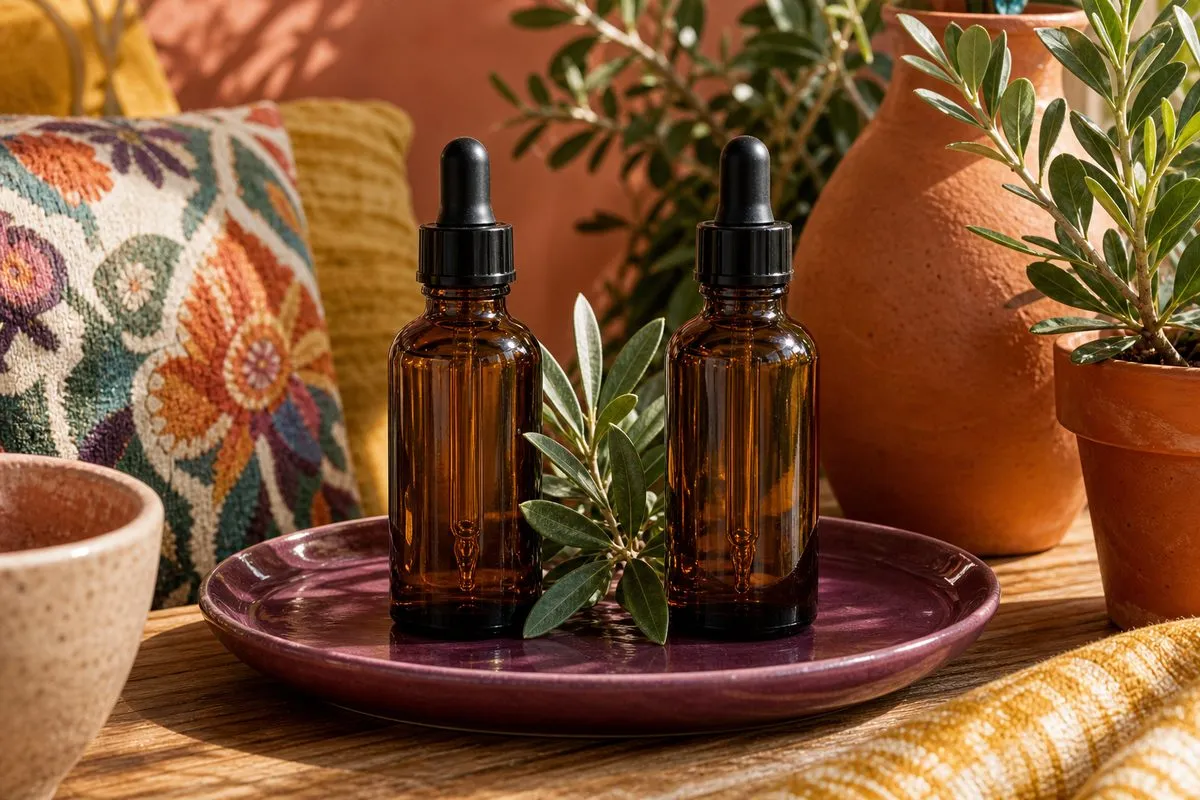
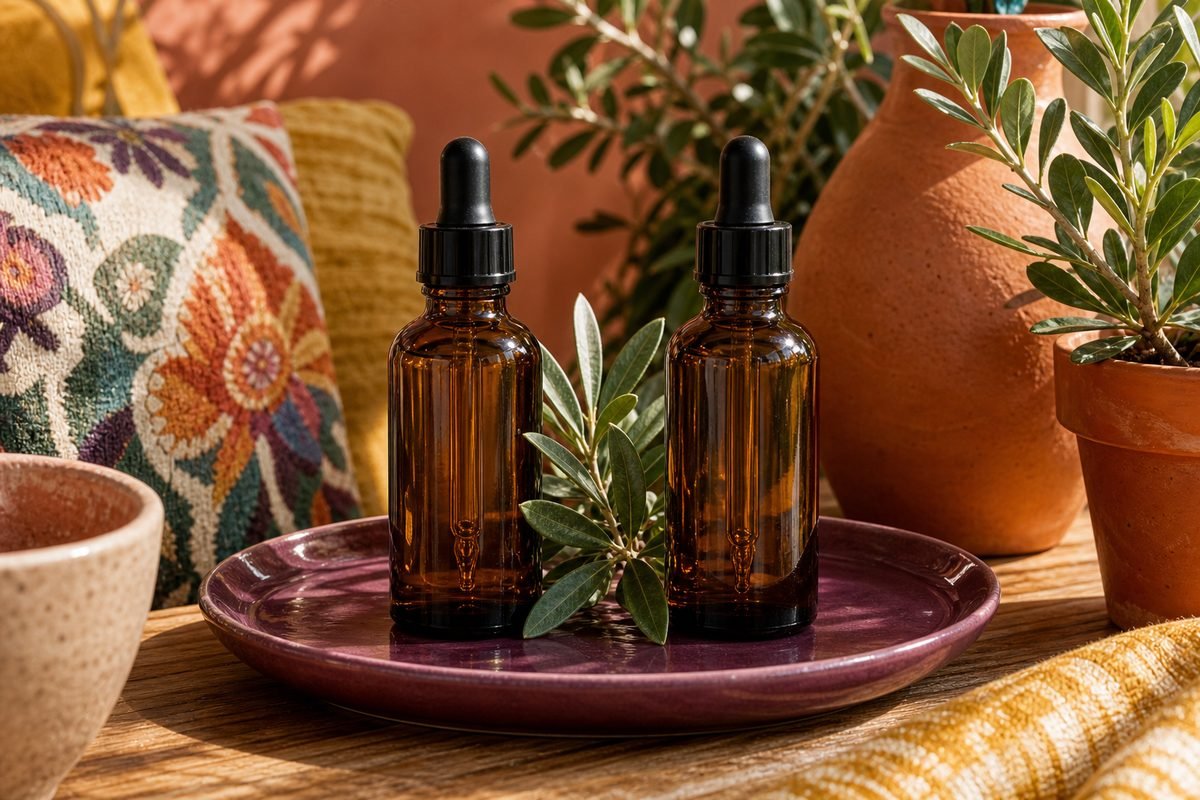
Bakuchiol (pronounced buh-KOO-chee-ol) is a compound derived from the seeds and leaves of the babchi plant, used for centuries in traditional Ayurvedic and Chinese practices. In skincare, it is valued because it produces results similar to retinol on fine lines and tone, but through a gentler pathway.
A frequently cited 2019 study published in the British Journal of Dermatology compared bakuchiol and retinol over 12 weeks and found both improved wrinkles and pigmentation comparably, with bakuchiol causing less scaling and stinging. That single study is not the whole picture, but it helped bakuchiol gain real credibility beyond the "natural" label.
Retinol vs. Bakuchiol at a Glance
| Feature | Retinol | Bakuchiol |
|---|---|---|
| Source | Vitamin A derivative | Plant-derived (babchi) |
| Research depth | Extensive, decades | Growing, promising |
| Results speed | Faster, stronger | Slower, gentler |
| Irritation risk | Higher (dryness, peeling) | Low |
| Sun sensitivity | Increases it | Minimal |
| Time of use | Night only | Morning or night |
| Best for | Tolerant skin, visible aging | Sensitive or reactive skin |
| Pregnancy | Generally avoided | Often chosen, but ask your doctor |
How Each One Works on Aging Skin
Both ingredients ultimately aim for the same outcome: smoother, firmer, more even-looking skin.
Retinol signals skin cells to turn over faster and encourages collagen production. Because it pushes that process harder, you often see results sooner, but that same intensity is what causes irritation while your skin adjusts.
Bakuchiol appears to influence some of the same skin pathways and antioxidant activity, supporting collagen and improving the look of fine lines, but without overstimulating the skin barrier. That is why it feels so much calmer to use. For skin that flares easily, gentler is not a downgrade. It is often the smarter long-term choice, because irritated skin that you abandon helps no one.
Side Effects and Skin Tolerance
This is where the two really separate.
Retinol side effects can include dryness, flaking, redness, a temporary "purge" period, and increased sensitivity to sun. Most of these ease within a few weeks as skin adjusts, and they can be minimized by starting slow and hydrating well. People with very sensitive skin, rosacea, or eczema sometimes find retinol too much.
Bakuchiol side effects are uncommon. Most people tolerate it without flaking or stinging, which is exactly why it has become a favorite for sensitive skin and for those who want a "low-drama" anti-aging step. As with anything, patch testing is still smart.
Which One Should You Choose?
Use this simple guide.
Choose retinol if you:
- Have normal to resilient skin
- Want the strongest, most proven anti-aging results
- Are comfortable with a short adjustment period
- Already tolerate active ingredients well
Choose bakuchiol if you:
- Have sensitive, reactive, dry, or rosacea-prone skin
- Tried retinol and could not tolerate it
- Want a daytime-friendly anti-aging option
- Prefer a plant-derived, lower-irritation ingredient
- Are avoiding retinoids during pregnancy or breastfeeding (confirm with your doctor)
There is no universal winner. The best ingredient is the one your skin tolerates and that you will actually use consistently.
Can You Use Retinol and Bakuchiol Together?
Yes, and it can be a smart combination. Because bakuchiol is so gentle, it pairs well with retinol rather than competing with it.
A few ways women combine them:
- Bakuchiol in the morning, retinol at night. This gives round-the-clock support while keeping daytime irritation low.
- Bakuchiol on "off" nights when skin needs a break from retinol.
- Look-alike formulas that include both, designed to deliver results with less irritation.
If your skin is new to actives, start with one at a time so you can tell how your skin responds.
How to Start Each One Safely
Starting retinol:
- Begin with a low strength (0.25% to 0.3%) two nights a week.
- Apply a pea-sized amount to dry skin at night.
- Moisturize generously, and consider the "sandwich" method (moisturizer, retinol, moisturizer) for sensitive skin.
- Always wear sunscreen the next morning.
- Build up frequency slowly over several weeks.
Starting bakuchiol:
- You can usually begin daily, morning or night.
- Apply after cleansing and before heavier moisturizer.
- Pair with sunscreen in the daytime, as you should with any routine.
- Give it 8 to 12 weeks to show its full benefit.
Common Mistakes
- Expecting bakuchiol to act as fast as retinol. It is gentler, so it takes patience.
- Using retinol every night from day one. That is the fastest route to irritation.
- Skipping sunscreen with retinol. Retinol increases sun sensitivity, so daytime SPF is non-negotiable.
- Mixing too many actives. Adding strong acids on top of retinol overwhelms the barrier.
- Assuming "natural" means risk-free. Bakuchiol is gentle, but patch testing still matters.
Final Takeaway
Retinol and bakuchiol are not rivals so much as two tools for different skin needs. If your skin is tough and you want the most proven results, retinol earns its reputation. If your skin is sensitive, reactive, or simply tired of irritation, bakuchiol offers real benefits with a much calmer experience. Pick the one that fits your skin today, use it consistently, and remember that the gentlest routine you stick with will always beat the strongest one you quit.
This article is for general beauty and self-care education only and is not medical advice. Patch test new products and consult your doctor about ingredients, especially during pregnancy or if you have a skin condition.
 📌 Save
Love this guide? Save it 📌
Pin it to your favorite board so it's easy to find again — and share it with a friend who'd love it too.
Save to PinterestFrequently asked questions
Is bakuchiol as effective as retinol?
Bakuchiol can deliver similar improvements in fine lines and tone, and one well-known 12-week study found comparable results with less irritation. Retinol still has the deeper research base and often works faster, but bakuchiol is a strong, gentler option.
Can I use bakuchiol if retinol irritated my skin?
Yes. Bakuchiol is one of the most popular choices for people who could not tolerate retinol, because it rarely causes flaking, redness, or stinging.
Is bakuchiol safe during pregnancy?
Retinoids are generally avoided during pregnancy, and bakuchiol is often chosen as an alternative. That said, always confirm any ingredient with your own doctor first, since recommendations can vary.
Can I use retinol and bakuchiol together?
Yes. A common approach is bakuchiol in the morning and retinol at night, or bakuchiol on nights you skip retinol. Bakuchiol's gentleness makes it easy to pair.
Which works faster?
Retinol typically shows results faster because it stimulates cell turnover more aggressively. Bakuchiol is gentler and usually needs 8 to 12 weeks to show its full effect.
Do I need sunscreen with both?
Yes, with both. Retinol specifically increases sun sensitivity, so daytime SPF is essential. Bakuchiol does not increase sensitivity much, but sunscreen still protects all your anti-aging progress.
Can beginners start with retinol?
Yes, as long as you start low and slow: a low strength two nights a week, plenty of moisturizer, and patience. Beginners with sensitive skin may prefer to start with bakuchiol.

We cite sources and update this guide regularly.