
A lymphatic drainage facial uses light, rhythmic strokes to stimulate the lymph nodes around your face and neck, helping move fluid and reduce puffiness for a de-bloated, lifted look. Find one near you at facial studios, med spas, and licensed massage therapists, usually for about $50 as an add-on or $75 to $250 as a standalone treatment. Choose a licensed esthetician or massage therapist, ideally with lymphatic-specific training.
If your face often looks puffy in the morning or feels a little congested, a lymphatic drainage facial might be on your radar. This gentle, rhythmic treatment is having a real moment, praised for that de-puffed, sculpted, refreshed look without anything invasive. Before you book, it helps to know what it actually does, what a fair price looks like, and how to find a provider who is properly trained. Here is your full guide to finding a lymphatic drainage facial near you.
If your face often looks puffy in the morning or feels a little congested, a lymphatic drainage facial might be on your radar. This gentle, rhythmic treatment is having a real moment, praised for that de-puffed, sculpted, refreshed look without anything invasive. Before you book, it helps to know what it actually does, what a fair price looks like, and how to find a provider who is properly trained. Here is your full guide to finding a lymphatic drainage facial near you.
Key Takeaways
- A lymphatic drainage facial de-puffs and refreshes by moving fluid, with results that are mostly temporary.
- Look for a licensed esthetician or a licensed massage therapist, ideally with lymphatic or CLT training.
- Expect roughly $50 as a facial add-on, or $75 to $250 for a standalone session depending on length and city.
- The treatment is gentle and relaxing, using feather-light pressure rather than deep massage.
- Skip it if you are pregnant, have an active infection, a heart condition, or blood-clotting issues without medical clearance.
What is a lymphatic drainage facial?
Your lymphatic system is a network that helps carry waste and excess fluid away from your tissues. When that fluid moves sluggishly, your face can look puffy, especially around the eyes and jaw. A lymphatic drainage facial, sometimes called manual lymphatic drainage for the face, uses gentle, repetitive strokes to encourage that fluid to move toward the lymph nodes and away from the face.
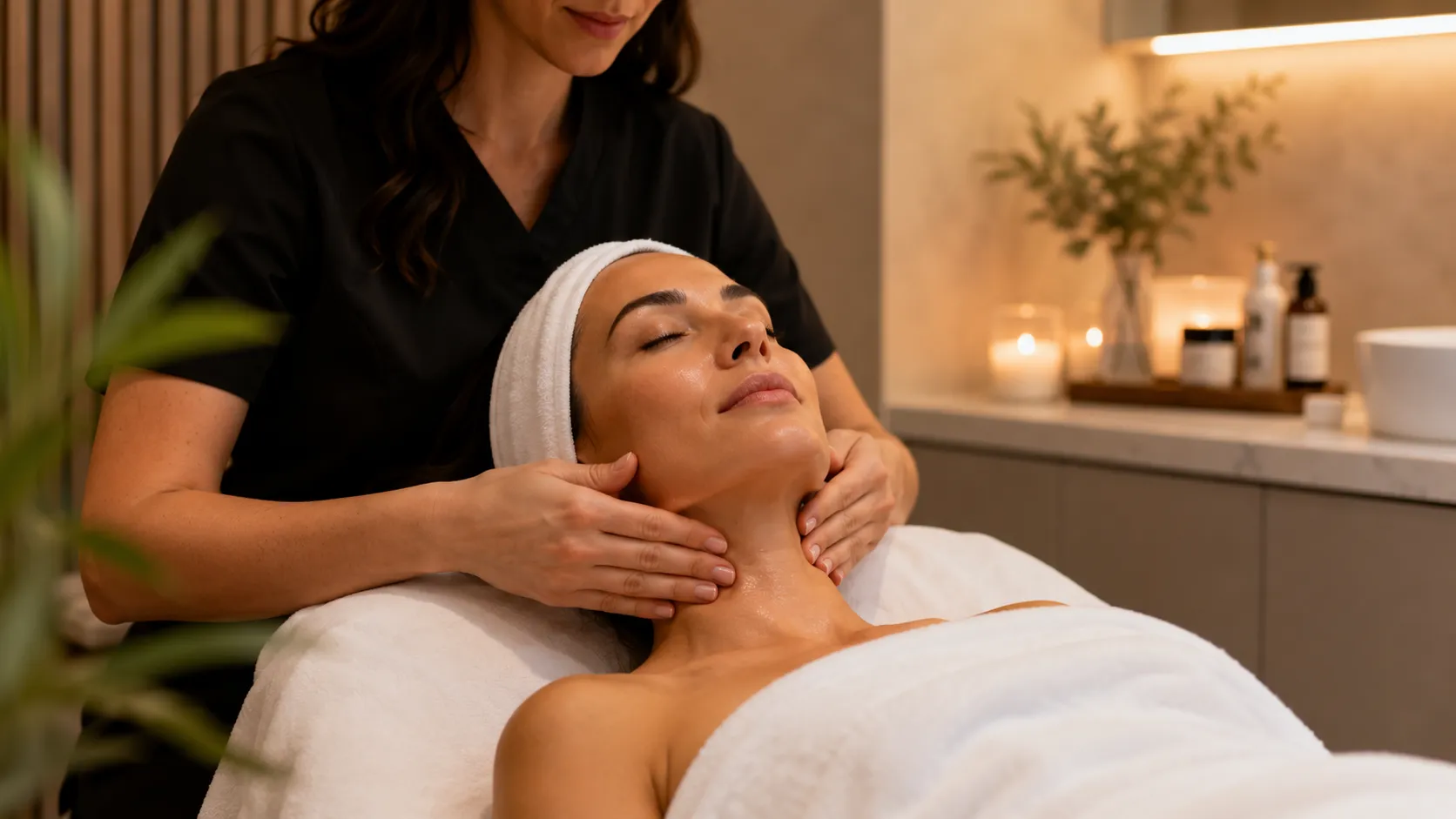
Unlike a deep facial massage, this treatment is feather-light. The pressure is soft and the motions are slow and rhythmic, which is what makes it both effective for fluid movement and surprisingly relaxing.
What does it do (and what are the honest limits)?
It helps to separate the cosmetic version from the medical one, and to be realistic about results.
What it can do for your face:
- Reduce puffiness and morning bloat
- Create a temporarily more sculpted, lifted appearance
- Support your skin's natural clarity by easing congestion
- Help calm a feeling of facial tension
- Feel deeply relaxing and de-stressing
The honest limits:
- The de-puffing effect is temporary, since it is about fluid moving, not permanent change
- It will not tighten loose skin structurally or replace anti-aging devices or injectables
- It is a cosmetic and wellness treatment, not a cure for medical conditions
It is worth knowing that manual lymphatic drainage in a medical setting is a recognized therapy for conditions like lymphedema and post-surgical swelling. The facial version you book at a spa borrows the same gentle technique for cosmetic de-puffing and glow. Both are valid, but they serve different purposes.
How do you find a licensed provider near you?
Search with terms like "lymphatic drainage facial near me," "facial lymphatic drainage in [your city]," or "lymphatic facial massage near me." You will typically find it offered by:
- Facial studios and estheticians, often as a standalone facial or an add-on to a regular facial
- Med spas, sometimes paired with LED therapy or other treatments
- Licensed massage therapists, especially those trained in manual lymphatic drainage
Read recent reviews, look for the treatment listed as a genuine specialty, and confirm the provider is licensed. Because this treatment is about technique, the provider's training matters more than the spa's decor.
How do you verify training and credentials?
This is the step that protects your results and your safety.
- Confirm a current license. Estheticians are licensed through your state board, and massage therapists through your state's massage board.
- Look for lymphatic-specific training. Strong providers list certifications such as CLT (Certified Lymphedema Therapist) or training in recognized methods like the Vodder or Chickly techniques.
- Use license lookup tools. Many states let you verify a license online, and the Federation of State Massage Therapy Boards offers a license lookup for massage therapists.
- Ask directly. A confident provider is happy to share their training and experience with facial lymphatic work.
If a state does not license massage therapists, look for documented training and experience in manual lymphatic drainage instead.
What does it cost in the U.S.?
Pricing depends on whether you book it as an add-on or a full treatment, the session length, and your city.
| Option | Typical U.S. cost |
|---|---|
| Facial lymphatic drainage as an add-on | $30 to $50 |
| Standalone facial lymphatic drainage | $75 to $150 |
| Extended or premium session (with LED, longer time, or full face/neck/shoulders) | $150 to $295 |
| Full-body lymphatic drainage (60 min) | $100 to $150 |
Big cities and med spas sit at the higher end, and packages usually lower the per-session cost. Note that purely cosmetic treatments are not covered by insurance, though medically necessary lymphatic drainage, such as post-surgical care, sometimes is. Always confirm coverage with your provider and insurer if a medical need applies.
What should you expect during the treatment?
A facial lymphatic drainage session is calm and gentle from start to finish.
- Consultation. Your provider reviews your skin, health history, and goals.
- Cleanse. They remove makeup and prep your skin.
- Light, rhythmic strokes. Using very soft pressure, they work along the neck, jaw, cheeks, and around the eyes, guiding fluid toward the lymph nodes and down the neck.
- Optional add-ons. Some studios include LED light therapy, a mask, or a facial roller.
- Finishing care. Moisturizer and, in daytime, sunscreen complete the session.
You may notice a flatter, more refreshed face right away. Drinking water before and after is often encouraged to support fluid movement. The whole experience should feel soothing, never painful.
Who should avoid it?
Lymphatic drainage is gentle, but it is not right for everyone. Skip it or get medical clearance first if you:
- Are pregnant
- Have an active infection or fever
- Have a heart condition or congestive heart issues
- Have blood clots or a clotting disorder
- Have kidney problems
- Have an untreated skin infection on the face
If any of these apply, talk with your doctor before booking. When a treatment moves fluid through your system, certain conditions need professional guidance first.
How do you de-puff at home between visits?
You can keep that fresh, de-puffed feeling going at home with a few simple habits and tools.
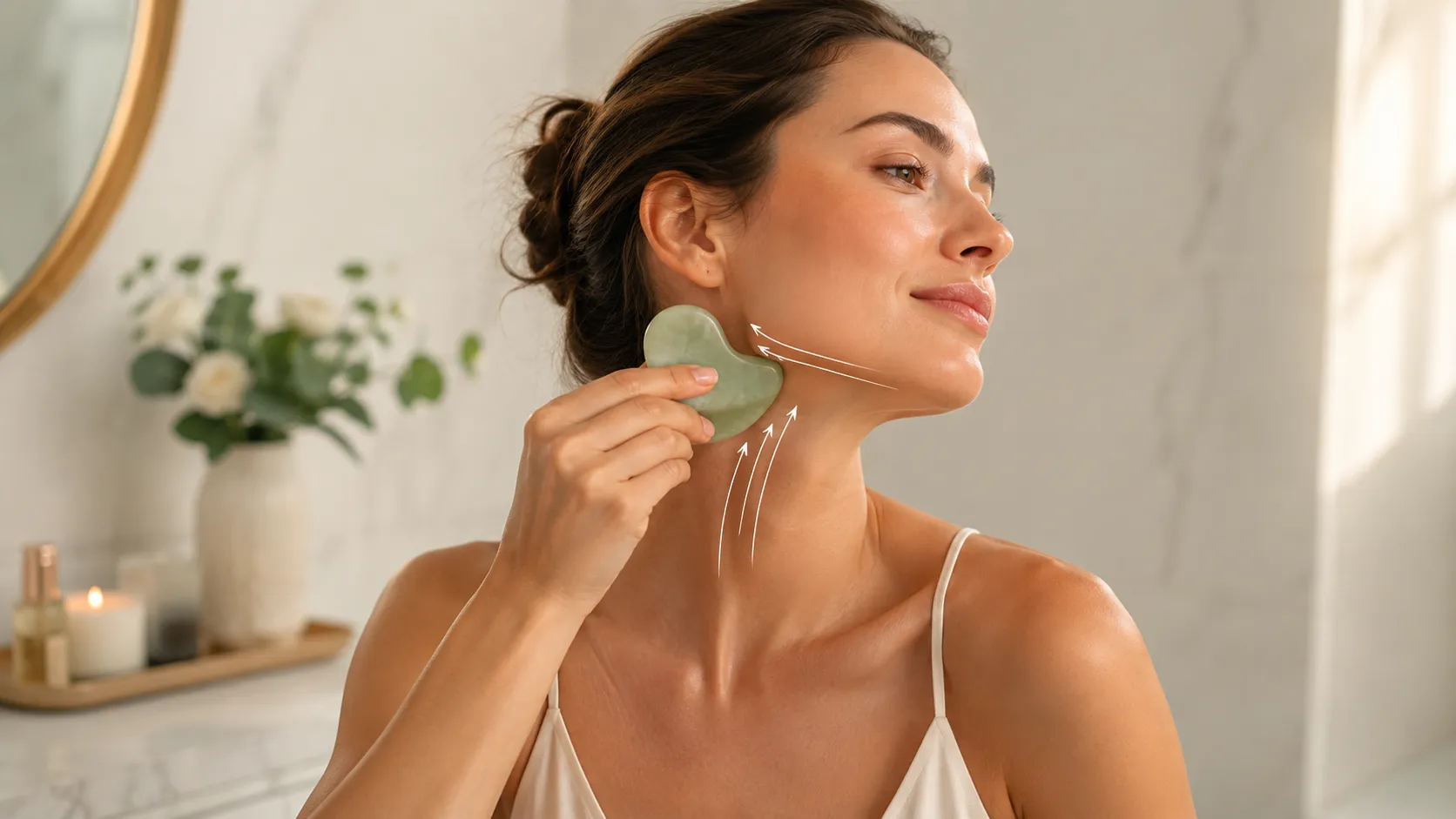
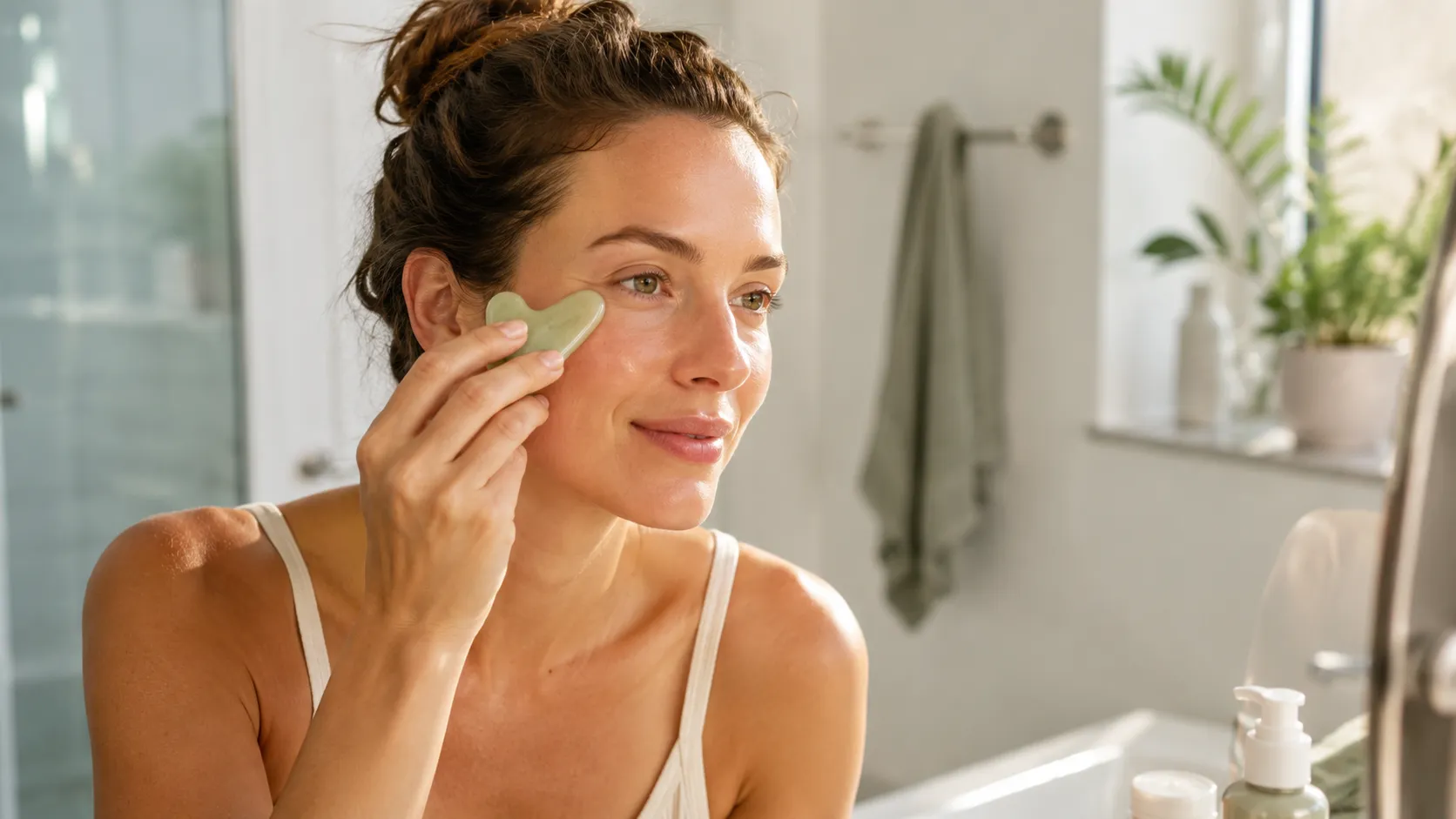
- A gua sha tool or facial roller used with gentle, upward and outward strokes encourages light lymphatic movement.
- A few minutes of manual facial massage with a facial oil, working from the center of the face outward toward the ears and down the neck.
- Cold therapy, like a chilled roller in the morning, can temporarily reduce puffiness.
- Staying hydrated and easing up on very salty foods supports less fluid retention.
- Sleeping with your head slightly elevated can reduce morning facial swelling.
A quality gua sha tool, a facial roller, and a good facial oil are the kind of affordable, easy-to-love staples we recommend across The Fern Edit, and they make at-home de-puffing simple between professional treatments.
Free printable: Download our At-Home De-Puff Facial Routine, a quick morning sequence of strokes and habits to reduce facial puffiness in minutes.
Common Mistakes to Avoid
- Choosing on price alone. Technique and training matter most for this treatment, so weigh credentials first.
- Expecting permanent sculpting. The de-puff is temporary. Enjoy it as a refresh, and pair it with proven skincare for lasting results.
- Pressing too hard at home. Lymphatic work is light. Heavy pressure is not better and can irritate skin.
- Skipping the health check. If you have a relevant condition, get clearance before booking.
- Forgetting hydration. Water before and after helps the treatment do its job.
Final Takeaway
A lymphatic drainage facial is a gentle, refreshing way to de-puff and glow without anything invasive. The key is finding a licensed, well-trained provider near you, understanding that the sculpted look is a temporary fluid shift, and protecting your health if you have a condition that calls for clearance. Pair an occasional professional session with simple at-home de-puffing, and you can keep that fresh, lifted look as part of your everyday routine.
This article is for general beauty and self-care education only and is not medical advice. If you are pregnant or have a heart, kidney, clotting, or infection-related condition, please consult your doctor before booking lymphatic drainage.
 📌 Save
Love this guide? Save it 📌
Pin it to your favorite board so it's easy to find again — and share it with a friend who'd love it too.
Save to PinterestFrequently asked questions
How much does a lymphatic drainage facial cost near me?
Expect about $30 to $50 as an add-on to a facial, or $75 to $150 for a standalone session, with premium or extended treatments reaching $150 to $295. Your city, the session length, and the provider's training affect the price.
What does a lymphatic drainage facial actually do?
It uses gentle, rhythmic strokes to move lymph fluid toward your lymph nodes, reducing puffiness and giving a temporarily de-bloated, more sculpted, refreshed look. It also feels calming and can ease facial tension.
Who should perform a lymphatic drainage facial?
A licensed esthetician or a licensed massage therapist, ideally with lymphatic-specific training such as CLT certification or Vodder or Chickly method training. Verify the license and ask about their experience with facial lymphatic work.
Is a lymphatic drainage facial safe?
For most healthy people, yes, and it is very gentle. Avoid it or get medical clearance first if you are pregnant or have an active infection, heart condition, blood clots, or kidney problems.
How often should I get a lymphatic drainage facial?
For general de-puffing and glow, many people book monthly or before events, and maintain results at home in between. If you have a medical reason, follow your provider's recommended schedule.
Can I do lymphatic drainage on my own face?
Yes, gently. Using a gua sha tool, a roller, or just your fingertips with facial oil, you can do light upward and outward strokes toward the ears and down the neck. Keep the pressure feather-light and stop if your skin feels irritated.

We cite sources and update this guide regularly.