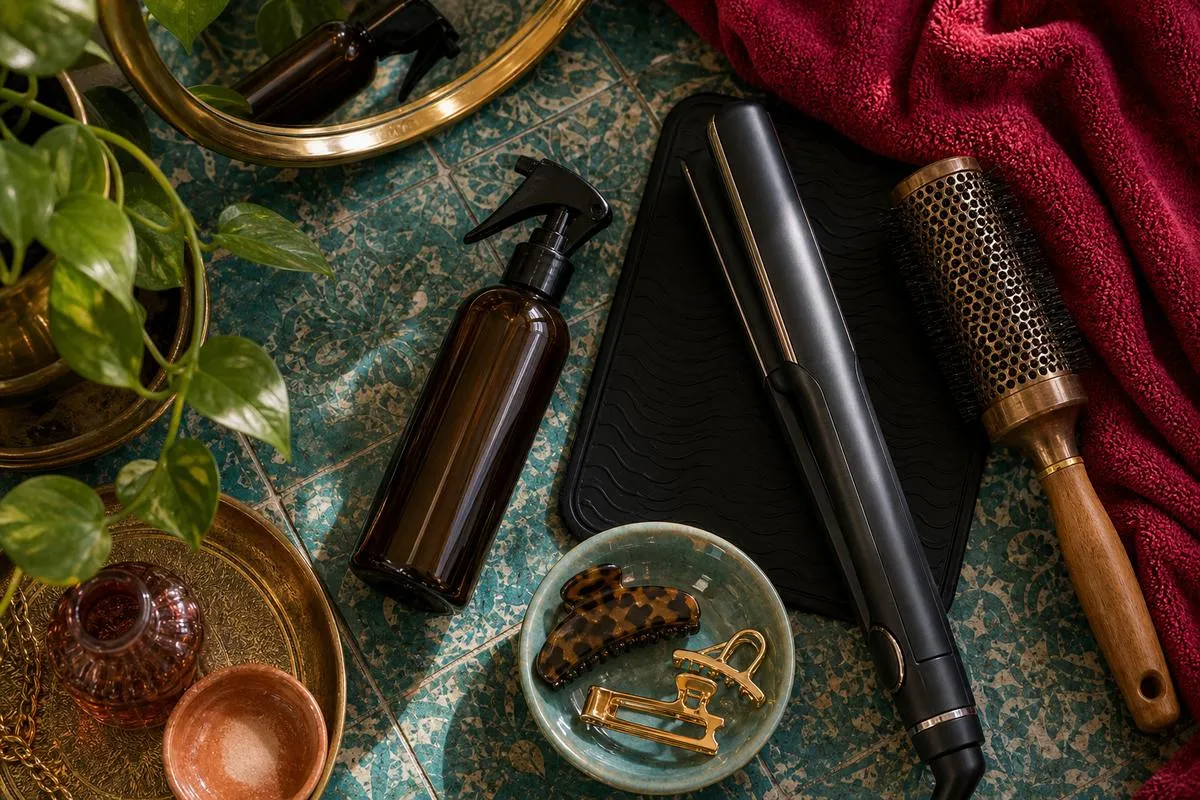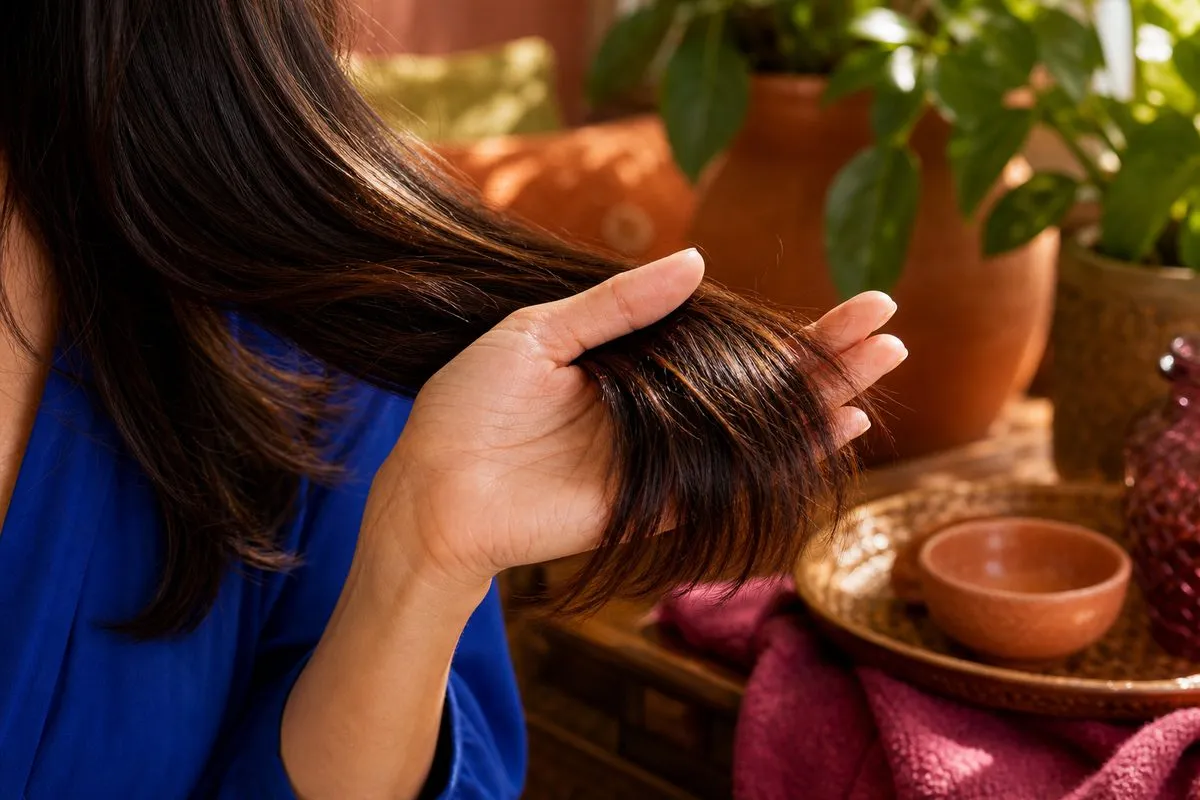

You repair damaged hair by rebalancing protein and moisture, using bond builders for structural damage from bleach, color, or heat, protecting from further harm with heat protectant and gentle handling, and trimming the damage that cannot be saved. Products can strengthen and smooth your strands and improve how they look and feel, but hair is not living tissue, so split ends cannot be permanently glued back. The real fix is repair plus prevention plus regular trims.
Damaged hair gets a lot of big promises, from products that claim to "heal" your strands to treatments that swear they will reverse years of bleach. The honest truth is more useful: you can genuinely strengthen, smooth, and protect damaged hair, but some damage can only be cut off and grown out. Knowing the difference is what actually saves your hair.
Damaged hair gets a lot of big promises, from products that claim to "heal" your strands to treatments that swear they will reverse years of bleach. The honest truth is more useful: you can genuinely strengthen, smooth, and protect damaged hair, but some damage can only be cut off and grown out. Knowing the difference is what actually saves your hair.
Here is what damage really is, what protein, moisture, and bond builders each do, and a realistic routine that works, without the hype.
Key takeaways
- Hair damage means a roughened cuticle and broken internal bonds.
- The core skill is balancing protein (strength) and moisture (softness).
- Bond builders target structural damage from bleach, color, and heat.
- You cannot truly "heal" hair. Split ends must be trimmed.
- Prevention does more than any single product.
What is damaged hair, actually?
Your hair is mostly keratin, a protein, with an outer layer called the cuticle made of overlapping scales. On healthy hair, those scales lie flat and lock in moisture. Damage raises and chips them, which is why damaged hair looks dull, feels rough, and loses moisture easily.
Inside the strand, keratin is held together by bonds. The strongest are disulfide bonds, which give hair its strength and account for most of its toughness. Bleach, color, perms, relaxers, and heat break these bonds, and unlike the weaker bonds that reform with water, broken disulfide bonds do not bounce back on their own. That combination, a roughed-up cuticle plus broken internal bonds, is what we call damage, and it shows up as breakage, frizz, and loss of elasticity.
Can you really repair damaged hair?
Here is the part most articles skip. Hair is not living tissue, so it cannot heal itself the way your skin does. Products can fill gaps, reinforce the shaft, and rebuild some bonds, which makes hair stronger, smoother, and better-looking, but a split end cannot be permanently fused back together. The only way to truly remove split or severely damaged ends is to cut them.
So real "repair" is three things working together: strengthening and smoothing what you have, preventing new damage, and trimming away what is past saving while healthier hair grows in. Any product promising to fully reverse severe damage is overselling. The good ones are excellent helpers, not miracles.
What is protein vs moisture balance?
This is the single most useful concept in damaged-hair care. Healthy hair needs both protein and moisture, and most problems come from being short on one.
- If your hair feels rough, dry, or brittle, it usually needs moisture. Reach for hydrating conditioners and masks with humectants like glycerin.
- If your hair feels overly soft, mushy, or limp and lacks elasticity, it usually needs protein. Reach for a protein or bond treatment.
- Too much protein without moisture is a real thing. Hair can turn stiff, straw-like, and snap. This is "protein overload," and the fix is to pause protein and deep-condition for moisture.
Learning to read your hair, rough means moisture, weak means protein, is more valuable than any single product.
What do bond builders do?
Bond builders, like Olaplex, K18, and similar treatments, work deeper than regular conditioners. Instead of just coating the surface, they help rebuild the broken internal bonds, especially the disulfide bonds damaged by bleach, color, and heat. That makes them the go-to for true structural damage and breakage.
A few honest notes. Bond builders improve strength, not frizz, since frizz is a moisture issue. They are not the same as protein treatments, though both strengthen. And they work best in moderation: highly processed hair might use them once or twice a week, moderate damage weekly, and healthier hair only occasionally. Overdoing strength without moisture leaves hair stiff, so always pair them with hydration.
What does a realistic repair routine look like?
Here is a sustainable weekly approach.
- Cleanse gently. Use a sulfate-free shampoo on the scalp and let the lather rinse through the lengths. Avoid harsh, stripping formulas.
- Condition every wash. Focus on the mid-lengths and ends, where damage lives.
- Add a weekly treatment. Alternate a moisture mask and a protein or bond treatment based on what your hair needs that week.
- Always use heat protectant. Before any hot tool, every time, on lower heat settings.
- Handle wet hair gently. Detangle with a wide-tooth comb, starting at the ends. Wet hair is at its most fragile.
- Trim regularly. Every 8 to 12 weeks removes split ends before they travel up the strand.
- Protect overnight. A silk or satin pillowcase reduces friction and breakage.
Repair by damage type
- Bleach and color damage: the most structural kind. Prioritize bond builders, balance with moisture, and space out further lightening.
- Heat damage: prevent first with heat protectant and lower temperatures. Strengthen with protein or bond treatments, and give your hot tools a rest.
- Mechanical damage: from rough brushing, tight styles, and friction. Switch to gentle detangling, looser styles, and softer accessories.
- Sun and environmental damage: UV degrades proteins. Use a hat or UV-protectant spray, and rinse after swimming.
Mistakes to avoid
- Chasing one miracle product. Repair is a routine, not a bottle.
- Piling on protein. More is not better, and overload makes hair brittle.
- Skipping heat protectant. This undoes your repair efforts daily.
- Brushing wet hair roughly. It causes more breakage than almost anything.
- Avoiding trims. Holding onto split ends lets damage climb higher.
Expert tips
- When in doubt about protein vs moisture, do a strand test: if wet hair stretches and snaps, it needs protein; if it feels rough and never softens, it needs moisture.
- Watch for silicone-heavy products that smooth instantly but build up without truly strengthening.
- A healthy scalp grows healthier hair, so do not neglect the roots. See our scalp care 101 guide.
- Be patient. Visible improvement in feel comes quickly, but truly healthier hair grows in over months.
Final takeaway
Repairing damaged hair is less about finding a magic bottle and more about understanding what your hair needs: the right balance of protein and moisture, bond builders for structural damage, steady protection from heat and friction, and regular trims to remove what is past saving. Products can do a lot to strengthen and smooth, but they cannot make hair living tissue again. Pair smart repair with consistent prevention, and your hair will look and feel dramatically better, with the truly healthy version growing in over time.
This article is for general beauty and self-care education only and is not medical advice. For hair loss, thinning, or a scalp condition, see a board-certified dermatologist.
 📌 Save
Love this guide? Save it 📌
Pin it to your favorite board so it's easy to find again — and share it with a friend who'd love it too.
Save to PinterestFrequently asked questions
Can you actually repair damaged hair?
You can strengthen, smooth, and protect it, and bond builders can rebuild some broken bonds, which genuinely improves how hair looks and feels. But hair is not living tissue, so it cannot fully heal, and split ends can only be trimmed off. Real repair is strengthening plus prevention plus trims.
Does my hair need protein or moisture?
If it feels rough, dry, or brittle, it needs moisture. If it feels overly soft, mushy, or stretchy with little strength, it needs protein. Most damaged hair needs both, balanced. Watch how your hair responds and adjust, since too much protein can make it stiff.
Do bond builders like Olaplex really work?
Yes, for structural damage. They rebuild broken internal bonds from bleach, color, and heat, improving strength and reducing breakage. They are not a frizz fix, since that is a moisture issue, and they work best used in moderation and paired with hydration.
How long does it take to repair damaged hair?
You will feel improvement in softness and strength fairly quickly with the right routine. But truly damaged ends cannot be saved and must grow out and be trimmed, which takes months. Consistency and regular trims matter more than any single treatment.
Can split ends be repaired?
Not permanently. Some products temporarily seal the look of split ends, but the only real fix is a trim. Leaving them lets the split travel up the strand and cause more breakage, so regular trims actually preserve length over time.
What is protein overload?
It is when hair gets more protein than it needs, leaving it stiff, dry, and brittle, prone to snapping. It happens from overusing protein or bond treatments without enough moisture. The fix is to pause protein and deep-condition with a moisturizing, protein-free formula.
How can I prevent further hair damage?
Use heat protectant every time and lower your tool temperatures, space out chemical processing, detangle gently with a wide-tooth comb on wet hair, protect against UV, and sleep on silk. Prevention does more for damaged hair than any repair product.
Should I cut my damaged hair or try to save it?
Both. Save and strengthen the healthy lengths with the right routine, but trim off split and severely damaged ends, since those cannot be repaired. A "save everything" approach usually leads to more breakage and a rougher look over time.
What causes hair damage?
Heat styling without protection, color and bleach, over-washing with harsh shampoo, rough handling and tight styles, friction from cotton pillowcases, and sun, chlorine, or salt water. Damage usually builds up from a combination of these over time, and most are preventable.

We cite sources and update this guide regularly.