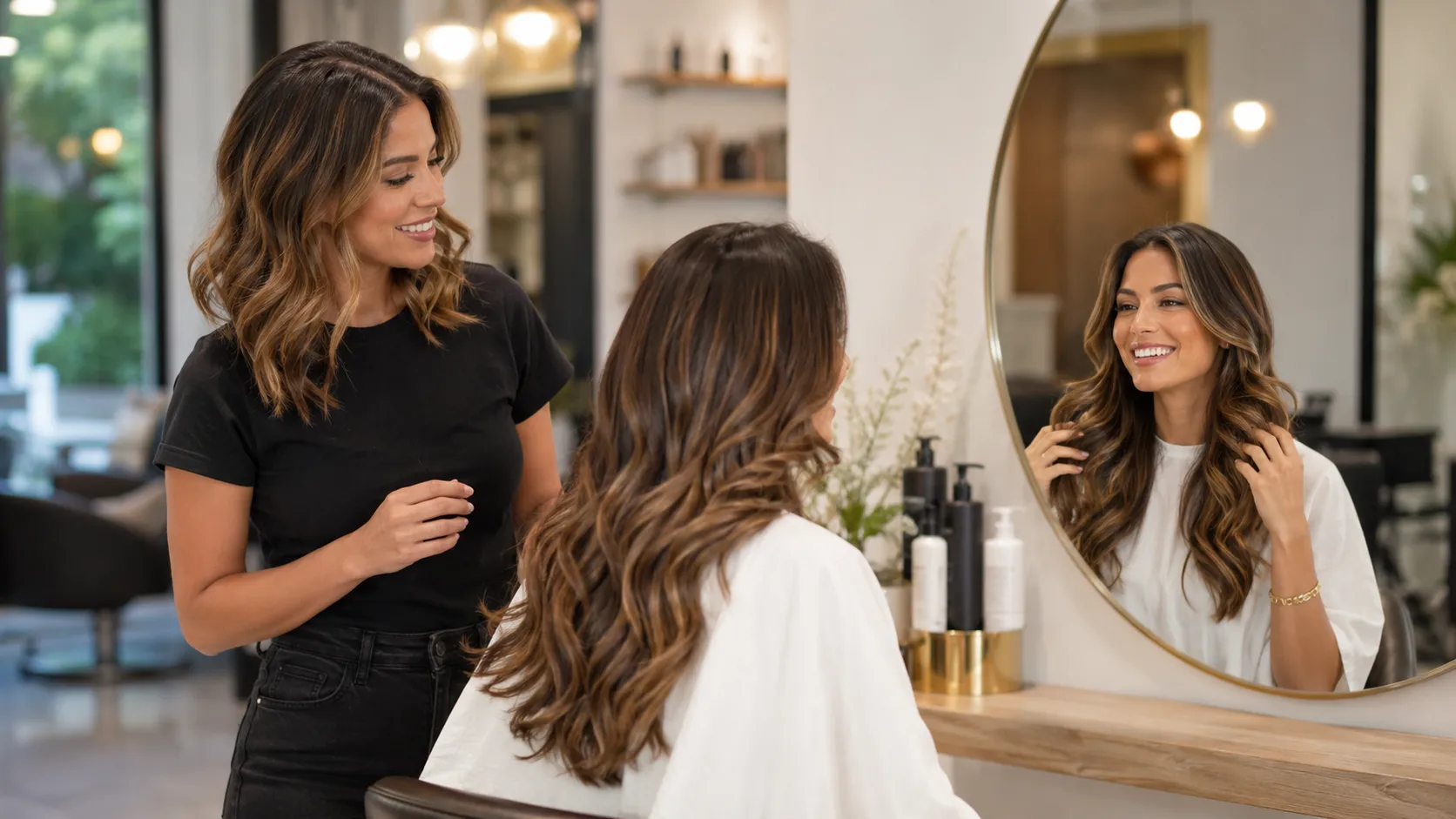
A keratin treatment smooths and de-frizzes hair by sealing the cuticle, usually lasting three to five months and costing about $150 to $400, though prices range higher. Many traditional formulas contain formaldehyde or formaldehyde-releasing ingredients, which mainly pose a risk to salon workers and in poorly ventilated spaces. Formaldehyde-free options using glyoxylic acid are gentler but fade sooner. Ask about the exact product, ventilation, and ingredients before booking.
Smooth, frizz-free, easy-to-style hair for months at a time is exactly why keratin treatments stay so popular. They can cut your styling time in half and tame even the most stubborn frizz. They also come with a real safety conversation around formaldehyde that is worth understanding before you book. Here is an honest, complete guide to getting a keratin treatment near you, including cost, longevity, and how to do it safely.
Smooth, frizz-free, easy-to-style hair for months at a time is exactly why keratin treatments stay so popular. They can cut your styling time in half and tame even the most stubborn frizz. They also come with a real safety conversation around formaldehyde that is worth understanding before you book. Here is an honest, complete guide to getting a keratin treatment near you, including cost, longevity, and how to do it safely.
Key Takeaways
- Keratin treatments smooth and tame frizz for about three to five months, not permanently.
- Salon costs commonly run $150 to $400, varying by hair length, salon, and formula.
- Many traditional formulas use formaldehyde or formaldehyde-releasers, a known carcinogen at high exposure.
- The biggest risk is to salon workers and in poorly ventilated salons, with lower exposure for occasional clients.
- Formaldehyde-free options exist, last a bit shorter, and are gentler. Always ask what is in the product.
What is a keratin treatment?
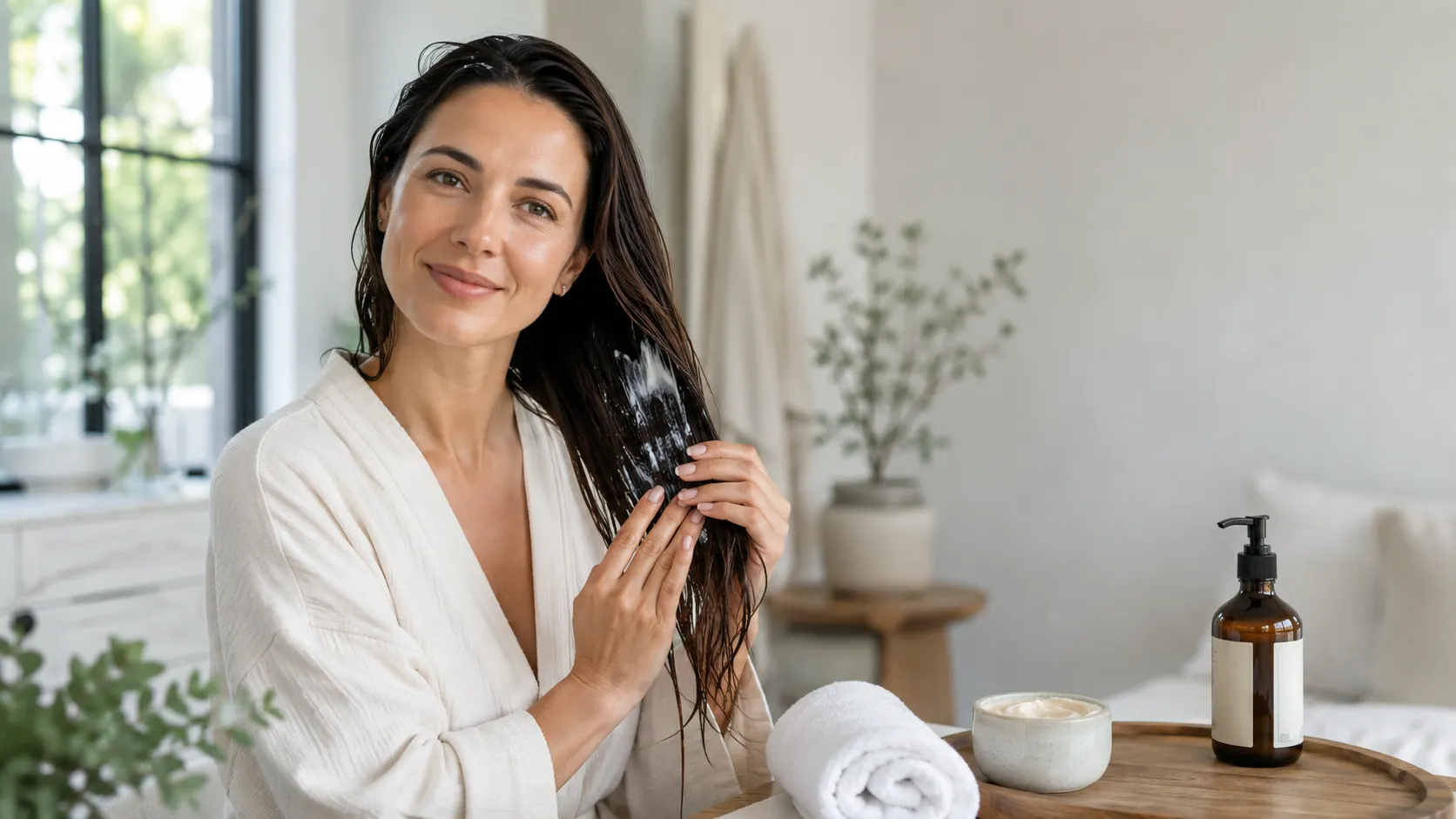
A keratin treatment, often called a Brazilian keratin treatment or keratin smoothing, is a semi-permanent service that smooths and relaxes frizzy, wavy, or curly hair. A cream containing keratin protein is brushed through the hair, then blow-dried and flat-ironed at high heat. The heat helps bind the smoothing keratin to your hair and seal the cuticle, leaving hair sleeker and shinier.
It is important to know what it is not. Unlike a chemical relaxer or Japanese straightening, which permanently breaks and resets the hair's bonds, a keratin treatment is temporary. It softens your hair's natural texture rather than locking it straight, and it gradually washes out over a few months.
What are the benefits people love?
Keratin treatments have a loyal following for good reason:
- Major frizz reduction, even on thick or curly hair
- Smoother, shinier, more manageable hair
- Faster styling, with many people cutting blow-dry time by half or more
- Less heat damage over time, since you can air-dry more often
- Stronger-feeling ends, which can make hair look like it grows faster because it breaks less
- Works on color-treated hair, often enhancing shine
If your mornings revolve around fighting frizz, the time savings alone can feel worth it.
What does it cost near you?
Pricing varies widely by hair length, salon reputation, location, and the formula used. As a realistic guide, salon keratin treatments commonly run about $150 to $400, with some premium or full-length services climbing higher. Formaldehyde-free treatments often sit at the upper end of that range, roughly $200 to $400, since the gentler formulas can cost more. Longer or very thick hair usually costs more because it takes more product and time. As with most salon services, a tip for your stylist is customary.
How long does it last?
Most keratin treatments last about three to five months, though this depends heavily on your hair and how you care for it. Traditional formaldehyde-based formulas tend to last longer, often four to five months, while formaldehyde-free versions usually last closer to two to three months. How often you wash, whether you use sulfate-free products, and exposure to chlorine, saltwater, and sun all affect longevity. With gentle care, some people stretch results toward the six-month mark.
Is the formaldehyde in keratin treatments safe?
This is the part worth reading closely, because honesty matters here. Many traditional keratin treatments contain formaldehyde or methylene glycol, an ingredient that releases formaldehyde when heated during the flat-ironing step. Formaldehyde is classified as a carcinogen at sustained high concentrations, and health agencies including OSHA and the American Cancer Society have flagged it.
Here is the balanced picture:
- The greatest risk is to salon workers who perform these treatments repeatedly and breathe the fumes day after day.
- For a client getting a treatment two or three times a year, exposure is far lower.
- Even single sessions can cause eye irritation, throat burning, or headaches, especially in poorly ventilated salons.
- The FDA has moved to restrict formaldehyde in hair-smoothing products and has issued safety alerts and warning letters over the years.
- Some products labeled formaldehyde-free have still contained it, which is why checking the actual ingredients matters.
None of this means you cannot get a keratin treatment. It means you should book thoughtfully, ask questions, and prioritize ventilation and product transparency.
What are the formaldehyde-free options?
If the safety concerns give you pause, formaldehyde-free treatments are a genuine middle ground. These use glyoxylic acid as the bonding agent instead, and well-known formulas in this category exist. The trade-offs are honest: results are usually a little less dramatic and last a bit shorter, often around two to three months. For many people, the gentler ingredient profile and peace of mind are worth the slightly shorter wear. If you have sensitive skin, are pregnant, or simply prefer to avoid formaldehyde exposure, these are worth asking about by name.
How to Book Safely
A few simple steps protect you no matter which formula you choose:
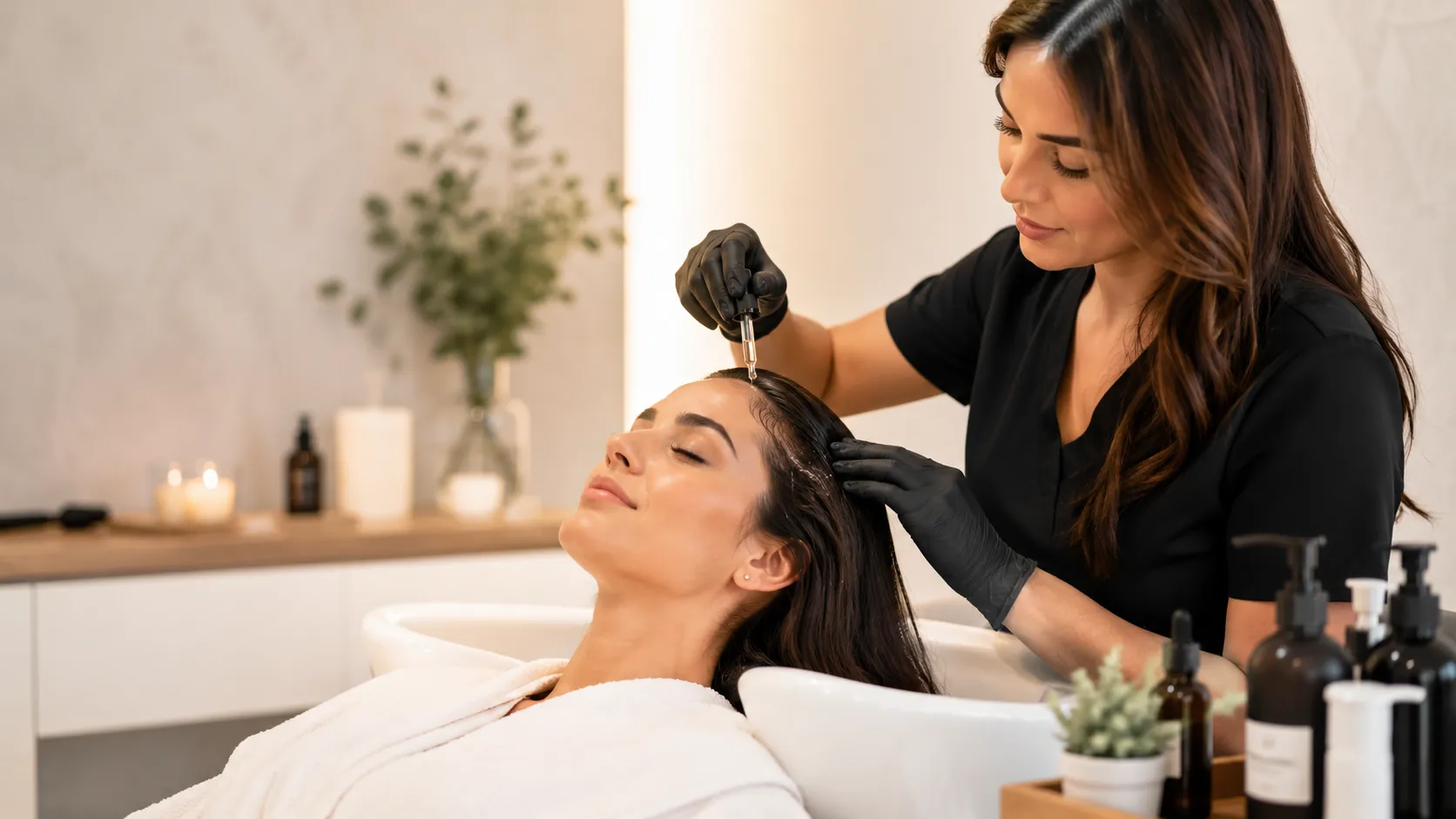
- Ask exactly which product and brand the salon uses, and request the Safety Data Sheet if you want to verify ingredients.
- Confirm the salon is well ventilated, with fans or open airflow during the flat-ironing step.
- Ask whether they offer a formaldehyde-free option if that matters to you.
- Mention pregnancy, asthma, allergies, or sensitivities so your stylist can advise.
- Choose an experienced stylist with strong reviews for keratin specifically.
- Do not overdo frequency. Spacing treatments out reduces cumulative exposure.
If a salon cannot tell you what is in their product or brushes off ventilation questions, treat that as a reason to look elsewhere.
Aftercare to Make It Last
Good aftercare is the difference between three months and five. To protect your results:
- Wait the first 72 hours before washing, tying up, or clipping your hair while the bond sets.
- Use a sulfate-free shampoo and conditioner, since sulfates strip the treatment.
- Wash less often, about two to three times a week.
- Sleep on a silk pillowcase to reduce friction.
- Limit chlorine, saltwater, and excess sun, which degrade keratin faster.
A good sulfate-free shampoo and conditioner, a smoothing hair serum, and a silk pillowcase are exactly the kind of affordable staples we recommend across The Fern Edit to keep results looking fresh for months.
Free printable: Download our Keratin Treatment Safety and Aftercare Guide, with the questions to ask your salon, an ingredient checklist, and a wash-day timeline.
Common Mistakes Women Make
- Not asking what is in the product. If a salon cannot name the formula or show the Safety Data Sheet, that is a red flag.
- Ignoring ventilation. Poor airflow during flat-ironing is when irritation is most likely, so confirm the space is well ventilated.
- Washing too soon. Washing, tying up, or clipping hair in the first 72 hours can undo the treatment before it sets.
- Using sulfate shampoos. Sulfates strip keratin fast, cutting your results short. Switch to sulfate-free.
- Expecting permanent results. Keratin is semi-permanent and gradually washes out, so plan for touch-ups rather than a one-time fix.
Who is it best for?
Keratin treatments suit people with frizzy, wavy, curly, or coarse hair who want smoother, more manageable strands and faster styling. Fine hair often does best with a lightweight formula, while coarse hair may need a more intensive one. If you love your natural curl pattern and want to keep it defined, this may not be the right service, since it relaxes texture. And if you are pregnant or have respiratory sensitivities, talk to your stylist and consider a formaldehyde-free option or skipping it for now.
Final Takeaway
A keratin treatment can transform frizzy, hard-to-manage hair into smooth, shiny, fast-styling hair for months, which is exactly why it remains a salon favorite. The honest catch is the formaldehyde conversation, so the smart move is to ask what is in the product, insist on good ventilation, and consider a formaldehyde-free option if you have any concerns. Choose an experienced stylist, follow the aftercare, and you can enjoy sleek, manageable hair while keeping safety front and center.
This article is for general beauty and self-care education only and is not medical advice. If you are pregnant, have respiratory conditions, or have concerns about chemical exposure, please consult a licensed professional or your doctor before booking.
 📌 Save
Love this guide? Save it 📌
Pin it to your favorite board so it's easy to find again — and share it with a friend who'd love it too.
Save to PinterestFrequently asked questions
How much does a keratin treatment cost near me?
Salon keratin treatments commonly cost about $150 to $400, with formaldehyde-free options often at the higher end and longer or thicker hair costing more. Prices vary by salon, location, and formula, and a tip is customary.
How long does a keratin treatment last?
Usually three to five months. Formaldehyde-based formulas tend to last longer, around four to five months, while formaldehyde-free versions last closer to two to three months. Sulfate-free care and gentle washing extend results.
Are keratin treatments safe?
The main concern is formaldehyde, which is a carcinogen at high exposure. The biggest risk is to salon workers and in poorly ventilated salons. For occasional clients exposure is lower, and formaldehyde-free options reduce it further. Always ask about the product and ventilation.
What is a formaldehyde-free keratin treatment?
It uses glyoxylic acid instead of formaldehyde to bond the treatment. These are gentler and avoid formaldehyde exposure, but results are usually a little less dramatic and last a bit shorter, often two to three months.
Can I style my hair after a keratin treatment?
Yes, after the first 72 hours you can curl, braid, and use hot tools freely. The treatment makes your baseline smoother rather than locking it in place, and washing returns hair to its smoother default.
Who should avoid keratin treatments?
Anyone who is pregnant or has asthma or respiratory sensitivities should be cautious, especially with formaldehyde-based formulas, and may prefer a formaldehyde-free option or to skip it. If you want to keep your natural curl pattern defined, it may not be the right choice.

We cite sources and update this guide regularly.