To find a hair salon near you that keeps your hair healthy, prioritize a thorough consultation, honest advice, and stylists who protect your hair over chasing trends. Look for strong reviews, a portfolio that matches your hair type, and a stylist who asks about your hair history and is upfront when a color or style could cause damage. Start with a low-stakes service to test the fit before a big change.
The right hair salon does more than give you a pretty cut. It protects the long-term health of your hair, knows when to say no to a damaging process, and sends you home with a routine that keeps your strands strong. Finding that salon near you takes a little research, but it pays off in healthier hair for years. Here is how to find a stylist who treats your hair like the investment it is.
The right hair salon does more than give you a pretty cut. It protects the long-term health of your hair, knows when to say no to a damaging process, and sends you home with a routine that keeps your strands strong. Finding that salon near you takes a little research, but it pays off in healthier hair for years. Here is how to find a stylist who treats your hair like the investment it is.
Key Takeaways
- The consultation is the single best predictor of a healthy-hair salon, so pay attention to it.
- A great stylist is honest about what your hair can and cannot handle, especially with color.
- Reviews, social media portfolios, and word-of-mouth referrals are your best research tools.
- Match the stylist to your specific hair type, texture, and goals.
- Test a new stylist with a trim or treatment before committing to a major transformation.
Why does the right salon protect your hair?
A skilled, conscientious salon does not just style your hair, it safeguards it. The difference shows up most with chemical services like color and lightening, where an honest stylist assesses your hair's condition and tells you the truth about what it can handle. A great salon recommends bond-building or strengthening treatments, uses heat protection, and times processes carefully to avoid over-processing. A careless one chases the look you want without considering whether your hair can survive it, and the breakage shows up weeks later. Choosing well is the first step to healthy hair.
How do you research salons near you?
Finding the right place takes a little homework, and these methods work best:
- Ask people whose hair you admire. Word-of-mouth referrals from friends, family, and coworkers are the most trusted source. If you love someone's hair, ask who does it.
- Read reviews carefully. On Google and elsewhere, look for consistency and specific comments about cleanliness, communication, and healthy results, not just one-off praise.
- Study their social media. A salon's Instagram, Pinterest, or Facebook is a living portfolio. Look for work on hair like yours, and search local hashtags to find stylists nearby.
- Match the specialty to your needs. Some stylists shine at color, others at curls, textured hair, or precision cuts. Pick one who specializes in what you want.
- Notice the stylist's own hair. Healthy, well-kept hair is a quiet sign they know their craft.
Why is the consultation everything?
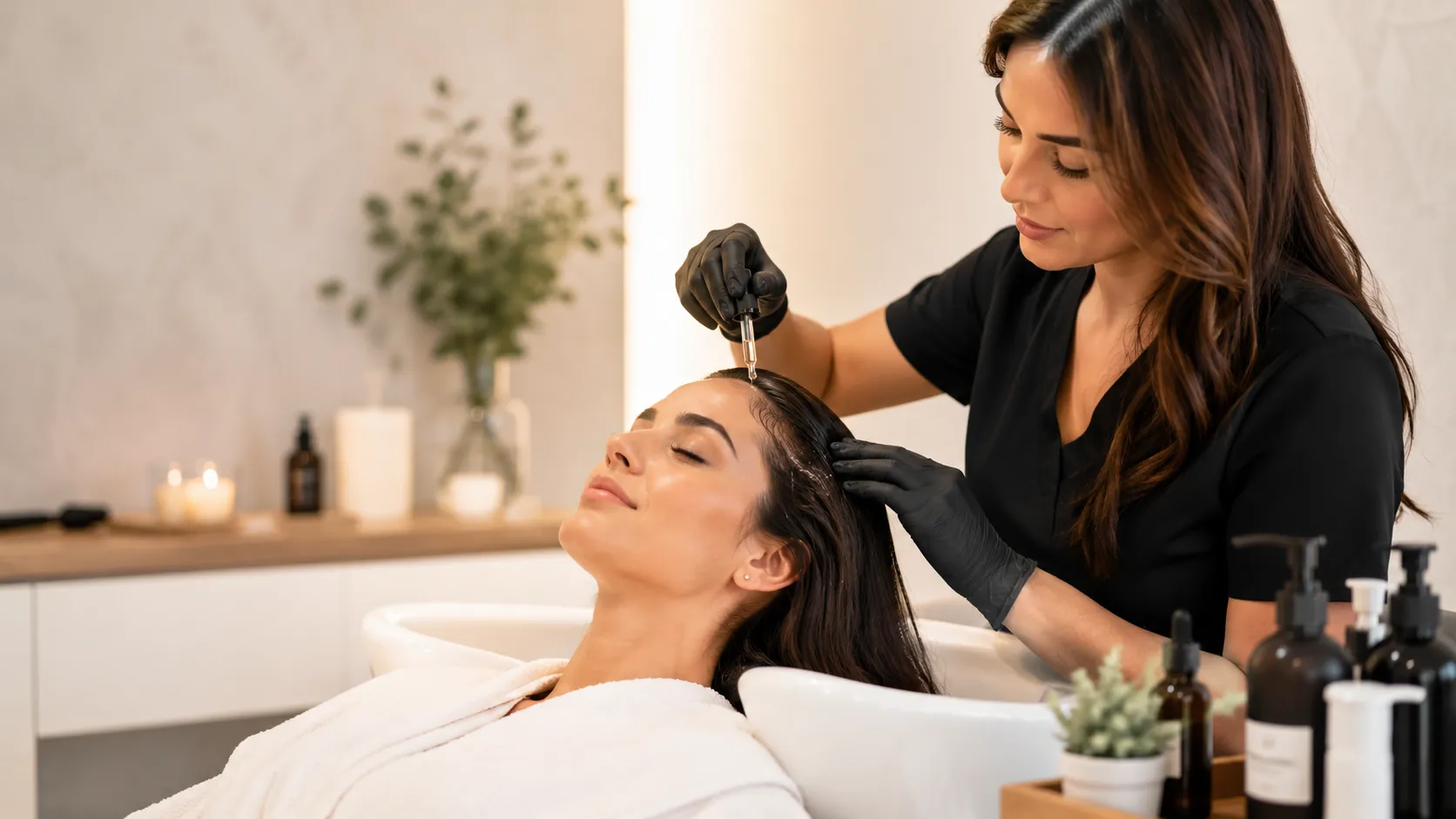
Most good salons offer a free consultation, and it is the clearest window into whether they will protect your hair. A great stylist uses this time to learn about you, not just book the appointment. Watch for whether they:
- Ask about your hair history, past treatments, and any coloring or chemical services
- Assess your hair's texture, strength, and current condition
- Ask about your daily routine and lifestyle
- Listen closely and offer ideas, rather than rushing
- Are honest when your goal might damage your hair or is not realistic right now
If a stylist genuinely seems to care about your hair's health and takes the time to understand it, that is the strongest green flag there is.
Questions to Ask Before You Commit
Bring a few questions to your consultation to gauge fit and expertise:
- How long have you been doing hair, and do you specialize in my hair type or service?
- Can my hair handle this color or process right now, honestly?
- What treatments would you recommend to keep my hair healthy through this?
- What will maintaining this look require at home, and how often will I need to come in?
- What products and tools will I need, and why?
- What is the full cost, including any treatments or future touch-ups?
A stylist who answers thoughtfully, explains why products work rather than just upselling, and is upfront about cost is one you can trust.
What are the green flags of a healthy-hair salon?
You are in good hands when you notice:
- A genuine, unhurried consultation focused on your hair's condition
- Honesty about limits, including a willingness to say "your hair is not ready for that yet"
- Recommendations for strengthening or bond-building treatments with color services
- Heat protection and careful technique rather than rushing
- Clear product education, explaining what to use and why
- A clean, organized space and licensed, continually trained stylists
- Realistic maintenance advice so you know what you are signing up for
What are the red flags to avoid?
Trust your instincts if you see:
- A stylist who skips the consultation or rushes through it
- Pushing a drastic color or process without assessing your hair's condition
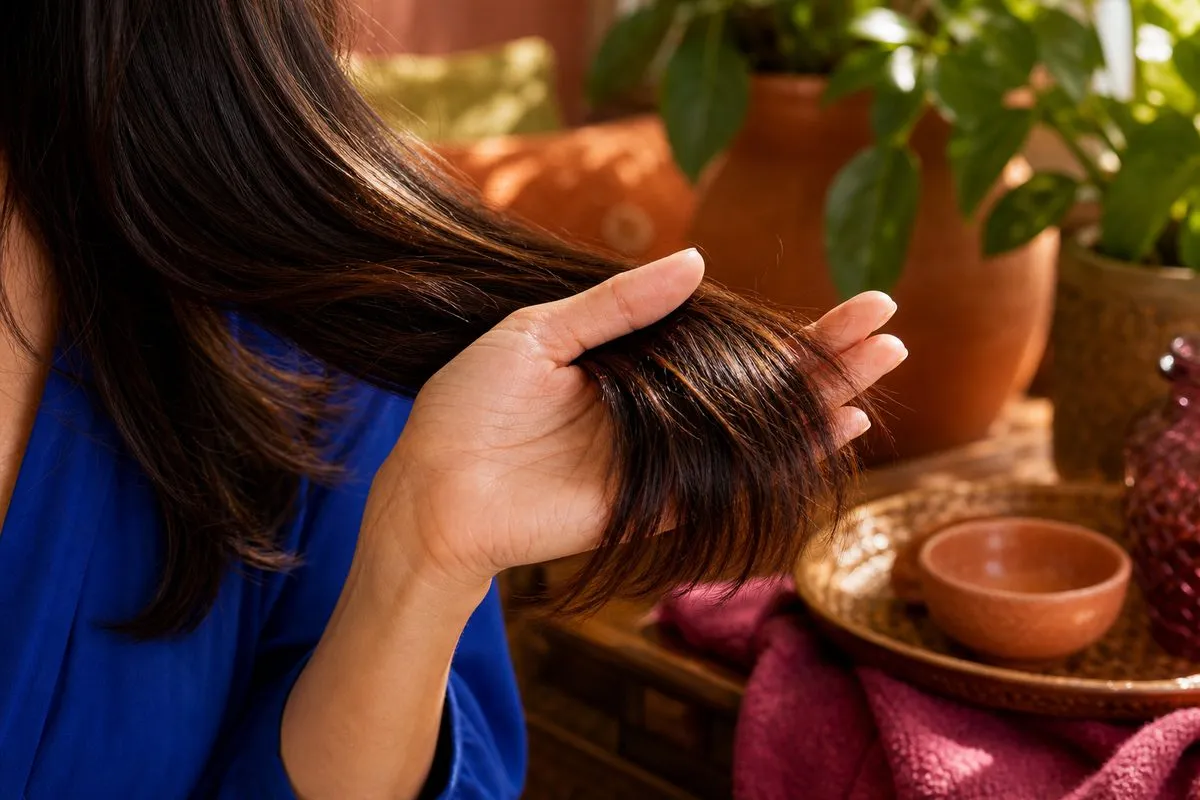
- Ignoring signs of damage or breakage
- Only upselling products without explaining why they help
- Vague or evasive answers about cost
- A space that feels unclean or disorganized
If something feels off, it is fine to thank them and keep looking. Your hair is worth the search.
How do you communicate with your stylist?
Even the best stylist needs your input to protect your hair and deliver the look you want:
- Know your goals. Decide whether you want growth, a color change, or a new cut so you can describe it clearly.
- Bring inspiration photos for both cut and color, which help the stylist gauge what is realistic.
- Be honest about your history. Mention every past color, treatment, or product, since these affect what your hair can take.
- Share your real routine. If you will not use five products daily, say so, and ask for a plan you will actually follow.
- Speak up during the appointment. Good stylists welcome questions and feedback.
Healthy Hair Starts at Home
The best salon results only last if you support them between visits. A simple, consistent routine makes all the difference:
- Use a gentle, sulfate-free shampoo and conditioner suited to your hair type.
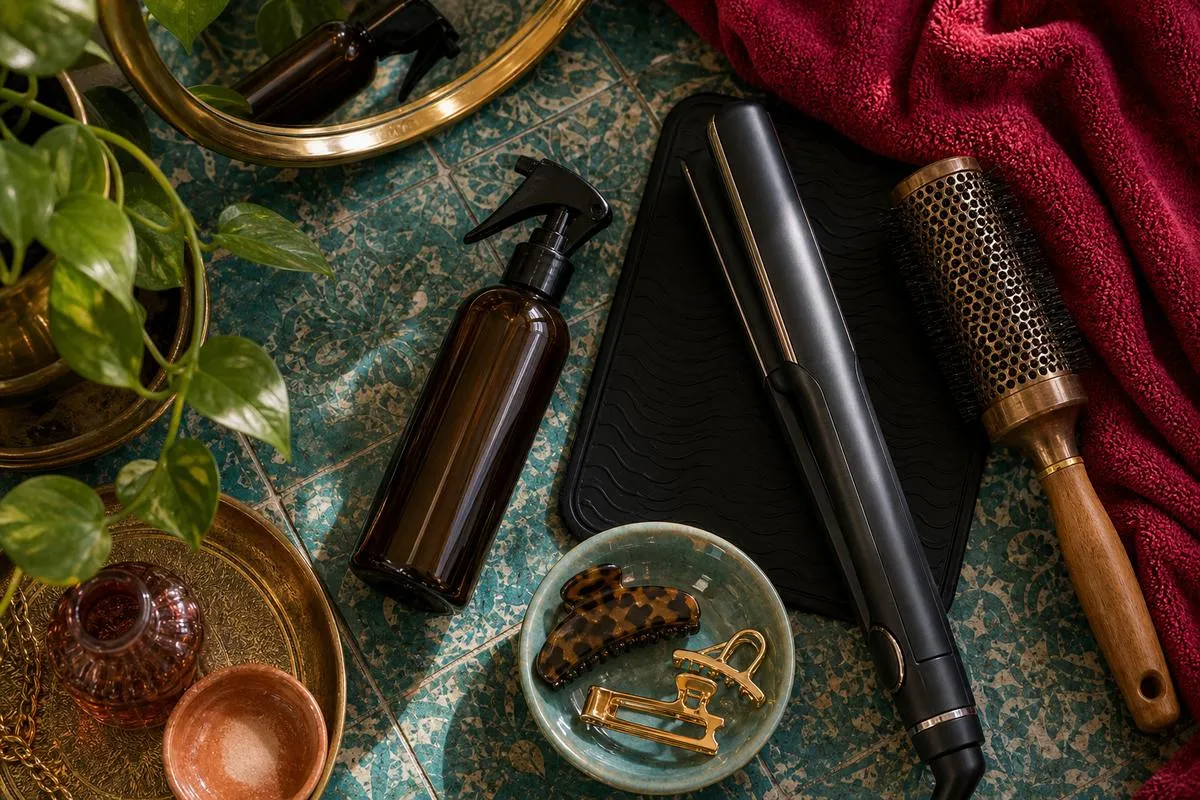
- Apply a heat protectant before any hot tools.
- Treat your hair weekly with a nourishing hair mask or bond-building treatment.
- Add a leave-in conditioner or hair oil for extra moisture and shine.
- Sleep on a silk pillowcase to reduce friction and breakage.
- Book regular trims to keep ends healthy.
These affordable, hardworking staples are exactly the kind of products we recommend across The Fern Edit to keep your hair strong, shiny, and damage-free between appointments. If you have ongoing scalp issues or unusual hair loss, a dermatologist or trichologist can help get to the root cause.
Free printable: Download our Healthy Hair Salon Checklist and Home Routine, with consultation questions, green and red flags, and a simple weekly care plan.
Common Mistakes Women Make
- Skipping the consultation. It is the best way to judge a stylist before committing.
- Choosing on price alone. Skilled stylists who protect your hair are usually worth a bit more.
- Going drastic on the first visit. Test the fit with a trim or treatment before a big change.
- Hiding your hair history. Past color and treatments matter enormously for what your hair can handle.
- Ignoring home care. Even a great cut and color need the right routine to stay healthy.
Final Takeaway
Finding a hair salon near you that keeps your hair healthy comes down to a great consultation, an honest stylist, and a little research. Look for someone who studies your hair's condition, tells you the truth about what it can handle, and protects it with smart treatments and technique. Test the fit with a small service first, communicate openly, and support your results with a simple home routine. Get that combination right, and your salon visits become the foundation of healthy, beautiful hair.
This article is for general beauty and self-care education only and is not medical advice. For persistent scalp conditions or unusual hair loss, please see a licensed dermatologist or trichologist.
 📌 Save
Love this guide? Save it 📌
Pin it to your favorite board so it's easy to find again — and share it with a friend who'd love it too.
Save to PinterestFrequently asked questions
How do I find a good hair salon near me?
Start with referrals from people whose hair you admire, then read reviews for consistency and study the salon's social media portfolio for work on hair like yours. Match the stylist's specialty to your needs and book a consultation to judge the fit.
What should I look for in a healthy-hair stylist?
A thorough consultation, honesty about what your hair can handle, recommendations for strengthening treatments with color, careful technique with heat protection, and clear product education rather than pushy upselling.
What questions should I ask a hairstylist?
Ask about their experience and specialty, whether your hair can handle the process right now, which treatments will keep it healthy, the maintenance and products required, and the full cost including future touch-ups.
How can I tell if a salon will damage my hair?
Red flags include skipping or rushing the consultation, pushing a drastic color without assessing your hair's condition, ignoring breakage, and only upselling products. A salon that protects your hair will be honest about limits.
Should I test a new stylist before a big change?
Yes. Booking a low-stakes service like a trim, conditioning treatment, or blowout lets you judge their skill, communication, and care before trusting them with a major cut or color.
How do I keep my hair healthy between salon visits?
Use a gentle sulfate-free shampoo and conditioner, always apply heat protectant, do a weekly mask or bond-building treatment, add a leave-in or oil, sleep on silk, and book regular trims.

We cite sources and update this guide regularly.