

To find a clean, reputable nail salon near you, look for tools that arrive in sealed sterilized pouches, brand-new single-use files and buffers, properly cleaned foot baths, and licenses displayed openly. A clean salon also wipes stations between clients, has good ventilation, and welcomes your questions. If you see dirty tools, reused files, or a strong chemical smell, walk away.
A fresh manicure should leave you with pretty nails and nothing else. Unfortunately, a salon that cuts corners on cleanliness can hand you a fungal infection, an irritated cuticle, or worse. The good news is that you do not need to memorize health codes to protect yourself. A handful of quick, observable signs tell you almost everything about whether a nail salon near you takes hygiene seriously. Here is your simple U.S. checklist.
A fresh manicure should leave you with pretty nails and nothing else. Unfortunately, a salon that cuts corners on cleanliness can hand you a fungal infection, an irritated cuticle, or worse. The good news is that you do not need to memorize health codes to protect yourself. A handful of quick, observable signs tell you almost everything about whether a nail salon near you takes hygiene seriously. Here is your simple U.S. checklist.
Key Takeaways
- The clearest green flags are sealed sterilized tools, fresh single-use files, and visible licenses.
- Metal tools should be sterilized in an autoclave or dry heat plus hospital-grade disinfectant.
- Files and buffers cannot be properly disinfected, so they must be new for every client.
- Foot baths should be drained and cleaned between clients, and pipeless basins are safer.
- Trust your instincts. If something looks or smells off, it is fine to leave before any service.
Why does nail salon hygiene matter?
Nail services involve close contact with your skin, nails, and cuticles, sometimes with tiny nicks you never notice. When tools are not cleaned correctly, that contact can spread bacteria, fungus, and viruses. Common issues include fungal nail infections, athlete's foot, staph and other bacterial infections, and warts. Rarely, improperly handled tools have been linked to bloodborne concerns.
None of this is inevitable. Every one of these risks is preventable with proper sanitation applied consistently, every single appointment. The key word is consistently, which is why knowing what to look for protects you far better than hoping for the best.
What are the green flags of a clean salon?
You can spot a hygienic salon within the first few minutes. Look for these signs:
- Sealed sterilized tools. Metal implements like nippers, pushers, and clippers arrive in sealed pouches and are opened in front of you, or are visibly taken from disinfectant at the start of your service.
- Fresh single-use files and buffers. Nail files and buffer blocks cannot be properly disinfected, so a clean salon opens new ones for you or invites you to bring your own.
- Clean stations between clients. Tables, lamps, and armrests are wiped down before each person. Arrive a few minutes early and you can usually see this happen.
- Good ventilation. A slight chemical smell is normal, but the air should not be overwhelming. Strong, lingering fumes signal poor ventilation.
- Displayed licenses. Salon and technician licenses are visible, and staff are happy to point them out.
- A generally tidy space. Clean floors, fresh towels, lidded trash bins, and a clean restroom all suggest the same care extends to the tools.
A simple rule of thumb: if the space feels polished and orderly, the sanitation usually is too.
What are the red flags to walk away from?
Some signs are worth ending the visit over, even after you have sat down.
- Dirty, dusty, or visibly used tools pulled from a drawer
- Reused files or buffers that are clearly not new
- A strong, lingering chemical smell or no ventilation
- No visible license, or staff who get defensive when you ask
- A technician working on someone with an obvious nail infection or open sores
- Foot baths that are simply refilled rather than cleaned between clients
- Razor-style callus shavers, which are illegal in many states and unsafe
If you notice several of these, do not have any service done. You can quietly leave, and in serious cases you can report the salon to your local health department.
How should tools be handled?
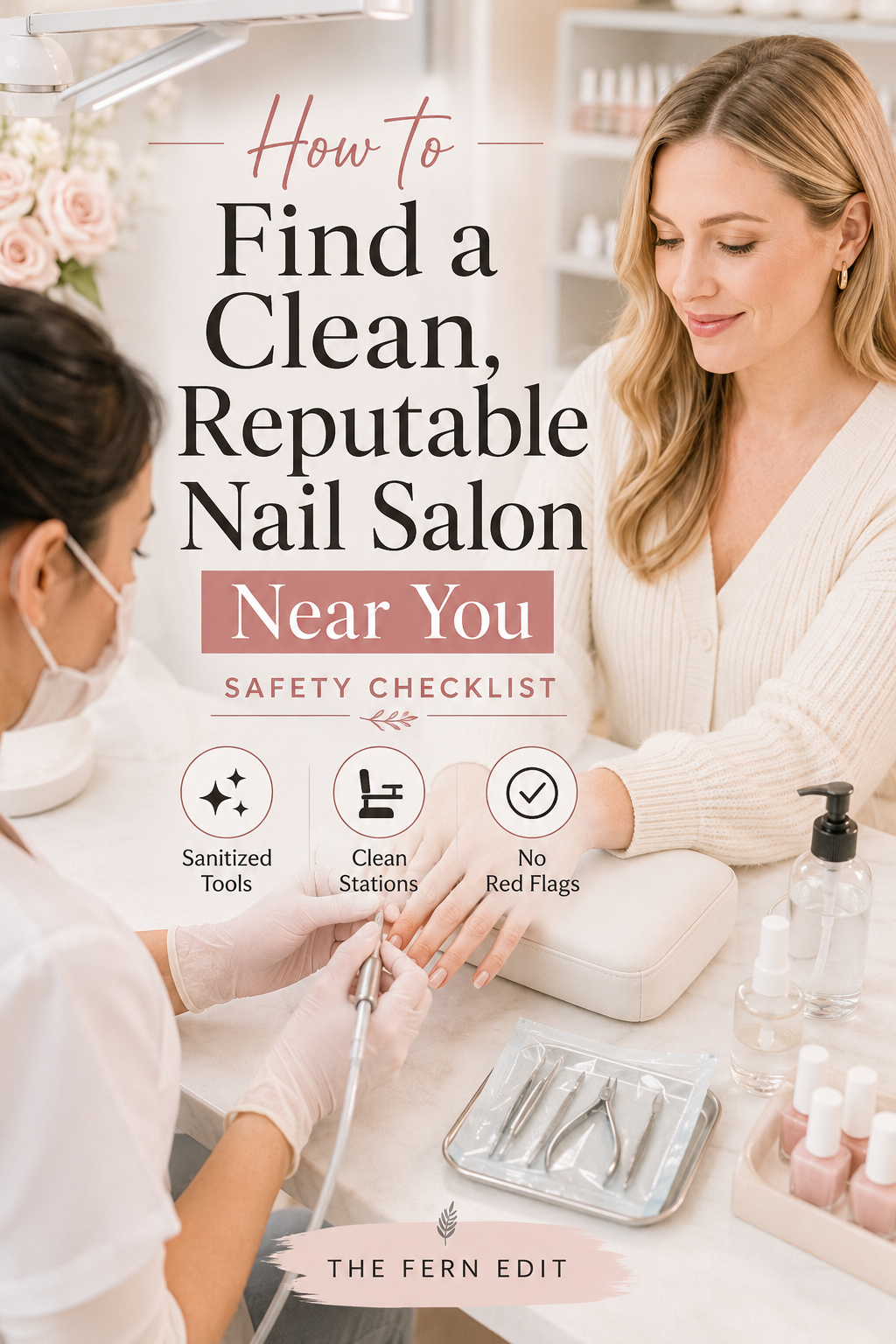
Understanding three terms helps you judge a salon instantly.
- Cleaning removes visible dust, oil, and debris. It is the first step, not the finish.
- Disinfecting soaks tools in an EPA-registered solution that kills a broad range of germs.
- Sterilizing is the gold standard, usually with an autoclave, the same technology your dentist uses.
For reusable metal tools, a reputable salon uses an autoclave or dry heat sterilizer plus a hospital-grade disinfectant. If you are unsure whether your tools have been sterilized, it is completely reasonable to ask the tech to do so while you watch. A good professional will not roll their eyes at the request.
Are foot baths and pedicures safe?

Pedicure basins are where hygiene often makes or breaks a salon, because standing water and jets can harbor bacteria in a slimy film called biofilm. Look for a salon that:
- Drains, scrubs, and disinfects the basin between every client
- Uses pipeless foot baths, which are easier to clean than jacuzzi-jet styles
- Offers disposable liners if jets are present
A few extra pedicure tips: do not shave your legs in the 24 hours before a pedicure, since tiny nicks invite bacteria. Never use a foot bath if your skin was nicked or cut during the service. And steer clear of any salon using razor-type callus blades, which can cut skin and actually make calluses grow back thicker.
What licenses should you check?
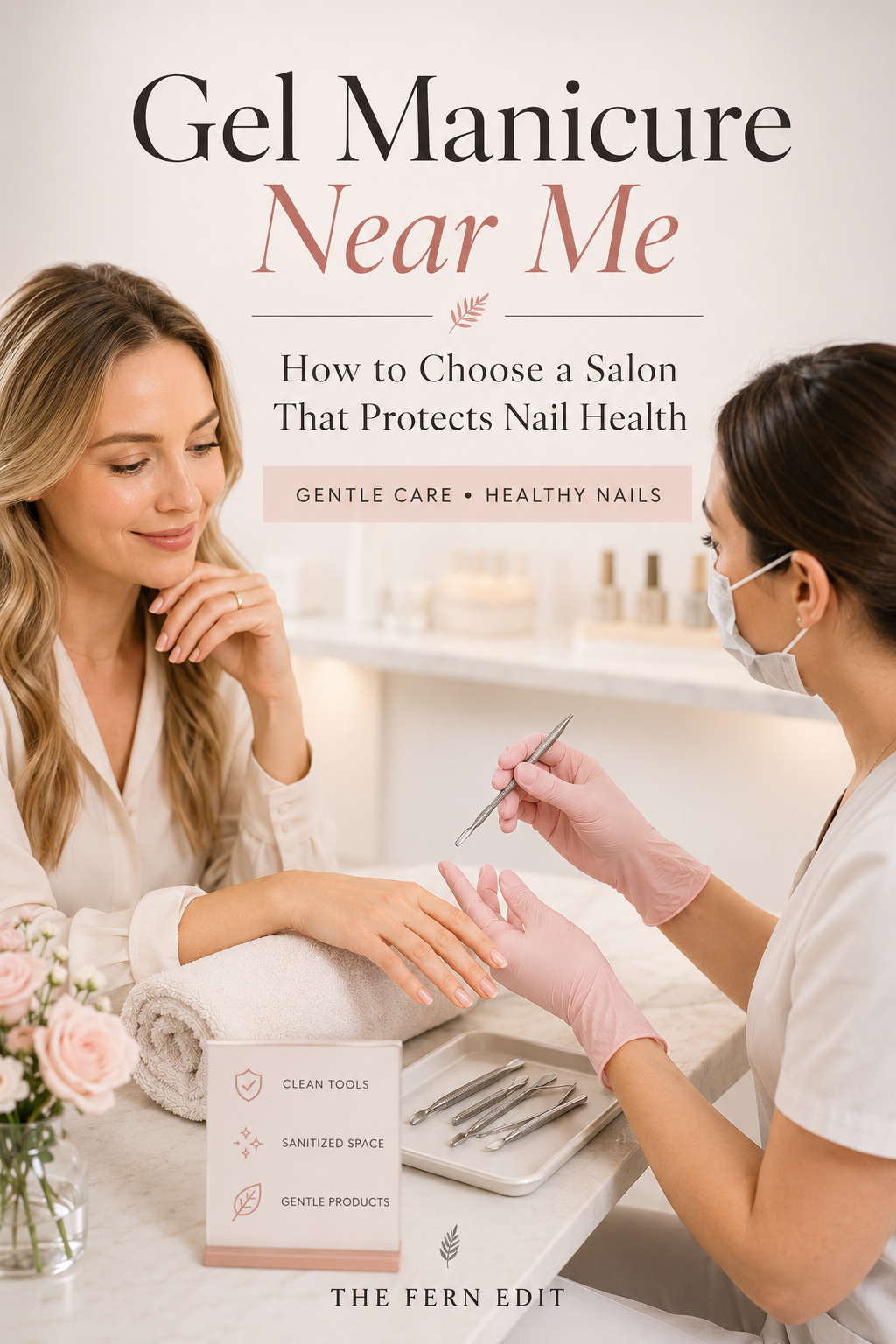
In the U.S., two licenses matter: the salon's business license and each technician's individual nail tech license. Both should be current and displayed, often on a wall or in a folder at the front. A licensed nail tech has passed an exam covering sanitation, so a salon that ignores these basics is operating below its own professional standard. If you do not see a license, just ask. Confidence and transparency are good signs.
Questions You Can Ask
You do not need to interrogate anyone. A few polite questions reveal a lot:
- Do you open new files and buffers for each client?
- How do you sterilize your metal tools?
- Are your foot baths cleaned between clients?
- Can I see your technician licenses?
- Would you mind sterilizing the nippers again while I watch?
A reputable salon answers all of these easily and without attitude.
After Your Appointment
Keep an eye on your nails and skin in the days that follow. Mild redness fades quickly, but watch for warning signs like swelling, pus, spreading redness, or pain around the nail. Any of those, or a new dark streak or change in a nail, is worth a call to a dermatologist rather than a return trip to the salon.
Protect Your Nails at Home

The healthiest nails come from a partnership between a good salon and a simple home routine. A few staples make a real difference:
- A daily cuticle oil keeps the protective seal around your nails soft and healthy.
- A gentle hand cream supports the skin around your nails.
- Your own reusable manicure kit, brought to appointments, removes any worry about shared files.
- A nail strengthener can help if your nails feel thin or brittle between visits.
These are the kind of affordable, easy-to-love nail-care staples we recommend throughout The Fern Edit, and they help your manicures look better and last longer.
Free printable: Download our Clean Nail Salon Checklist, a one-page list of green flags, red flags, and questions to run through before you sit down at any salon.
Common Mistakes Women Make

- Choosing on price alone. A suspiciously cheap manicure can mean rushed sanitation. Weigh hygiene first.
- Ignoring the foot bath. The basin is where many infections start, so notice how it is cleaned.
- Feeling awkward about asking. A professional welcomes hygiene questions. Your health comes first.
- Skipping the license check. It takes two seconds to glance for a displayed license.
- Brushing off warning signs. Redness, swelling, or a new dark streak deserves a dermatologist's eye, not a wait-and-see.
Final Takeaway
Finding a clean, reputable nail salon near you comes down to a quick scan and a little confidence. Sealed sterilized tools, fresh files, clean foot baths, and displayed licenses are the green flags, while dirty tools and strong fumes are your cue to leave. Ask questions without apology, watch your nails afterward, and support them with simple home care. A great salon plus a healthy routine is the recipe for nails that look good and stay healthy.
This article is for general beauty and self-care education only and is not medical advice. If you notice signs of a nail or skin infection, please see a licensed dermatologist.
Nail inspiration to save 💅
Tap any look to open it — then save your favorites.



 📌 Save
Love this guide? Save it 📌
Pin it to your favorite board so it's easy to find again — and share it with a friend who'd love it too.
Save to PinterestFrequently asked questions
How can I tell if a nail salon is clean?
Look for sealed sterilized metal tools opened in front of you, brand-new single-use files and buffers, stations wiped between clients, clean foot baths, good ventilation, and displayed licenses. A tidy, orderly space is usually a sanitary one.
What are the biggest red flags at a nail salon?
Dirty or reused tools, files that are clearly not new, a strong lingering chemical smell, no visible license, dirty foot baths, and razor-style callus shavers. Several of these together mean you should walk away.
How should nail salons sterilize their tools?
Reusable metal tools should be sterilized in an autoclave or dry heat sterilizer and soaked in an EPA-registered, hospital-grade disinfectant. Files and buffers cannot be properly sterilized, so they should be new for each client.
Can you get an infection from a nail salon?
Yes, if tools are not handled properly. Risks include fungal nail infections, athlete's foot, and bacterial infections. Choosing a clean, licensed salon and watching for post-appointment warning signs keeps your risk low.
Is it rude to ask a nail tech about sanitation?
Not at all. A reputable technician is happy to answer and will even re-sterilize tools while you watch. If someone reacts with irritation, treat that as a red flag.
Should I bring my own nail tools?
You can, and many people do for total peace of mind, especially files and buffers. A clean salon will not mind, and it removes any worry about shared single-use items.

We cite sources and update this guide regularly.