

A Russian manicure is a waterless, e-file technique where a technician uses a small electric drill to push back or remove the cuticle, letting polish sit ultra-close to the nail for a clean, long-lasting look that can last three to four weeks. It usually costs more than a standard manicure, often $60 to $120 or more. It can be safe in highly trained hands, but dermatologists warn that aggressive cuticle removal raises the risk of infection, so the technician's skill matters enormously.
If your manicure never looks as crisp and clean as the ones on your feed, the Russian manicure is probably the reason those nails look so flawless. This e-file technique has gone viral for its ultra-precise, long-lasting finish. It is also one of the more debated trends in nail care, with dermatologists raising real concerns. Before you book a Russian manicure near you, here is an honest look at what it is, what it costs, and whether it is worth it.
If your manicure never looks as crisp and clean as the ones on your feed, the Russian manicure is probably the reason those nails look so flawless. This e-file technique has gone viral for its ultra-precise, long-lasting finish. It is also one of the more debated trends in nail care, with dermatologists raising real concerns. Before you book a Russian manicure near you, here is an honest look at what it is, what it costs, and whether it is worth it.
Key Takeaways
- A Russian manicure uses an electric file and no water for an ultra-clean, long-lasting result.
- It typically lasts three to four weeks, often a couple of weeks longer than a standard gel.
- It costs more than a regular manicure, frequently $60 to $120 or more depending on your city.
- Dermatologists caution that removing the cuticle weakens the nail's natural barrier and can invite infection.
- It is only as safe as the person performing it, so training, certification, and sterile tools are non-negotiable.
What is a Russian manicure, actually?

A Russian manicure, also called a dry manicure or an e-file manicure, skips the water soak that begins a traditional manicure. Instead, the technician uses a small electric drill with fine bits to file down and push back or remove the cuticle, then shapes the nail with precision.
Because there is no soaking, the nail plate does not swell, which lets gel polish sit flush against the cuticle line with no gaps. That is the secret behind the signature look: an impossibly clean, sharp finish that grows out slowly and stays looking fresh for weeks.
Why do people love it?
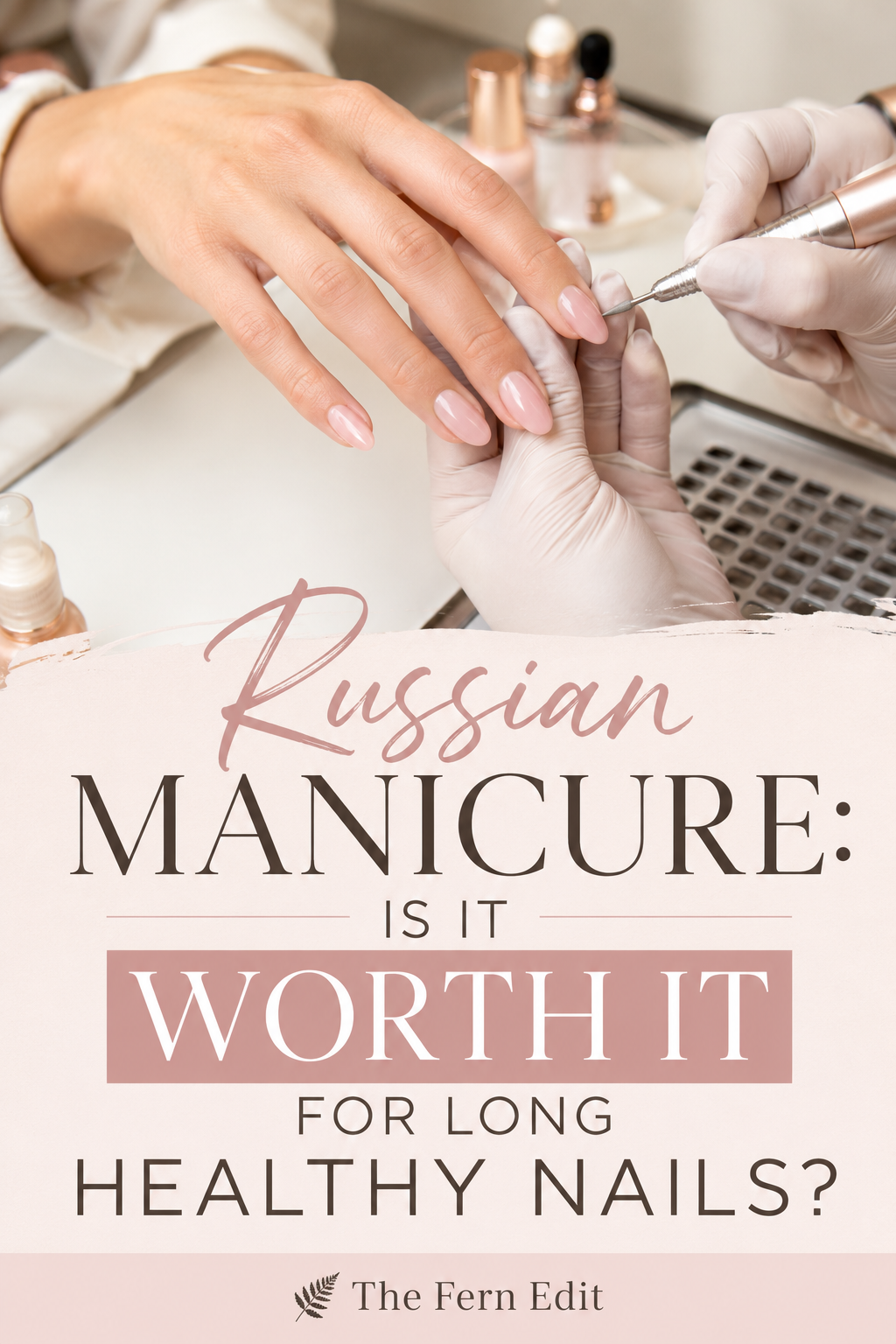
The appeal is easy to understand once you see the results.
- A flawless, sharp finish that looks like the edited photos in advertisements
- Long wear, typically three to four weeks, sometimes longer
- A clean canvas that is ideal for detailed nail art, chrome, or minimalist designs
- A natural look, since the polish sits so close to the nail it almost disappears at the edges
- No water soaking, which some find more hygienic than traditional methods
For brides, event-goers, and anyone with a busy schedule, that combination of clean and long-lasting is genuinely appealing.
What are the real risks you should know?
Here is where honesty matters most, because this trend has real trade-offs.
The cuticle is not just dead skin to be cleared away. Dermatologists describe it as a protective seal, the front door that keeps bacteria, yeast, and fungus out of the nail. When an e-file removes or aggressively thins that seal, it leaves the nail more exposed.
Board-certified dermatologists have flagged several specific concerns:
- Infection risk, including paronychia, a painful infection of the nail fold
- Inflammation and rawness around the cuticle area
- Nail dystrophy and thinning from over-filing the nail plate
- Micro-cuts from the drill that act as entry points for bacteria
- Potential long-term nail or even nerve concerns for frequent, repeat clients
One widely shared guideline is that over-filing the nail plate by more than a small fraction of its thickness can cause lasting damage, which is exactly why a trained hand matters. The American Academy of Dermatology advises against total cuticle removal for this reason.
The honest takeaway is balanced: a Russian manicure performed by a highly trained technician with sterile tools and a gentle touch can look beautiful and be reasonably safe. The same service from an undertrained person who learned from short videos can damage your nails. The technique itself is not the whole story. The hands performing it are.
Is It Legal Where You Live?

This surprises a lot of people. Because it can involve cutting or drilling the cuticle, invasive cuticle removal is restricted or prohibited in several U.S. states, with Alabama, Texas, and California among those commonly cited. In some places, removing the cuticle is considered outside the scope of a cosmetology license. It is worth checking your state's cosmetology rules before booking, and being cautious of any salon that ignores them.
What does it cost and how long does it last?
A Russian manicure is a premium service, and the price reflects the time and skill involved. Costs vary widely by city, but it commonly runs $60 to $120 or more, notably higher than a standard manicure. Major cities and highly sought-after technicians sit at the upper end.
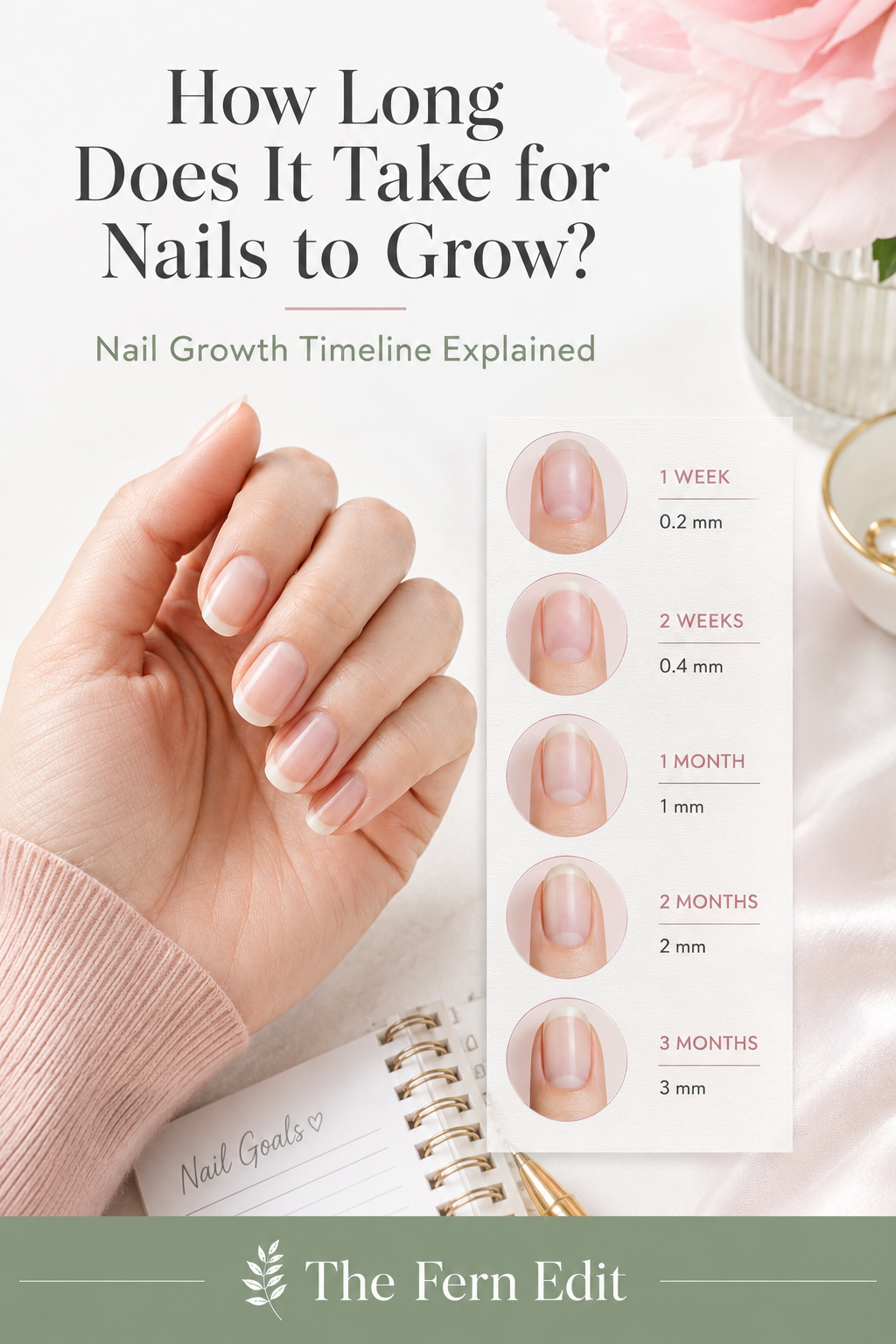
On longevity, this is one of its strongest selling points. A Russian manicure often lasts three to four weeks without lifting or chipping, roughly two weeks longer than a typical gel. Many people feel the higher price is offset by the longer wear and fewer salon visits, as long as their nails stay healthy.
How do you find a safe provider near you?

Because skill is everything here, vetting the technician is the whole game.
- Search "Russian manicure near me" or "e-file manicure in [your city]," then read recent reviews carefully.
- Confirm the technician is specifically trained and, ideally, certified in Russian manicure technique.
- Make sure tools are single-use or properly sterilized in sealed pouches.
- Look for a fully waterless process and gel products made for this method.
- Be wary of unusually low prices, which often signal rushed work or weak training.
- Ask to see their portfolio and how long they have been doing this specific technique.
For the full sanitation checklist, our guide on how to find a clean nail salon near you walks through every green flag and red flag.
Who should skip it?

A Russian manicure is not right for everyone. Be cautious or avoid it entirely if you:
- Have a blood disorder or take medication that affects bleeding or healing
- Have an active skin infection or any inflammation around the nails
- Are prone to nail infections or have very thin, fragile nails
- Cannot find a properly trained, certified technician nearby
It is also wise not to get them back to back. Spacing appointments out gives your cuticles a chance to recover. Watch for redness, swelling, pain, or pus after a visit, and if any appear, call a dermatologist rather than rebooking.
What are the safer middle-ground options?
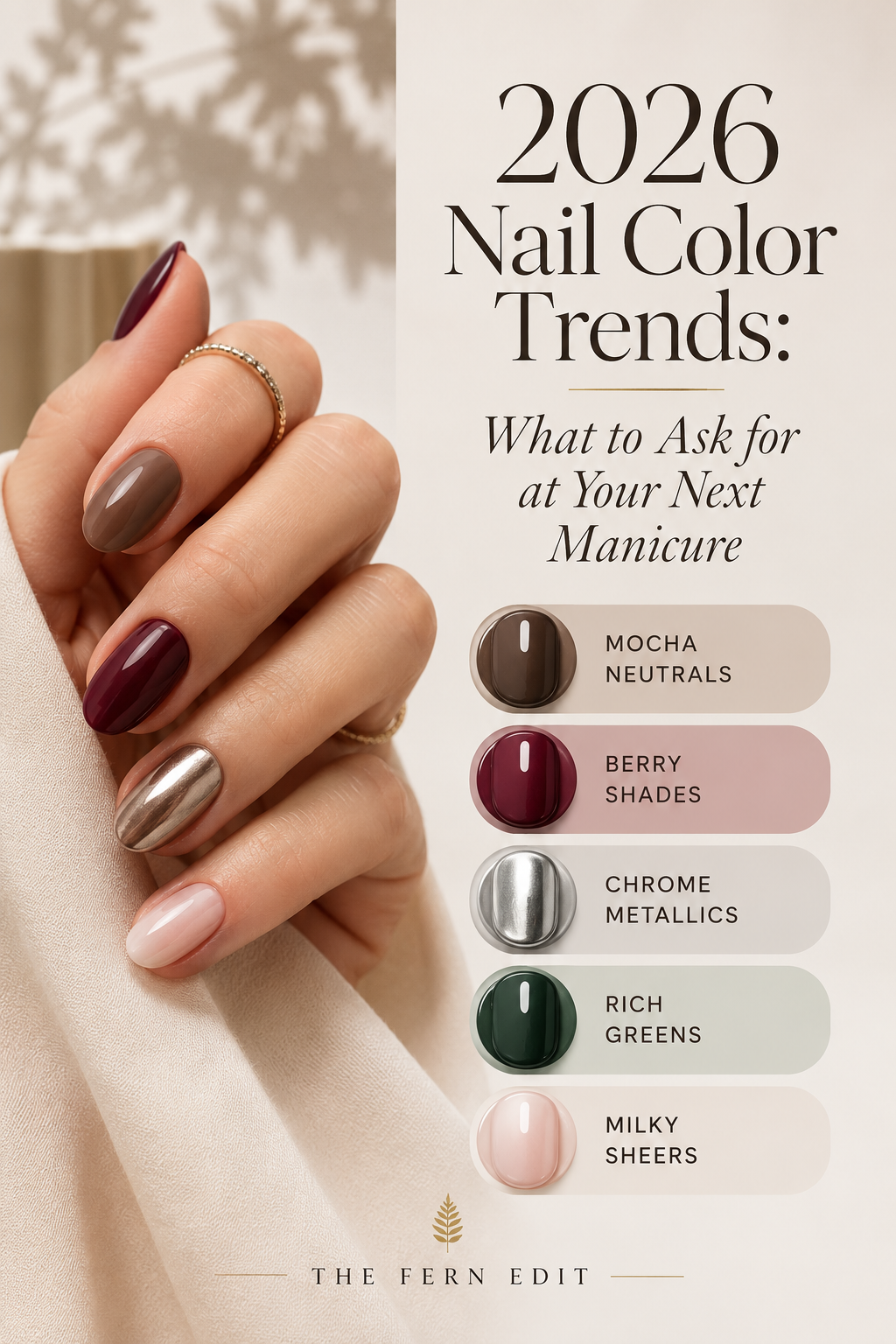
If you love the clean, long-lasting look but the risks give you pause, you have gentler choices.
- Gel with careful cuticle prep. A skilled tech can push back, not remove, the cuticle and apply gel close to the nail fold without an e-file. The result is a touch less dramatic but meaningfully safer.
- A hard gel or builder overlay that adds strength and wear without aggressive cuticle work.
- At-home cuticle care. Daily cuticle oil softens dead skin naturally over time. Paired with a gentle monthly manicure, it can dramatically improve how your nails look with no salon risk.
A good cuticle oil, a nourishing hand cream, and a quality nail strengthener are the kind of affordable staples we recommend across The Fern Edit, and they keep nails looking polished between appointments.
Free printable: Download our Russian Manicure Safety Checklist, with the questions to ask, the credentials to confirm, and the warning signs to watch for after your appointment.
Final Takeaway
A Russian manicure delivers that crisp, magazine-perfect finish that lasts for weeks, which is exactly why it went viral. The honest catch is that it is only as safe as the person holding the drill. If you can find a highly trained, certified technician who uses sterile tools and a gentle touch, and your nails are healthy, it can be a beautiful splurge. If you cannot, a careful gel manicure or simple at-home cuticle care gives you much of the look without the risk.
This article is for general beauty and self-care education only and is not medical advice. If you notice redness, swelling, pain, or pus around a nail, please see a licensed dermatologist.
Nail inspiration to save 💅
Tap any look to open it — then save your favorites.


 📌 Save
Love this guide? Save it 📌
Pin it to your favorite board so it's easy to find again — and share it with a friend who'd love it too.
Save to PinterestFrequently asked questions
How much does a Russian manicure cost near me?
A Russian manicure is a premium service that usually costs more than a standard manicure, often $60 to $120 or more depending on your city and the technician's expertise. Very low prices can be a sign of rushed work or limited training.
How long does a Russian manicure last?
Most last three to four weeks without lifting or chipping, often about two weeks longer than a traditional gel manicure, thanks to the precise, waterless cuticle work.
Is a Russian manicure safe?
It can be in highly trained, certified hands with sterile tools. Dermatologists caution that removing the cuticle weakens the nail's natural barrier and raises the risk of infection, so the technician's skill and hygiene are critical.
Why is a Russian manicure controversial?
Because it removes or aggressively thins the cuticle, which protects the nail from bacteria and fungus. Done poorly, it can cause infection, inflammation, and nail thinning, and invasive cuticle removal is restricted in some states.
Who should not get a Russian manicure?
Anyone with a bleeding or healing disorder, an active skin infection, inflammation around the nails, or very fragile nails should avoid it. It is also best skipped if you cannot find a properly trained, certified technician.
Is a Russian manicure worth it?
If you can find a highly skilled, certified technician and your nails are healthy, many people feel the flawless, long-lasting result is worth the higher price. If not, a careful gel manicure with gentle cuticle prep is a safer way to get a similar look.

We cite sources and update this guide regularly.