
To care for your cuticles, massage in cuticle oil daily and follow with hand cream to keep them soft. Once a week, soften them after a shower and gently push them back with a soft tool—never cut them, since the cuticle protects the new nail and barriers out bacteria. Avoid picking or biting hangnails, wear gloves around water, and trim only a loose hangnail with clean clippers. Healthy cuticles equal healthier, faster-looking nail growth.
How to care for cuticles the right way for healthy nails.
Cuticles are the most overlooked part of nail care—and quietly the most important. That little strip of skin at the base of your nail is not just there to be trimmed away at the salon. It is a protective seal, and how you treat it has a direct effect on how strong, smooth, and long your nails can grow.
The best news? Caring for your cuticles takes seconds a day and requires almost nothing but a good oil. Here is exactly how to soften, push back, and protect your cuticles—and the one habit that transforms not just your cuticles, but your whole manicure.
Key Takeaways
- The cuticle is a protective seal, not just trim—don’t cut it.
- Daily cuticle oil is the single most powerful nail habit you can build.
- Push back gently after softening, never force dry cuticles.
- Skip cutting—trim only a genuinely loose hangnail with clean clippers.
- Healthy cuticles protect new growth, so nails grow stronger and longer.
What Cuticles Are and Why They Matter
The cuticle is the thin layer of skin where the nail meets your finger. It seals the gap between the nail plate and the skin, keeping out bacteria, water, and irritants—which protects the new nail forming underneath. (The little half-moon-shaped area just beyond it is the lunula, part of where the nail is made.)
When cuticles are dry, torn, or cut away, that seal breaks, leaving the nail base vulnerable and often leading to ragged skin, hangnails, and weaker growth. Caring for your cuticles is really caring for the source of your nails—which is why our pillar guide, how to grow strong, healthy nails, leans on this habit so heavily.
Your Daily Cuticle Care Routine
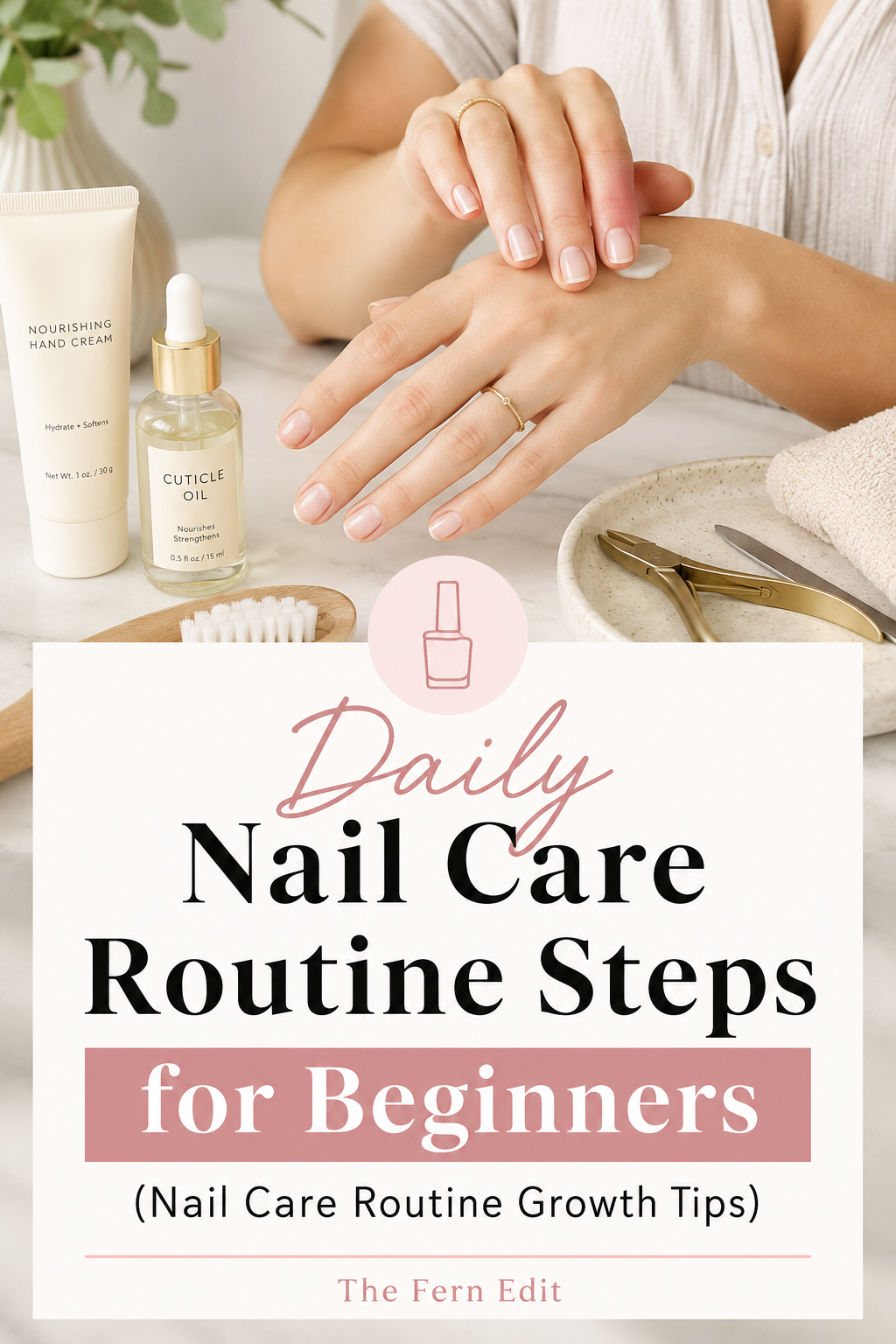
This is the ten-second habit that changes everything:
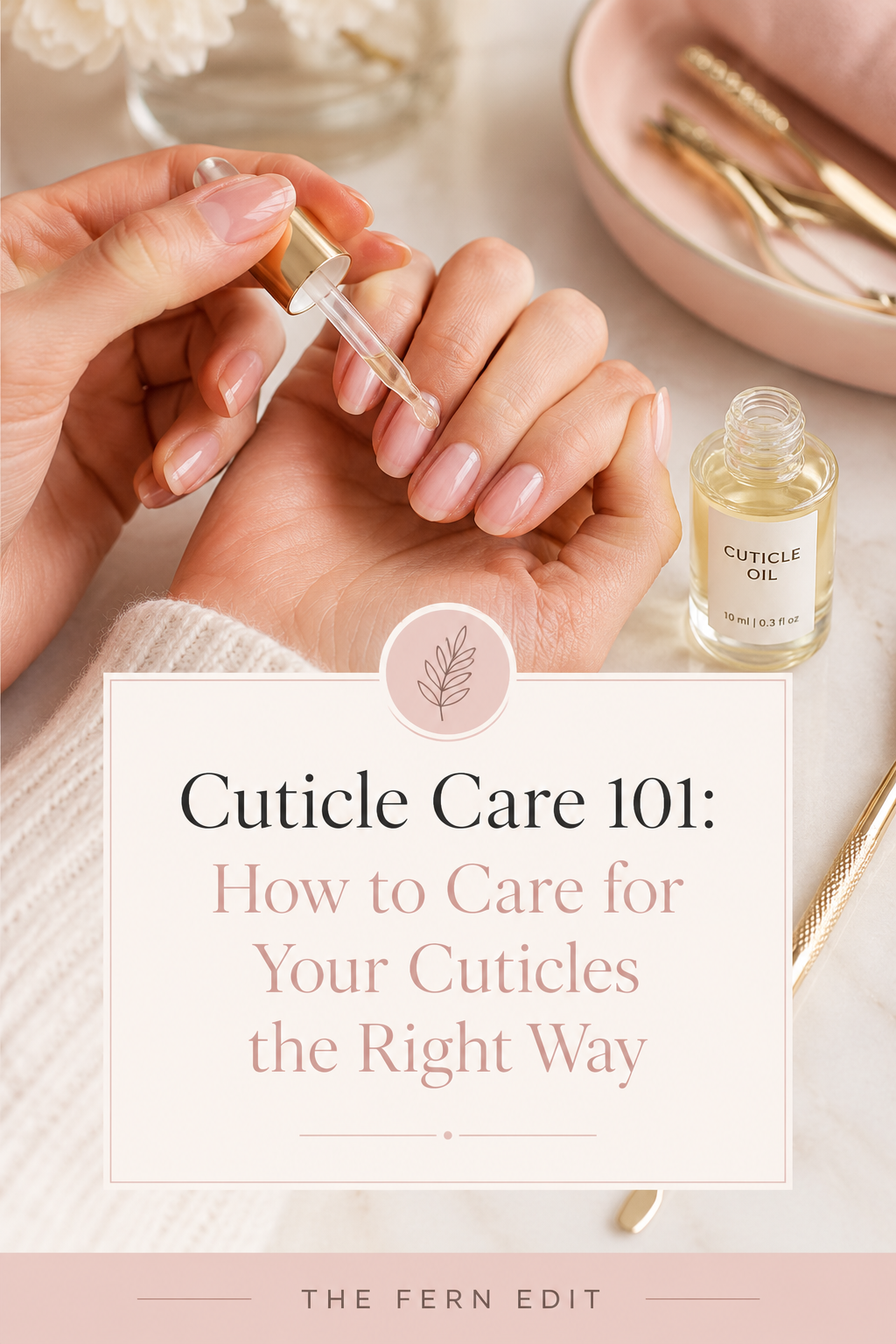
- Apply cuticle oil. Massage a drop of nourishing oil—jojoba, almond, or vitamin E—into each cuticle. The massage itself boosts circulation to the nail base.
- Follow with hand cream. Seal in the moisture, especially after washing your hands.
- Hands off. Resist picking at the skin around your nails throughout the day.
Do this at least once a day—ideally morning and night. If you do nothing else for your nails, do this.
Your Weekly Cuticle Care Routine
- Soften first. Cuticles push back easily and safely after a warm shower or bath, when the skin is soft.
- Push back gently. Use a soft rubber-tipped tool or a soft cloth to ease the cuticle back—light pressure only.
- Exfoliate lightly. A gentle hand scrub once a week keeps the skin around nails smooth.
- Deep-treat. Massage in a richer cuticle balm and, once a week, sleep in hand cream with cotton gloves.
How to Push Back Cuticles Safely
- Soften your cuticles in warm water or after a shower—never push dry.
- Apply a little cuticle oil for slip.
- Using a soft tool, gently ease the cuticle back toward the base of the nail with light, even pressure.
- Stop if you feel resistance or discomfort—forcing it damages the seal.
- Finish with more oil and hand cream.
How to Fix Dry, Damaged, or Overgrown Cuticles
Dry, cracked cuticles and hangnails come from a lack of moisture plus everyday wear. To repair them, oil several times a day, wear gloves around water and cold weather, and resist the urge to pick. For a genuinely loose hangnail, snip just the loose piece with clean, sharp clippers—never pull it, which tears living skin. With consistent oiling, ragged cuticles soften and smooth within a week or two.
Should You Cut Your Cuticles?
In a word: no. Cutting the cuticle removes the protective seal, raising the risk of infection, and it often grows back thicker and more ragged. The salon habit of trimming cuticles is best skipped. Push them back gently after softening instead—that gives the neat, groomed look without the downsides. The only thing worth trimming is a loose hangnail.
Best Products and Ingredients
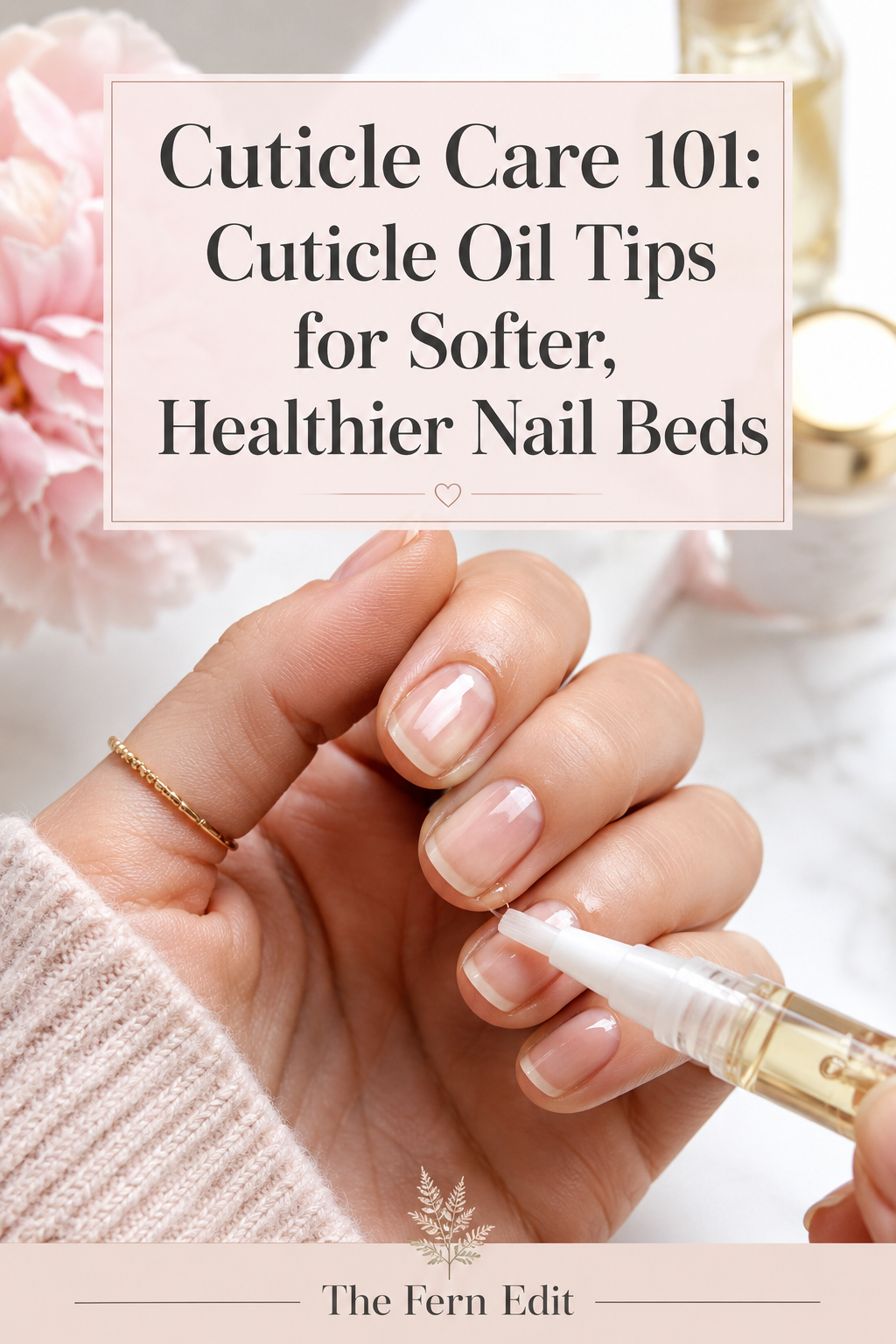
- Cuticle oil (jojoba, almond, vitamin E, or a blend)—the daily hero.
- A richer cuticle balm for overnight repair.
- A soft rubber-tipped pusher—gentler than metal.
- A nourishing hand cream.
- Clean clippers for the occasional hangnail only.
All easy to find at U.S. stores like Target, Ulta, or Amazon.
Common Mistakes to Avoid
- Cutting cuticles—the biggest one. Push back, don’t trim.
- Pushing dry cuticles, which tears the skin.
- Picking or biting hangnails (a fast route to soreness and infection). If biting is your habit, see how to stop biting your nails.
- Skipping oil because it “feels optional”—it is the whole routine.
- Using harsh metal tools with heavy pressure.
Expert-Style Tips
- Stash oil everywhere—bag, desk, nightstand—so you reach for it often.
- Oil before bed for uninterrupted overnight repair.
- Tie oiling to a habit you already have, like sitting down to watch TV.
- Healthy cuticles, healthier nails: this habit also helps with brittleness and peeling.
When to See a Doctor
Cuticle care is low-risk, but see a doctor if the skin around a nail becomes red, swollen, warm, or painful, or if you notice pus—these can be signs of an infection (paronychia) that may need treatment. People with diabetes or circulation issues should be especially gentle and seek advice early for any nail-fold soreness.
Free Printable: Daily Nail & Cuticle Routine
The magic is in the daily habit. Grab our free printable nail and cuticle routine checklist to keep your oiling consistent and watch your nails transform.
Related Reads in This Series
- How to Grow Strong, Healthy Nails (Full Routine)
- Brittle Nails: Causes and How to Fix Them
- Peeling Nails: Why They Happen and How to Fix Them
- How to Grow Your Nails Faster
- How to Stop Biting Your Nails
How do I take care of my cuticles?
Massage in cuticle oil daily and follow with hand cream, then once a week soften and gently push them back after a shower. Avoid cutting them, don’t pick at hangnails, and wear gloves around water.
Should you cut or push back cuticles?
Push them back gently after softening—never cut them. Cutting removes a protective seal and can lead to infection and thicker regrowth. Trim only a genuinely loose hangnail.
How do you fix dry, cracked cuticles?
Oil them several times a day, use a richer balm overnight, wear gloves around water and cold, and stop picking. They usually soften within a week or two of consistent care.
What is the best oil for cuticles?
Jojoba, almond, and vitamin E oils are all excellent, as are dedicated cuticle oil blends. The best one is the one you will actually use daily.
How often should I do cuticle care?
Oil daily (ideally morning and night), and do a gentle push-back and deeper treatment about once a week.
The Takeaway
Your cuticles are the gatekeepers of healthy nails, and they ask for almost nothing in return—just a daily drop of oil and a gentle hand. Skip the cutting, push back softly after softening, keep them moisturized, and protect them from water and picking. Do that, and you will see the payoff everywhere: smoother skin, fewer hangnails, and stronger nails growing in.
This article is for general beauty and self-care education only and is not medical advice. If the skin around a nail becomes red, swollen, or painful, please consult a doctor.
Nail inspiration to save 💅
Tap any look to open it — then save your favorites.
 📌 Save
Love this guide? Save it 📌
Pin it to your favorite board so it's easy to find again — and share it with a friend who'd love it too.
Save to PinterestFrequently asked questions
How do I take care of my cuticles?
Massage in cuticle oil daily and follow with hand cream, then once a week soften and gently push them back after a shower. Avoid cutting them, don't pick at hangnails, and wear gloves around water.
Should you cut or push back cuticles?
Push them back gently after softening — never cut them. Cutting removes a protective seal and can lead to infection and thicker regrowth. Trim only a genuinely loose hangnail.
How do you fix dry, cracked cuticles?
Oil them several times a day, use a richer balm overnight, wear gloves around water and cold, and stop picking. They usually soften within a week or two of consistent care.
What is the best oil for cuticles?
Jojoba, almond, and vitamin E oils are all excellent, as are dedicated cuticle oil blends. The best one is the one you will actually use daily.
How often should I do cuticle care?
Oil daily (ideally morning and night), and do a gentle push-back and deeper treatment about once a week.
What does cuticle oil actually do?
Cuticle oil keeps the cuticles and surrounding skin soft and flexible so they do not become ragged or form hangnails, conditions the nail, and supports the area where new nail grows. Daily use is the single best cuticle habit.
How do I get rid of overgrown cuticles?
Soften them with a soak and a cuticle remover, gently push them back, and carefully trim only genuinely loose dead skin, never the living cuticle. Daily oiling gradually improves overgrown, dry cuticles within a few weeks.
How do I stop getting hangnails?
Hangnails come from dryness, so keep the whole area moisturized with cuticle oil and hand cream. If you have one, snip only the loose piece cleanly rather than pulling it, then apply oil. Hydrated skin rarely forms hangnails.
When should I see a doctor about my cuticles?
See a doctor if the skin around your nail becomes red, swollen, warm, or painful, or if you see pus. These can indicate an infection (paronychia) that may need treatment, and the risk is higher if you have been cutting or pulling at the cuticles.

We cite sources and update this guide regularly.