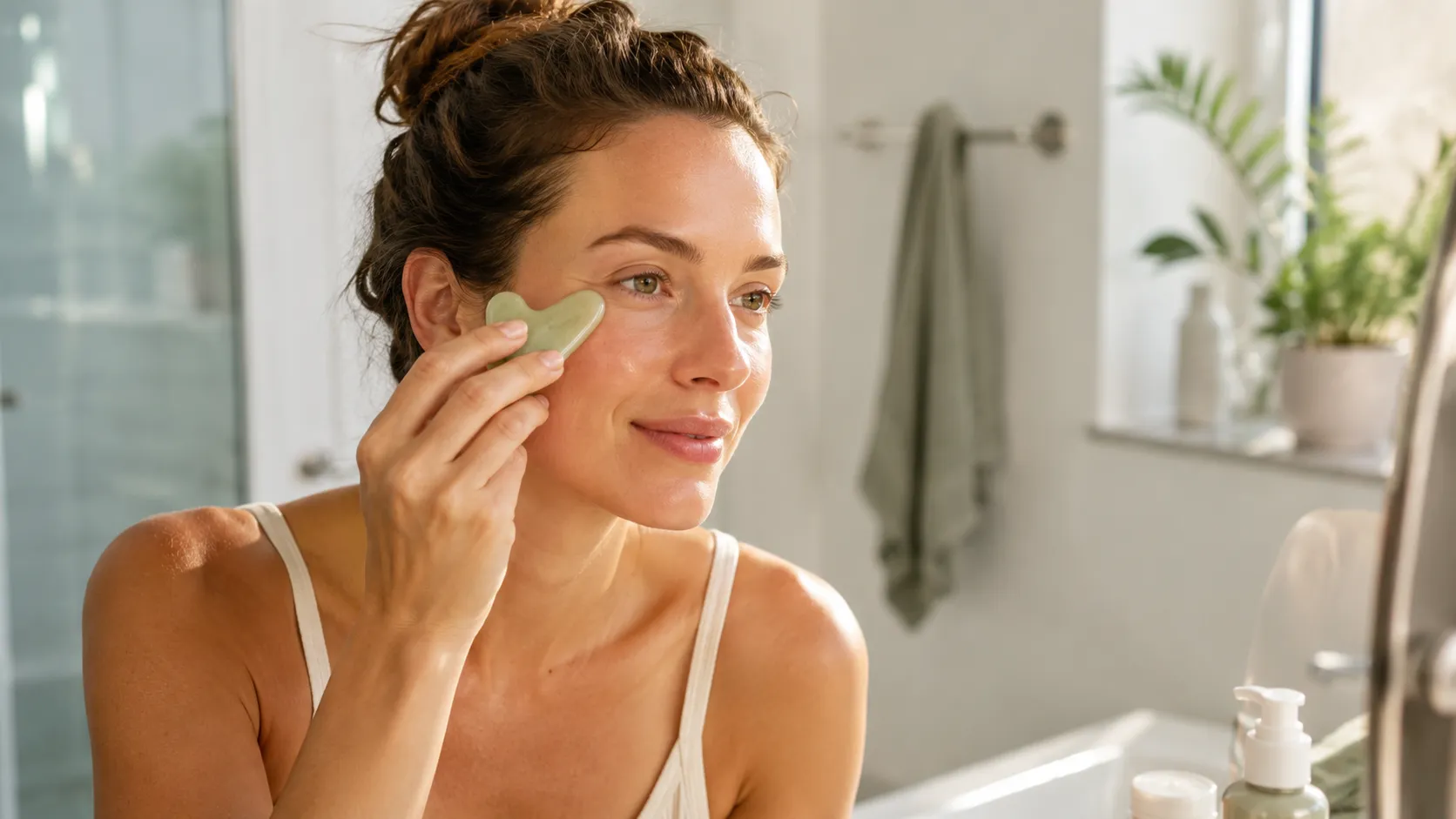
Stainless steel gua sha is often easy to clean, durable, and naturally cooling. Stone gua sha feels traditional, beautiful, and ritual-like, but it can chip or break. Choose based on comfort, cleaning, budget, and how you use the tool.
Stainless steel and stone gua sha tools can both fit a beauty routine, but they feel different in the hand and in daily use.
This comparison helps you choose based on cleaning, durability, feel, and budget rather than trends.
Why this works for Pinterest and search
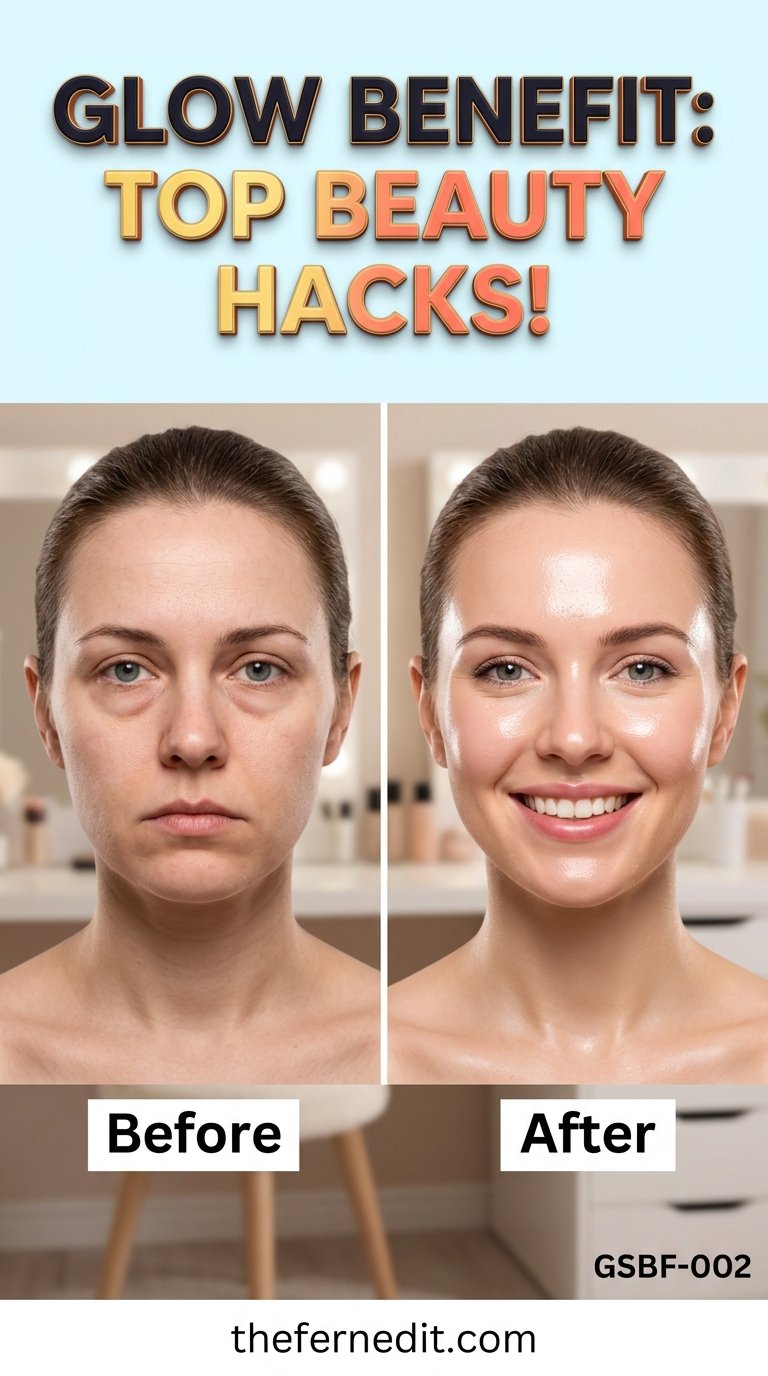
A clear comparison article answers the exact question shoppers search before buying.
Before you begin

This guide is general beauty education, not medical advice. Face yoga and facial massage are not treatments and results vary. If you have pain, recent cosmetic procedures, skin irritation, jaw problems, or other concerns, check with a qualified professional first.
The most useful routines respect your real life. Keep it simple, track what works, and adjust based on comfort rather than chasing every trend.
Stainless steel vs stone: key differences
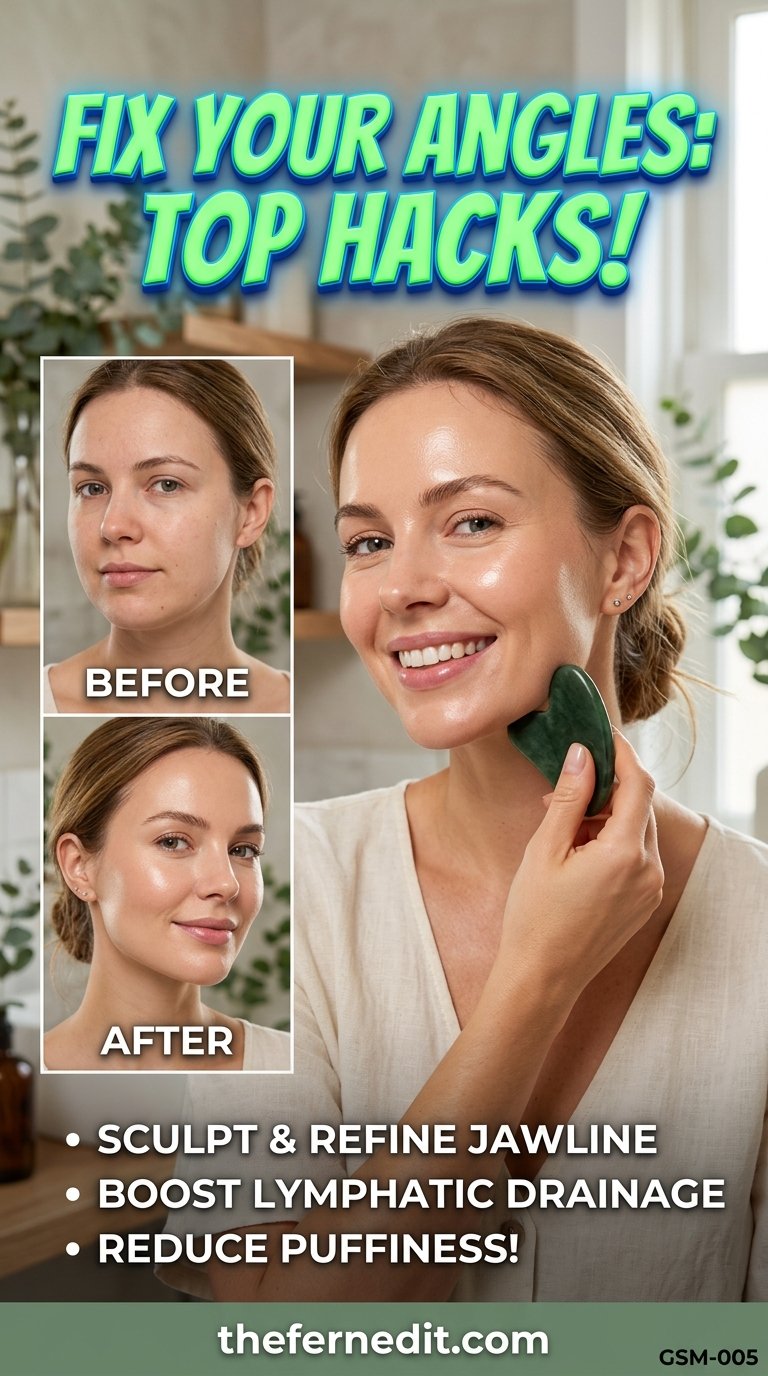
1. Cleaning
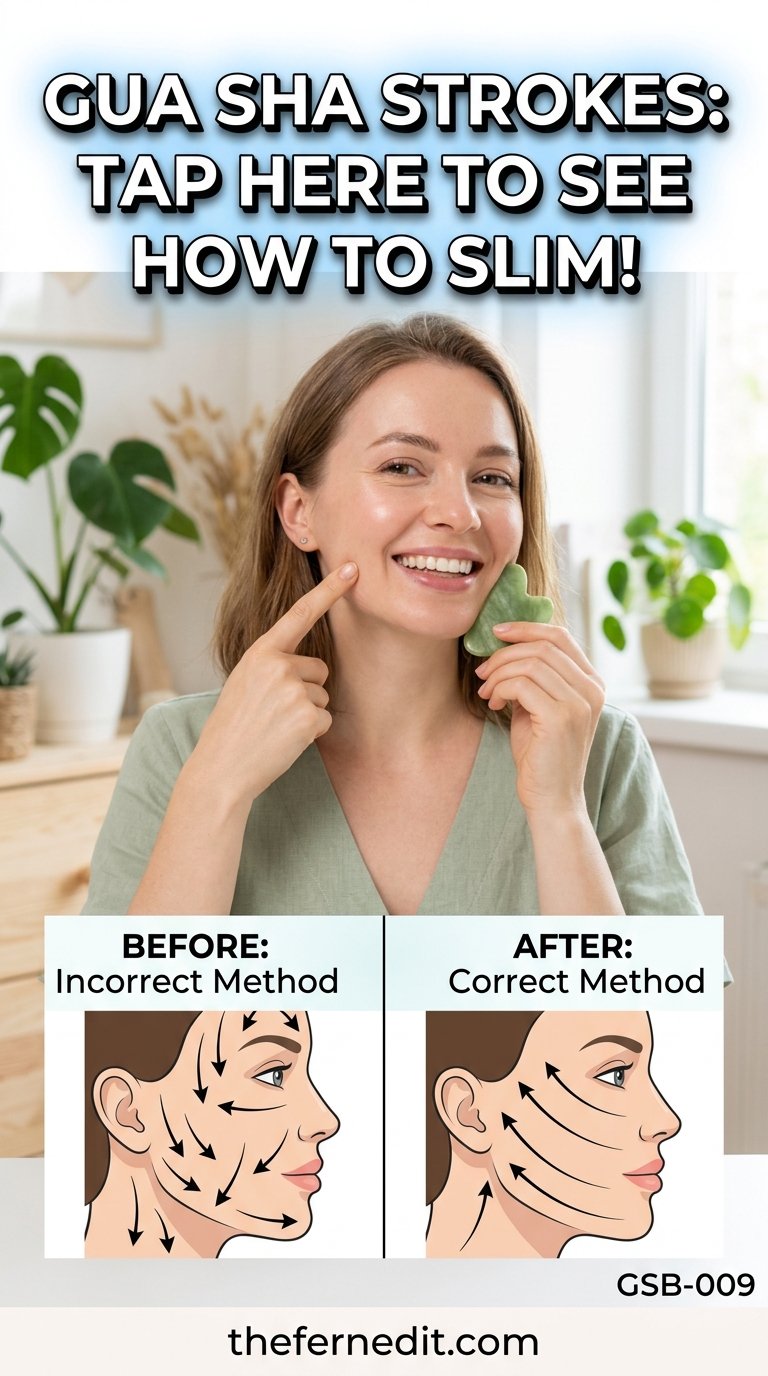
Stainless steel is usually simple to wash and dry; porous or chipped stone needs extra care.
2. Durability

Stainless steel is less likely to break if dropped, while stone can chip or crack.
3. Cooling effect
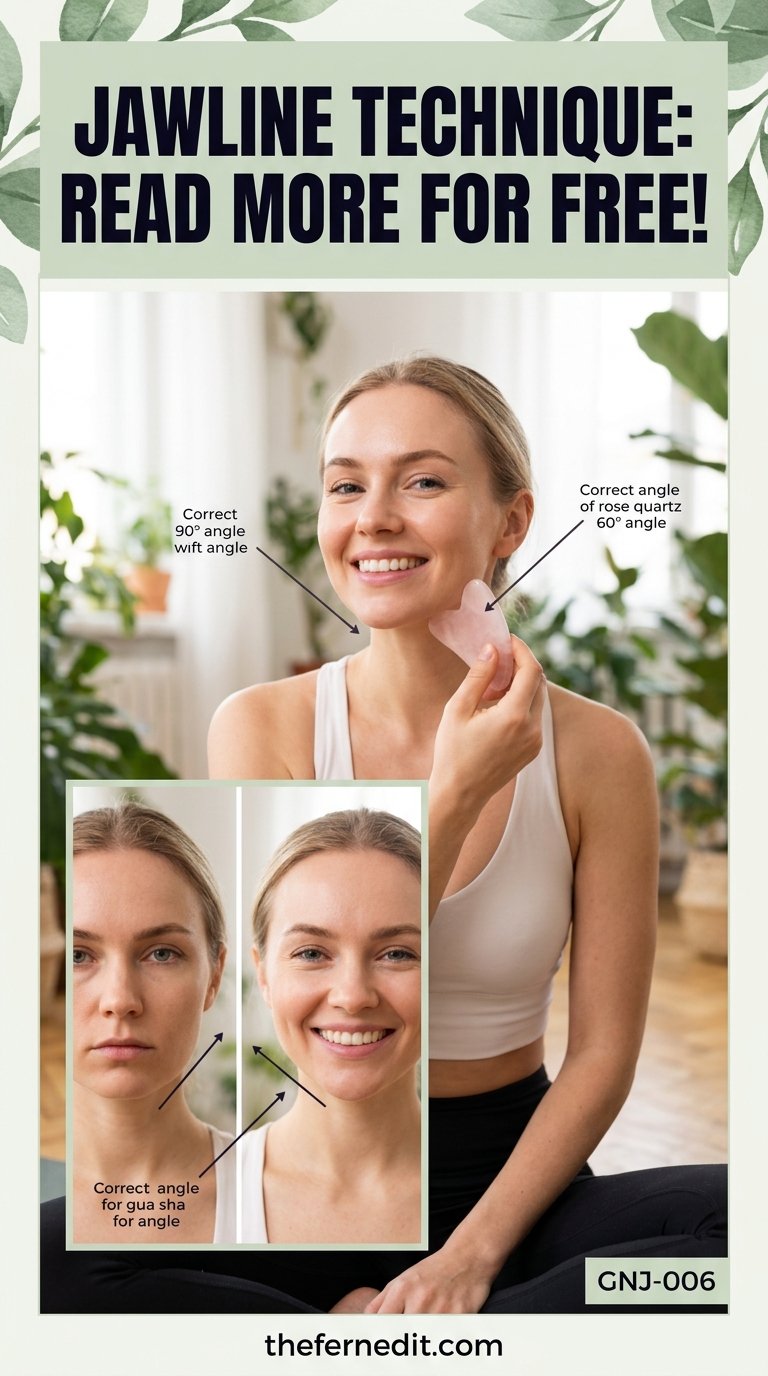
Steel often feels naturally cool and refreshing in the morning.
4. Traditional feel
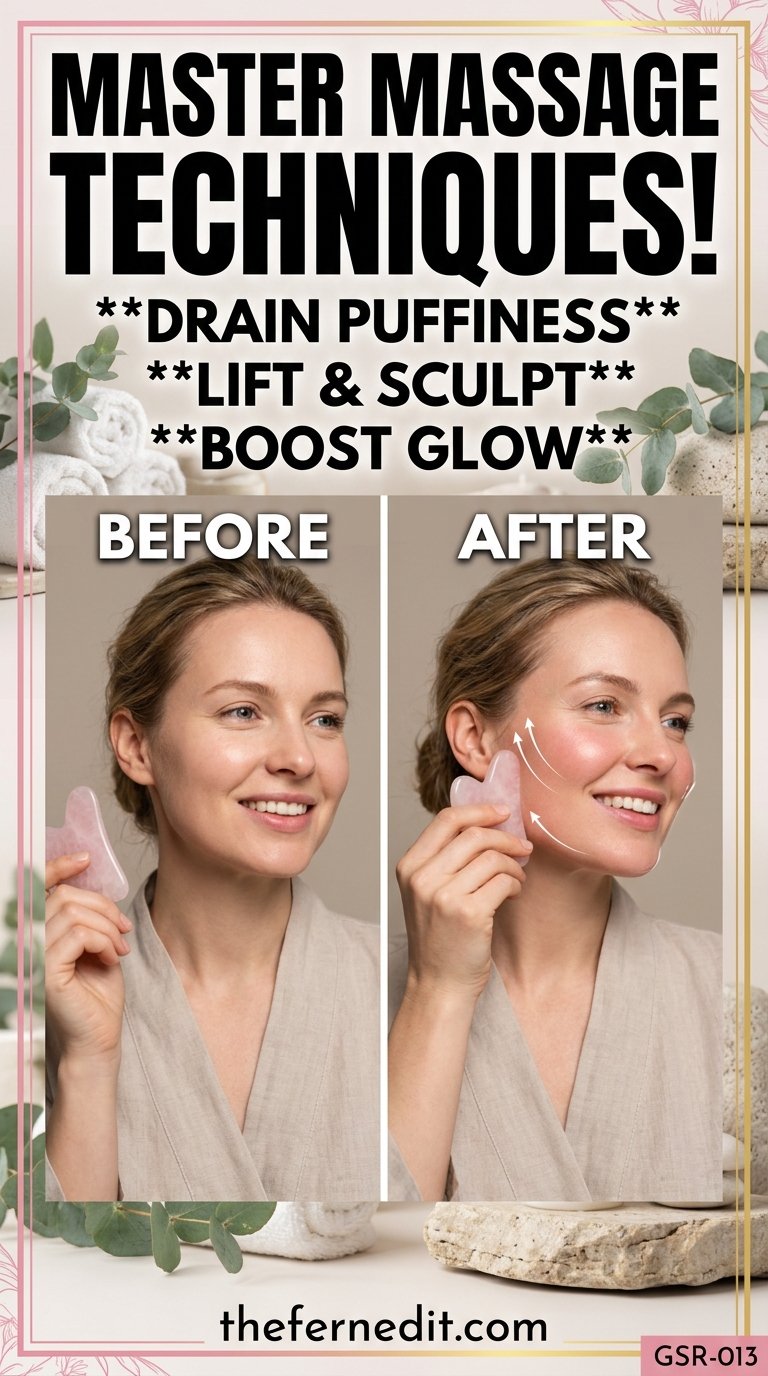
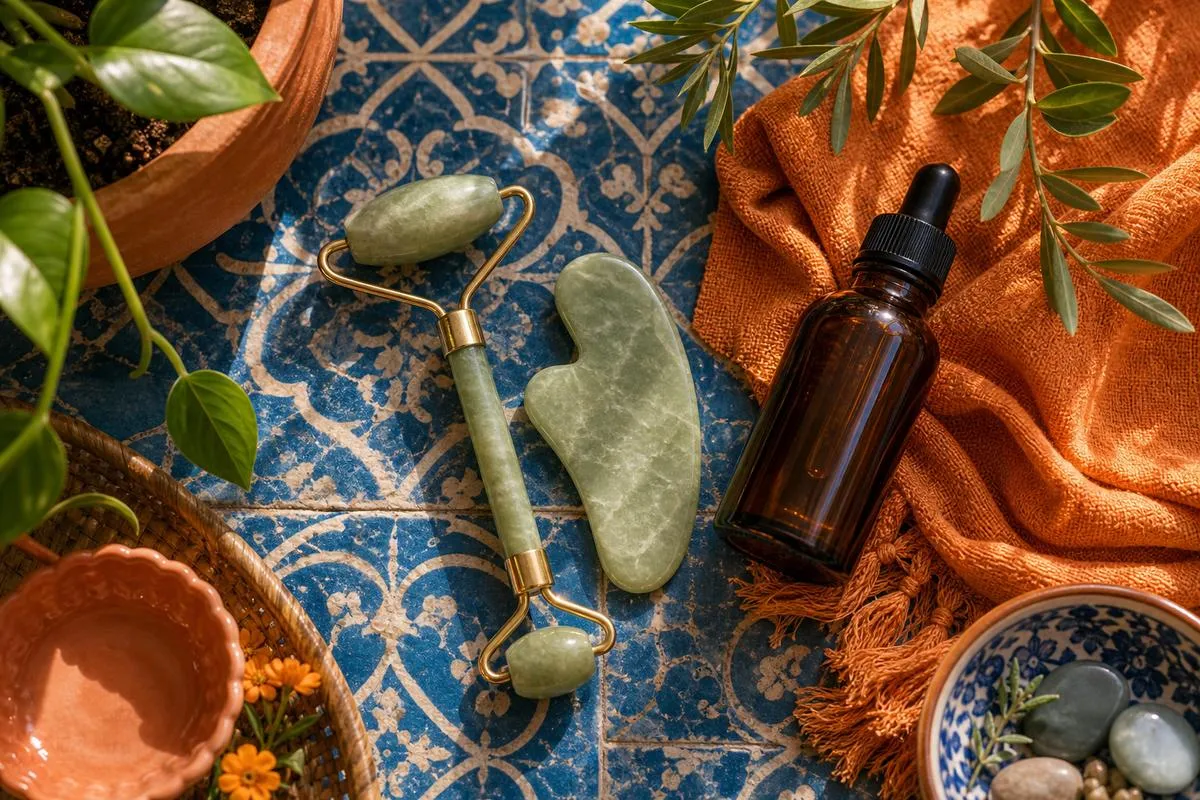
Stone tools offer a more classic, ritual-like feeling.
5. Weight
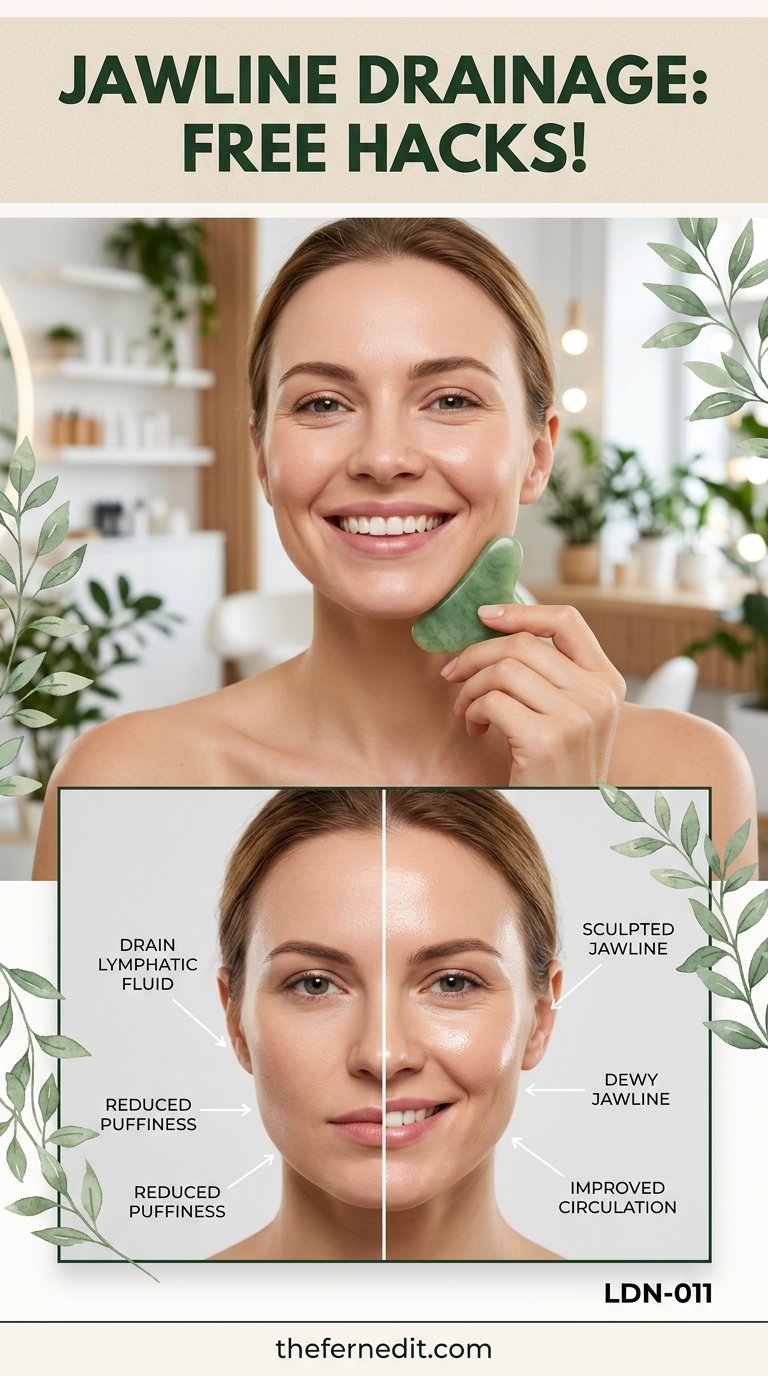
Steel may feel heavier and more controlled, while stone varies by tool.
6. Aesthetic
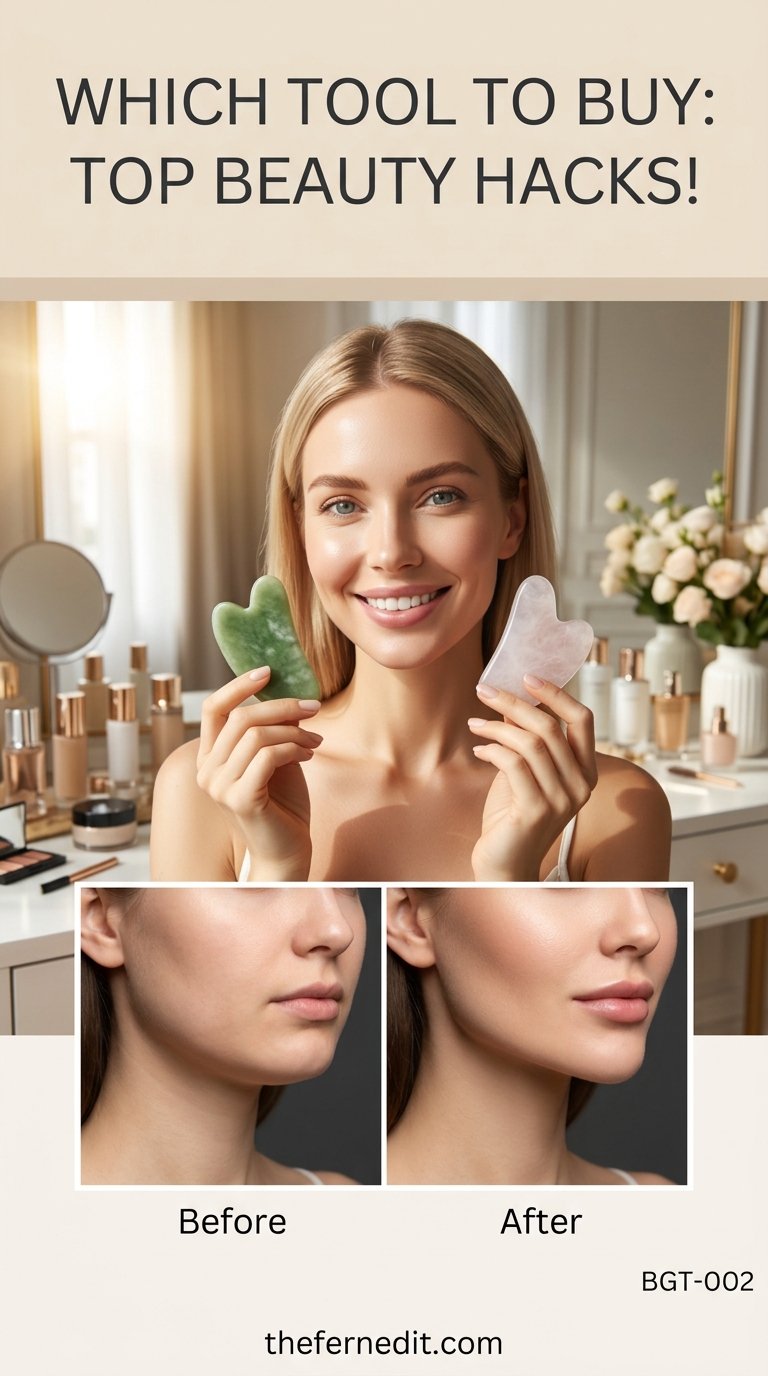
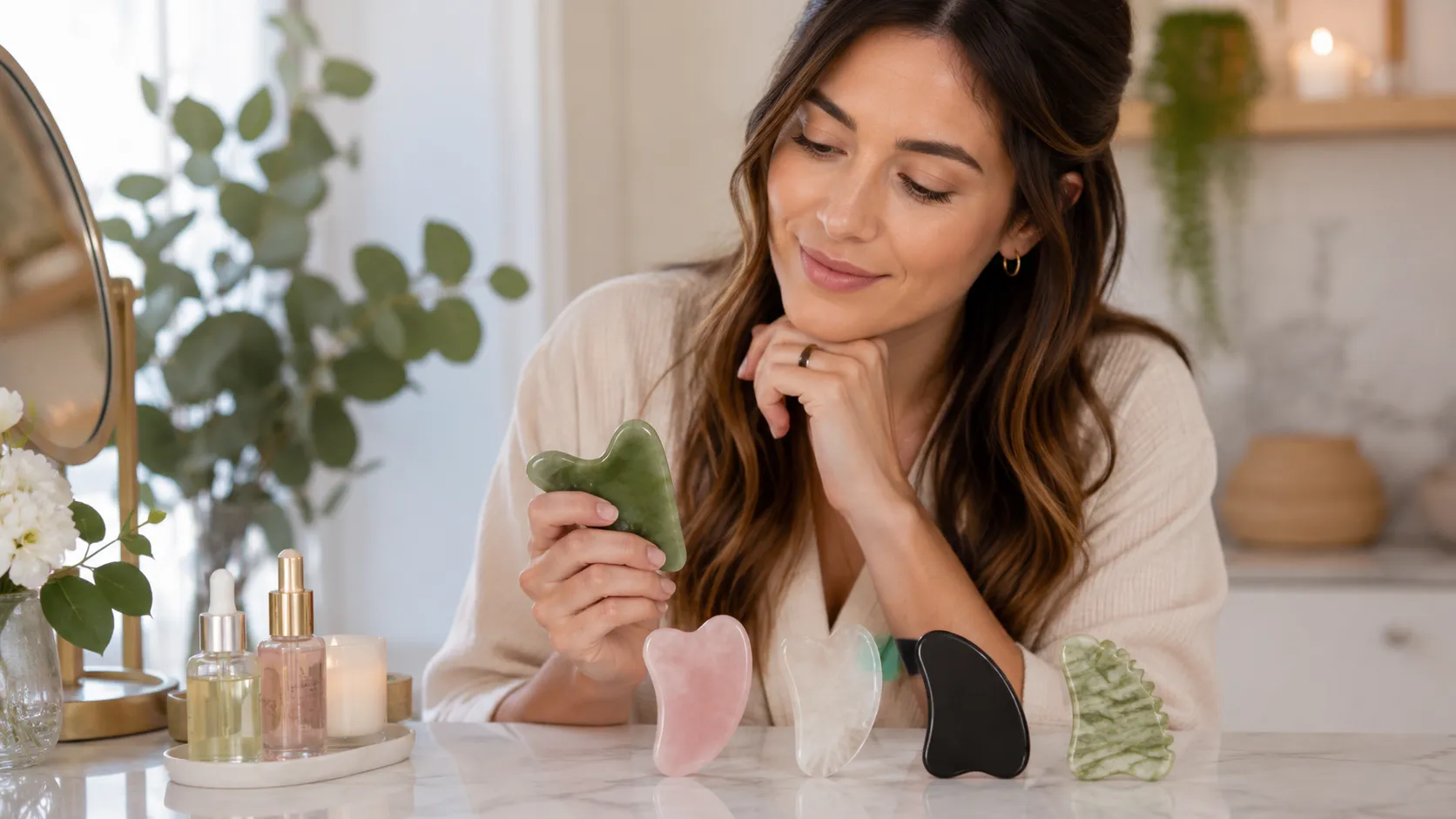
Stone tools are often chosen for pretty colors; steel feels modern and minimal.
7. Budget
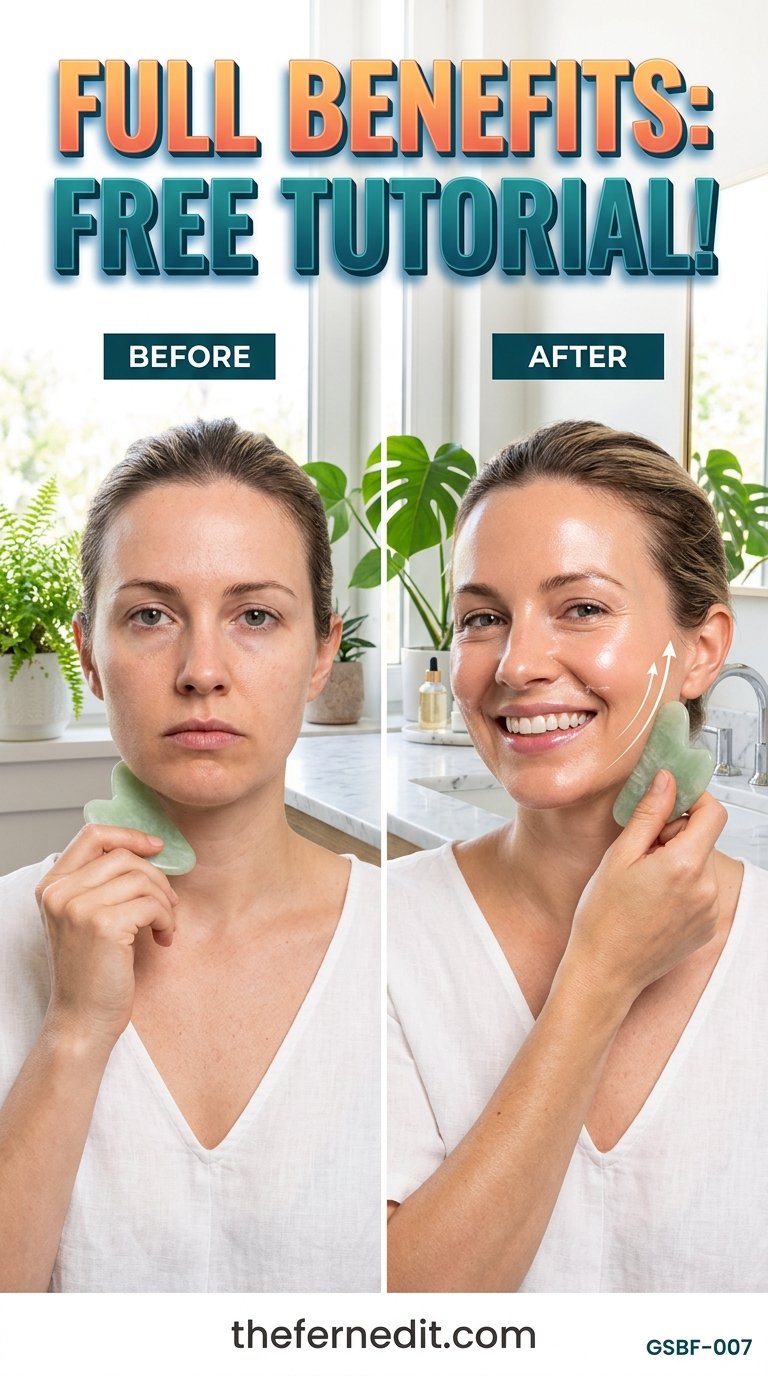
Both materials come in budget and premium versions.
8. Travel
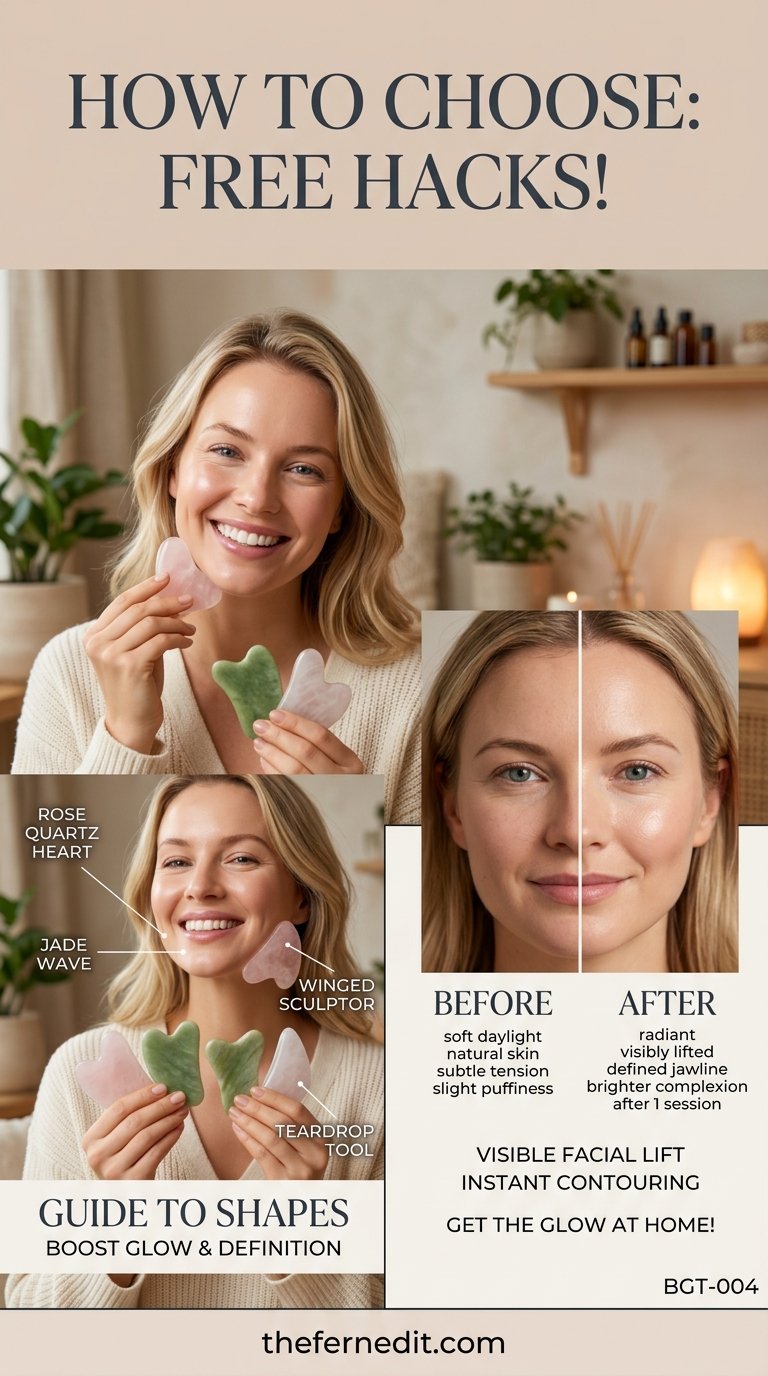
Steel may be safer for travel because it is less breakable.
9. Skin feel

Some people prefer the smooth, cool glide of steel; others prefer stone.
10. Best choice
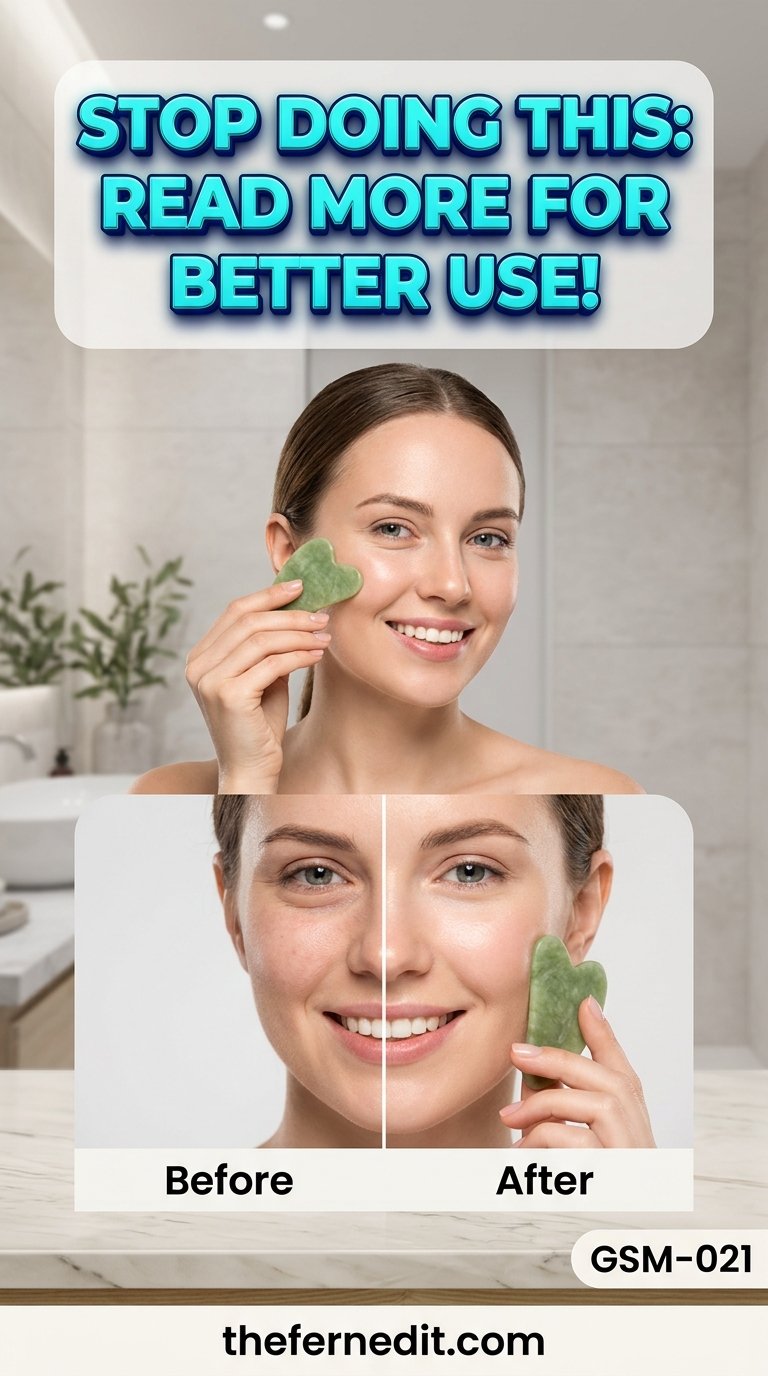
The best tool is the one you use gently and clean consistently.
How to turn this into a weekly routine
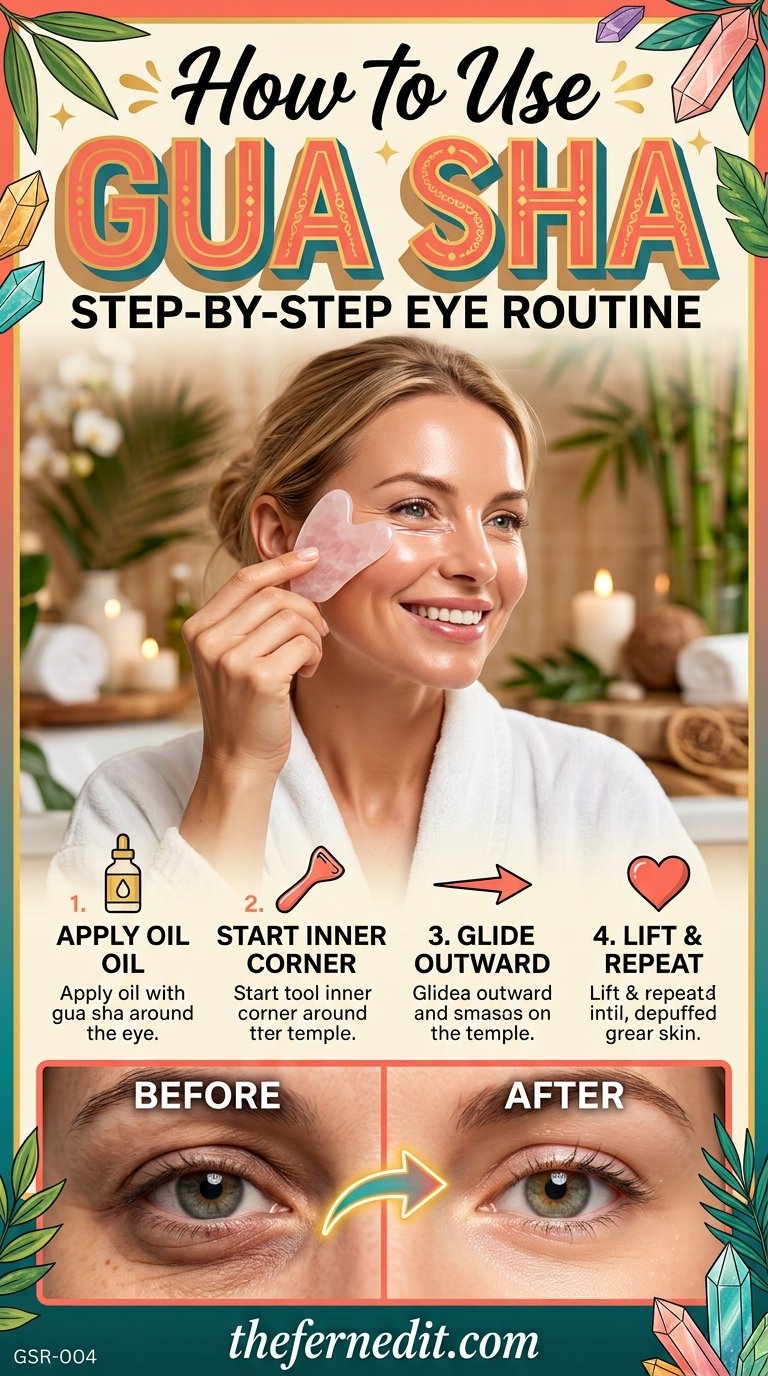
| Day 1 | Read the guide, choose your routine level, and save the matching pin. |
| Day 2 | Try the simplest version and note comfort, time, and any products used. |
| Day 3 | Repeat the same routine instead of adding more steps. |
| Day 4 | Check for irritation, dryness, or soreness and adjust before continuing. |
| Day 5 | Add one supporting habit such as sunscreen, hydration, or a tracker. |
| Day 6 | Take a realistic progress note, using the same lighting for any photos. |
| Day 7 | Review what felt useful and what should be simplified. |
This weekly structure keeps the routine actionable and pairs well with a printable tracker or checklist.
Product and image notes
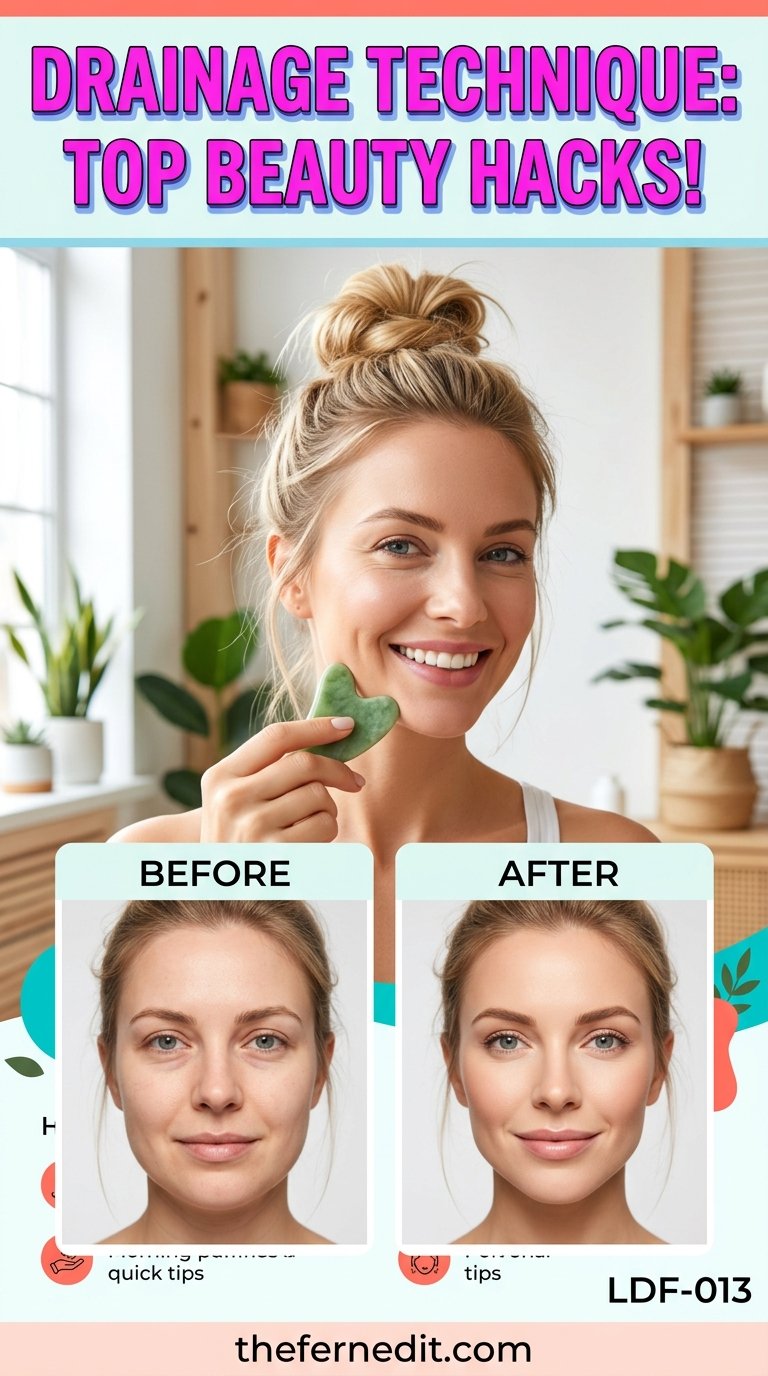
Show both tool types with brand-neutral packaging. Keep copy honest and avoid reshaping claims.
Common mistakes to avoid
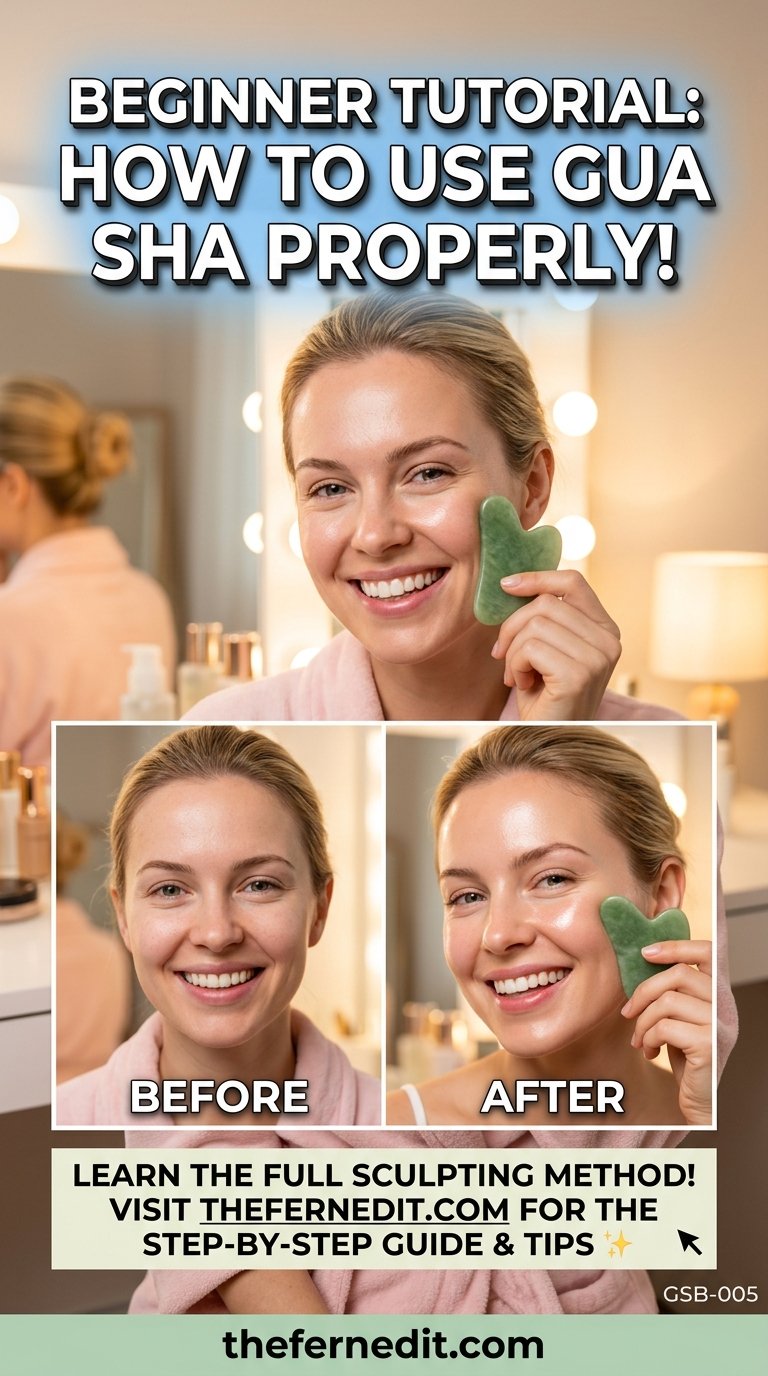
- Trying too many new products or steps at once
- Copying a viral routine without adjusting for your skin, face, or lifestyle
- Using harsh pressure when the routine should stay gentle
- Expecting instant results from a routine that depends on consistency
- Skipping sunscreen or basic care while chasing trends
Final thoughts
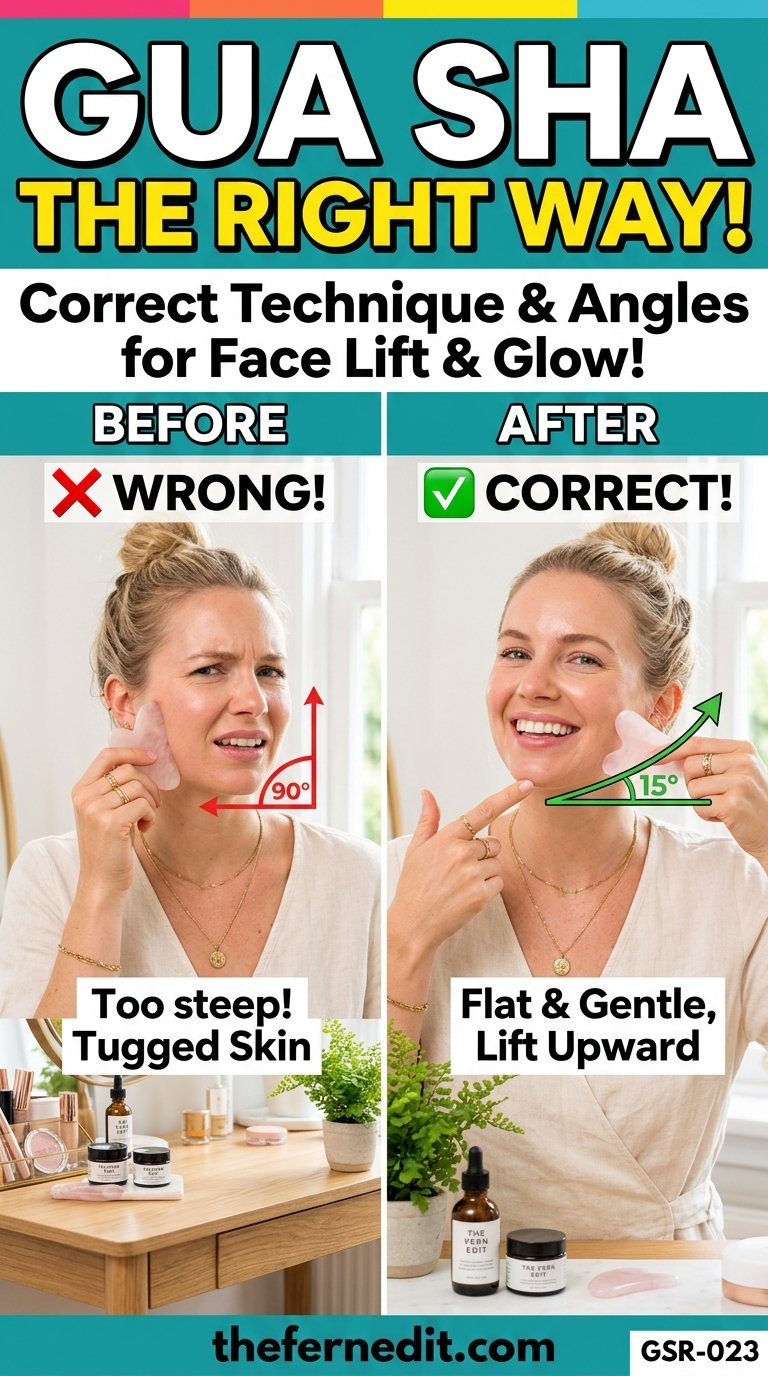
It depends on your priorities: stainless steel is durable and easy to clean, while stone feels traditional and beautiful. Technique and consistency matter more than the material.
Explore more from The Fern Edit: Gua Sha, Face Yoga, Skin Firming, Mature Skin, printables.
 📌 Save
Love this guide? Save it 📌
Pin it to your favorite board so it's easy to find again — and share it with a friend who'd love it too.
Save to PinterestFrequently asked questions
Is stainless steel gua sha better than stone?
It depends. Stainless steel is durable and easy to clean, while stone feels traditional and beautiful.
Does material change results?
Technique, pressure, slip, and consistency matter more than material.
Can stone gua sha break?
Yes. Stone tools can chip or break if dropped.
Is stainless steel easier to clean?
Often yes, because it is smooth and durable.
Which is better for beginners?
Beginners may like stainless steel for durability or a simple stone tool for a classic routine.
Can I use either tool cold?
Yes, but use gentle pressure and avoid extreme cold on sensitive skin.

We cite sources and update this guide regularly.