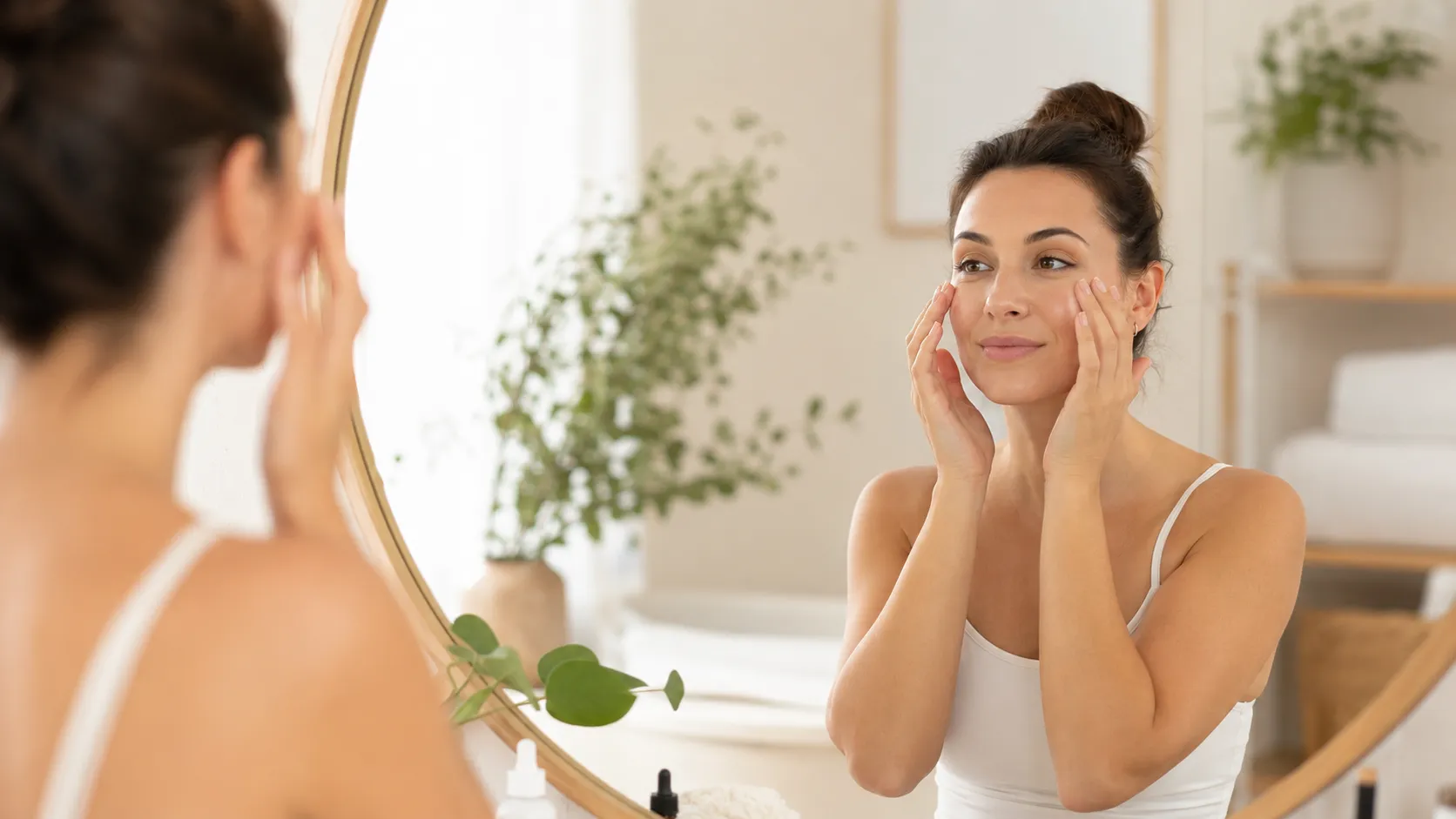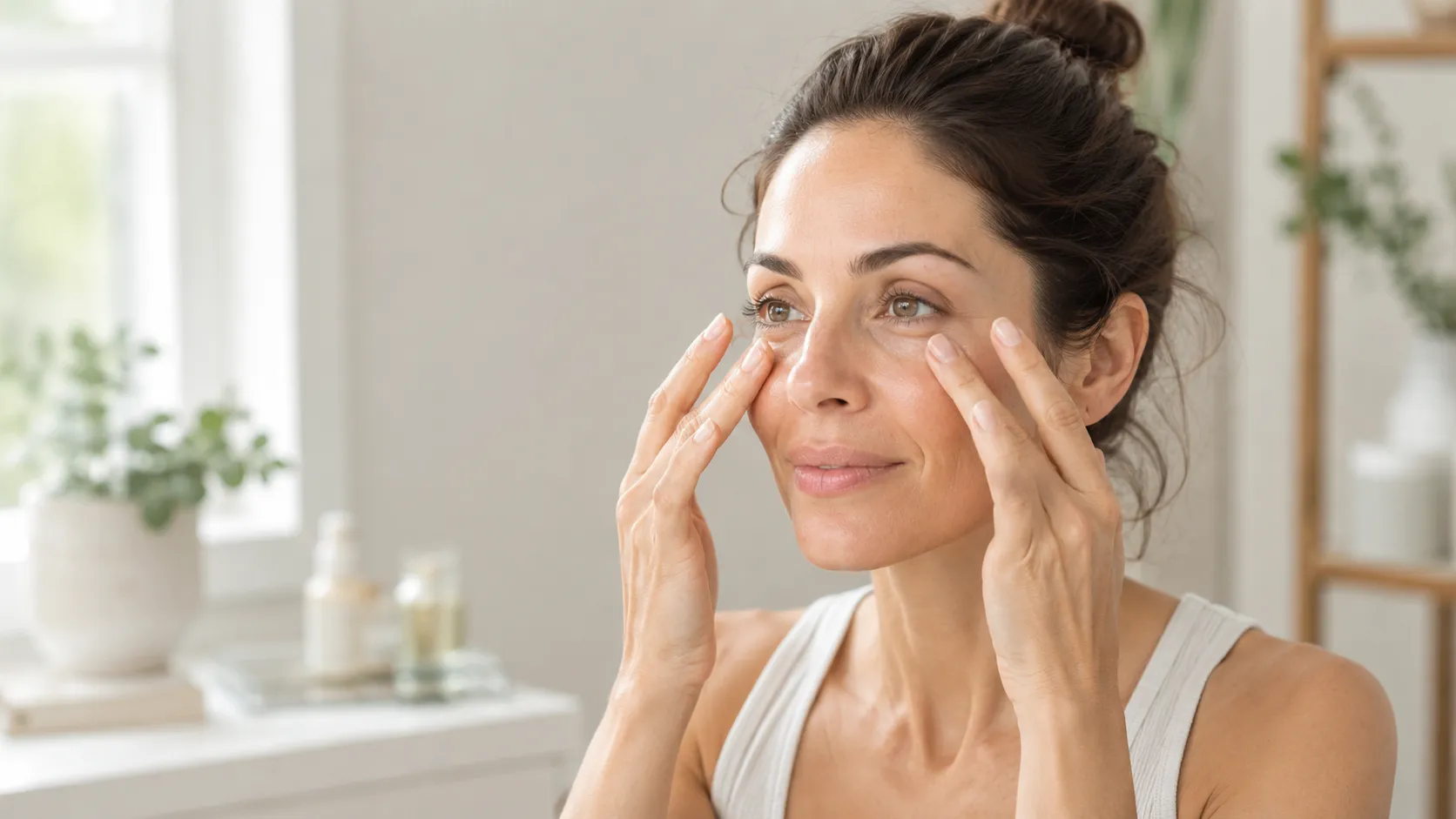
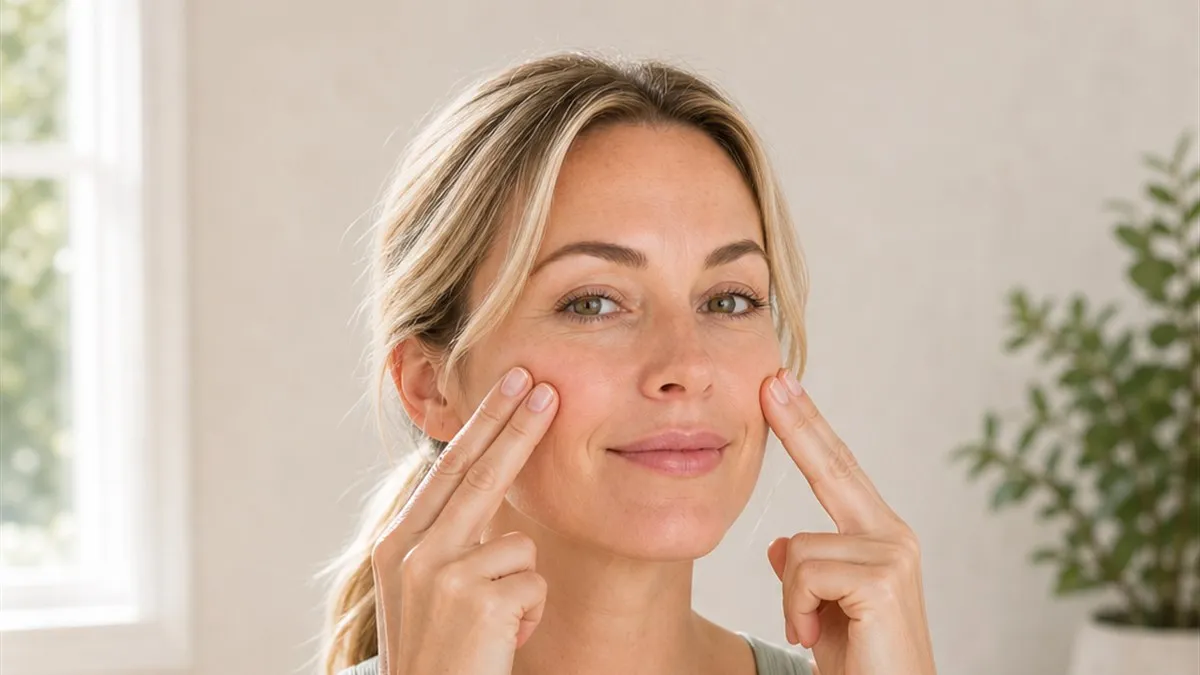
To start face yoga, do a few gentle resistance exercises for your forehead, eyes, cheeks, and jaw for about 5 to 10 minutes a day. Use clean hands, work each move slowly, and stay consistent. Results are subtle and build over weeks, so think of it as gentle facial exercise, not an instant fix.
A beginner face yoga routine you can do in minutes a day. Evidence is limited and results vary.
Face yoga is simply exercise for the muscles of your face and neck. Like any exercise, it works best when the moves are done correctly and consistently. If you are brand new, here is a beginner-friendly starter routine and the realistic picture of what it can and cannot do.
Quick answer
Start with a short daily routine (5 to 10 minutes) of gentle exercises for the forehead, eyes, cheeks, and jaw. Use clean hands, move slowly with light resistance, and do it most days. Give it several weeks before judging the results, which are gradual and subtle.
Key takeaways
- Face yoga is muscle exercise, so consistency is what matters.
- Always start with clean hands and a clean face to avoid breakouts.
- Gentle and controlled beats forceful. You are toning, not tugging.
- Expect subtle firmness and better circulation over weeks, not overnight change.
What is face yoga, and how does it work?
Face yoga is a set of gentle exercises and massage movements for the muscles of your face and neck. The idea is the same as exercise anywhere else on the body: working a muscle can improve its tone over time. On the face, that may make certain areas look subtly more supported, while the massage side of it boosts circulation for a brighter look and releases the tension we hold in the brow and jaw. It is not a medical treatment and the evidence is modest, but as a gentle, free habit it has real, if subtle, upsides. For the full honest picture, see does face yoga work.
Do you need any equipment to start?
Happily, no. Your clean hands are the only essential, which is what makes face yoga so easy to begin. A little facial oil or moisturizer can help your fingers glide during any massage moves, and some people enjoy a cool tool, but none of it is required. Skip anything marketed as a must-have gadget that promises dramatic results — the value here is in gentle, consistent movement, not equipment.
A simple beginner routine
Do each of these slowly, 3 to 5 times.
- Forehead smoother. Place both hands on your forehead, fingers spread. Gently hold the skin still while you try to raise your eyebrows. This builds control and eases tension.
- Eye firmer. Make a gentle V with your fingers at the inner and outer corners of one eye, look up, and softly flutter the lower lid. Repeat on the other side.
- Cheek lifter. Smile with your lips closed, then use your fingertips to lightly lift the tops of your cheeks while you resist with a bigger smile.
- Jaw and neck. Tilt your head back slightly, look at the ceiling, and make a chewing motion with your lips closed to feel the front of your neck work. For more, see our face yoga for the jawline guide.
- Release. Finish by gently massaging your whole face to relax the muscles.
This is a deliberately short starter set. When you are ready for more moves to choose from, the at-home exercises library organizes them by area so you can build a fuller session.
How often should beginners do face yoga?
Most programs suggest most days of the week, around 5 to 20 minutes. As a beginner, start small — 5 to 10 minutes — so it becomes a habit you actually keep rather than an ambitious plan you abandon. Frequency matters more than duration: a short daily session builds tone and habit far better than one long weekly effort. If you want a ready-made structure, our 28-day face yoga challenge gives you a day-by-day plan.
How is face yoga different from gua sha?
They overlap but are not the same. Face yoga is primarily active exercise — you are moving and lightly resisting with your own facial muscles to build tone and release tension. Gua sha is a passive massage technique where you glide a smooth tool across the skin with oil, mainly to boost circulation and encourage lymphatic drainage for a de-puffed look. You can happily do both; many people use face yoga for toning and relaxation and gua sha for that fresh, less-puffy finish. As a beginner, there is no need to choose — just keep whichever you do gentle.
Is face yoga safe for your skin?
For most people, yes, as long as you keep it gentle. The main precaution is technique: repeatedly pulling or scrunching the skin hard could contribute to creasing over time, so support the skin and keep every movement light and controlled. Always start with clean hands and a clean face to avoid pressing bacteria in, which can trigger breakouts. If you have active acne, a skin condition, recent cosmetic procedures, or any jaw problems, check with a professional first and skip moves that touch irritated areas. Done kindly and cleanly, face yoga carries very little risk.
What time of day should you do face yoga?
Whenever you will actually remember it. A morning session pairs nicely with skincare and can leave your face looking more awake, while an evening session is a relaxing way to release the tension built up over the day. There is no single "correct" time, so anchor it to a habit you already have — right after cleansing, for example — so it becomes automatic. Beginners especially benefit from a consistent slot, because the routine sticks far better when it is tied to something you already do every day.
Common beginner mistakes
- Pressing or pulling too hard, which can irritate skin. Keep it gentle.
- Doing it with dirty hands, which can cause breakouts.
- Creating new creases by scrunching. Support the skin and keep moves smooth.
- Quitting after a week. This is exercise, so it needs time.
When will you see results as a beginner?
Some benefits are immediate: right away, face yoga boosts circulation, so skin can look a little brighter and feel more relaxed. The subtler toning benefit takes longer — usually several weeks of consistent practice before some people notice slightly firmer, more toned-looking areas. It will not replace medical or cosmetic treatments, and the evidence is limited. Go in expecting a gentle habit that relieves tension and gives a temporary glow, with any firming as a slow bonus, and you will enjoy it far more.
Final takeaway
Face yoga for beginners is easy to start: clean hands, a short daily routine, gentle controlled movements, and patience. Keep the moves light, stay consistent for a few weeks, and enjoy the relaxation and circulation boost while any toning benefits build gradually.
General wellness information, not medical advice. Stop any move that causes pain and see a professional for medical concerns.
 📌 Save
Love this guide? Save it 📌
Pin it to your favorite board so it's easy to find again — and share it with a friend who'd love it too.
Save to PinterestFrequently asked questions
How do I start face yoga as a beginner?
Begin with a short daily routine of about 5 to 10 minutes covering the forehead, eyes, cheeks, and jaw. Use clean hands, move slowly and gently, and stay consistent. Build up the time as it becomes a habit.
How long until face yoga shows results?
Because it is muscle exercise, results are gradual. Circulation and relaxation benefits are immediate, but any toning takes several weeks of near-daily practice to notice, and effects are subtle.
How many minutes of face yoga per day?
Five to ten minutes is a good beginner amount, and many programs go up to about 20 minutes. Starting small makes it easier to keep up, which matters more than doing a long session.
Can face yoga cause wrinkles?
Repeatedly scrunching or pulling the skin could create creases over time, so keep moves gentle, support the skin with your hands, and avoid forceful tugging.
Do I need anything to do face yoga?
No equipment is required, just clean hands and a clean face. A little facial oil can help your fingers glide for the massage-style moves, but it is optional.
Does face yoga really work for beginners?
Face yoga can support circulation, ease tension, and contribute to a more toned, relaxed look with consistent practice, often noticeable around 8 to 12 weeks. It works best as a supportive habit alongside skincare, not a replacement for it.
How often should I do face yoga?
Aim for daily or most days of the week. Like any exercise, regular practice is what builds visible results over time.
When will I see results from face yoga?
With consistent daily practice, many people notice a more lifted, relaxed look around 8 to 12 weeks. Relaxation and reduced tension can feel immediate.

Medically reviewed by The Fern Edit Editorial Team, . We cite sources and update this guide regularly.