Yellow nails are most often caused by staining from dark polish worn without a base coat, plus smoking, aging, or certain products. To whiten them, take a polish break, always use a base coat going forward, and try a gentle soak (like a mild baking soda paste) followed by cuticle oil. If nails are also thick, crumbly, or distorted, the yellowing may be a fungal infection—see a doctor or pharmacist rather than just trying to whiten it.
You take off a bold red polish and—surprise—your nails are left looking dull, stained, and yellow. It is a deflating little moment, and a surprisingly common one. The good news is that the most frequent cause of yellow nails is completely harmless and easy to fix at home.
That said, not all yellowing is the same. Knowing the difference between a simple polish stain and something that deserves a professional’s eye saves you both worry and wasted effort. Here is what causes yellow nails and how to gently bring back their natural, healthy tone.
Key Takeaways
- The #1 cause is polish staining from skipping a base coat—easy to fix and prevent.
- A base coat is your best defense. Always wear one under colored polish.
- Whiten gently. Mild soaks and light buffing work; harsh DIY bleaching does not.
- Hydrate after any whitening step, since they can be drying.
- Thick, crumbly, or distorted yellow nails may be fungal—see a professional.
What Causes Yellow Nails?
1. Polish staining (the most common cause)
Dark, pigment-heavy polishes—reds, burgundies, blues—can leave a yellow tint when applied directly to bare nails. The fix and the prevention are the same: a base coat. This is the cause for most women, and it is entirely cosmetic.
2. Skipping the base coat
Worth its own line because it is so common. Without that protective layer, pigments seep into the top of the nail and stain it.
3. Smoking
Nicotine and tar can stain nails (and fingertips) a yellow-brown. Reducing or quitting helps the staining grow out.
4. Aging
Nails can naturally yellow and thicken slightly with age. A gentle routine keeps them looking their best.
5. Certain products and habits
Frequent gel manicures, harsh removers, and some self-tanners or household chemicals can contribute to discoloration.
6. Fungal infection (less common, but important)
If a nail is yellow and thickened, crumbly, distorted, or lifting, that can be a sign of a nail fungus rather than a stain. This one is not a whitening problem—it needs a doctor or pharmacist. We cover the warning signs below.
How to Whiten Yellow Nails at Home
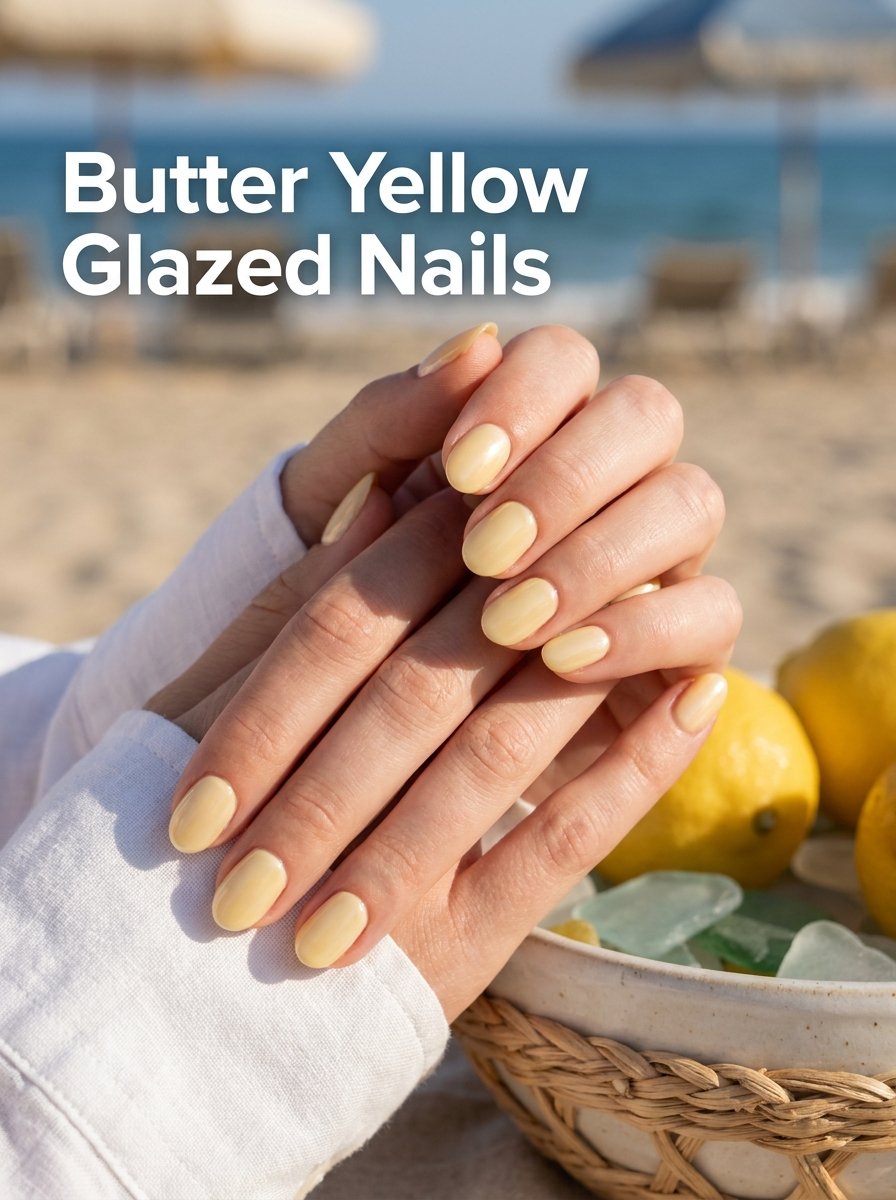
If your yellowing is from polish or surface staining, these gentle steps help while new, clear nail grows in:
- Take a polish break. Go bare for a week or two so nails can recover and you can see their true color.
- Try a gentle baking soda soak. Mix a little baking soda with water into a soft paste, apply with a soft brush, leave briefly, then rinse. Do this no more than once or twice a week.
- Buff very lightly. A soft buffer can lift surface staining—keep it gentle to avoid thinning the nail.
- Always re-hydrate. Whitening steps can be drying, so finish with cuticle oil and hand cream every time.
- Be patient. Stains in the nail grow out; you are helping the surface while healthy nail replaces the stained part.
This pairs with the daily habits in our pillar guide, how to grow strong, healthy nails.
How to Prevent Yellow Nails
- Always apply a base coat before colored polish—non-negotiable for stain prevention.
- Give nails regular bare, oiled days between manicures.
- Remove polish gently with a non-harsh remover instead of scrubbing.
- Wear gloves for cleaning to limit chemical exposure.
- Keep nails hydrated; healthy nails resist discoloration better.
Best Products and Ingredients
A short, effective lineup—easy to find at U.S. stores like Target, Ulta, or Amazon:
- A quality base coat (the single best preventer of staining).
- A whitening or brightening base coat for an instant cosmetic lift.
- A soft buffer for occasional gentle surface smoothing.
- Cuticle oil and hand cream to rehydrate after whitening.
- A gentle, acetone-light remover.
Remedies That Help (and Myths to Skip)
Gentle and helpful: a mild baking soda paste, a polish break, light buffing, and consistent base-coat use going forward.
Skip these: household bleach or strong chemical “hacks” (harsh and drying), aggressive scrubbing, and undiluted lemon juice used often—citrus can dry and sensitize skin and nails. If you ever try a lemon rub, keep it occasional and always moisturize afterward.
Common Mistakes to Avoid
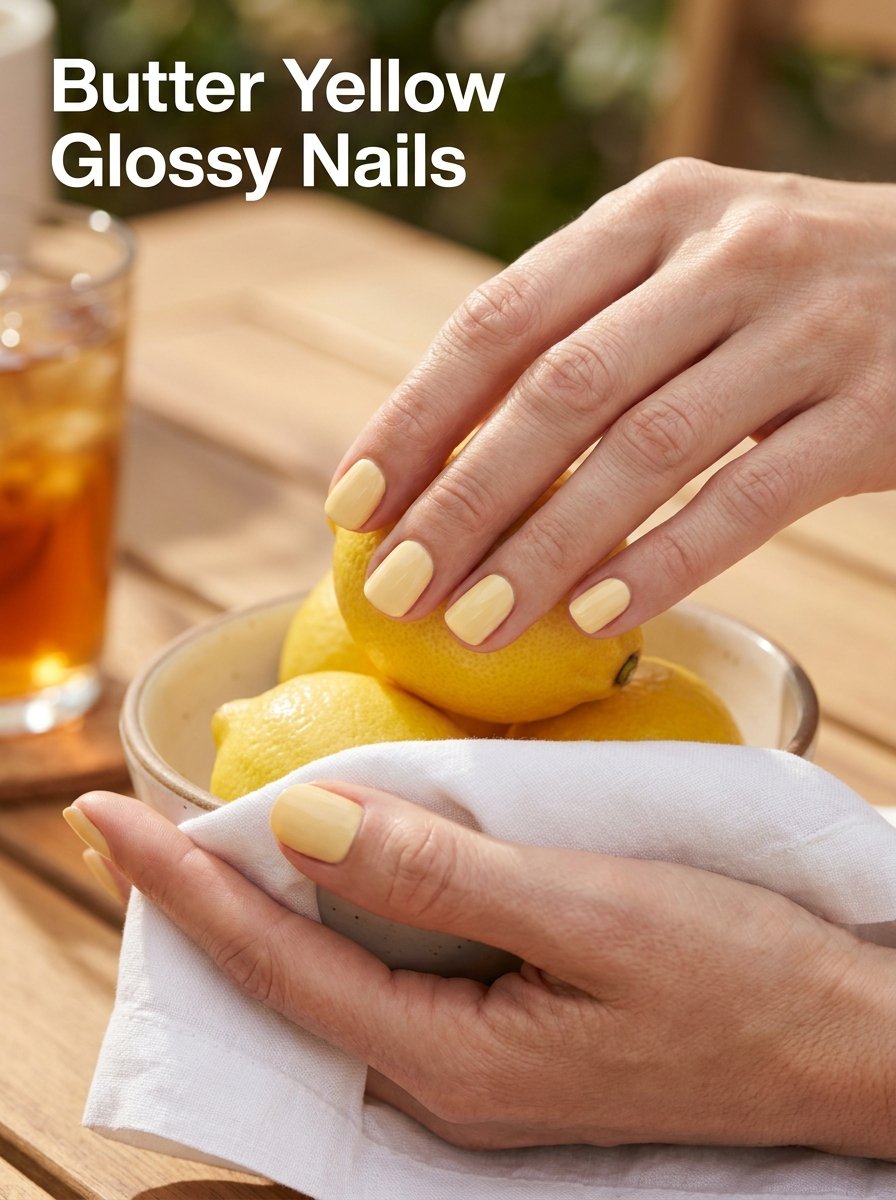
- Wearing dark polish without a base coat (the root of most yellow nails).
- Trying to bleach nails white with harsh products.
- Over-buffing to “scrub off” the color, which thins the nail.
- Ignoring yellowing that comes with thickening or crumbling—that needs a professional, not a whitening soak.
- Forgetting to moisturize after every whitening attempt.
Expert-Style Tips
- Make base coat a rule, not an option. It prevents 90% of polish-related yellowing.
- Rotate in nude and sheer shades—they are far less likely to stain than dark pigments.
- Oil nightly so the nail surface stays healthy and bright.
- Let nails fully recover between gels to keep their natural tone.
When to See a Doctor
Most yellow nails are cosmetic staining and clear up with a base coat and a little patience. But see a doctor, dermatologist, or pharmacist if a yellow nail is also thick, crumbly, brittle, distorted in shape, lifting from the nail bed, or painful—these can indicate a fungal infection that needs proper treatment. Also check in if multiple nails yellow suddenly without a polish explanation, since rarely it can relate to a health condition. When in doubt, get it looked at rather than scrubbing harder.
Free Printable: Healthy Nail Habits Checklist
Bright nails start with one habit—always wearing a base coat. Grab our free printable nail care checklist to keep your prevention routine on autopilot.
Related Reads in This Series
- How to Grow Strong, Healthy Nails (Full Routine)
- Brittle Nails: Causes and How to Fix Them
- Ridges in Fingernails: What They Mean
- Cuticle Care: How to Care for Your Cuticles
- How to Grow Your Nails Faster
Why are my nails yellow?
The most common reason is staining from dark polish worn without a base coat. Smoking, aging, harsh products, and—less often—a fungal infection can also cause yellowing. If nails are also thick or crumbly, see a professional.
How do you get rid of yellow nails fast?
Take a polish break, try a gentle baking soda soak, buff lightly, and moisturize. Surface staining improves quickly, but stains within the nail fully clear only as new nail grows out.
Does baking soda whiten nails?
A mild baking soda paste can help lift surface staining when used gently once or twice a week. Always follow with cuticle oil, since it can be drying.
Are yellow nails a sign of fungus?
Not usually—most yellow nails are polish stains. But yellowing combined with thickening, crumbling, or distortion can indicate a fungal infection, which should be checked by a doctor or pharmacist.
How do I prevent my nails from turning yellow?
Always use a base coat under colored polish, take regular bare days, remove polish gently, and keep nails hydrated. Base coat is the single most effective preventer.
The Takeaway
For most women, yellow nails are simply a polish stain—annoying, but harmless and very fixable. Take a polish break, whiten gently, and commit to a base coat going forward, and your natural nail tone returns as healthy nail grows in. Just remember the one exception: yellowing paired with thick, crumbly, or distorted nails is a job for a professional, not a whitening soak.
This article is for general beauty and self-care education only and is not medical advice. If your nails are thick, crumbly, painful, or yellow without a clear cause, please consult a doctor, dermatologist, or pharmacist.
Nail inspiration to save 💅
Tap any look to open it — then save your favorites.



 📌 Save
Love this guide? Save it 📌
Pin it to your favorite board so it's easy to find again — and share it with a friend who'd love it too.
Save to PinterestFrequently asked questions
Why are my nails yellow?
The most common reason is staining from dark polish worn without a base coat. Smoking, aging, harsh products, and — less often — a fungal infection can also cause yellowing. If nails are also thick or crumbly, see a professional.
How do you get rid of yellow nails fast?
Take a polish break, try a gentle baking soda soak, buff lightly, and moisturize. Surface staining improves quickly, but stains within the nail fully clear only as new nail grows out.
Does baking soda whiten nails?
A mild baking soda paste can help lift surface staining when used gently once or twice a week. Always follow with cuticle oil, since it can be drying.
Are yellow nails a sign of fungus?
Not usually — most yellow nails are polish stains. But yellowing combined with thickening, crumbling, or distortion can indicate a fungal infection, which should be checked by a doctor or pharmacist.
How do I prevent my nails from turning yellow?
Always use a base coat under colored polish, take regular bare days, remove polish gently, and keep nails hydrated. Base coat is the single most effective preventer.

We cite sources and update this guide regularly.