To use an epilator, exfoliate first and work on clean, dry skin, hold the device at a 90-degree angle, and glide it slowly against the direction of hair growth, going over each area once. Start on your legs, expect mild discomfort the first few times, and moisturize after. Results last about two to four weeks.
An epilator removes hair from the root, so the results last much longer than shaving, but it takes a little technique to use one comfortably. Whether you are curious about epilating or just unboxed your first device, here is exactly how to use an epilator for smooth skin with less pain and fewer ingrown hairs.
An epilator removes hair from the root, so the results last much longer than shaving, but it takes a little technique to use one comfortably. Whether you are curious about epilating or just unboxed your first device, here is exactly how to use an epilator for smooth skin with less pain and fewer ingrown hairs.
Key Takeaways
- Shaving is fast, painless, and cheap but regrows in days.
- Waxing pulls hair from the root for weeks of smoothness, with pain and cost.
- Epilating gives weeks of results at home after an upfront device cost.
- Root removal (waxing, epilating) lasts much longer than shaving.
- Sensitive skin often tolerates shaving best; patch test the others.
- The best method depends on your skin, budget, pain tolerance, and area.
How Each Method Works
The core difference is whether hair is cut at the surface or pulled from the root.
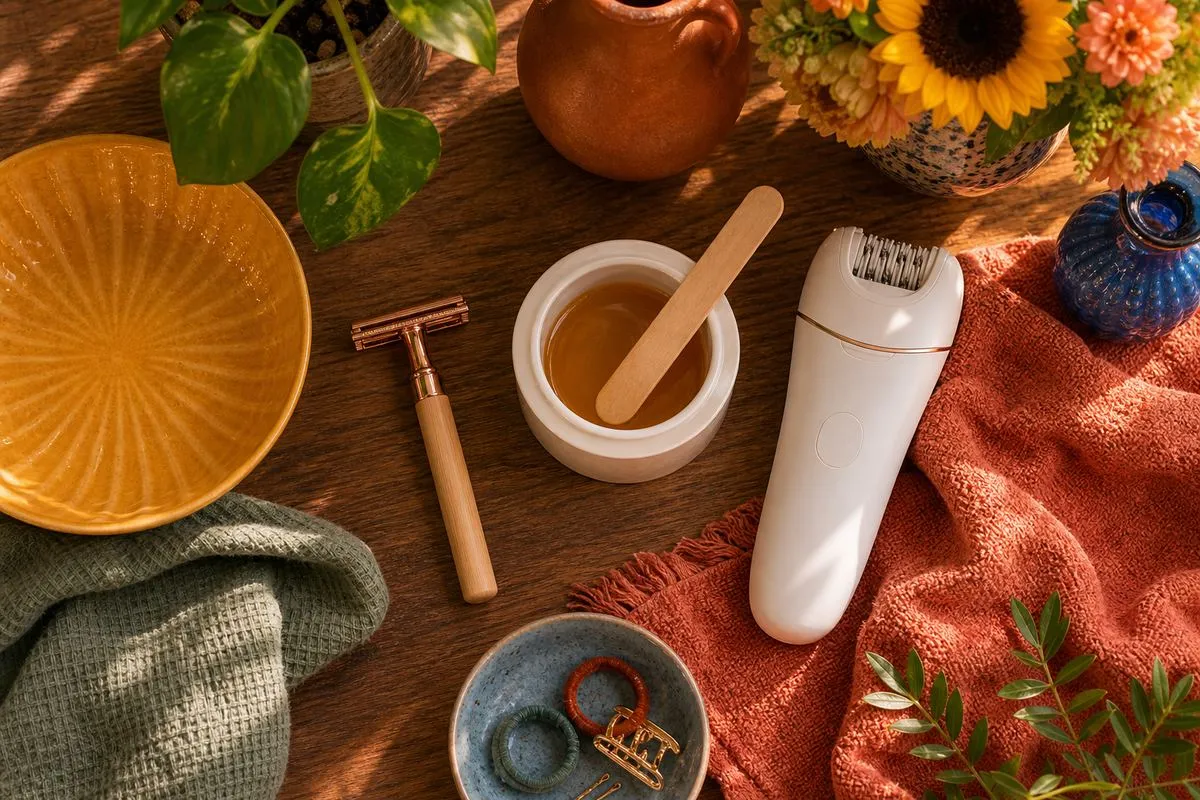
- Shaving uses a razor to cut hair off at the skin's surface. The root stays, so regrowth is quick.
- Waxing applies wax that grips the hairs, then pulls them out from the root in one motion. Regrowth takes weeks.
- Epilating uses an electric device with tiny rotating tweezers that grasp and pull multiple hairs from the root as you glide it over the skin. Like waxing, it removes from the root for longer-lasting results.
Root removal is why waxing and epilating last so much longer than shaving, and also why they are more uncomfortable.
Shaving: Pros and Cons
Shaving is the most popular method for good reason: it is fast, painless, inexpensive, and you can do it anytime in the shower.
Pros: quick and easy, painless, very low cost, gentle enough for most sensitive skin, no waiting for hair to grow out first.
Cons: regrowth within 1 to 3 days, can cause nicks, razor burn, and stubble, and may lead to ingrown hairs if done too closely. Shaving is the go-to for convenience and sensitivity, but the smoothness is short-lived.
Waxing: Pros and Cons
Waxing removes hair from the root, giving longer-lasting, smoother results, and over time some people find regrowth becomes finer and sparser.
Pros: smooth for about 3 to 6 weeks, finer regrowth over time, no stubble, exfoliates the skin a little as it removes hair.
Cons: it hurts (especially the first times and in sensitive areas), costs more (salon or kits), requires hair to grow out before each session, and can cause redness, irritation, or ingrowns. Waxing suits those who want lasting smoothness and do not mind the pain and cost.
Epilating: Pros and Cons
Epilating offers waxing-like, long-lasting results that you can do at home repeatedly after buying the device.
Pros: smooth for several weeks, root removal like waxing, done at home on your schedule, cost-effective over time (one device), can catch shorter hairs than waxing.
Cons: it can be uncomfortable or painful, especially at first, takes longer than shaving, has an upfront device cost, and can cause redness or ingrowns. Epilating suits those who want long-lasting, at-home results and can tolerate some discomfort, which often eases with regular use.
Shaving vs Waxing vs Epilating: Side by Side
| Feature | Shaving | Waxing | Epilating |
|---|---|---|---|
| How long results last | 1-3 days | 3-6 weeks | 3-4+ weeks |
| Pain level | None | High | Moderate to high |
| Cost | Low | Higher (ongoing) | Upfront device, then low |
| Speed | Very fast | Moderate | Slower |
| Regrowth feel | Stubbly | Soft, finer over time | Soft, finer over time |
| Done at home | Yes | Yes or salon | Yes |
| Hair length needed | Any | Some growth required | A little growth |
| Best for | Speed, sensitivity | Lasting smoothness | Lasting at-home results |
Which Lasts the Longest?
Waxing typically gives the longest stretch of smoothness (around 3 to 6 weeks), with epilating close behind (about 3 to 4 weeks or more), since both remove hair from the root. Shaving lasts only 1 to 3 days because it cuts at the surface. If long-lasting smoothness is your priority, waxing or epilating is the clear choice, and both tend to produce finer, sparser regrowth over months of consistent use. For the absolute longest results, waxing edges ahead.
Which Hurts the Least?
Shaving is painless, making it the comfort winner by far. Between the root-removal methods, epilating and waxing both pull hair out, so both cause discomfort, though it is very individual. Waxing is a quick, sharp pull, while epilating is a more drawn-out sensation. Many people find both become more tolerable with regular use as regrowth thins. If pain is your main concern, shave; if you want lasting results and can tolerate some discomfort, the root methods get easier over time.
Which Is Best for Sensitive Skin?
Sensitive skin often does best with careful shaving using a sharp razor and a gentle cream, since it is the least aggressive method. Waxing and epilating can irritate sensitive skin more, causing redness and bumps, so a patch test is wise before doing a full area. That said, some sensitive-skinned people tolerate waxing or epilating well once their skin adjusts, especially with good aftercare (soothing, fragrance-free moisturizer and gentle exfoliation between sessions). When in doubt with reactive skin, start gently and patch test.
Which Is Best by Body Area?
Different areas suit different methods:
- Legs: all three work; shaving for speed, waxing or epilating for lasting smoothness.
- Underarms: shaving is easy and common; epilating and waxing last longer but can sting more here.
- Bikini area: waxing is popular for lasting results, but it is sensitive, so patch test; careful shaving works for maintenance.
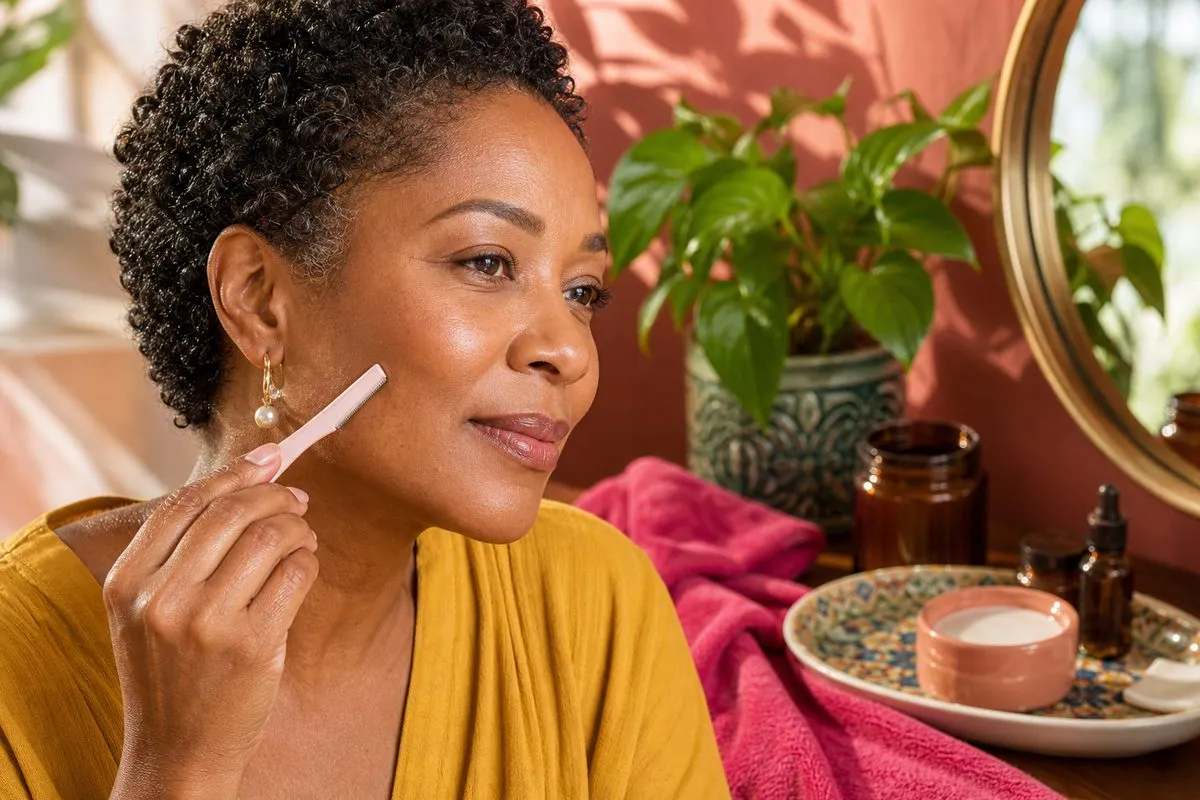
- Face (light facial hair): gentle methods like dermaplaning, threading, or a facial epilator/wax made for the face; avoid harsh body methods.
- Arms: any method; epilating and waxing give longer results.
Match the method to the area's sensitivity and how long you want results to last.
Ingrown Hair Risk Compared
All three methods can cause ingrown hairs, but the risk varies. Shaving (especially too close) and waxing both commonly cause ingrowns, while epilating can too. The real key to fewer ingrowns is the same regardless of method: exfoliate regularly to keep follicles clear and moisturize to keep skin supple. If you are very ingrown-prone, gentle exfoliation between sessions matters more than which removal method you choose. No method is fully ingrown-proof, but good skin care minimizes them across the board.
How to Choose
To decide, weigh your priorities. Choose shaving if you want fast, painless, low-cost smoothness and do not mind frequent upkeep, or if your skin is very sensitive. Choose waxing if you want the longest-lasting smoothness and finer regrowth, and can tolerate the pain and cost. Choose epilating if you want long-lasting results you can do at home on your own schedule and can handle some discomfort. Many women mix methods, shaving between waxes, or epilating legs while shaving underarms. There is no single right answer, only the method that fits your skin, budget, and tolerance.
Common Mistakes
- Expecting shaving to last like waxing. It cuts at the surface; regrowth is fast.
- Skipping a patch test for waxing or epilating. Test sensitive skin first.
- Ignoring exfoliation. It reduces ingrowns no matter the method.
- Using harsh body methods on the face. Use gentle, face-appropriate options.
- Not caring for skin after root removal. Soothe and moisturize to prevent irritation.
Final Takeaway
Shaving, waxing, and epilating each have a clear strength: shaving for speed, comfort, and sensitive skin; waxing for the longest-lasting smoothness; and epilating for lasting results you can do at home. The right method depends on your pain tolerance, budget, skin, and which areas you are treating, and there is no rule against mixing methods to suit different areas. Whichever you choose, exfoliate regularly and care for your skin afterward to stay smooth and minimize ingrowns. Pick what fits your life, and enjoy the smooth results.
This article is for general beauty and self-care education only and is not medical advice. Patch test new methods and consult a professional for skin concerns.
 📌 Save
Love this guide? Save it 📌
Pin it to your favorite board so it's easy to find again — and share it with a friend who'd love it too.
Save to PinterestFrequently asked questions
What is the difference between shaving, waxing, and epilating?
Shaving cuts hair at the surface, so regrowth comes in days. Waxing pulls hair from the root for 3 to 6 weeks of smoothness. Epilating uses a device to pull hair from the root for several weeks of at-home results. Root removal lasts longer but is more uncomfortable.
Which hair removal method lasts the longest?
Waxing usually lasts the longest, around 3 to 6 weeks, with epilating close behind at 3 to 4 weeks or more, since both remove hair from the root. Shaving lasts only 1 to 3 days.
Which hair removal method hurts the least?
Shaving is painless and the most comfortable by far. Waxing and epilating both pull hair from the root and cause discomfort, though many people find it becomes more tolerable with regular use as regrowth thins.
Which is best for sensitive skin?
Careful shaving with a sharp razor and gentle cream is usually best for sensitive skin, since it is the least aggressive. Waxing and epilating can irritate reactive skin, so patch test first and use soothing, fragrance-free aftercare.
Is epilating better than waxing?
Both remove hair from the root for similar longevity. Epilating is more cost-effective long term (one device) and done at home anytime, while waxing can last slightly longer and exfoliates as it removes hair. The better choice depends on your preference and budget.
Which method causes the most ingrown hairs?
Shaving (especially close) and waxing both commonly cause ingrowns, and epilating can too. The key to fewer ingrowns is the same for all: regular gentle exfoliation and moisturizing. No method is fully ingrown-proof.
Can I switch between methods?
Yes, and many women do. You might shave between waxes, or epilate your legs while shaving your underarms. Just give skin time to recover between aggressive methods and keep up exfoliation to minimize ingrowns.

We cite sources and update this guide regularly.