Heat damage happens when high temperatures dry out and weaken the hair, cracking the cuticle and breaking internal bonds, which leads to dryness, frizz, breakage, and split ends. To prevent it, always use a heat protectant, use the lowest effective temperature for your hair type (lower for fine or damaged hair), avoid going over the same section repeatedly, never flat iron wet hair, use quality tools, and limit how often you heat style. Protected, lower-heat styling keeps hair healthy.
Flat irons, curling wands, and blow dryers are how a lot of us get the hair we want, but they are also one of the leading causes of dry, brittle, breakage-prone hair. The mistake most people make is thinking they have to choose between styled hair and healthy hair. You do not. With the right temperature, a heat protectant, and a few smart habits, you can keep using your hot tools while keeping your hair strong, shiny, and healthy.
Flat irons, curling wands, and blow dryers are how a lot of us get the hair we want, but they are also one of the leading causes of dry, brittle, breakage-prone hair. The mistake most people make is thinking they have to choose between styled hair and healthy hair. You do not. With the right temperature, a heat protectant, and a few smart habits, you can keep using your hot tools while keeping your hair strong, shiny, and healthy.
Here is how heat damage happens, how to spot it, and how to style with heat without wrecking your hair.
Key Takeaways
- Heat damage cracks the cuticle and weakens hair's internal structure.
- Always apply a heat protectant before any hot tool.
- Use the lowest effective temperature for your hair type.
- Fine and damaged hair need lower heat than thick, coarse hair.
- Never flat iron soaking-wet hair; dry it first.
- Limiting heat frequency and using quality tools protects hair.
What Heat Damage Actually Is
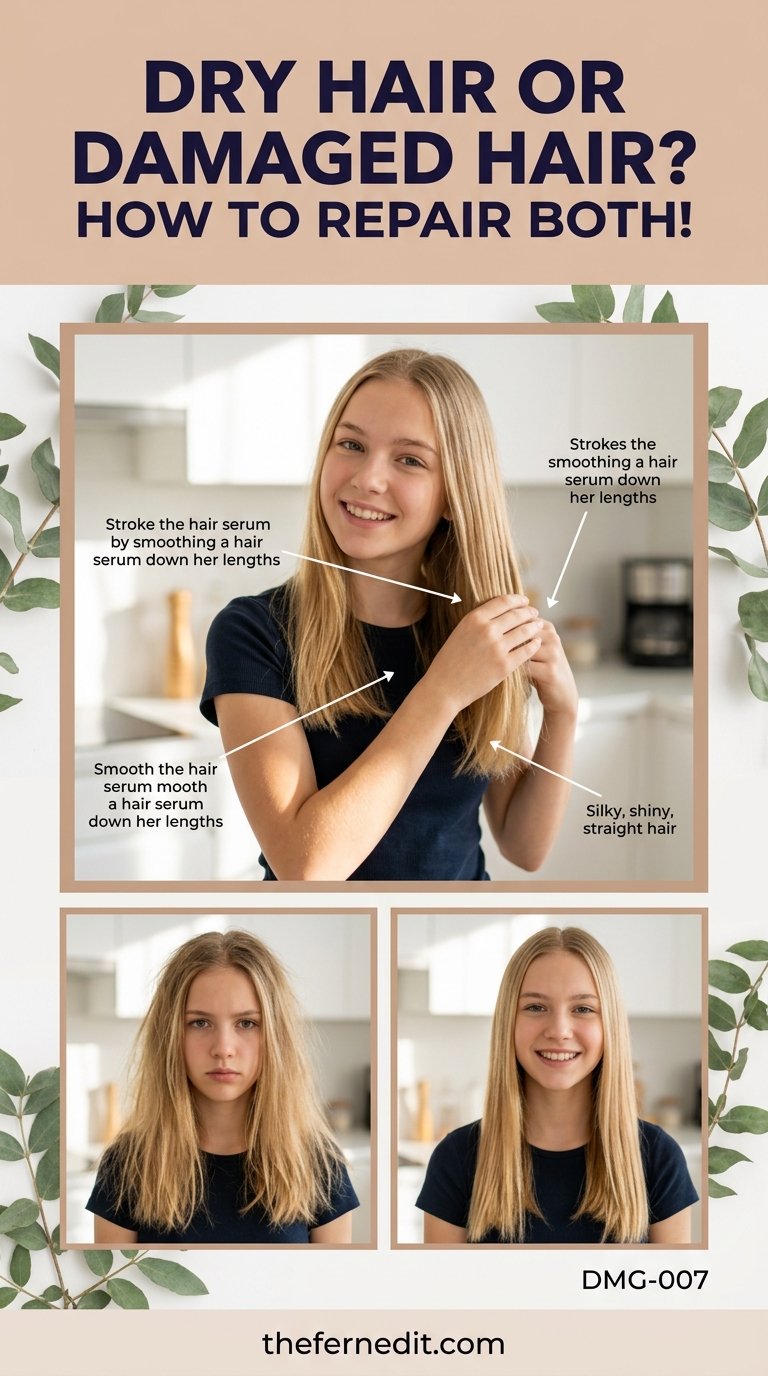
Heat damage is the harm caused to your hair when hot styling tools raise its temperature too high. Each hair has a protective outer cuticle and an inner structure held together by bonds. High heat dries out the hair, cracks and lifts the cuticle, and can break those internal bonds, weakening the strand. Once this happens, hair loses moisture, strength, and shine, and it cannot heal itself because hair is not living tissue. This is why protecting against heat is so important, since the damage is cumulative and largely permanent on the affected strands until they are trimmed and replaced by new growth.
How Heat Damages Hair
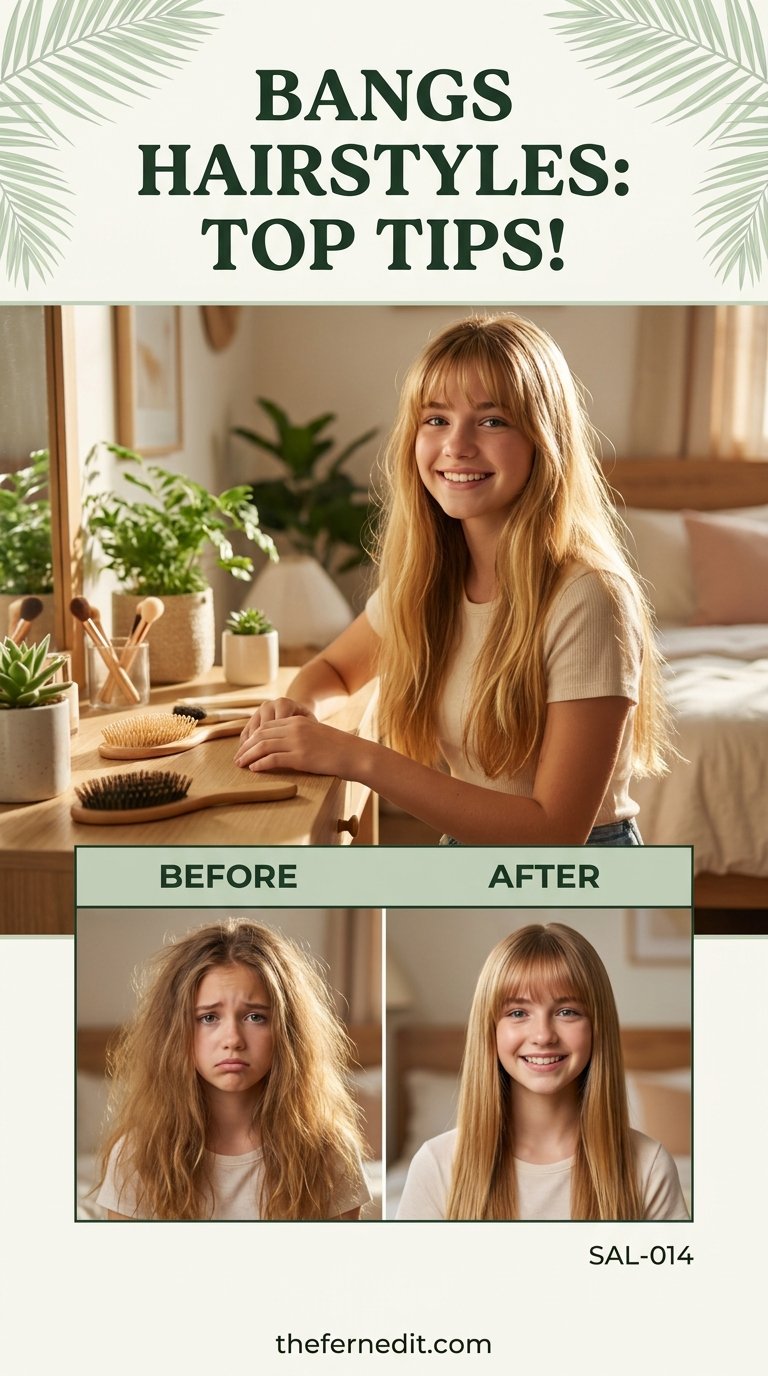
Several factors determine how much heat harms your hair:
- Temperature: the higher the heat, the more damage, especially above what your hair type needs.
- No heat protectant: bare hair takes the full force of the heat.
- Repeated passes: going over the same section again and again compounds damage.
- Frequency: daily heat styling gives hair no chance to recover.
- Wet hair plus heat: flat ironing wet hair can essentially boil the water inside, causing severe damage.
- Poor-quality tools: uneven heat and hot spots scorch hair.
Understanding these factors shows exactly how to style more safely: lower heat, protect, fewer passes, and not too often.
Signs of Heat Damage
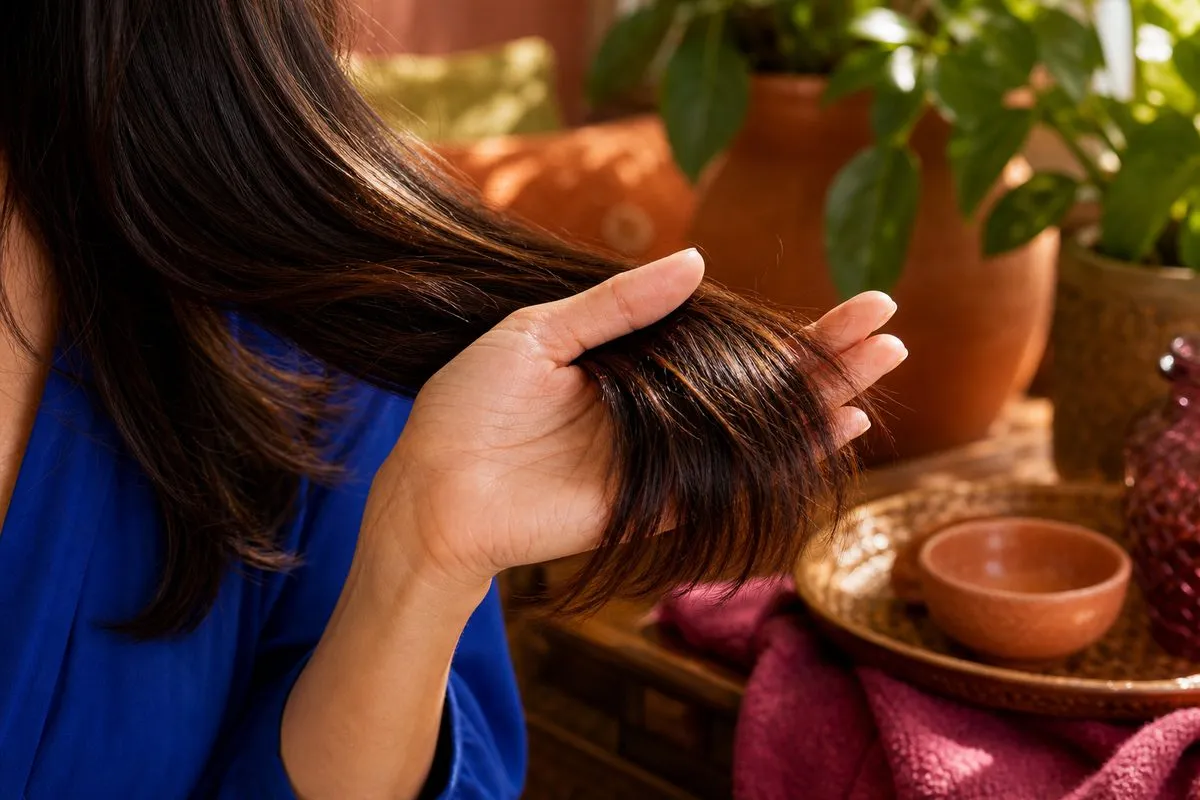
Heat-damaged hair has telltale signs. Look for increasing dryness and rough texture, dullness and lost shine, frizz and flyaways, split ends and breakage, and hair that feels brittle or straw-like. You may notice your ends looking frayed or your hair not holding a style well. For those with curls or waves, a key sign is loss of curl pattern, where damaged sections go limp, stringy, or stick straight while the rest still curls. If your hair shows these signs, it is time to reduce heat, add protection, and focus on repair. Catching heat damage early prevents it from spreading.
The Golden Rule: Heat Protectant
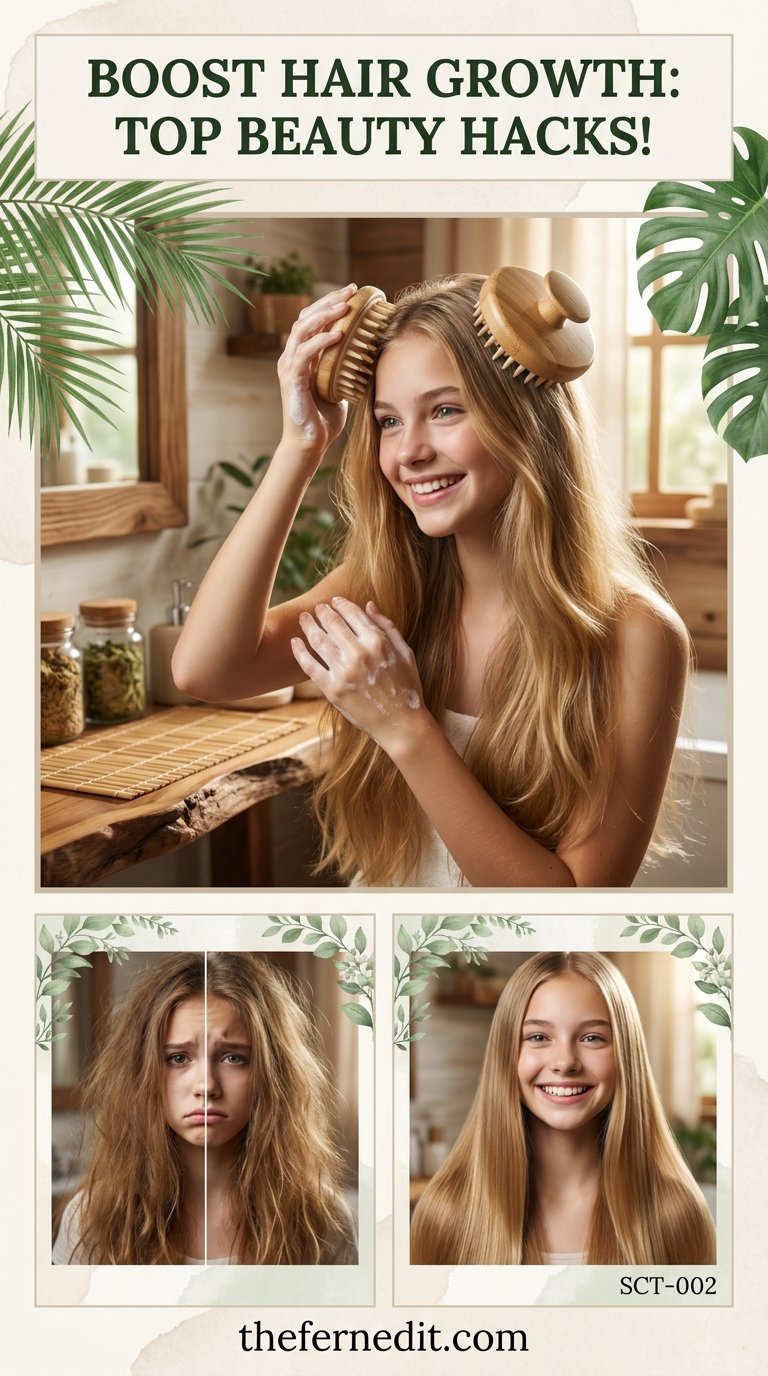
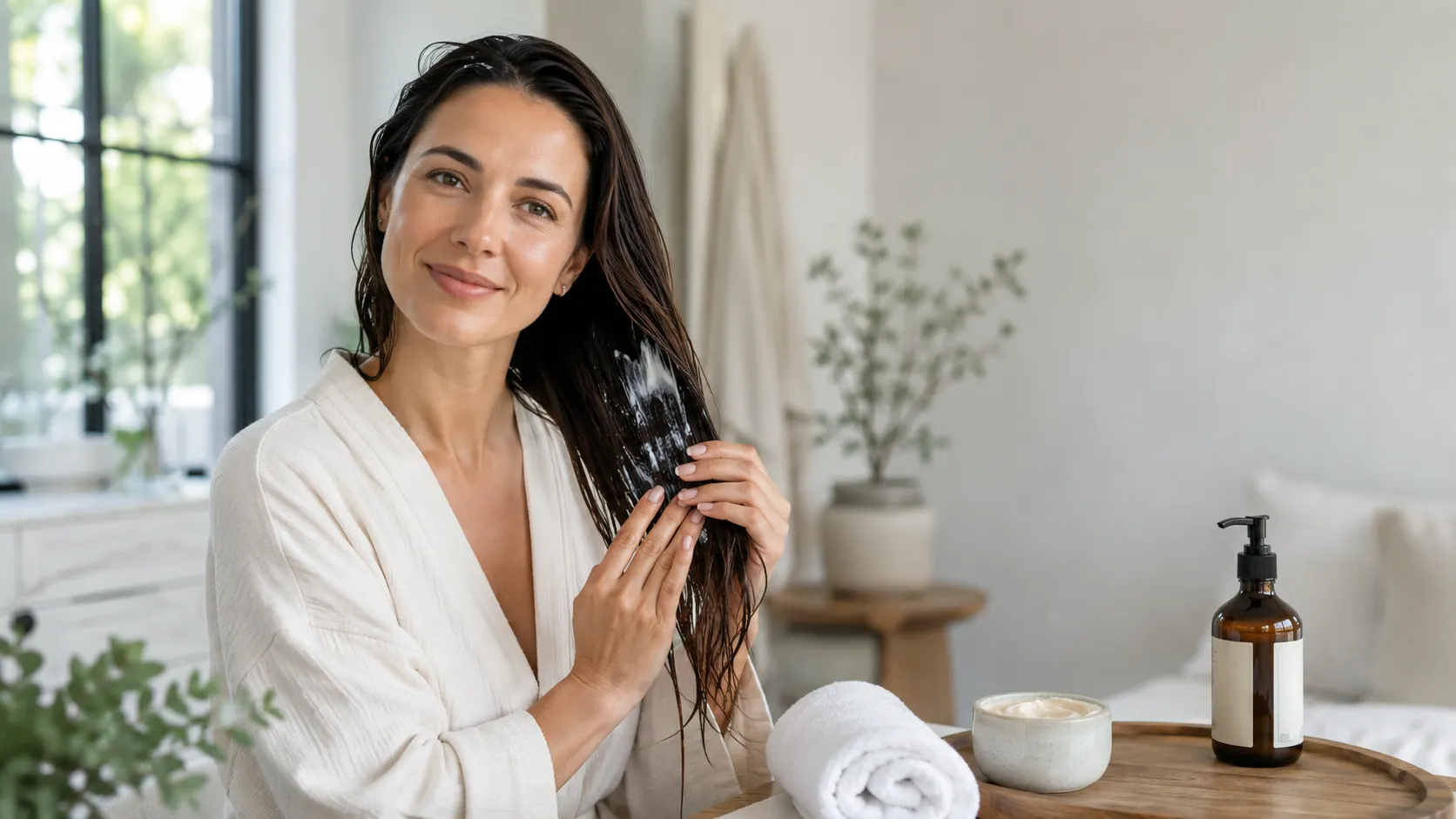
If you take away one habit, make it this: always use a heat protectant before any hot tool, every single time. Heat protectants (sprays, creams, or serums) coat the hair to reduce direct heat exposure, help distribute heat more evenly, and add moisture and smoothness, lowering the damage significantly. Apply it to clean, towel-dried or dry hair before styling, covering the lengths and ends evenly, and let it dry or absorb before applying heat. Skipping this step is one of the biggest causes of heat damage. A good heat protectant is inexpensive and one of the best protections your hair can have, so never style hot without it.
Safe Temperatures by Hair Type
Using the right temperature for your hair type prevents most heat damage. Many people crank tools far hotter than they need:
| Hair Type | Suggested Max Temperature |
|---|---|
| Fine or damaged hair | Around 250-300 degrees F |
| Normal/medium hair | Around 300-380 degrees F |
| Thick or coarse hair | Around 380-410 degrees F |
Start at the lowest temperature that achieves your style and only increase if truly needed. Fine and damaged hair are most vulnerable, so keep them cooler. Higher heat does not mean a better result; it usually just means more damage. The right temperature gives you the style you want with the least harm.
Smart Heat Styling Habits
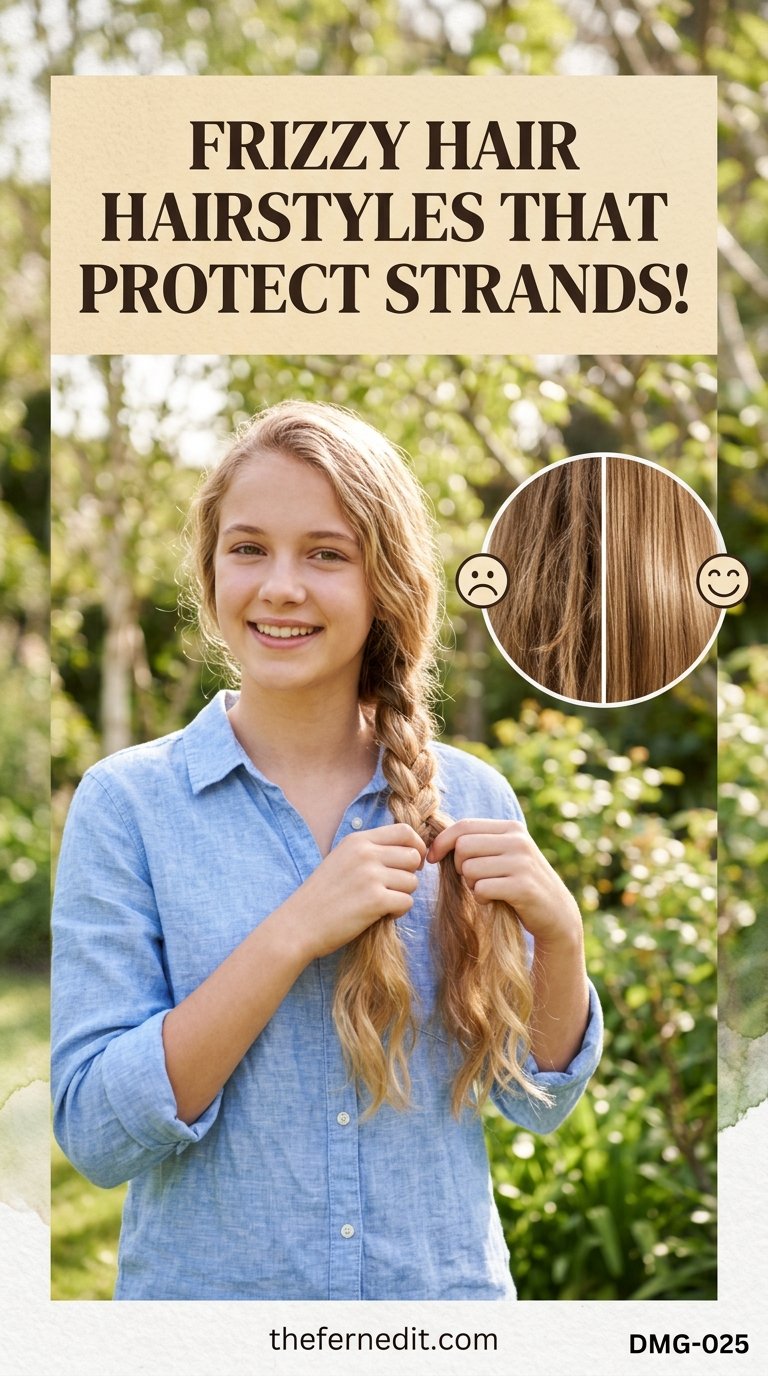
Beyond temperature and protectant, a few habits cut damage further. Work in sections and pass the tool through each section only once or twice, never repeatedly. Make sure hair is fully dry before flat ironing or curling (heat plus wet hair is very damaging). Keep the tool moving rather than holding it on one spot. Give your hair heat-free days each week to recover. And finish blow-drying with a cool shot to seal the cuticle. These small adjustments add up to dramatically less heat damage over time, letting you keep styling while protecting your hair's health. Smart habits make heat styling sustainable.
Why Wet Hair and Heat Don't Mix
This deserves its own warning: never use a flat iron or curling iron on soaking-wet hair. When you apply intense direct heat to wet hair, the water inside the strand heats rapidly and can essentially boil and burst, causing severe internal damage often called "bubble hair." Always make sure hair is fully dry before using a flat iron or curling tool. Blow dryers are different, since they are designed to dry wet hair, but even then, use a heat protectant and avoid the highest setting. Drying your hair first (gently) before using other hot tools is one of the most important heat-damage rules.
Choosing Better Tools

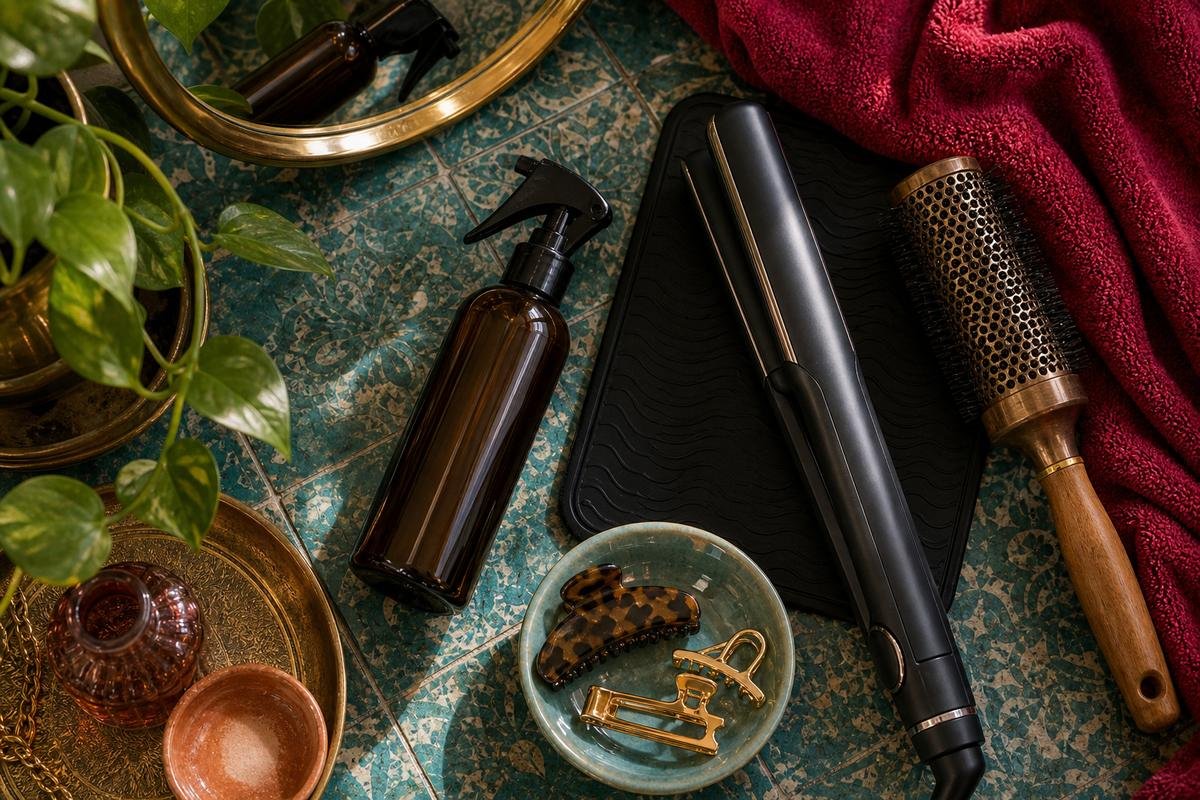
Your tools matter more than you might think. Quality hot tools heat evenly and maintain a consistent temperature, avoiding the hot spots that scorch hair, and many offer adjustable temperature settings so you can use the lowest effective heat. Tools with ceramic, tourmaline, or ionic technology tend to be gentler and distribute heat more smoothly than basic metal plates. Adjustable temperature control is the most important feature, since it lets you match the heat to your hair. While good tools cost more upfront, they protect your hair and often work faster (fewer passes needed). Investing in a decent tool with temperature control pays off in healthier hair.
Heatless and Low-Heat Alternatives
The gentlest way to reduce heat damage is simply to use less heat. Air drying (or partially air drying before a quick blow dry) saves your hair a lot of stress. Heatless curling methods (overnight braids, foam rollers, flexi rods, or the popular heatless curling ribbon) create waves and curls without any heat. Protective and low-manipulation styles let you go longer between styling. Embracing your natural texture on some days gives your hair regular breaks. You do not have to give up heat entirely, but mixing in heatless days keeps your hair much healthier. Every heat-free day is a gift to your hair.
How to Repair Heat-Damaged Hair
If your hair is already heat-damaged, you can improve it even though you cannot fully reverse it. Stop or drastically reduce heat styling to prevent further damage. Deep condition regularly and use bond-repair and protein treatments to strengthen weakened strands. Seal moisture with leave-ins and oils, and trim away the most damaged ends. Be gentle, and protect your hair overnight. Over time, as damaged sections are trimmed and healthy new hair grows in, your hair recovers its health. The combination of stopping the damage, nourishing what you have, and growing out the rest genuinely works, just give it patience.
A Heat-Safe Styling Routine
A practical routine: wash and condition gently, then apply a heat protectant to damp or dry hair before any tool. Blow dry on medium heat if needed, finishing with a cool shot. When using a flat iron or curling tool, make sure hair is fully dry, set the lowest effective temperature for your hair type, work in sections with one or two passes each, and keep the tool moving. Limit hot-tool use to a few times a week, with heatless days in between. Deep condition weekly and trim regularly. This routine lets you style the way you like while keeping heat damage to a minimum.

Common Mistakes
- Styling without a heat protectant. Always apply one first, every time.
- Using the highest temperature. Use the lowest effective heat for your hair type.
- Flat ironing wet hair. Dry hair fully before using hot tools.
- Going over the same section repeatedly. One or two passes is enough.
- Heat styling daily. Build in heat-free days to let hair recover.
Final Takeaway
You really can keep using your hot tools without wrecking your hair, as long as you respect how heat works. Always use a heat protectant, choose the lowest effective temperature for your hair type, make sure hair is dry before flat ironing, limit your passes, and give your hair regular heat-free days. Quality tools with adjustable temperature help, and heatless styling on some days keeps your hair healthier still. If heat damage has already happened, stop the damage, nourish and repair, and grow it out. Style the way you love, protect your hair while you do it, and you get the best of both: gorgeous styling and healthy hair.
This article is for general beauty and self-care education only and is not medical advice. See a dermatologist for persistent hair damage, breakage, or scalp concerns.
 📌 Save
Love this guide? Save it 📌
Pin it to your favorite board so it's easy to find again — and share it with a friend who'd love it too.
Save to PinterestFrequently asked questions
How do I prevent heat damage?
Always use a heat protectant, use the lowest effective temperature for your hair type, avoid going over the same section repeatedly, never flat iron wet hair, use quality tools with adjustable heat, and limit how often you heat style. Building in heat-free days lets your hair recover.
What temperature should I use on my hair?
Use the lowest temperature that achieves your style. As a guide, fine or damaged hair around 250 to 300 degrees F, normal hair around 300 to 380 degrees F, and thick or coarse hair around 380 to 410 degrees F. Higher heat usually means more damage, not a better result.
Does heat protectant really work?
Yes. Heat protectants coat the hair to reduce direct heat exposure, distribute heat more evenly, and add moisture and smoothness, significantly lowering damage. Apply it before every use of a hot tool. It is one of the most effective and inexpensive ways to protect your hair.
Can you flat iron wet hair?
No, never flat iron soaking-wet hair. The intense direct heat can rapidly heat the water inside the strand, causing severe internal damage. Always dry your hair fully before using a flat iron or curling tool. Blow dryers are designed for wet hair, but still use protectant.
What are the signs of heat damage?
Dryness, rough texture, dullness, frizz, split ends, breakage, and brittle, straw-like hair. For curly or wavy hair, a key sign is lost curl pattern, where damaged sections go limp or stick straight while the rest still curls. These signs mean it is time to reduce heat and focus on repair.
Can heat damage be repaired?
Not fully, since hair cannot heal itself, but you can greatly improve heat-damaged hair. Stop or reduce heat, deep condition, use bond-repair and protein treatments, seal with oils, and trim the worst ends. As damaged hair is trimmed and healthy hair grows in, your hair recovers over time.
How often is it safe to heat style?
Limiting hot-tool use to a few times a week, with heatless days in between, gives hair time to recover and keeps damage low. Daily heat styling, especially without protection, is a top cause of damage. Mixing in heatless styles keeps your hair much healthier.

We cite sources and update this guide regularly.