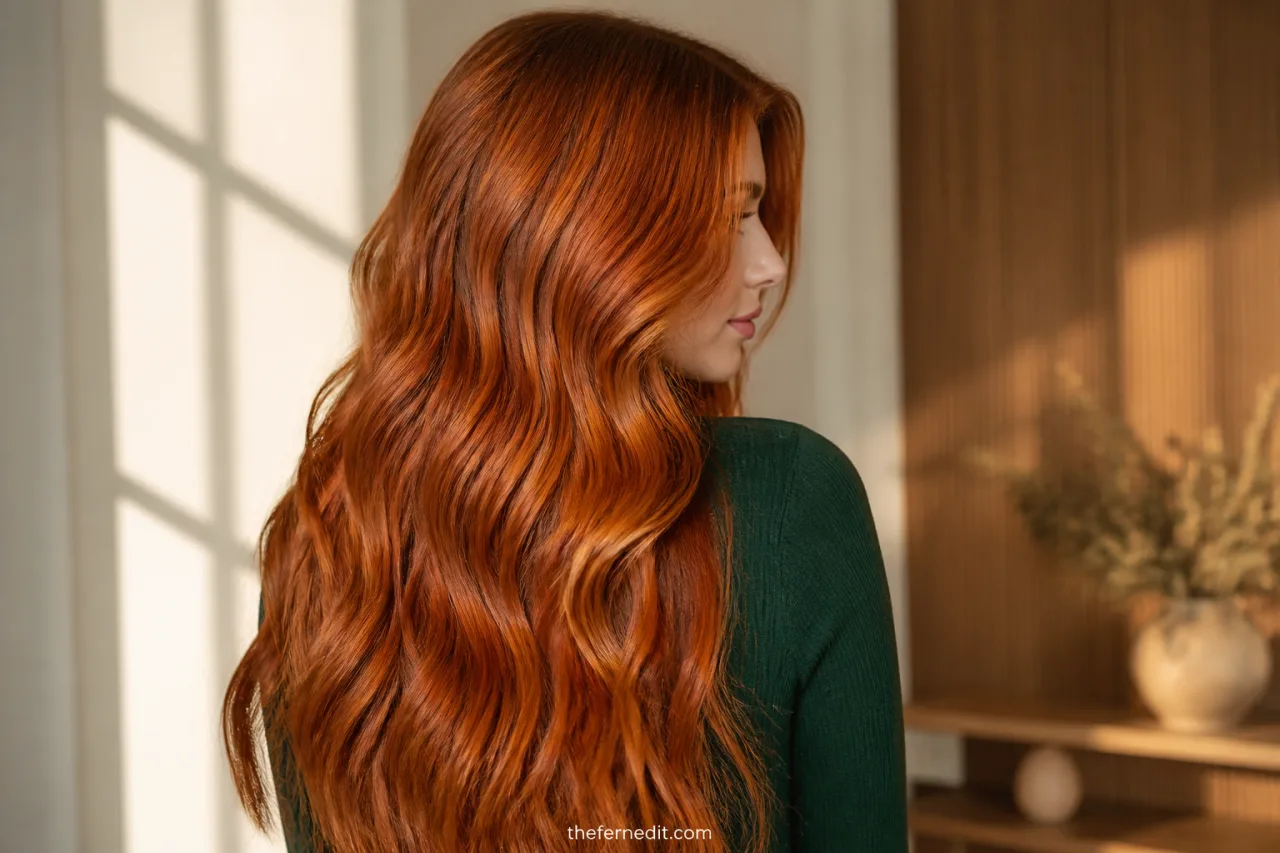
Frizz happens when the hair cuticle lifts and the hair is dry, so it grabs moisture from humid air and swells. To get rid of frizz, hydrate your hair (sulfate-free shampoo, rich conditioner, leave-in, and a smoothing oil or serum), dry it gently (microfiber towel or air dry, don't rough-towel), seal it with a cool rinse, and protect it from humidity with anti-frizz products and a satin pillowcase. Smooth, hydrated hair simply doesn't frizz the way dry hair does.
Frizz has a way of showing up at the worst times, the moment you step into humidity, the day you actually styled your hair, the hour before an event. But frizzy hair is not a personality flaw or something you are stuck with; it is mostly a sign that your hair is thirsty and its outer layer is raised. Once you understand what causes frizz and give your hair what it actually needs, smooth, soft, manageable hair becomes a reliable result rather than a lucky day.

Frizz has a way of showing up at the worst times, the moment you step into humidity, the day you actually styled your hair, the hour before an event. But frizzy hair is not a personality flaw or something you are stuck with; it is mostly a sign that your hair is thirsty and its outer layer is raised. Once you understand what causes frizz and give your hair what it actually needs, smooth, soft, manageable hair becomes a reliable result rather than a lucky day.
Here is how to get rid of frizzy hair and keep it smooth, by cause, product, and habit.
Key Takeaways

- Frizz comes from dryness and a raised hair cuticle.
- Humidity makes dry hair grab moisture and swell, causing frizz.
- Hydration is the number one frizz fighter.
- Dry hair gently; rough towel-drying roughens the cuticle.
- Seal with oils, serums, and a cool rinse to smooth the cuticle.
- A satin pillowcase and anti-humidity products prevent frizz.
What Causes Frizzy Hair
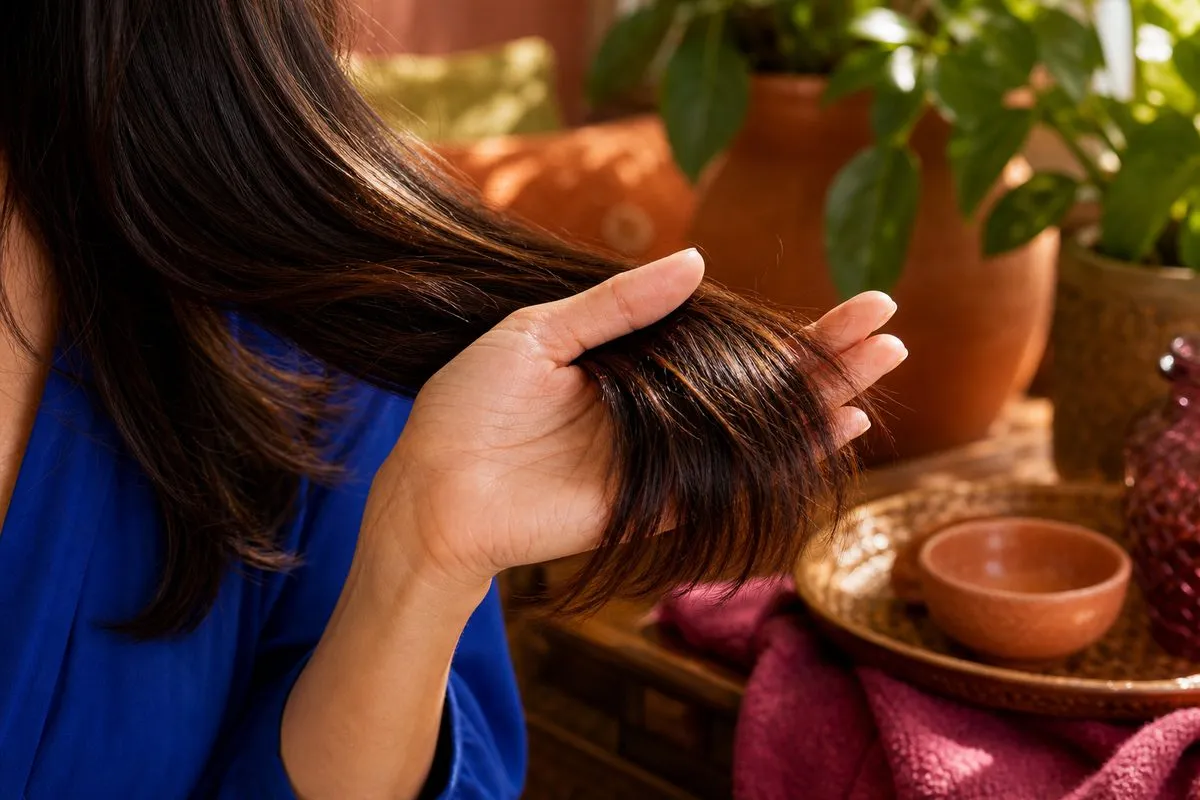
Frizz happens when the hair's outer layer, the cuticle, lifts up instead of lying flat. When those tiny scales are raised, hair loses moisture, looks rough and dull, and individual strands stick out instead of lying smoothly together. The root cause is usually dryness; thirsty hair has a raised, porous cuticle. Damage (from heat, color, or rough handling) also raises the cuticle, as does naturally curly or wavy hair texture, which is more prone to frizz. So frizz is really a moisture and cuticle problem, which is exactly why hydration and smoothing fix it.
Why Humidity Makes It Worse
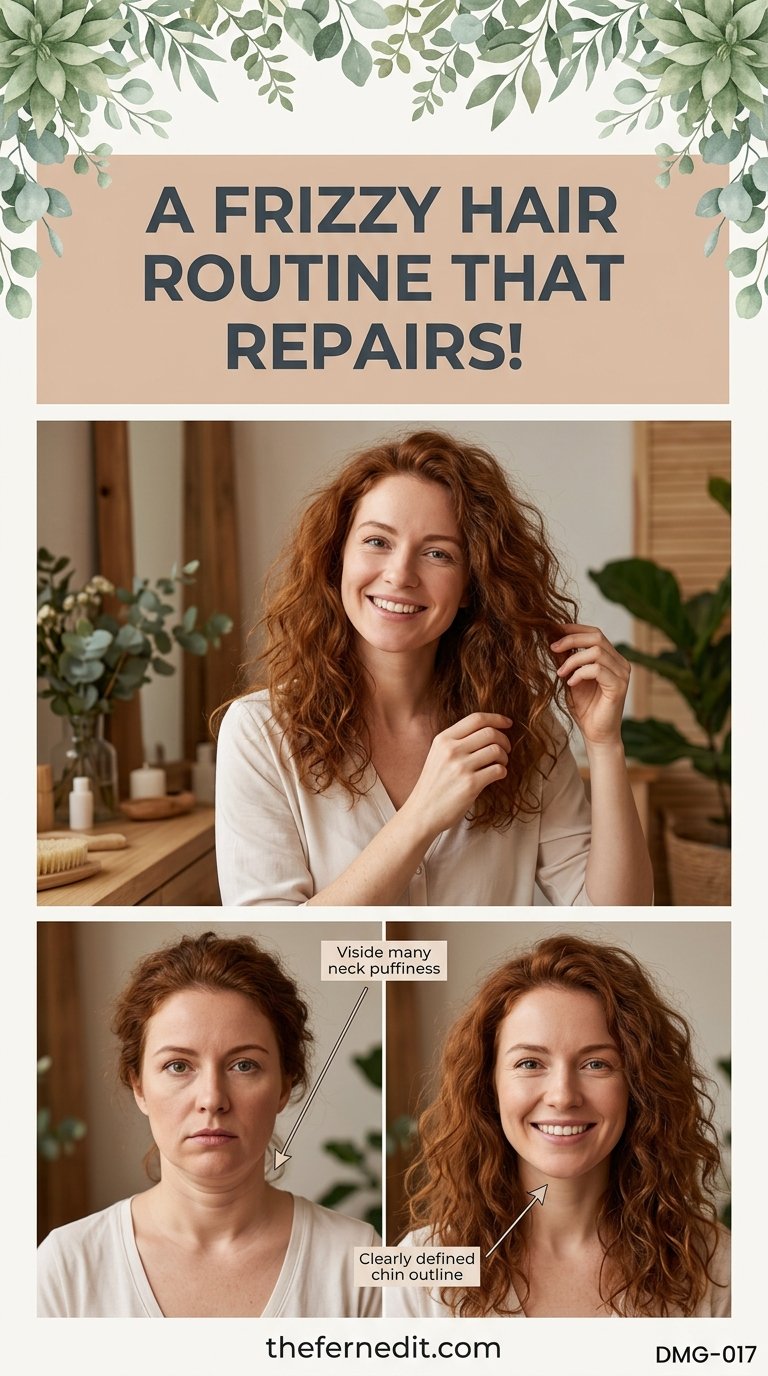
Humidity is frizz's best friend for a simple reason: dry, porous hair acts like a sponge. When the air is full of moisture, dry hair with a raised cuticle absorbs that water from the air, causing the strands to swell and the cuticle to lift further, which is the frizz you see on humid days. Well-hydrated hair with a smooth, sealed cuticle has less need to grab moisture from the air, so it stays smoother. This is why the real anti-humidity strategy is keeping your hair hydrated and sealed, not just fighting the weather. Beat dryness, and you beat much of the humidity frizz.
Step 1: Hydrate Your Hair
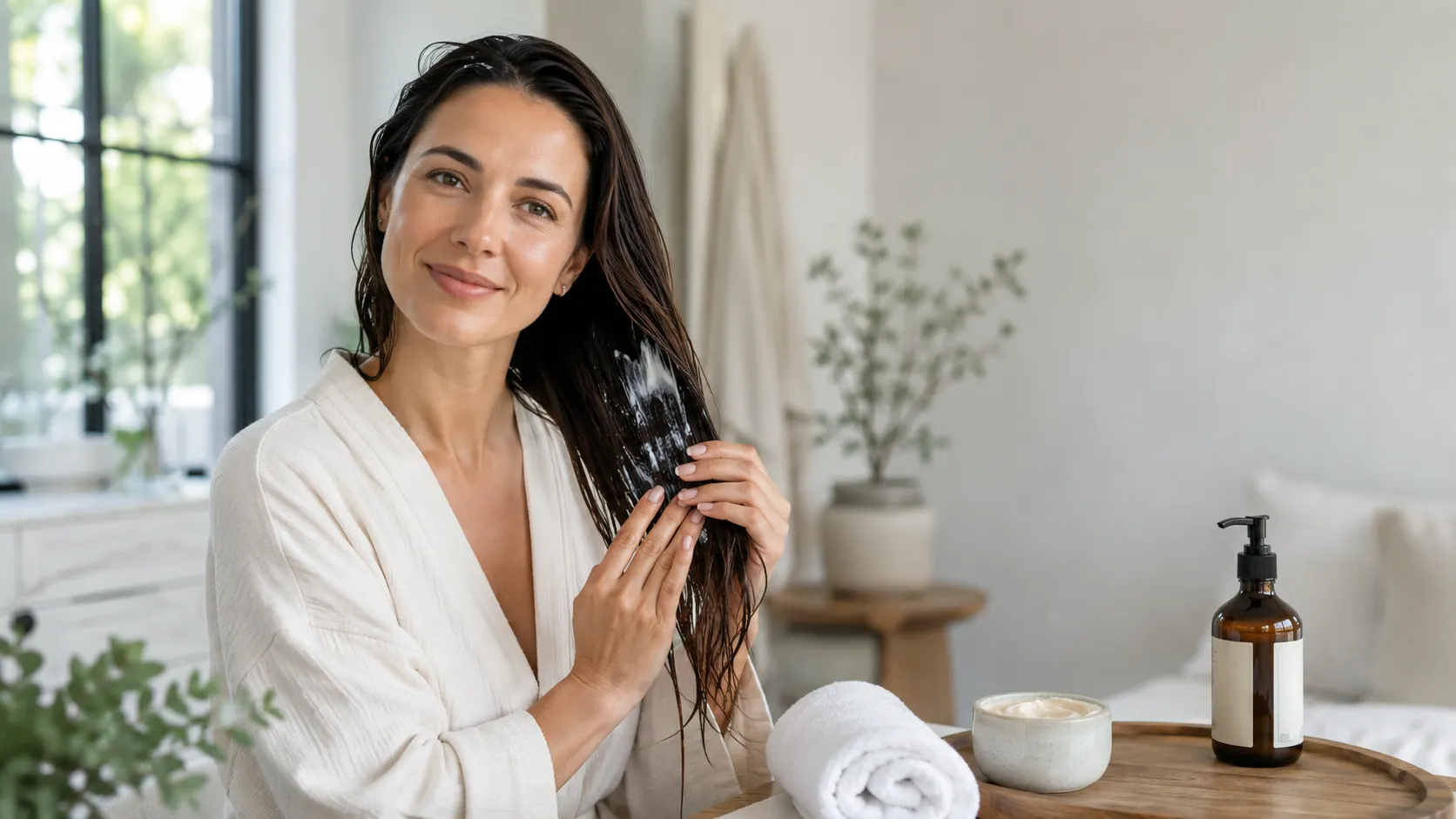
Since dryness is the root of frizz, hydration is your most powerful tool. Wash with a gentle, sulfate-free, moisturizing shampoo (harsh shampoos strip moisture and worsen frizz), and never skip conditioner. Use a rich, hydrating conditioner on your mid-lengths and ends every wash, and add a deep conditioning mask once a week. Consider washing a little less often if your hair is dry, since every wash removes some moisture. The more consistently hydrated your hair is, the less it frizzes, so think of frizz control as a moisture habit rather than a one-time fix. Hydration is the foundation everything else builds on.
Step 2: Choose the Right Products

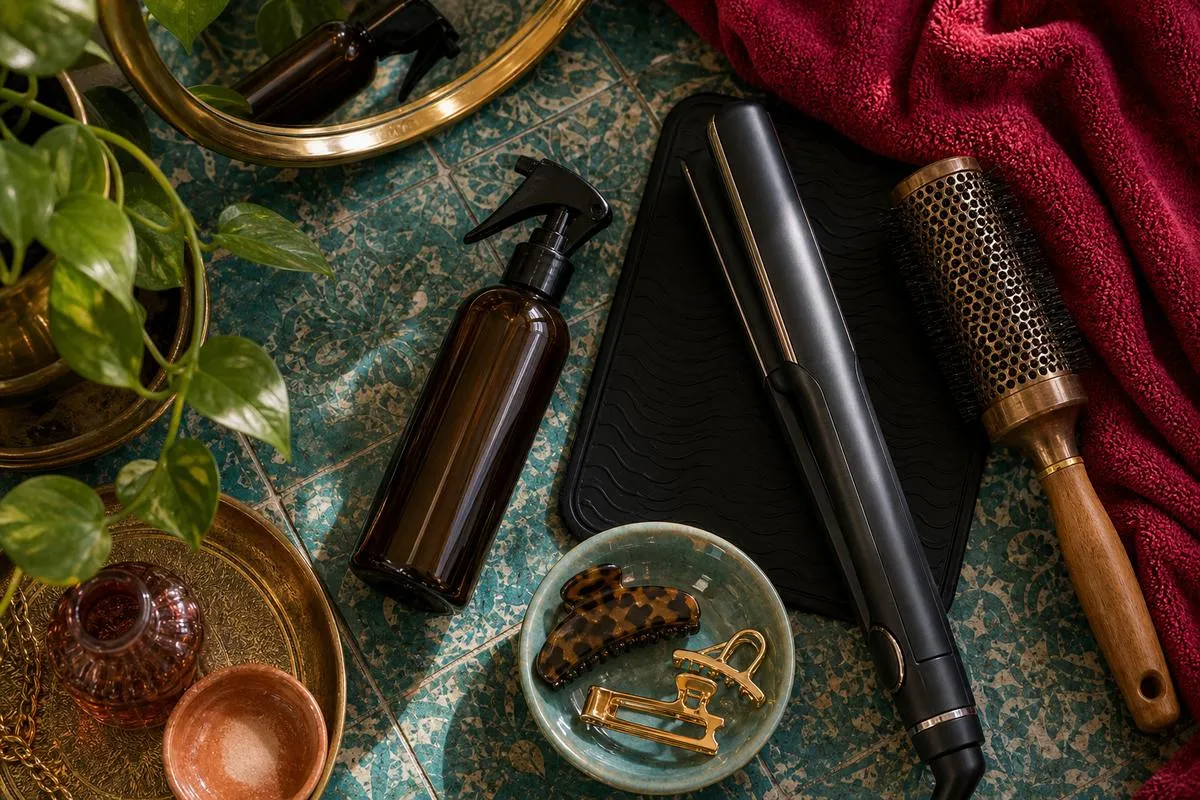
The right products make frizz control easy:
- Sulfate-free shampoo and rich conditioner for gentle hydration.
- A leave-in conditioner to add lasting moisture and protection.
- A smoothing serum or hair oil (argan, marula, or a silicone serum) to seal the cuticle and add shine.
- An anti-frizz or anti-humidity cream for humid days.
- A heat protectant if you heat style.
Apply leave-in and serum to damp (not soaking) hair, focusing on the mid-lengths and ends, and use a small amount to avoid greasiness. The right combination keeps hair smooth all day. A good leave-in plus a smoothing serum is the core anti-frizz duo.
Step 3: Dry Your Hair the Right Way
How you dry your hair hugely affects frizz. Rough-drying with a regular terry towel roughens and lifts the cuticle, creating instant frizz. Instead, gently squeeze excess water with a microfiber towel or a soft cotton T-shirt, or let hair air dry. Never rub vigorously. If you blow dry, use a lower heat with a nozzle pointed down the hair shaft (to smooth the cuticle) and a heat protectant, and finish with a cool blast to seal. Avoid touching or brushing hair repeatedly as it dries, since disturbing it lifts the cuticle. Gentle drying alone noticeably reduces frizz.
Step 4: Seal and Smooth the Cuticle
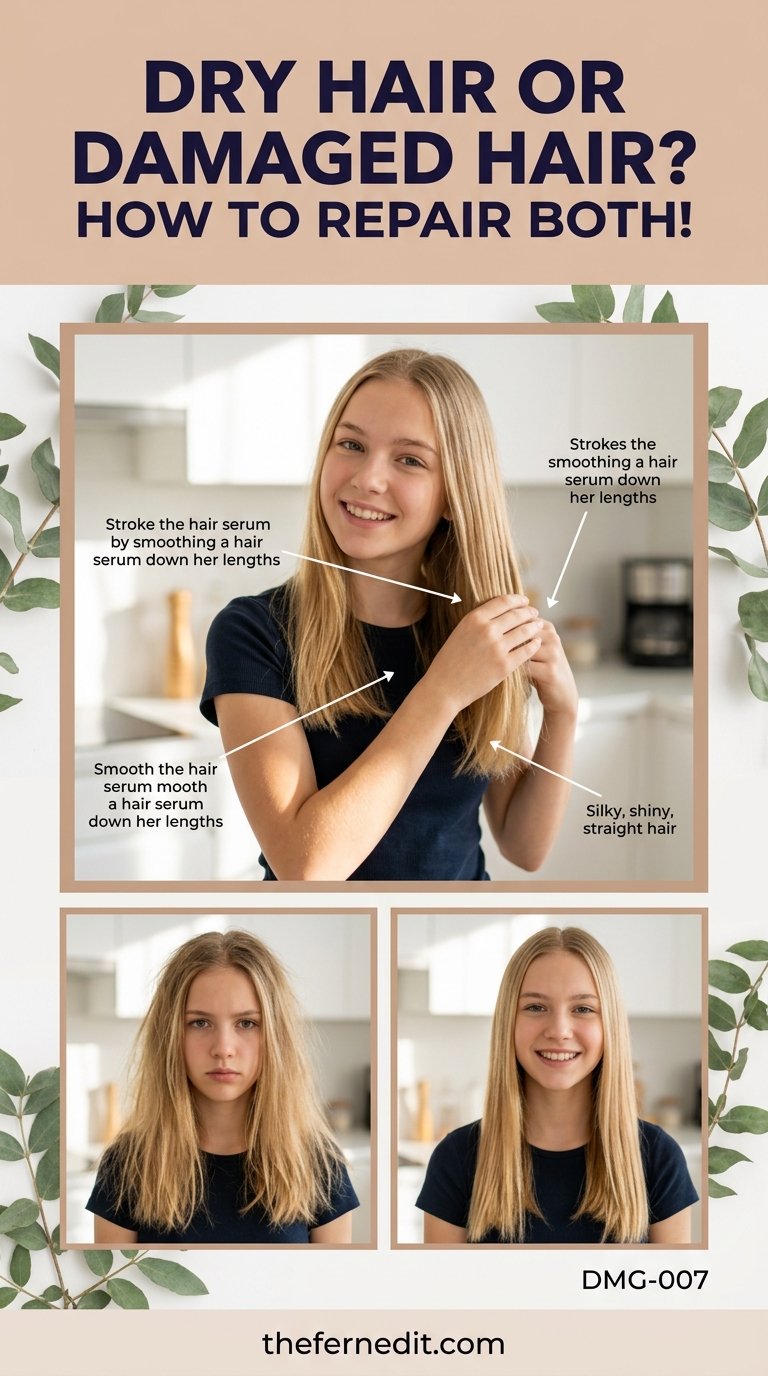
Smoothing the cuticle flat is what locks in moisture and keeps frizz away. A few drops of a smoothing oil or serum on damp ends helps the cuticle lie flat, seals in moisture, and adds shine. Rinsing with cool water at the end of your shower also helps close the cuticle (hot water lifts it). When styling, smooth products down the hair shaft in the direction of growth rather than roughing them in. The smoother and more sealed your cuticle, the less moisture escapes and the less humidity gets in, which means smoother hair for longer. Sealing is the finishing step that makes hydration last.
Step 5: Protect Against Humidity
On humid days, give your hair extra defense. Use an anti-humidity or anti-frizz product (cream, serum, or spray) that creates a barrier so hair absorbs less moisture from the air. Make sure your hair is well hydrated and sealed before you go out, since dry hair frizzes far more in humidity. Protective styles like braids, buns, or a sleek ponytail keep frizz-prone hair contained on tough weather days. Avoid touching your hair, which transfers oils and roughens the cuticle. With hydration, sealing, and an anti-humidity product, even humid days stay much smoother. Preparation beats damage control.
Styling Tips to Reduce Frizz

A few styling habits keep frizz down. Detangle gently with a wide-tooth comb on damp, conditioned hair, working from the ends up, since brushing dry hair (especially curly hair) creates frizz. Avoid over-brushing and touching your hair throughout the day. If you use heat tools, always use a heat protectant and the lowest effective heat. For curly hair, apply products to soaking-wet hair and scrunch gently, then let it dry undisturbed. Choose styling products suited to your hair type, and do not pile on too much product, which can cause buildup. Smart styling preserves the smoothness your products create.
Frizz by Hair Type
Different hair types frizz differently:
- Straight hair: frizz usually means dryness or damage; focus on hydration, gentle drying, and a smoothing serum.
- Wavy hair: prone to frizz at the surface; leave-in plus light cream and scrunching helps.
- Curly hair: naturally drier and frizz-prone; rich hydration, leave-in, gel or cream, and the "plopping" or scrunch method keep curls defined.
- Coily hair: needs the most moisture; heavy creams, oils, and protective styles keep it smooth.
- Fine hair: use light, smoothing products so as not to weigh it down.
Match your products and methods to your hair type for the smoothest results.
Nighttime Habits That Prevent Frizz
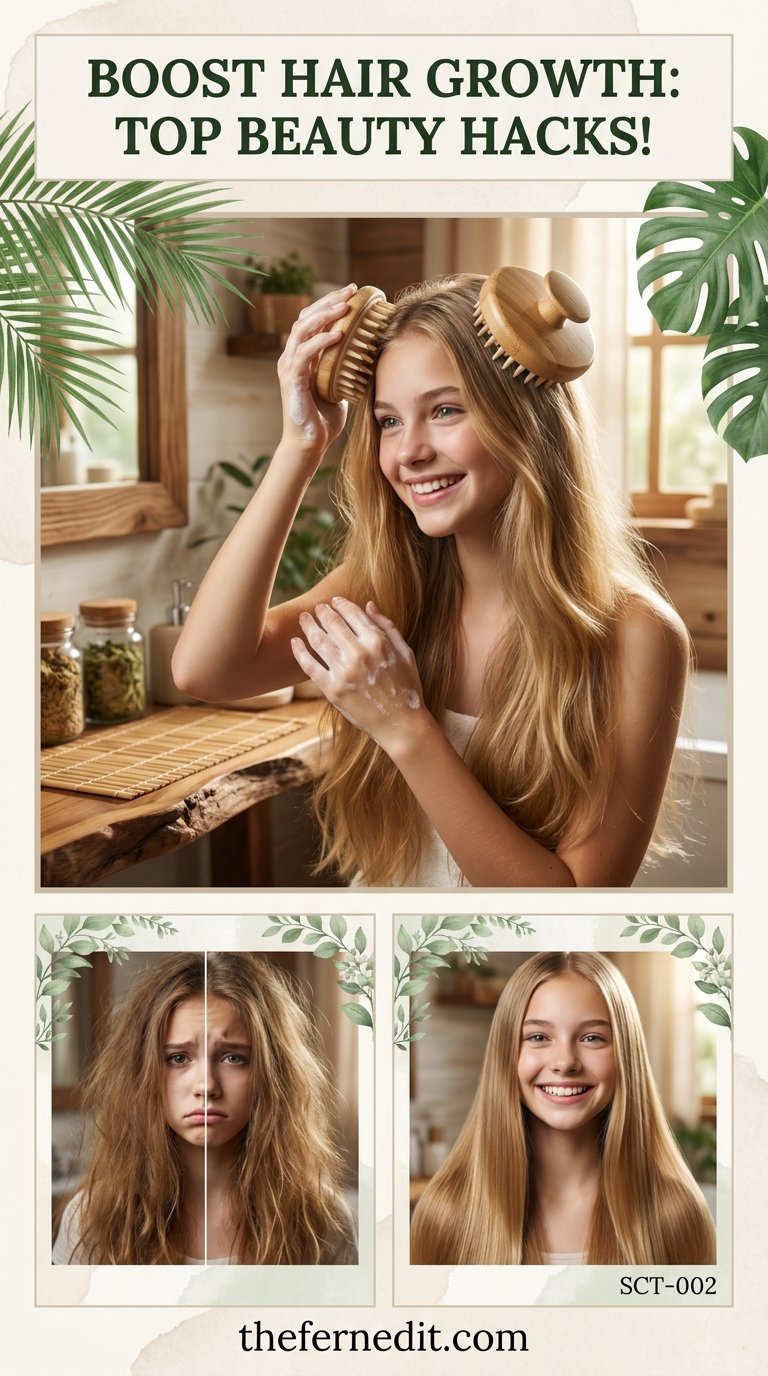
What you do at night sets up your hair for the next day. Sleep on a satin or silk pillowcase, which creates far less friction than cotton, so hair stays smoother and frizzes less. You can also loosely braid or pineapple (a loose high ponytail) your hair to prevent tangling and friction overnight. Avoid going to bed with soaking-wet hair, which can rough up the cuticle as it dries against the pillow. A little nighttime care means waking up with smoother, more manageable hair and less frizz to fight in the morning. It is one of the easiest frizz-fighting upgrades.
Common Mistakes
- Skipping hydration. Dry hair is frizzy hair; moisture is the fix.
- Rough-drying with a terry towel. Use a microfiber towel or T-shirt.
- Brushing dry curly or wavy hair. Detangle gently when damp instead.
- Touching hair all day. This roughens the cuticle and adds frizz.
- Sleeping on cotton. Switch to satin to reduce friction and frizz.
Final Takeaway
Frizzy hair is really thirsty hair with a raised cuticle, which is wonderful news, because it means frizz responds beautifully to the right care. Hydrate consistently with gentle, moisturizing products and a weekly mask, dry your hair gently, seal the cuticle with oils and a cool rinse, and protect against humidity with anti-frizz products and a satin pillowcase. Match your approach to your hair type, and set yourself up overnight with friction-free sleep. Keep these habits going, and smooth, soft, manageable hair becomes your everyday normal, not a lucky accident. Give your hair the moisture it craves, and the frizz settles down.
This article is for general beauty and self-care education only and is not medical advice. See a dermatologist for persistent dryness, breakage, or scalp concerns.
 📌 Save
Love this guide? Save it 📌
Pin it to your favorite board so it's easy to find again — and share it with a friend who'd love it too.
Save to PinterestFrequently asked questions
How do I get rid of frizzy hair?
Hydrate it well (sulfate-free shampoo, rich conditioner, leave-in, and a smoothing oil or serum), dry it gently with a microfiber towel or air dry, seal the cuticle with a cool rinse, and protect it from humidity with anti-frizz products and a satin pillowcase. Frizz is mostly dryness, so moisture and smoothing are the fix.
What causes frizzy hair?
Frizz happens when the hair cuticle lifts and the hair is dry, so it grabs moisture from the air and swells. Dryness, damage from heat or color, rough handling, and naturally curly or wavy texture all raise the cuticle and cause frizz. Hydrating and smoothing the cuticle resolves most frizz.
Why does my hair frizz in humidity?
Dry, porous hair absorbs moisture from humid air, causing strands to swell and the cuticle to lift, which creates frizz. Well-hydrated, sealed hair has less need to grab that moisture, so it stays smoother. The best anti-humidity strategy is keeping hair hydrated and sealed before you go out.
What products help with frizzy hair?
A sulfate-free moisturizing shampoo, a rich conditioner, a leave-in conditioner, and a smoothing serum or hair oil are the core anti-frizz toolkit, plus an anti-humidity product for tough days. Apply leave-in and serum to damp mid-lengths and ends, using a small amount to avoid greasiness.
Does a satin pillowcase really help with frizz?
Yes. Satin and silk create far less friction than cotton, so your hair slides instead of roughing up against the pillow overnight. This keeps the cuticle smoother and reduces frizz and breakage. It is one of the easiest frizz-fighting upgrades you can make.
How should I dry my hair to avoid frizz?
Gently squeeze out excess water with a microfiber towel or a soft T-shirt, or air dry, never rub with a terry towel, which roughens the cuticle. If you blow dry, use lower heat with the nozzle pointed down the hair shaft and finish with a cool blast to seal the cuticle.
Can frizzy hair become smooth permanently?
You can keep frizz consistently under control with ongoing hydration, gentle handling, and smoothing products, though frizz-prone hair will always need a little care, especially in humidity. Repairing damage and sealing the cuticle make smoothness your normal rather than a rare good hair day.

We cite sources and update this guide regularly.