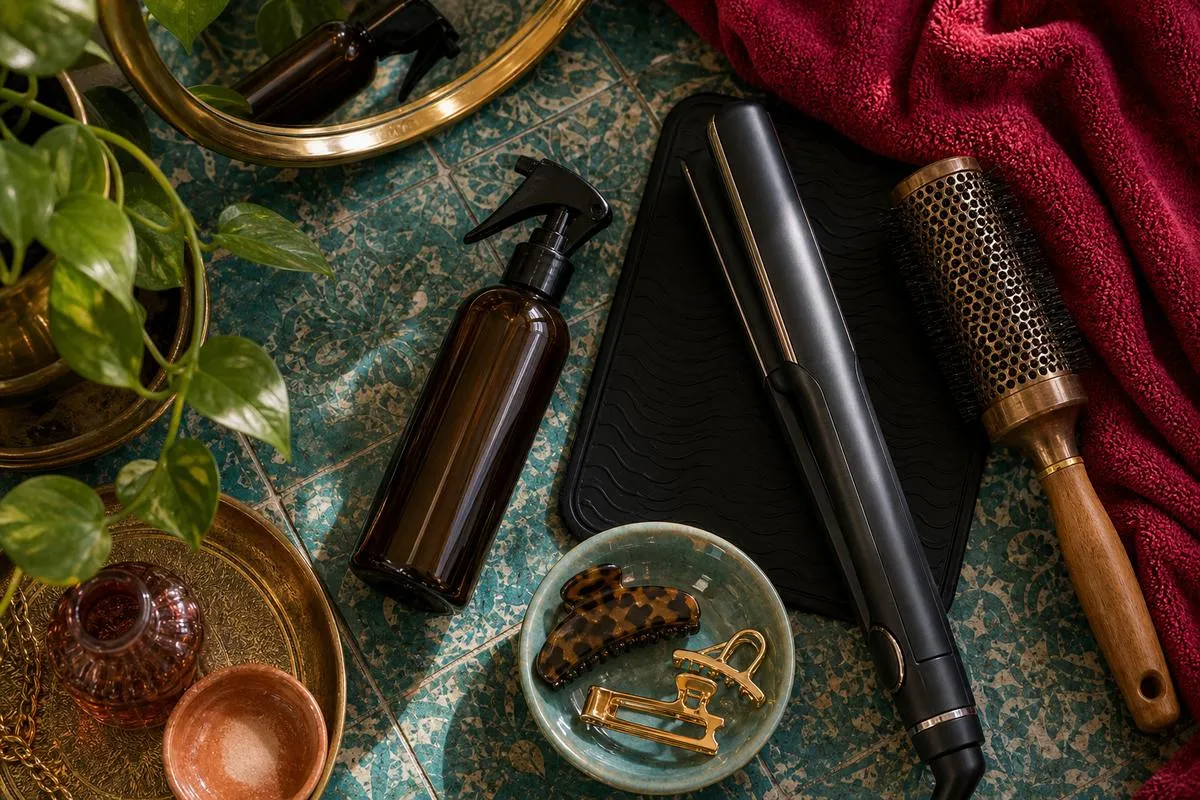
Breakage and split ends happen when hair becomes weak, dry, or damaged and snaps or frays. Stop them by handling hair gently (no rough brushing or tight styles), balancing moisture with protein, using bond-repair treatments, always using heat protection, sleeping on satin, and trimming regularly. You cannot truly repair a split end (only trimming removes it), but you can prevent new breakage and protect the hair you have so it grows healthier.
Finding short broken pieces around your hairline, noticing your ends looking frayed, or watching your hair snap when you brush it are all signs of breakage and split ends. They are incredibly common, especially if you heat style, color, or simply handle your hair a bit roughly out of habit. The encouraging part is that breakage is one of the most preventable hair problems, and once you protect your hair properly, it grows longer, looks healthier, and feels stronger.
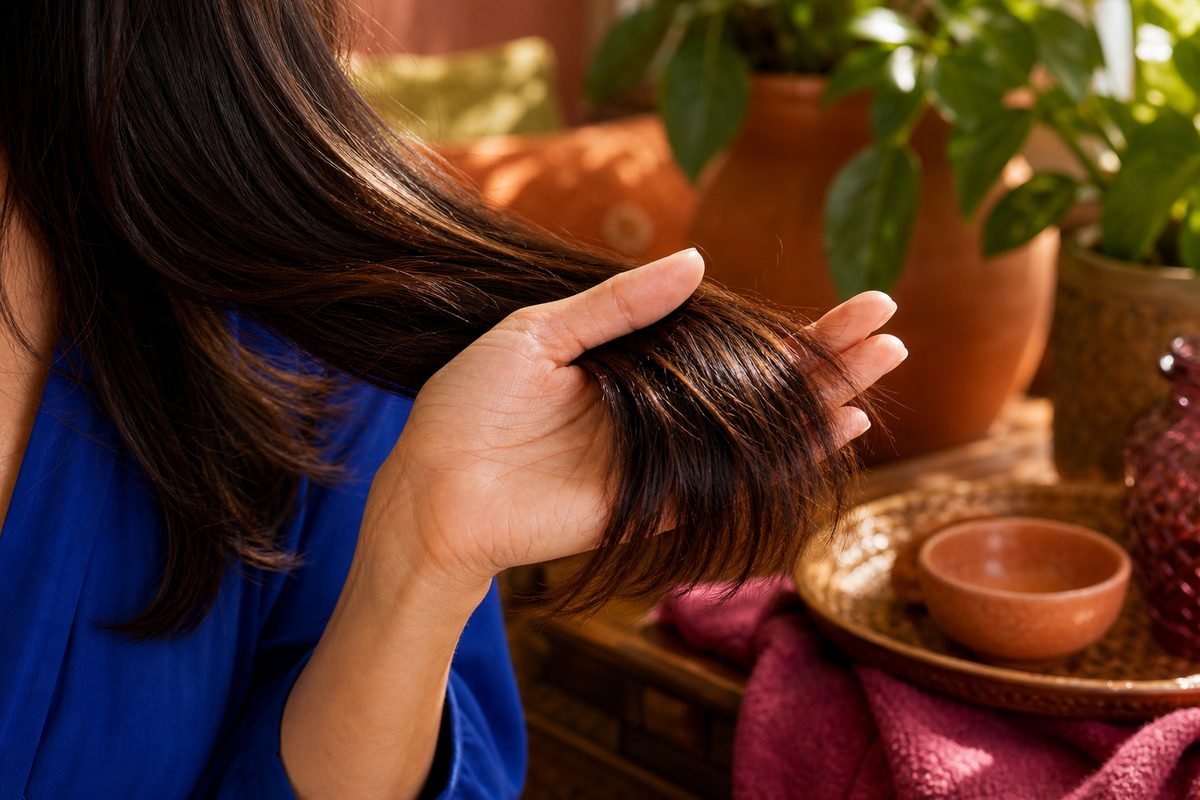
Finding short broken pieces around your hairline, noticing your ends looking frayed, or watching your hair snap when you brush it are all signs of breakage and split ends. They are incredibly common, especially if you heat style, color, or simply handle your hair a bit roughly out of habit. The encouraging part is that breakage is one of the most preventable hair problems, and once you protect your hair properly, it grows longer, looks healthier, and feels stronger.
Here is how to stop hair breakage and split ends, by cause, habit, and routine.
Key Takeaways
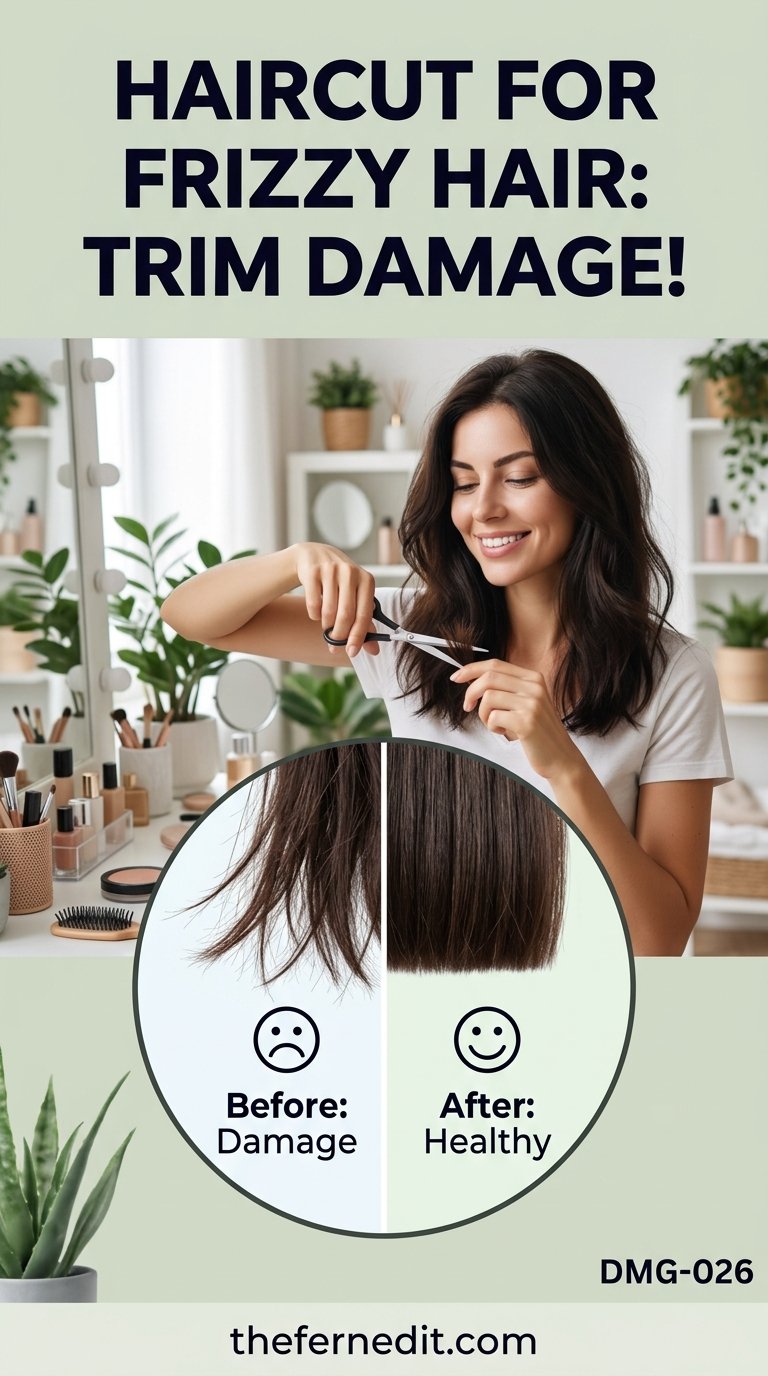
- Breakage is hair snapping; split ends are frayed, divided ends.
- Heat, chemicals, rough handling, and dryness are the main causes.
- Gentle handling and a moisture-protein balance prevent breakage.
- Split ends cannot be sealed permanently; trimming removes them.
- Heat protection, satin pillowcases, and loose styles protect hair.
- Persistent or sudden hair loss is different from breakage; see a doctor.
Breakage vs Split Ends: The Difference
Though related, breakage and split ends are slightly different. Breakage is when a hair strand snaps somewhere along its length, leaving short, broken pieces (often seen as flyaways or uneven lengths around the crown and hairline). Split ends happen when the very tip of the hair frays and divides into two or more strands, usually because the protective cuticle has worn away at the ends. Both come from weakened, dry, or damaged hair, and both make hair look thinner, frizzier, and less healthy. The fixes overlap heavily, so protecting against one protects against the other.
What Causes Hair Breakage
Breakage and split ends share a common set of causes:
- Heat styling without protection, which weakens and dries hair.
- Chemical treatments (color, bleach, relaxers) that compromise the strand.
- Rough handling: aggressive brushing, especially on wet hair, and harsh towel-drying.
- Tight hairstyles and elastics that stress and snap hair.
- Dryness and a lack of moisture, making hair brittle.
- Over-washing with harsh shampoos that strip hair.
- Friction from cotton pillowcases.
- Protein/moisture imbalance, leaving hair either brittle or mushy.
Most of these are everyday habits, which means most breakage is genuinely preventable once you adjust them.
Signs of Breakage and Split Ends
Your hair gives clear clues. Look for short, broken pieces sticking up around your hairline and part, frayed or white-tipped ends, hair that snaps easily when you brush or stretch it, increasing frizz and flyaways, uneven lengths, and a rough, dry texture. Split ends are visible as the divided tips when you examine individual strands. If your hair seems to stop growing past a certain length, breakage at the ends is often the reason, since hair breaks off as fast as it grows. Spotting these signs early lets you protect your hair before the damage spreads.
How to Stop Hair Breakage
A focused, gentle approach stops breakage effectively:
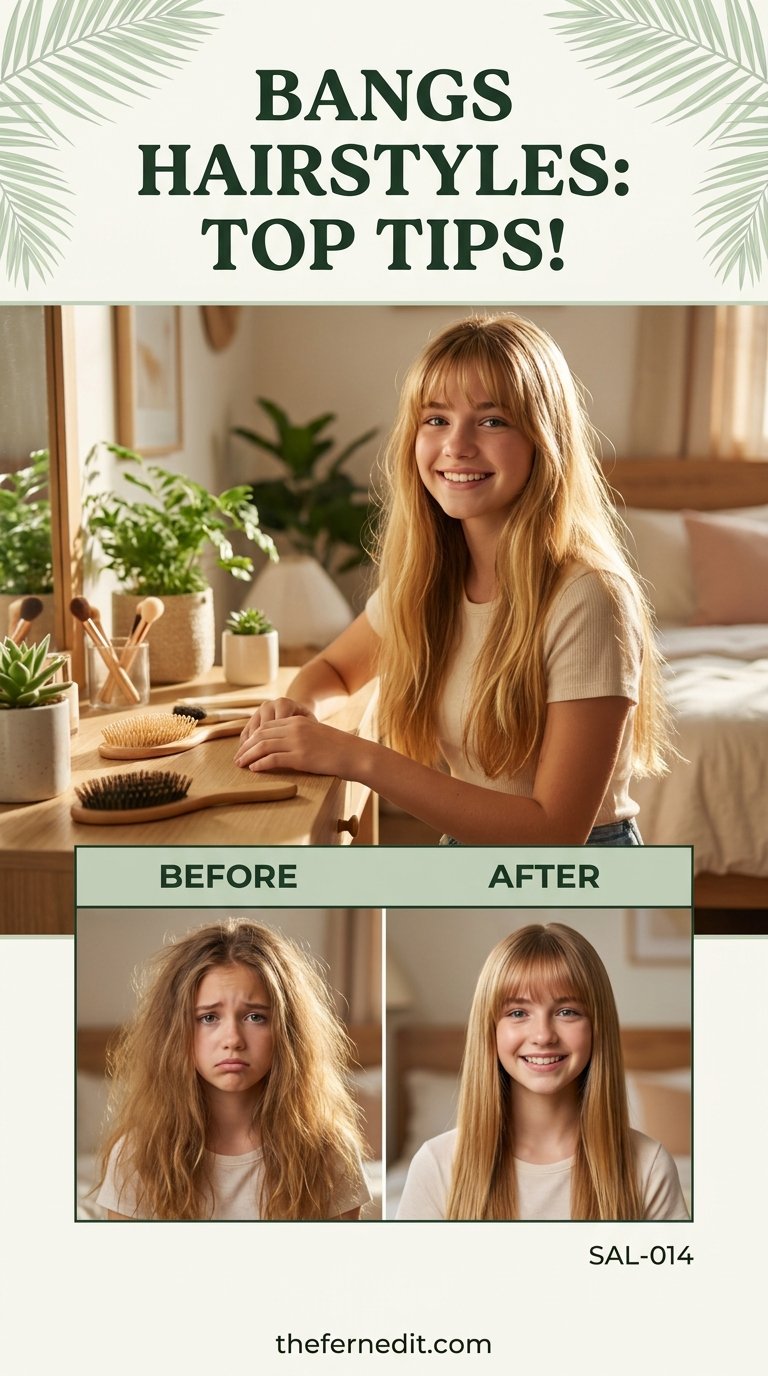
- Handle hair gently: detangle from the ends up with a wide-tooth comb, especially when wet.
- Balance moisture and protein with hydrating and strengthening treatments.
- Use bond-repair treatments to reinforce weakened strands.
- Always use heat protectant and reduce heat styling.
- Avoid tight hairstyles and harsh elastics; choose gentle, loose styles.
- Switch to a gentle, sulfate-free shampoo and do not over-wash.
- Sleep on satin and protect hair overnight.
- Trim regularly to remove split ends before they travel up.
Consistency is what makes the difference; gentle habits compound into noticeably stronger, healthier hair over a few weeks.
Balancing Moisture and Protein
Strong hair needs both moisture (for flexibility) and protein (for structure), and breakage often signals an imbalance. Hair that is dry and brittle and snaps easily usually needs more moisture, so deep condition and use hydrating products. Hair that is limp, mushy, and overly stretchy when wet may need protein to rebuild strength. The goal is balance: most hair benefits from regular hydration plus occasional protein or bond treatments, especially if it is color-treated or heat-damaged. Pay attention to how your hair feels and adjust, since both too little moisture and too little protein lead to breakage. This balance is the heart of breakage prevention.
Can You Fix Split Ends?
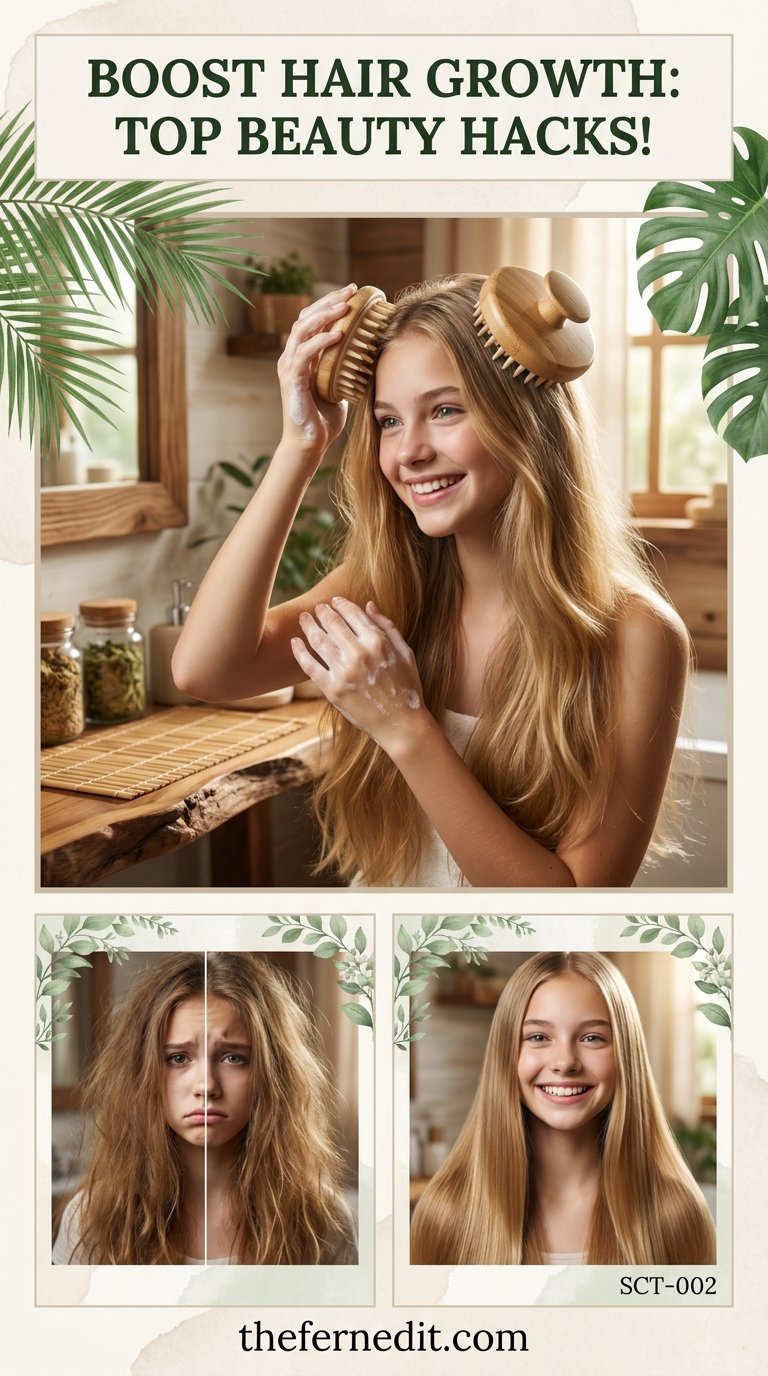
Honestly, no, you cannot permanently repair a split end. Once the hair has split, the only way to truly remove it is to trim it off. Products marketed to "mend" split ends can temporarily smooth and glue the ends together to look better and reduce snagging, but the split is still there and will continue to travel up the strand if not cut. That is why regular trims (every 8 to 12 weeks) are essential, since they remove split ends before they cause more breakage up the hair shaft. The real strategy is to prevent split ends through gentle care and trim away the ones you have. Prevention plus trimming is the only true fix.
Gentle Handling Habits
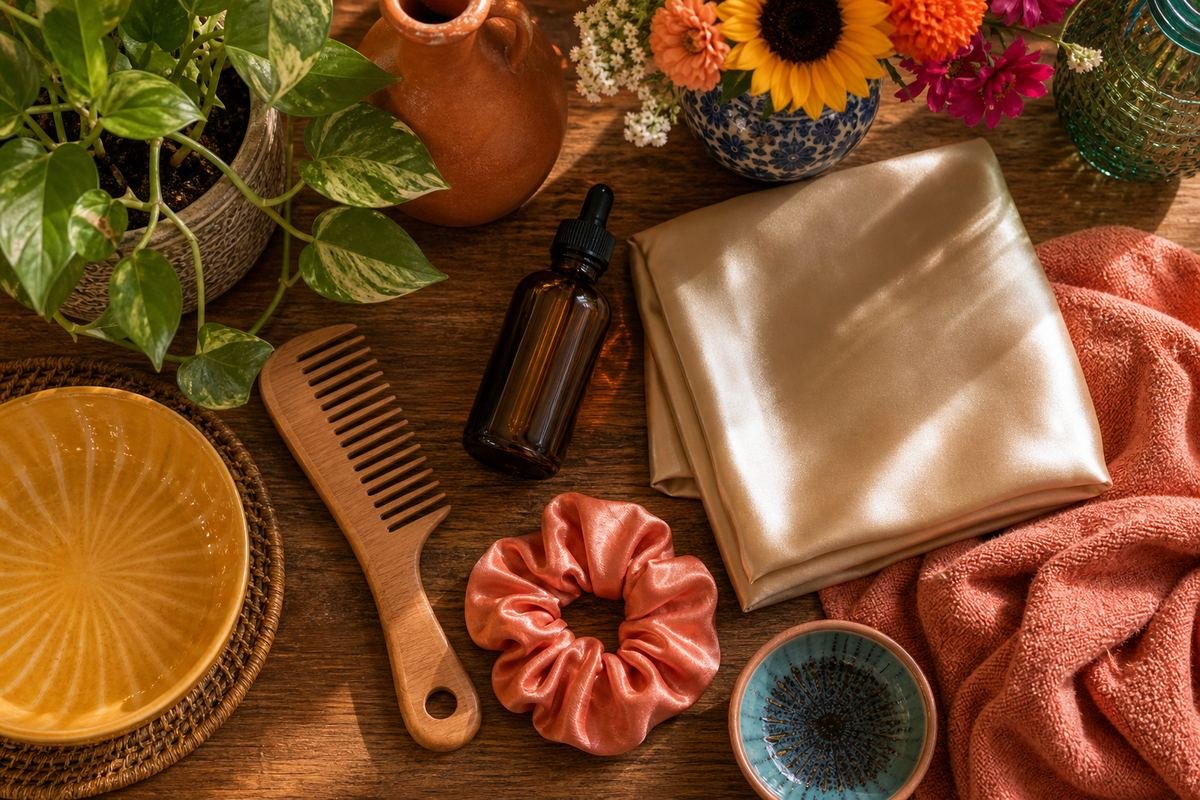
How you physically handle your hair matters enormously. Wet hair is at its most fragile, so never brush it roughly; instead, detangle gently with a wide-tooth comb or a flexible detangling brush, working from the ends upward. Pat hair dry with a microfiber towel or T-shirt rather than rubbing. Avoid over-brushing, and be gentle when styling. Skip tight ponytails, buns, and braids that pull, and use soft, snag-free hair ties instead of tight elastics. Even small changes (combing instead of yanking, looser styles) prevent a surprising amount of breakage. Treating your hair gently is free and remarkably effective.
Heat and Styling Protection
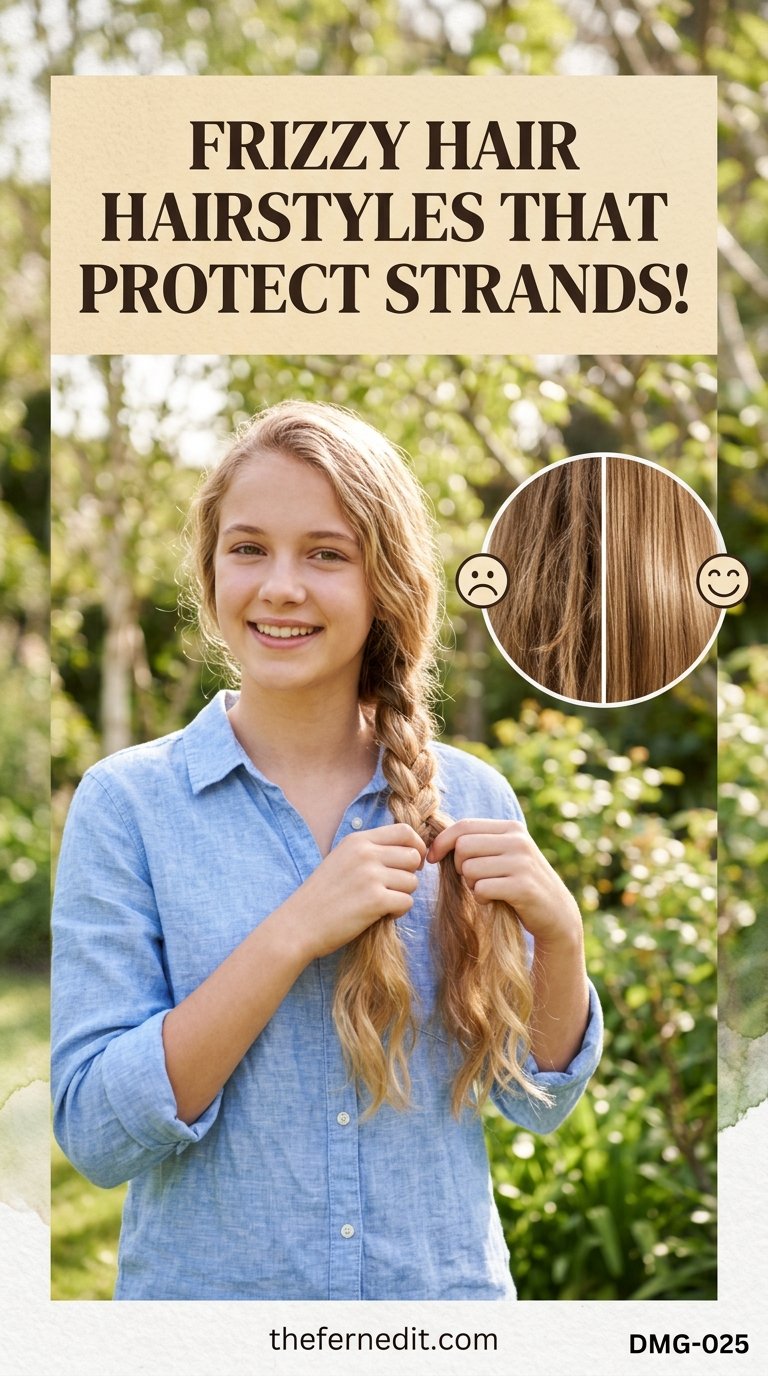
Heat is one of the biggest breakage culprits, so protect against it. Always apply a heat protectant before any hot tool, use the lowest effective temperature, and limit how often you heat style. Give your hair heat-free days, and try heatless styling methods when you can. Quality tools with even heat are gentler than cheap ones that scorch. Never flat iron soaking-wet hair, which can cause severe damage. Reducing and protecting against heat is one of the single most effective ways to cut breakage, and your hair will feel the difference quickly. Less heat plus protection equals far less breakage.
Nighttime Protection
What happens overnight affects your hair's strength. Cotton pillowcases create friction that roughens the cuticle and causes breakage, so switch to a satin or silk pillowcase, which lets hair glide smoothly. You can also loosely braid your hair or wrap it to prevent tangling and friction while you sleep. Avoid going to bed with tight styles or wet hair, both of which stress strands. These easy nighttime habits protect your hair during the hours you are not thinking about it, and over time they make a real difference in reducing breakage and keeping ends healthy. It is effortless protection.
A Breakage-Prevention Routine

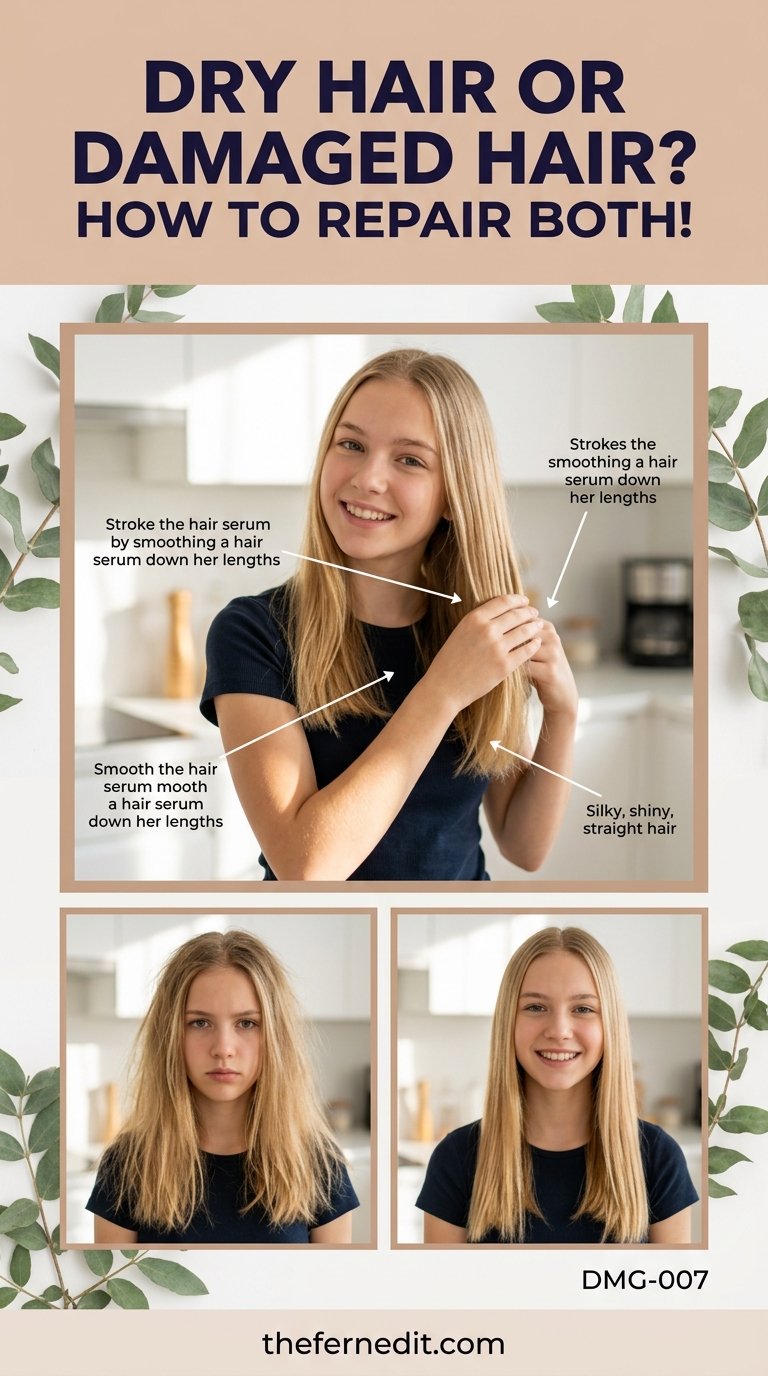
A simple routine: wash 2 to 3 times a week with a gentle, sulfate-free shampoo, condition every wash, and deep condition weekly. Use a bond or protein treatment every 1 to 2 weeks if your hair is chemically treated or heat-damaged. Apply a leave-in and a smoothing serum to damp ends. Detangle gently, minimize heat and always use protectant, wear loose styles, and sleep on satin. Trim every 8 to 12 weeks. Keep this consistent, and breakage steadily decreases while your hair grows stronger and longer. The routine works because it removes the daily stressors that cause breakage in the first place.
Breakage vs Shedding: When It's Something Else
It helps to know the difference between breakage and shedding. Breakage is hair snapping along its length, leaving short broken pieces, and it comes from damage and handling. Shedding is whole hairs falling out from the root (normal up to around 50 to 100 a day) and relates to your hair's growth cycle, health, hormones, and stress. If you notice sudden, excessive shedding, hair coming out from the root in large amounts, noticeable thinning, or bald patches, that is different from breakage and worth discussing with a doctor, since it can have medical causes. For everyday breakage, gentle care is the answer, but do not ignore true hair loss.
Common Mistakes
- Brushing wet hair roughly. Wet hair is fragile; detangle gently from the ends.
- Skipping heat protectant. Heat without protection is a top breakage cause.
- Wearing tight styles daily. Constant tension snaps hair; go looser.
- Never trimming. Split ends travel up and cause more breakage.
- Ignoring the moisture-protein balance. Both extremes cause breakage.
Final Takeaway
Hair breakage and split ends are common, but they are also among the most preventable hair problems. The keys are gentle handling, a good balance of moisture and protein, heat protection, satin-soft sleep, and regular trims to remove split ends before they spread. You cannot permanently mend a split end, only trim it, so prevention and protection are everything. Be patient and consistent with these gentle habits, and your hair will break less, grow longer, and look noticeably healthier. And if you ever notice true hair loss rather than breakage, check in with a doctor. Protect your hair daily, and it rewards you with strength and length.
This article is for general beauty and self-care education only and is not medical advice. See a doctor or dermatologist for sudden or excessive hair loss, thinning, or scalp concerns.
 📌 Save
Love this guide? Save it 📌
Pin it to your favorite board so it's easy to find again — and share it with a friend who'd love it too.
Save to PinterestFrequently asked questions
How do I stop hair breakage?
Handle hair gently (no rough brushing or tight styles), balance moisture with protein, use bond-repair treatments, always use heat protection, sleep on satin, and trim regularly. Switch to a gentle sulfate-free shampoo and avoid over-washing. Consistent gentle care steadily reduces breakage.
What's the difference between breakage and split ends?
Breakage is when a hair strand snaps somewhere along its length, leaving short broken pieces. Split ends are when the tip frays and divides into two or more strands. Both come from weak, dry, or damaged hair, and the prevention steps for both are largely the same.
Can you repair split ends?
No, a split end cannot be permanently repaired; the only true way to remove it is to trim it off. Products can temporarily smooth and bind the ends to look better, but the split remains and travels up the strand if not cut, which is why regular trims matter.
Why does my hair keep breaking?
Usually from a combination of heat styling without protection, chemical treatments, rough brushing (especially on wet hair), tight styles, dryness, over-washing, and friction from cotton pillowcases. A moisture-protein imbalance also causes breakage. Adjusting these habits prevents most breakage.
Does my breaking hair need protein or moisture?
Most breaking hair that is dry and brittle needs more moisture, while hair that is limp, mushy, or overly stretchy needs protein for strength. Watch how your hair feels and alternate hydrating and protein or bond treatments to keep it balanced and strong.
How often should I trim to prevent split ends?
Every 8 to 12 weeks, or when your ends start to look frayed. Regular trims remove split ends before they travel up the strand and cause more breakage, keeping the rest of your hair healthier. Even a small dusting of the ends helps.
Is my hair breaking or falling out?
Breakage leaves short broken pieces and comes from damage and handling, while shedding is whole hairs falling from the root (normal up to about 50 to 100 a day). Sudden excessive shedding, noticeable thinning, or bald patches are different from breakage and worth seeing a doctor about.

We cite sources and update this guide regularly.