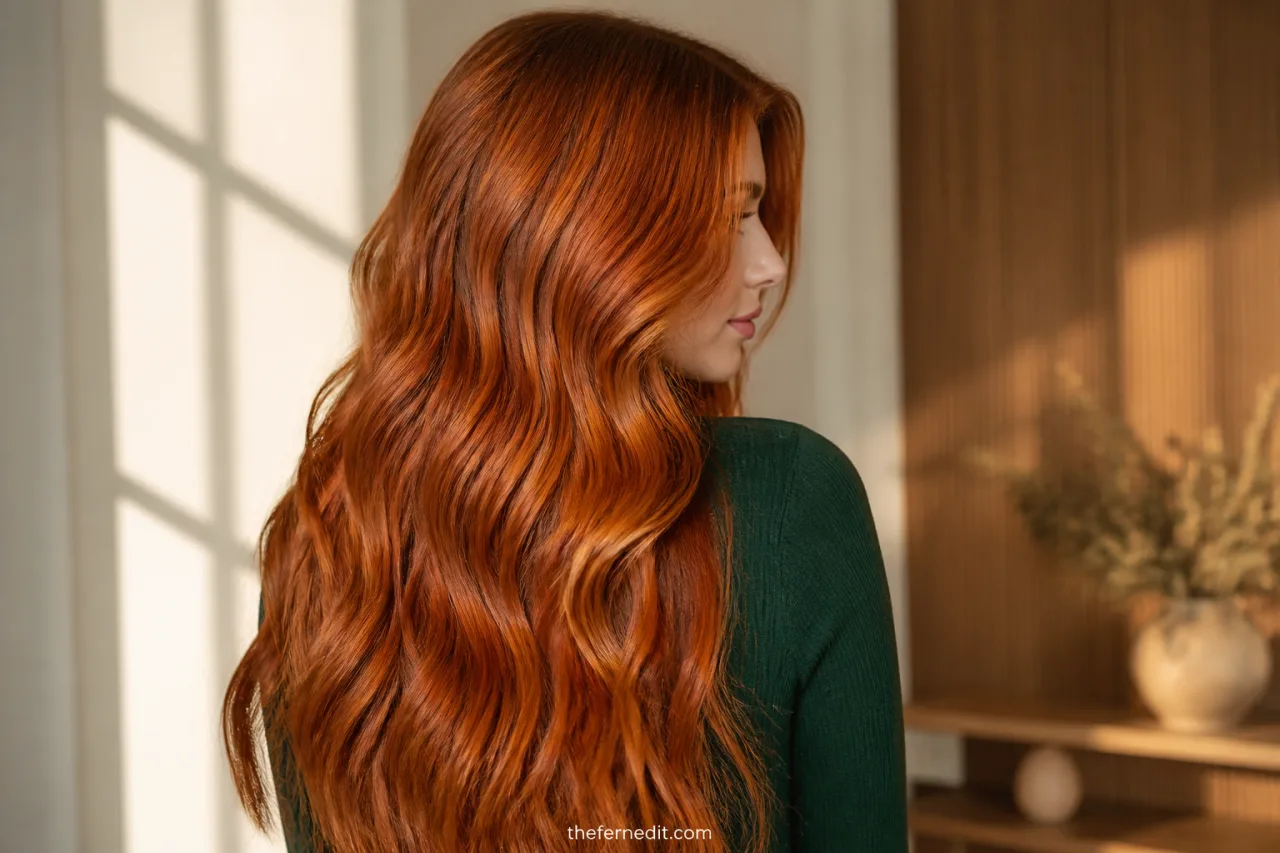
You cannot change how many hair follicles you have, but you can make hair look noticeably thicker and fuller by caring for your scalp (gentle massage, clean and healthy), reducing breakage so you keep more length, using volumizing products and the right cut, styling for lift at the roots, eating well (protein and key nutrients), and handling hair gently. If you notice real thinning or shedding, it is worth seeing a doctor, since that can be treatable.
Wishing your hair looked fuller, thicker, and more voluminous is one of the most relatable hair goals there is. Whether your hair has always been on the finer side or it has started looking flatter over time, the good news is that you can make a real, visible difference naturally, by caring for your scalp, protecting the hair you have, styling smartly, and supporting healthy growth. While you cannot change the number of follicles you were born with, you can absolutely maximize the volume, health, and fullness of your hair.

Wishing your hair looked fuller, thicker, and more voluminous is one of the most relatable hair goals there is. Whether your hair has always been on the finer side or it has started looking flatter over time, the good news is that you can make a real, visible difference naturally, by caring for your scalp, protecting the hair you have, styling smartly, and supporting healthy growth. While you cannot change the number of follicles you were born with, you can absolutely maximize the volume, health, and fullness of your hair.
Here is how to get thicker, fuller-looking hair naturally, with realistic, effective steps.
Key Takeaways
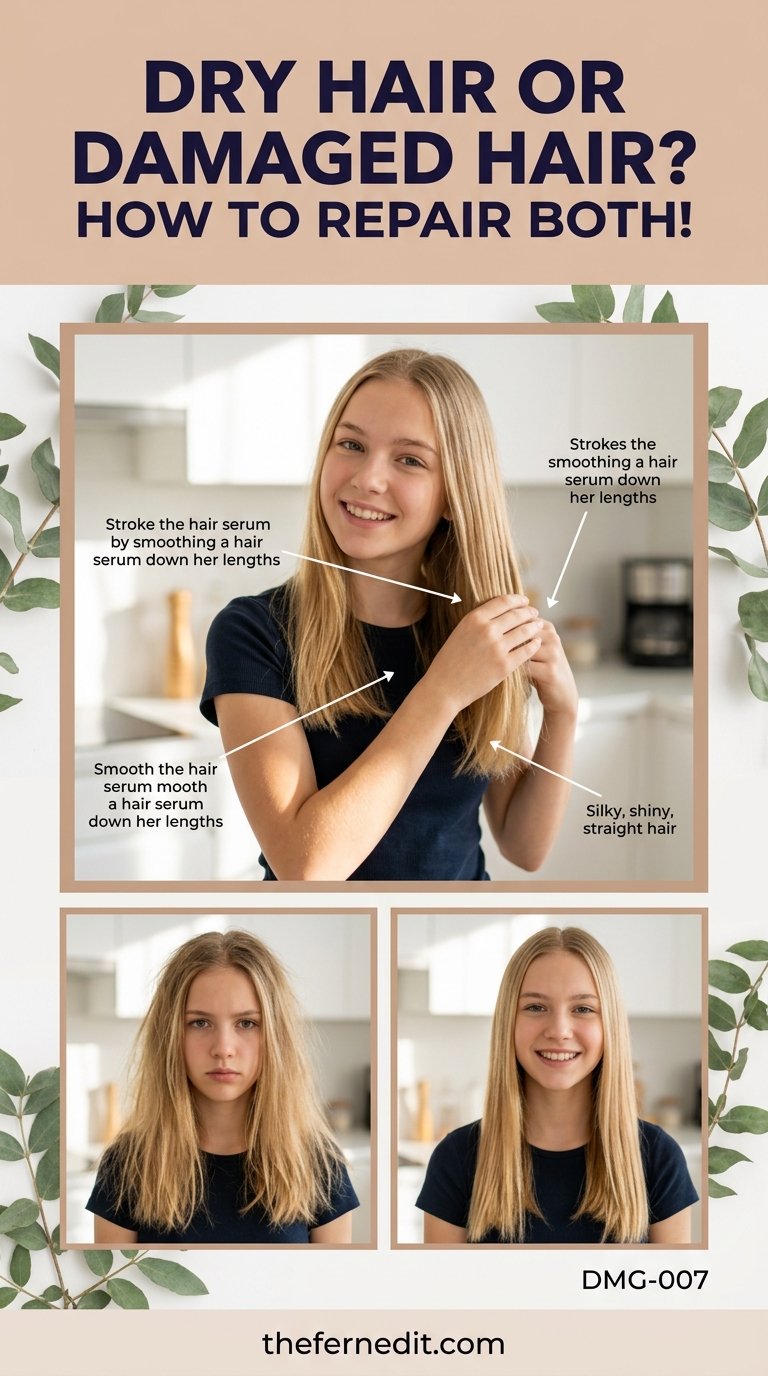
- You cannot change your follicle count, but you can maximize fullness.
- A healthy scalp is the foundation of fuller-looking hair.
- Reducing breakage keeps more of your hair, so it looks thicker.
- Volumizing products, the right cut, and root lift add visible fullness.
- A protein-rich, nutrient-dense diet supports healthy hair growth.
- Real thinning or shedding is different and worth seeing a doctor about.
What Makes Hair Look Thick or Thin
How full your hair looks depends on a few things: the number of hair follicles (set by genetics), the thickness of each individual strand, the overall amount of hair you have retained (versus lost to breakage), and how you style it. Fine hair has thinner strands, while thin hair refers to fewer strands or density, and the two are different. Hair can also look thinner due to breakage, damage, flat styling, scalp issues, or changes over time. Understanding what is actually making your hair look thin (strand size, density, breakage, or styling) helps you target the right fixes for fuller-looking results.
Can You Really Make Hair Thicker?
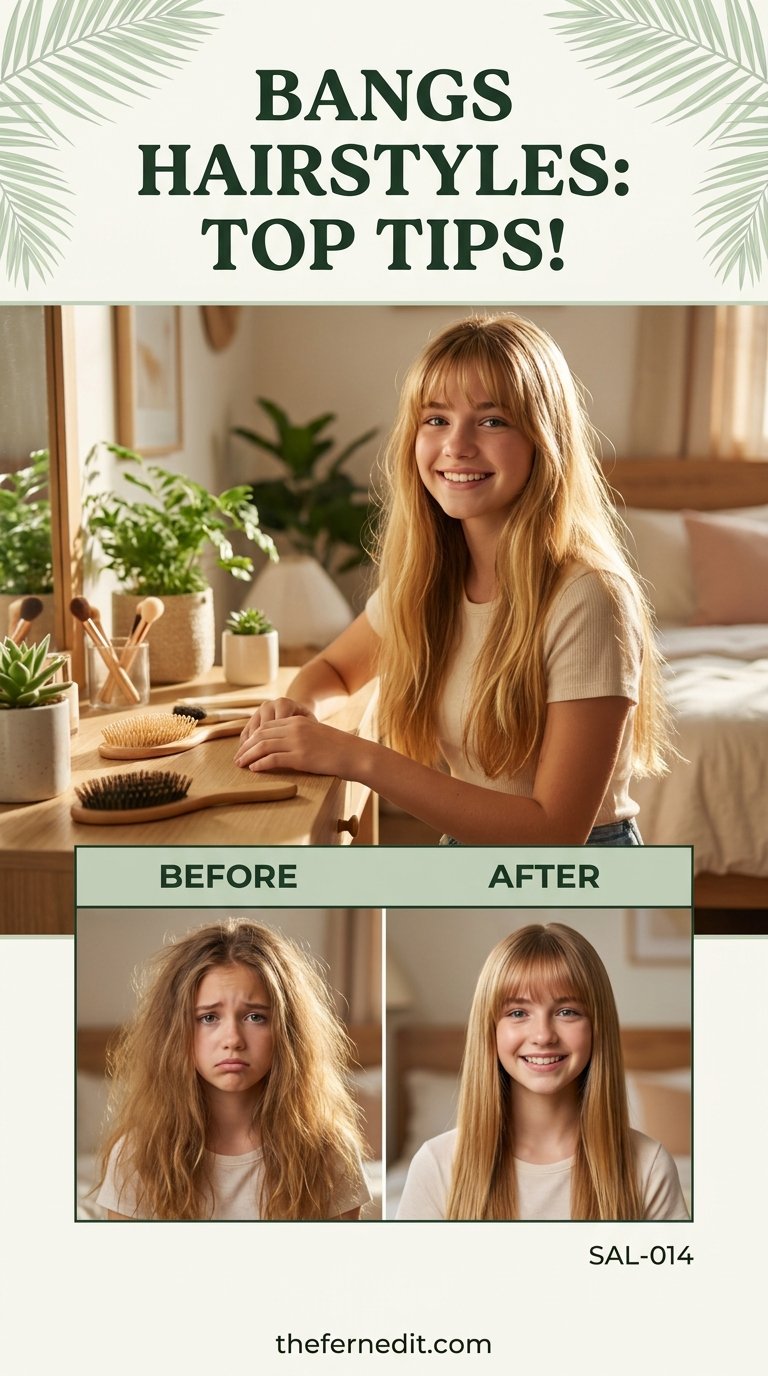
Here is the honest picture. You cannot increase the number of follicles you were born with, and you cannot dramatically change the natural thickness of each strand. But you can make a genuine, visible difference in how thick and full your hair looks and how healthy it is. By keeping your scalp healthy, minimizing breakage so you retain more hair, supporting strong growth, choosing the right cut and products, and styling for volume, you maximize the fullness of the hair you have. Many women see a real difference with these steps. So "thicker hair" realistically means fuller-looking, healthier, better-maximized hair, and that is very achievable.
Start With Scalp Health
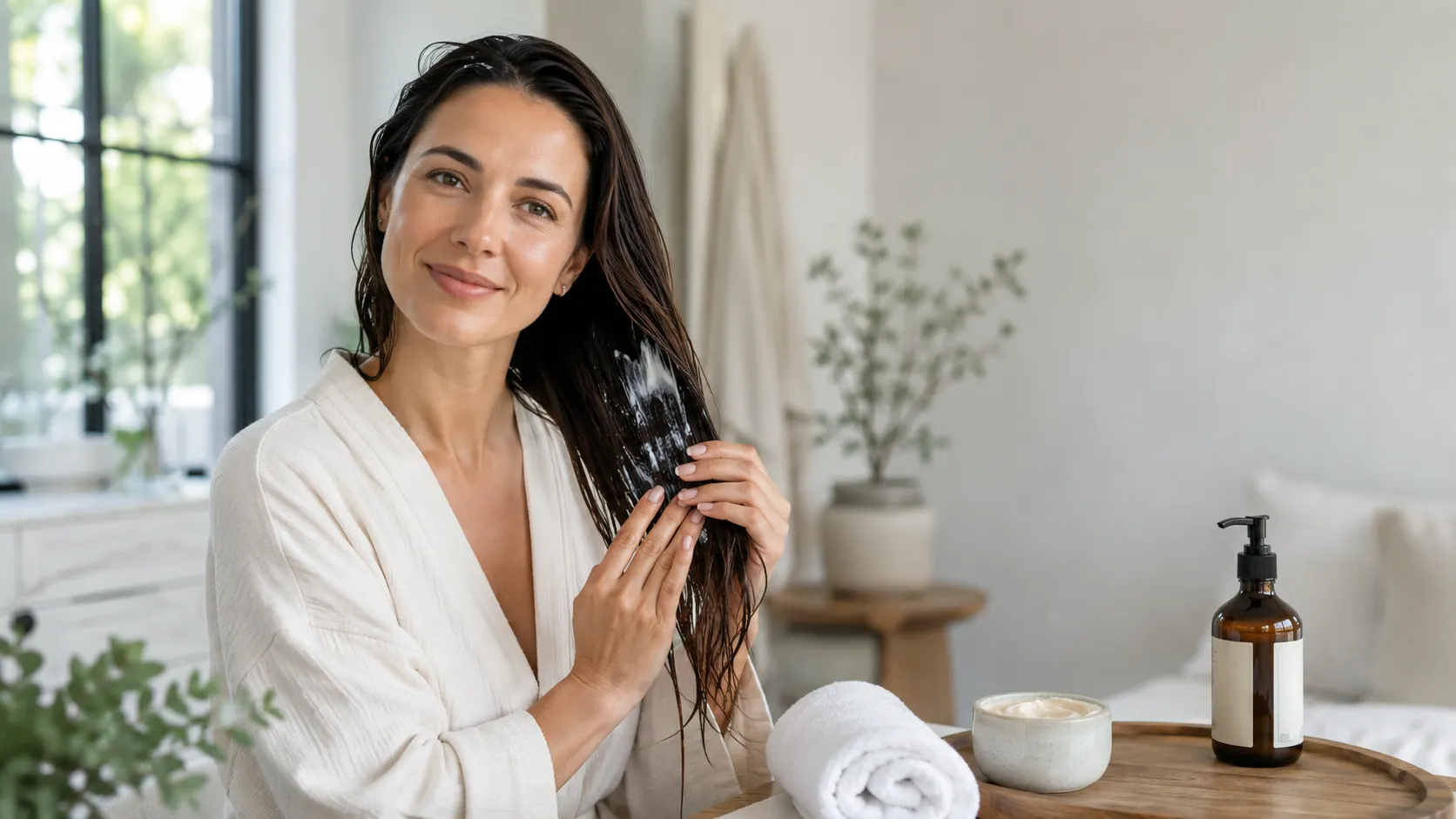
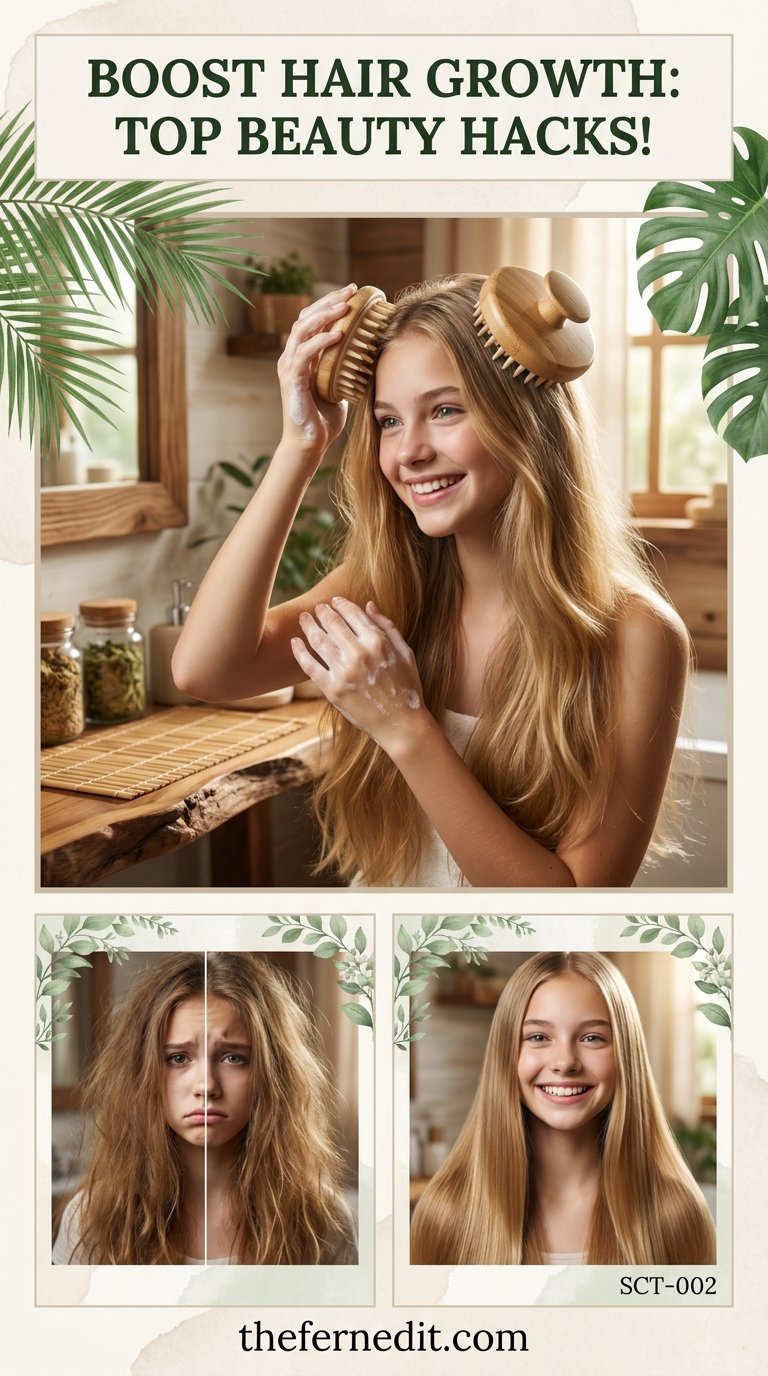
Healthy hair grows from a healthy scalp, so it is the natural starting point. Keep your scalp clean and balanced (not too oily or product-clogged) by washing appropriately for your hair type and occasionally clarifying buildup. Gently massage your scalp, which feels lovely and may help stimulate circulation to the follicles; you can do this with your fingertips while washing or with a scalp massager. Avoid harsh products and tight styles that stress the scalp. A calm, clean, well-circulated scalp creates the best environment for healthy hair growth. Think of scalp care as the soil your hair grows from, since fuller hair starts at the root.
Reduce Breakage to Keep More Hair
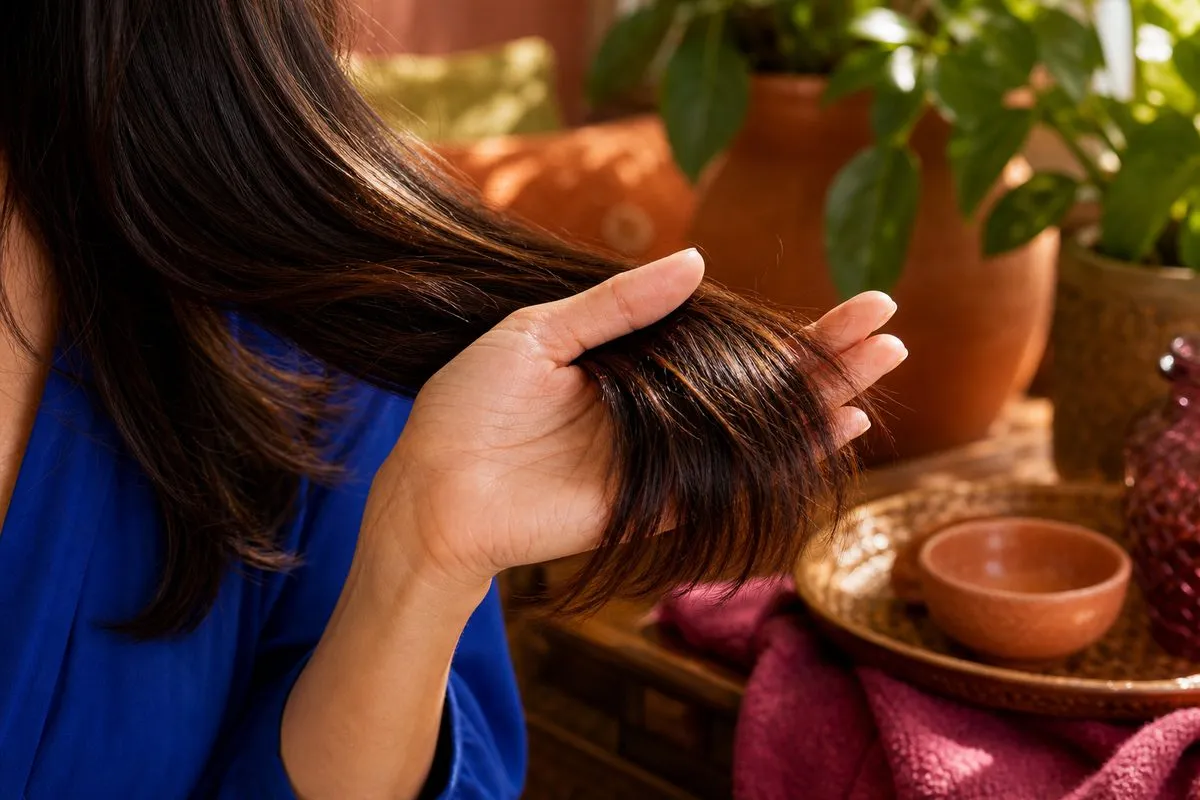
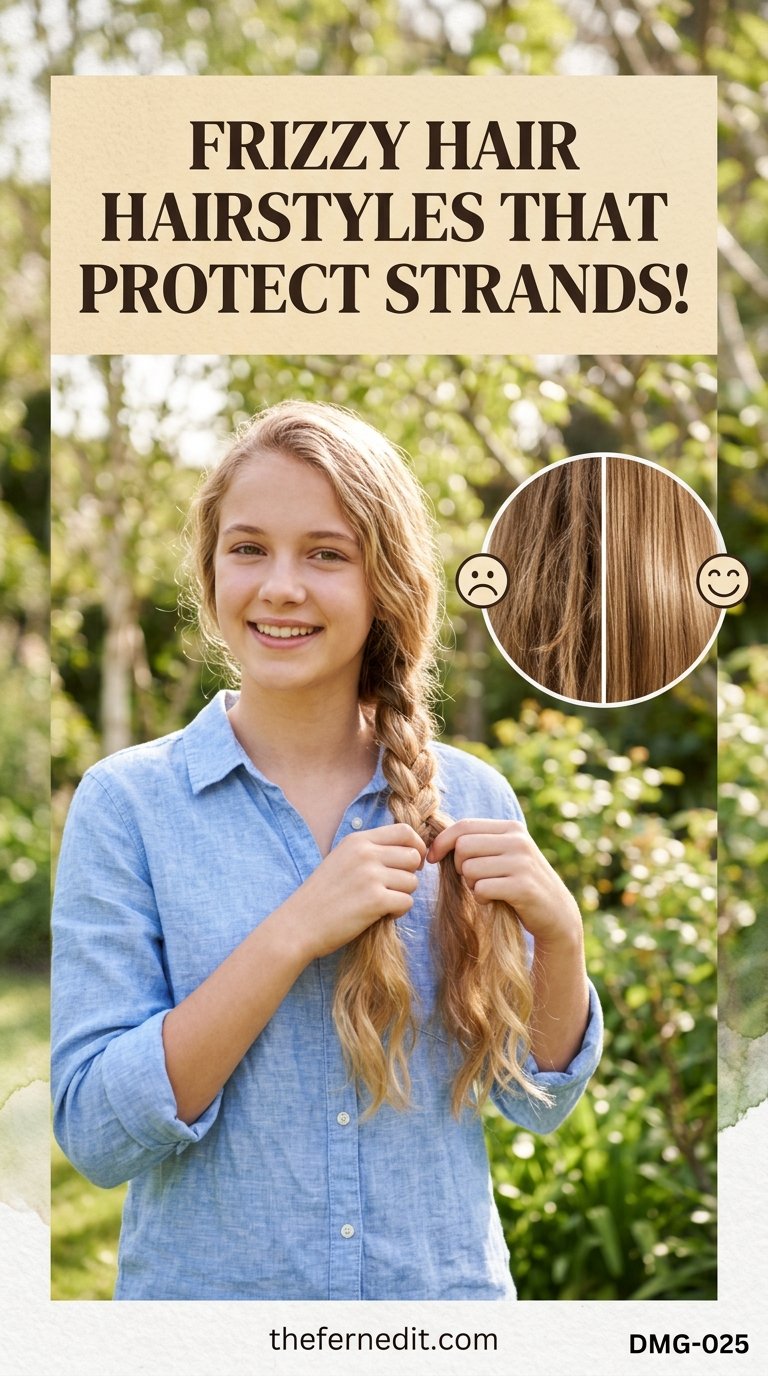
One of the most underrated ways to get fuller hair is simply to stop losing the hair you have to breakage. When hair breaks, you lose length and density, and your hair looks thinner and more uneven. By handling your hair gently, balancing moisture and protein, using heat protection, avoiding tight styles, and sleeping on satin, you keep more of your hair intact, so it looks fuller and grows longer. This is often the single biggest, most overlooked factor in fuller-looking hair. Protecting against breakage means the hair you grow actually stays, which visibly improves your hair's thickness and length over time.
Volumizing Products That Work
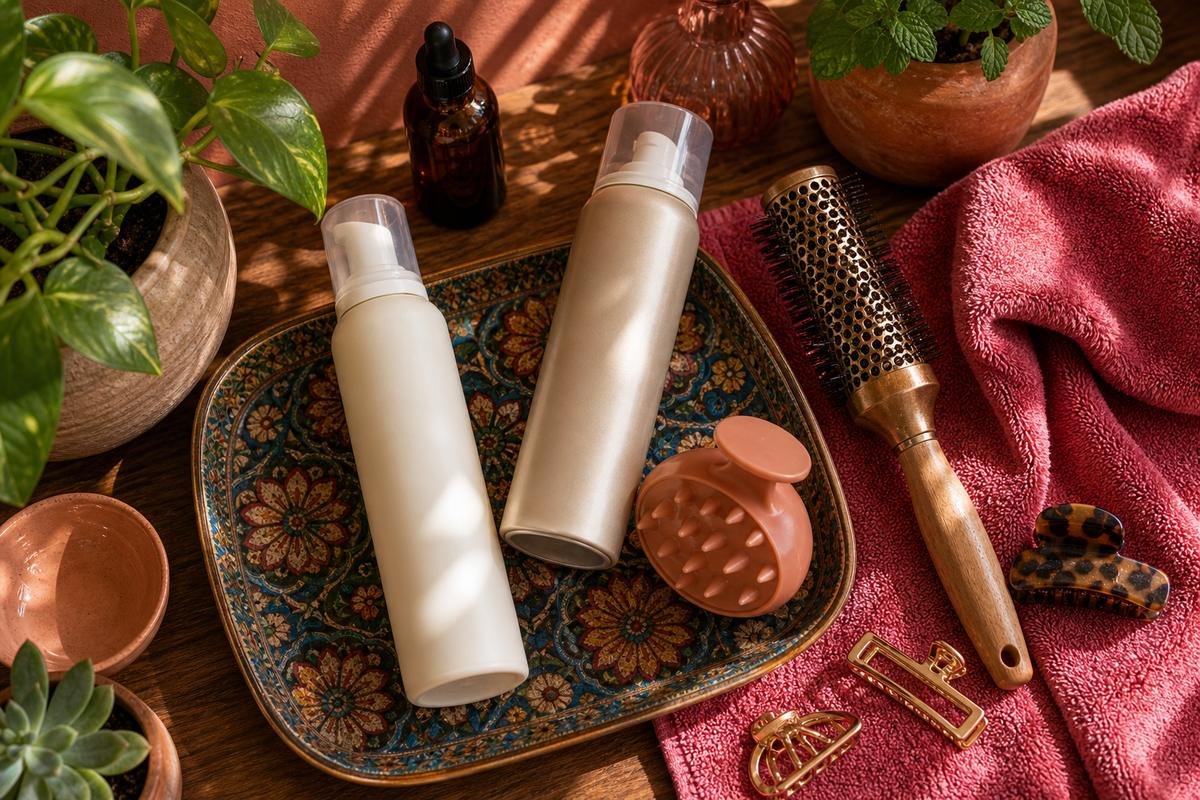
The right products create real, visible volume. Use a lightweight, volumizing shampoo and a light conditioner (heavy, creamy products weigh fine hair down). A root-lifting spray or mousse applied to damp roots adds body, and a light texturizing spray adds grip and fullness to dry hair. Dry shampoo is a great volumizer even on clean hair, adding lift at the roots. Avoid heavy oils and rich creams on the roots, which flatten hair, and keep richer products on the ends only. The key with volumizing products is lightness, since anything too heavy works against fullness. A few well-chosen light products make a noticeable difference.
The Right Cut for Fuller Hair
Your haircut hugely affects how full your hair looks. Layers can add movement and the appearance of volume, while a blunt cut can make the ends look denser and thicker. A skilled stylist can cut your hair to maximize fullness for your hair type and face. Avoid overly long, thin, stringy lengths if fullness is your goal, since hair often looks fuller at a medium length where the ends are not sparse. Regular trims keep ends healthy and prevent the thin, frayed look. Tell your stylist you want to maximize fullness, and the right cut can transform how thick your hair appears, no products required.
Styling for Instant Volume
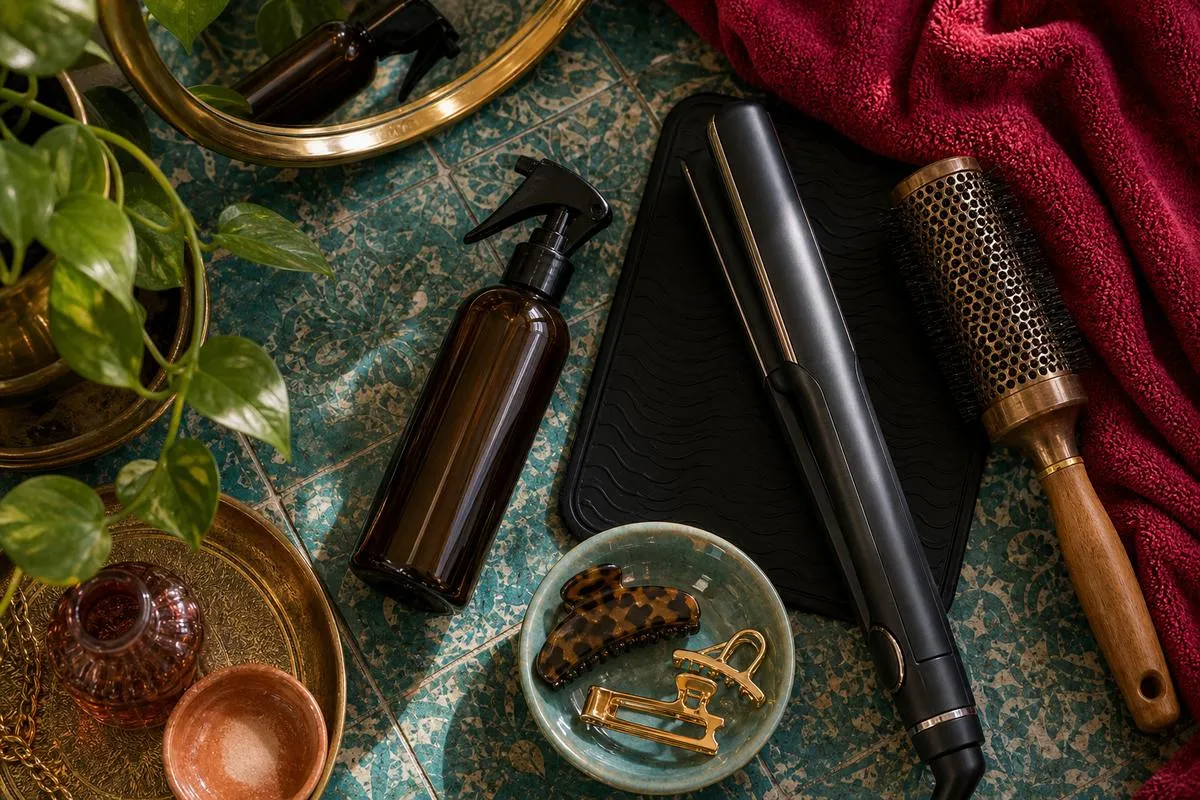
Smart styling creates instant fullness. Blow dry your hair with your head flipped upside down, or lift sections at the root with a round brush, to build volume. Apply volumizing product at the roots while damp. Switching your part or going slightly off your usual part adds lift where hair has been trained flat. Loose waves and curls create the illusion of more hair than straight, flat styles. Backcombing gently at the crown adds height, and dry shampoo or texturizing spray boosts body. These styling tricks deliver visible fullness in minutes, and they work beautifully alongside the longer-term health habits. Volume is as much technique as it is hair.
Eat for Healthy Hair

What you eat supports your hair from the inside. Hair is largely made of protein, so a diet with enough protein gives your body the building blocks for strong hair. Key nutrients linked to healthy hair include iron, zinc, biotin and other B vitamins, vitamin D, and omega-3 fatty acids, found in foods like lean proteins, eggs, leafy greens, nuts, seeds, and fish. Staying hydrated and eating a balanced, varied diet supports the healthiest growth your hair is capable of. While diet will not change your genetics, poor nutrition can worsen hair health and shedding, so nourishing your body well helps your hair look its fullest.
Gentle Habits That Protect Fullness
Day-to-day gentleness preserves your hair's fullness. Detangle carefully from the ends up, avoid tight ponytails and styles that pull (which can stress hair over time), and use soft, snag-free hair ties. Be gentle with wet hair, limit heat, and protect your hair overnight on satin. Avoid over-processing with frequent color or chemical treatments, which thin and weaken hair. These gentle habits protect the hair you have and keep it looking full and healthy. Consistency with kind handling is one of the simplest, most effective ways to maintain (and maximize) the fullness of your hair over the long term.
Visual Tricks for Fuller-Looking Hair
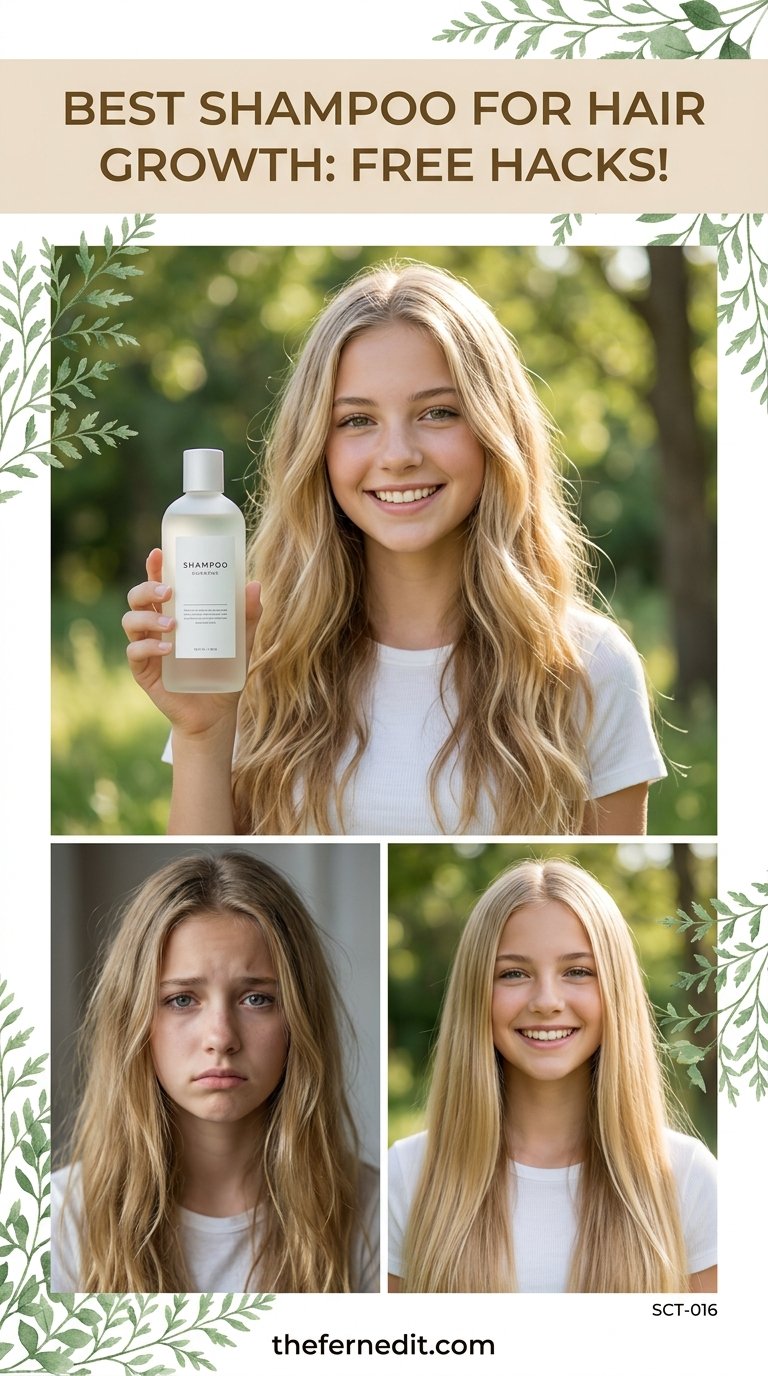
Some quick tricks instantly boost the look of fullness. Adding soft waves or curls makes hair look more voluminous than straight styles. Strategic color, like subtle dimension, highlights, or lowlights, can create the illusion of depth and thickness. A slightly shorter or medium length often looks fuller than very long, thin hair. Root-lifting and texturizing products add instant body. Even your part placement and a gentle tease at the crown make a visible difference. These visual and styling tricks pair with the health-focused steps to give you the fullest-looking hair possible right now, while your healthy habits build fullness over time.
When Thinning Needs a Doctor
Most people can improve fullness with the steps above, but real hair thinning or loss is different and worth attention. See a doctor or dermatologist if you notice sudden or increased shedding, hair coming out from the root in large amounts, a widening part, visible thinning or bald patches, or thinning along with other symptoms. Hair loss can have many causes (hormonal changes, thyroid issues, nutritional deficiencies, stress, and more) and many are treatable, especially when caught early. There is no need to feel self-conscious about asking, since it is common. For general fine or flat hair, the natural steps here help, but do not ignore true hair loss.
Common Mistakes
- Using heavy products on the roots. They flatten hair; keep richness on the ends.
- Ignoring breakage. Losing hair to breakage makes it look thinner.
- Skipping scalp care. A healthy scalp is the foundation of fuller hair.
- Keeping hair very long and thin. A medium length often looks fuller.
- Ignoring real thinning. Sudden shedding or thinning warrants a doctor.
Final Takeaway
Getting thicker, fuller-looking hair naturally is absolutely possible, even though you cannot change the follicles you were born with. The realistic, effective path is to care for your scalp, protect the hair you have from breakage, use light volumizing products and a flattering cut, style for lift, nourish your body well, and handle your hair gently. Visual and styling tricks give you instant fullness, while healthy habits build it over time. And if you ever notice real thinning or shedding rather than just fine or flat hair, see a doctor, since it is common and often treatable. Maximize what you have with care and smart styling, and your hair will look its fullest and healthiest.
This article is for general beauty and self-care education only and is not medical advice. See a doctor or dermatologist for hair thinning, sudden shedding, or hair loss.
 📌 Save
Love this guide? Save it 📌
Pin it to your favorite board so it's easy to find again — and share it with a friend who'd love it too.
Save to PinterestFrequently asked questions
How do I get thicker hair naturally?
You cannot change your follicle count, but you can make hair look noticeably fuller by caring for your scalp, reducing breakage so you keep more hair, using volumizing products and the right cut, styling for root lift, eating a protein- and nutrient-rich diet, and handling hair gently. These steps maximize the fullness of the hair you have.
Can you really make your hair thicker?
You cannot increase your number of follicles or dramatically change each strand's natural thickness, but you can make a real, visible difference in how thick and full your hair looks. Healthy scalp care, less breakage, the right cut and products, and volume styling all maximize fullness genuinely.
Does scalp massage help hair grow thicker?
Scalp massage feels good and may help stimulate circulation to the follicles, supporting a healthy environment for growth. It will not change your genetics, but combined with a clean, healthy scalp and gentle care, it is a helpful part of maximizing your hair's fullness and health.
What products make hair look fuller?
Lightweight volumizing shampoo, root-lifting spray or mousse, texturizing spray, and dry shampoo all add visible body and lift. Keep heavy oils and creams off the roots, since they flatten hair, and use richer products only on the ends. Lightness is the key to fullness with products.
What foods help hair grow thicker?
Hair is mostly protein, so a protein-rich diet helps, along with nutrients like iron, zinc, biotin and B vitamins, vitamin D, and omega-3s, found in lean proteins, eggs, leafy greens, nuts, seeds, and fish. A balanced, varied diet supports the healthiest growth your hair is capable of.
Does cutting your hair make it thicker?
A good cut can make hair look fuller, blunt cuts make ends look denser, and layers add movement and the appearance of volume. Regular trims also remove thin, frayed ends. A medium length often looks fuller than very long, thin hair, so the right cut genuinely boosts the look of thickness.
When should I see a doctor about thinning hair?
See a doctor if you notice sudden or increased shedding, hair coming out from the root in large amounts, a widening part, visible thinning, or bald patches, especially with other symptoms. Hair loss has many causes, many treatable, and seeing a professional early gives the best results.

We cite sources and update this guide regularly.