To keep the bikini area smooth and bump-free, prep by trimming long hair, warming the skin, and exfoliating gently a day or so before (not right after). When shaving, use a sharp razor with plenty of cream, shave in the direction of hair growth, and never stretch the skin tight or shave too close. When waxing, follow directions carefully and soothe immediately after. Then exfoliate gently between sessions, moisturize, and wear loose clothing to prevent bumps and ingrowns.
The bikini area is one of the trickiest places to keep smooth. The skin is delicate, the hair is often coarse, and it is the spot most prone to those red bumps and ingrown hairs that show up a day or two after hair removal. But smooth, bump-free results really are possible here, whether you shave or wax. The secret is gentle preparation, careful technique, and consistent aftercare tailored to this sensitive area.
The bikini area is one of the trickiest places to keep smooth. The skin is delicate, the hair is often coarse, and it is the spot most prone to those red bumps and ingrown hairs that show up a day or two after hair removal. But smooth, bump-free results really are possible here, whether you shave or wax. The secret is gentle preparation, careful technique, and consistent aftercare tailored to this sensitive area.
Here is how to shave or wax the bikini area without the bumps and irritation.
Key Takeaways
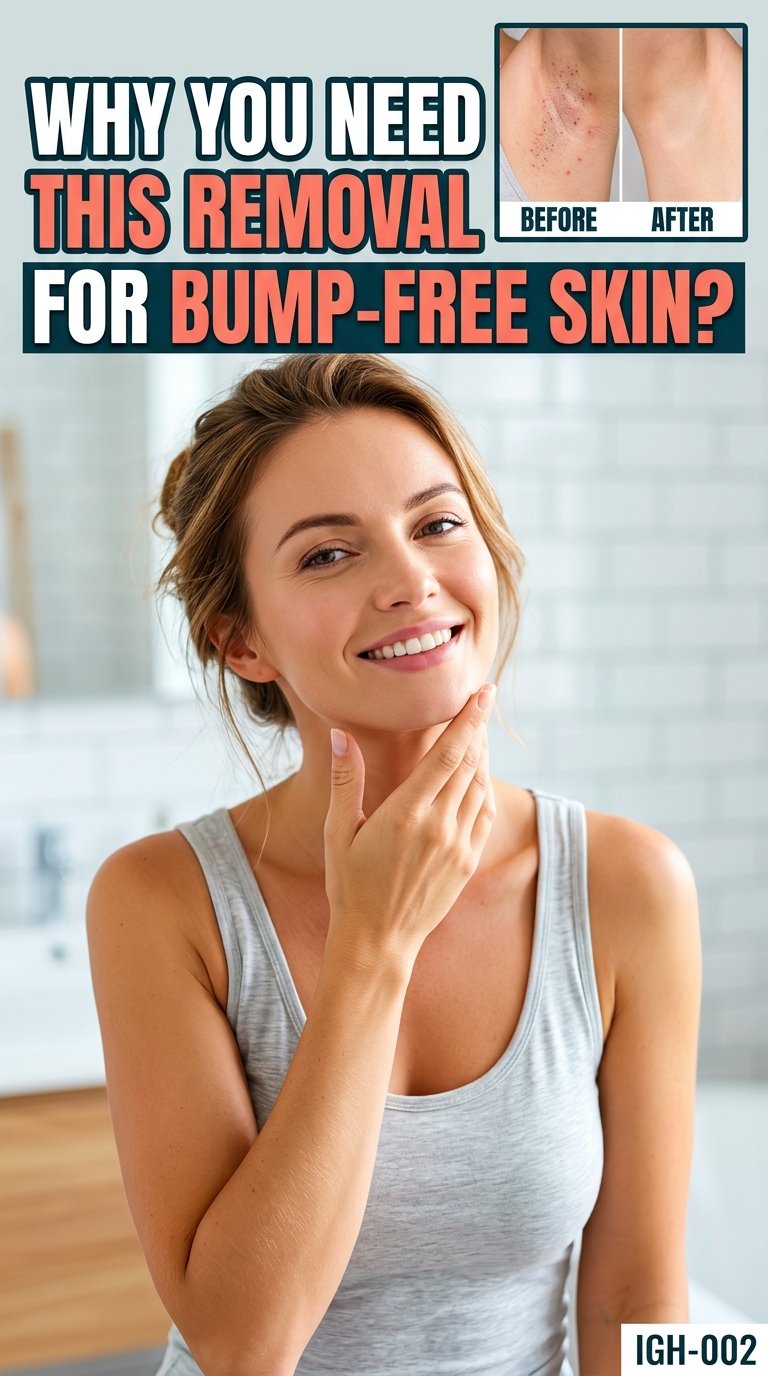
- The bikini area is delicate and prone to bumps and ingrowns.
- Trim long hair and warm the skin before removal.
- Exfoliate gently a day before, not right after.
- Shave in the direction of growth with a sharp razor and lots of cream.
- Soothe immediately and wear loose clothing afterward.
- Gentle exfoliation between sessions prevents ingrowns.
Why the Bikini Area Is So Prone to Bumps
A few things make this area especially bump-prone. The skin is thin and sensitive, the hair tends to be coarse and curly (which curls back into the skin easily), and the area experiences friction from clothing and movement. Sweat and warmth can also irritate freshly shaved or waxed skin. Together, these factors make razor bumps and ingrown hairs more common here than almost anywhere else. The fix is to be especially gentle and to focus on preventing the clogged follicles and irritation that cause bumps. With the right care, smooth and calm is very achievable.
Prep: The Most Important Step
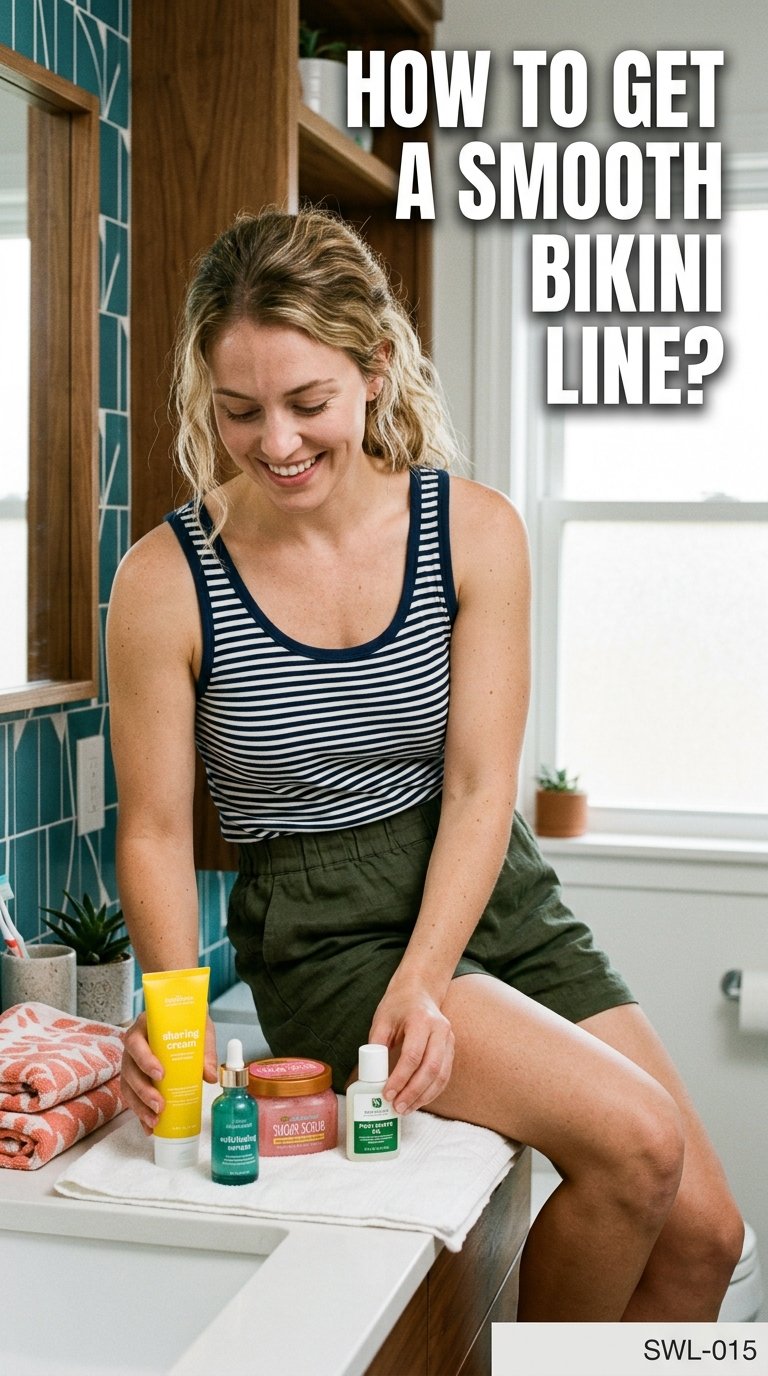
Good preparation prevents most bikini-area problems. Start by trimming longer hair with scissors or a trimmer so your razor or wax works more easily on shorter hair. Warm the skin and soften the hair, ideally by shaving or waxing toward the end of a warm shower or after a warm compress. And exfoliate gently a day or two beforehand (not immediately before or after) to clear dead skin so hair removal is cleaner and fewer hairs get trapped. Never remove hair on dry, cold, unprepared skin here, since that almost guarantees irritation. Thoughtful prep is the foundation of bump-free results.
How to Shave the Bikini Area Without Bumps
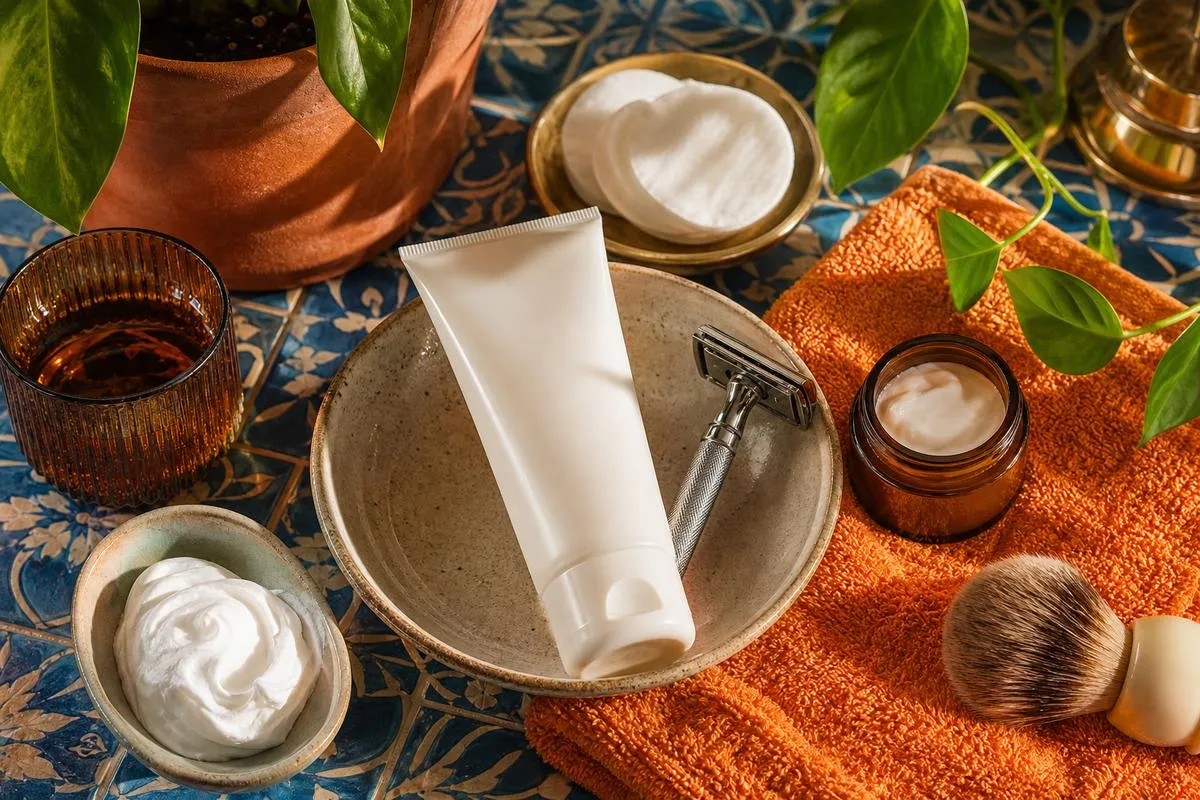
If you shave, gentle technique is everything:
- Trim first if the hair is long.
- Warm and soften the skin in a shower or with a warm compress.
- Use a sharp, clean razor (a fresh blade glides; a dull one tugs and bumps).
- Apply plenty of shaving cream or gel, ideally a gentle, fragrance-free one.
- Shave in the direction of hair growth, not against it, to reduce sharp re-entering tips and bumps.
- Use light pressure and short strokes, and do not go over the same spot repeatedly.
- Do not stretch the skin tight for an extra-close shave, which encourages ingrowns.
- Rinse and soothe immediately afterward.
Shaving with the grain and avoiding an overly close shave are the two biggest bump-preventers here.
How to Wax the Bikini Area

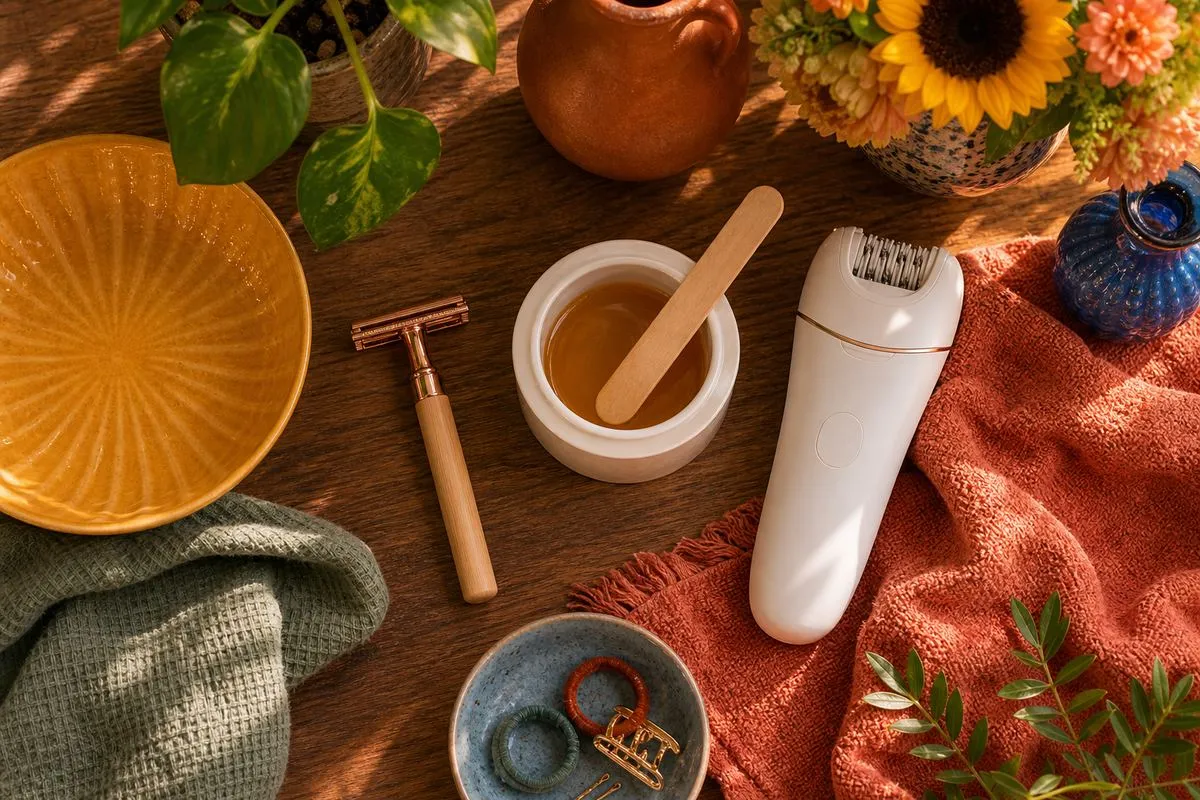
Waxing removes hair from the root for longer-lasting smoothness, but the bikini area is sensitive, so care is key. Make sure hair is the right length (usually about a quarter inch), use a wax suited to coarse hair, and always patch test first. Clean and dry the skin, apply the wax in the direction of hair growth, and remove it against the growth quickly while holding the skin taut. Soothe immediately afterward. Because this area is delicate, many women prefer professional waxing here, but at-home waxing is doable with care and good products. Whether at home or at a salon, gentle aftercare prevents the bumps that can follow.
Aftercare That Prevents Bumps
What you do after matters as much as the removal itself. Right away, rinse with cool water and apply a soothing, fragrance-free product (aloe or a calming gel) to reduce redness. Skip heavy lotions and fragrance, which can irritate freshly treated skin. Wear loose, breathable clothing (cotton underwear) for a day to avoid friction, and avoid heavy sweating, tight clothes, and hot tubs right after. Keeping the area cool, calm, and friction-free in the hours after hair removal is one of the best ways to prevent bumps from forming.
How to Prevent Ingrown Hairs Here
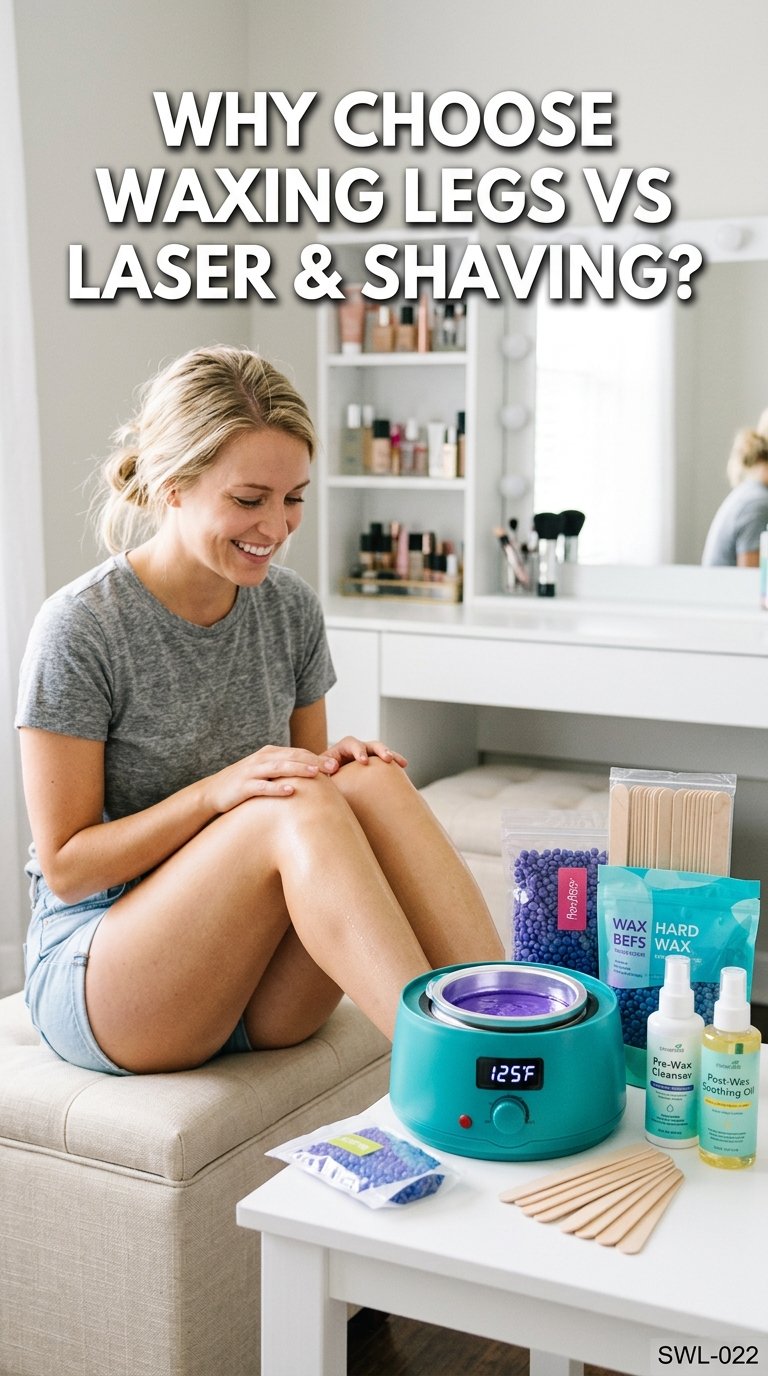
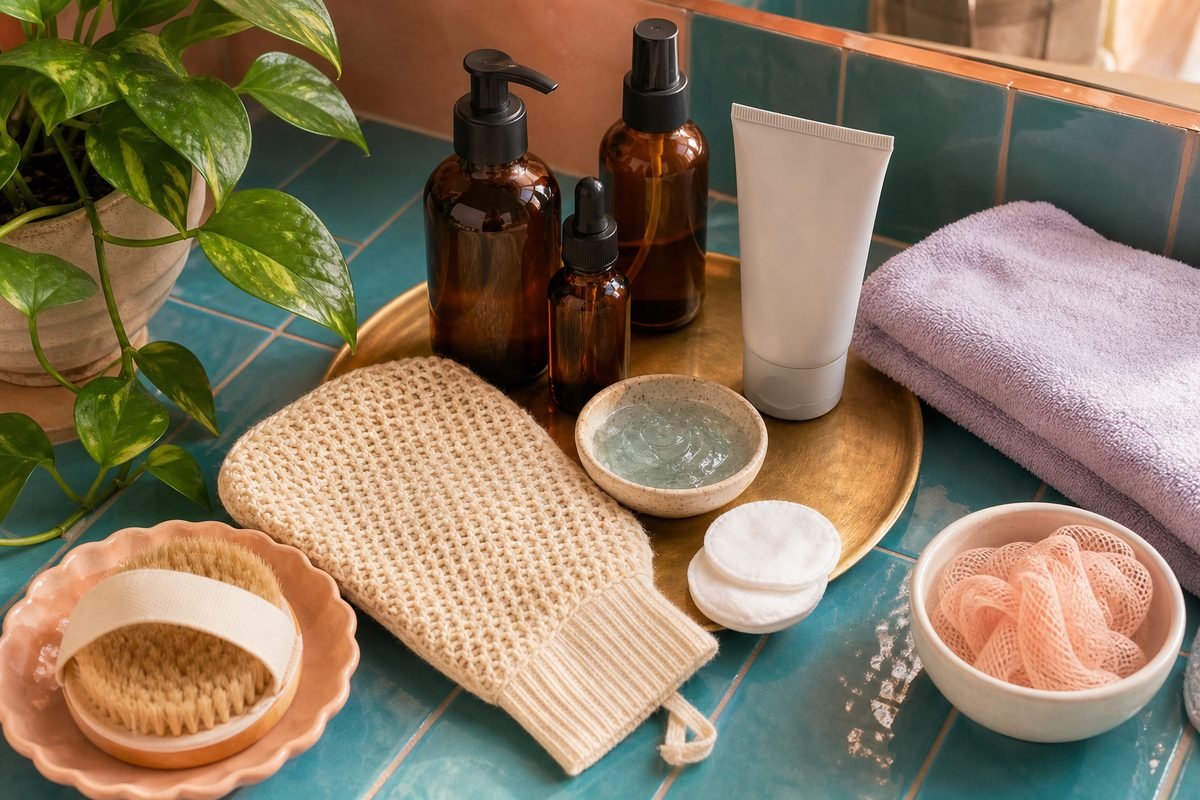
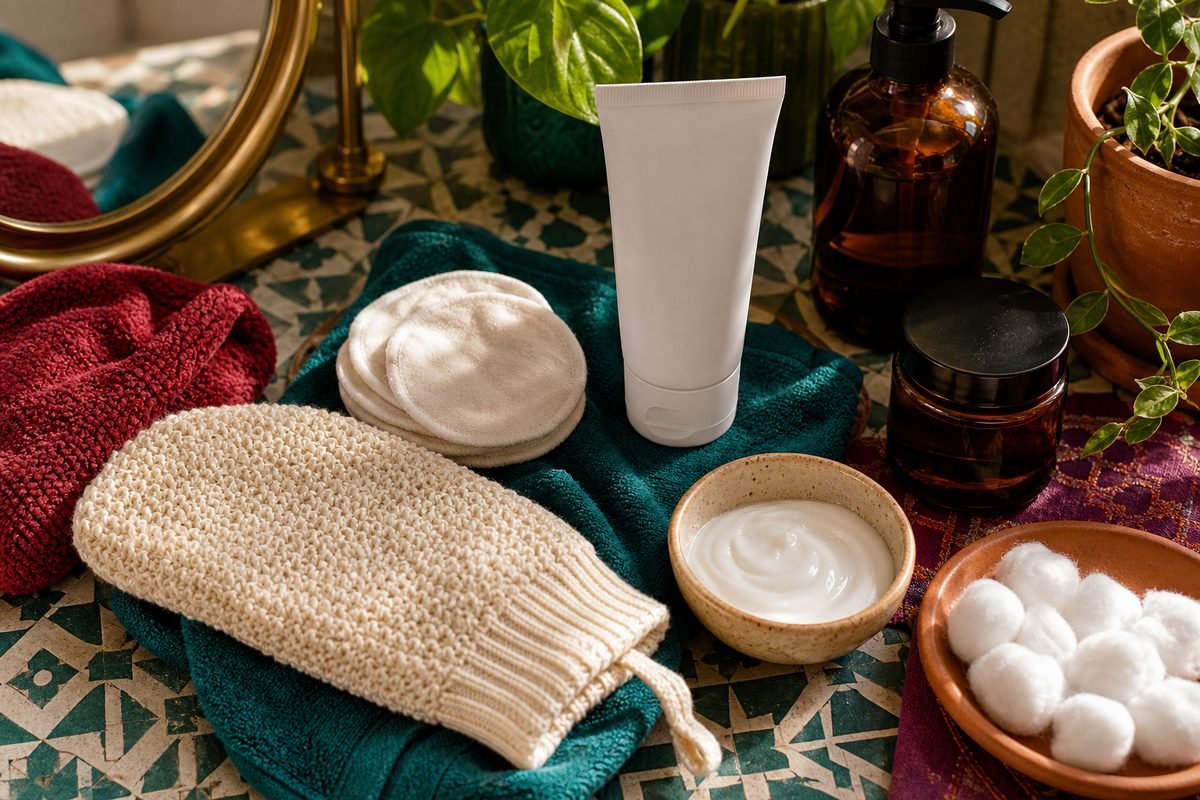
Ingrown hairs are the most common bikini-area complaint, and prevention is the same gentle toolkit. Exfoliate gently two or three times a week (a soft scrub, exfoliating mitt, or a chemical exfoliant with salicylic acid) to keep follicles clear, but never on freshly shaved or waxed skin. Keep the area moisturized so skin stays supple. Shave with the grain and avoid shaving too close. And consider a gentle salicylic or glycolic treatment a couple of days after hair removal to keep follicles clear. Consistent gentle exfoliation between sessions is the single most effective way to keep this area ingrown-free.
What to Avoid
A few habits make bikini-area bumps worse. Avoid shaving against the grain or shaving too close, both of which cause ingrowns here. Skip harsh, fragranced products on this delicate skin. Do not exfoliate or apply actives right after hair removal, when skin is most sensitive. Avoid tight clothing immediately afterward. And never pick at or dig out ingrown hairs, which scars and can cause infection in this delicate area. When in doubt, gentler is always better here.
Soothing Existing Bumps and Ingrowns
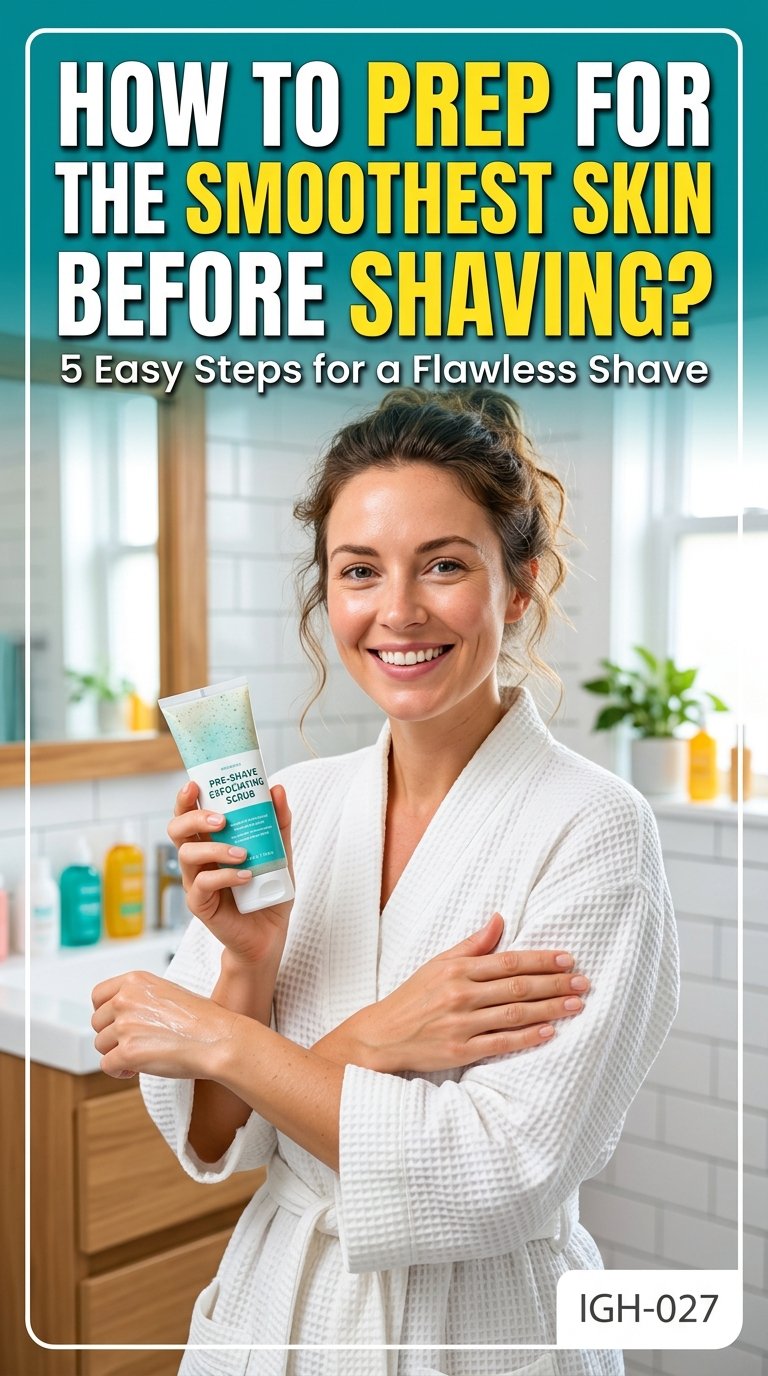
If you already have bumps or ingrowns, treat them kindly. Stop removing hair in that spot until it calms down. Apply a warm compress to soothe and help any trapped hair surface, and use a gentle salicylic or glycolic product to reduce inflammation and clear follicles. Wear loose clothing and keep the area clean and cool. Most bumps fade within a few days with gentle care. Resist the urge to pick, which only worsens and prolongs them. Patience and soothing care clear the area far faster than poking at it.
When to See a Doctor
Most bikini-area bumps are harmless and clear on their own, but some need attention. See a doctor if a bump becomes very painful, swollen, warm, or filled with pus, if you develop a fever, or if you have persistent, recurring ingrowns that scar or darken the skin. These can indicate an infection or a condition like folliculitis that benefits from treatment. A dermatologist can also suggest alternative hair removal if this area is consistently troublesome. There is no need to struggle with painful, recurring bumps when help is available.
Common Mistakes
- Shaving against the grain or too close. Both cause bumps and ingrowns here.
- Exfoliating right after hair removal. Wait; freshly treated skin is sensitive.
- Wearing tight clothing afterward. Friction irritates fresh skin.
- Skipping aftercare. Soothing prevents bumps from forming.
- Picking at ingrowns. This scars and can cause infection.
Final Takeaway
A smooth, bump-free bikini line is absolutely achievable, even though this area is the most prone to irritation. The keys are gentle preparation (trim, warm, exfoliate beforehand), careful technique (sharp razor, plenty of cream, shave with the grain, never too close), and soothing aftercare with loose clothing. Between sessions, gentle regular exfoliation is your best defense against ingrowns. Treat this delicate area with extra kindness, resist picking at any bumps, and check with a doctor if problems persist. With consistent, gentle care, you can keep your bikini line smooth and calm.
This article is for general beauty and self-care education only and is not medical advice. See a doctor for painful, infected, or persistent bumps.
 📌 Save
Love this guide? Save it 📌
Pin it to your favorite board so it's easy to find again — and share it with a friend who'd love it too.
Save to PinterestFrequently asked questions
How do I shave my bikini area without bumps?
Trim long hair, warm and soften the skin, use a sharp razor with plenty of cream, and shave in the direction of hair growth with light pressure. Do not stretch the skin tight or shave too close, then soothe immediately. Exfoliate gently between sessions to prevent ingrowns.
Why does my bikini area get so many bumps?
The skin is thin and sensitive, the hair is coarse and curly (so it curls back easily), and friction from clothing irritates it. These factors make razor bumps and ingrown hairs common here. Gentle technique and consistent exfoliation between sessions help a lot.
Should I shave the bikini area with or against the grain?
Shave in the direction of hair growth (with the grain), not against it. Against-the-grain gives a closer shave but causes far more bumps and ingrowns in this sensitive area. With the grain is gentler and far less bump-prone.
How do I prevent ingrown hairs on my bikini line?
Exfoliate gently two or three times a week (not on freshly shaved skin), keep the area moisturized, shave with the grain without going too close, and use a gentle salicylic or glycolic treatment a couple of days after hair removal. Consistent exfoliation is the most effective step.
Is it better to shave or wax the bikini area?
Both work. Shaving is quick and painless but regrows fast, while waxing lasts longer and can produce finer regrowth over time but hurts more. Either way, gentle prep and aftercare are what keep the area bump-free. Choose what suits your skin and tolerance.
How do I get rid of bikini bumps I already have?
Stop removing hair there, apply a warm compress, use a gentle salicylic or glycolic product, wear loose clothing, and keep the area clean and cool. Most bumps fade within a few days. Never pick at them, which scars and prolongs healing.
When should I see a doctor about bikini bumps?
See a doctor if a bump becomes very painful, swollen, warm, or filled with pus, if you develop a fever, or if you have persistent ingrowns that scar or darken the skin. These can indicate an infection or folliculitis that needs treatment.

We cite sources and update this guide regularly.