
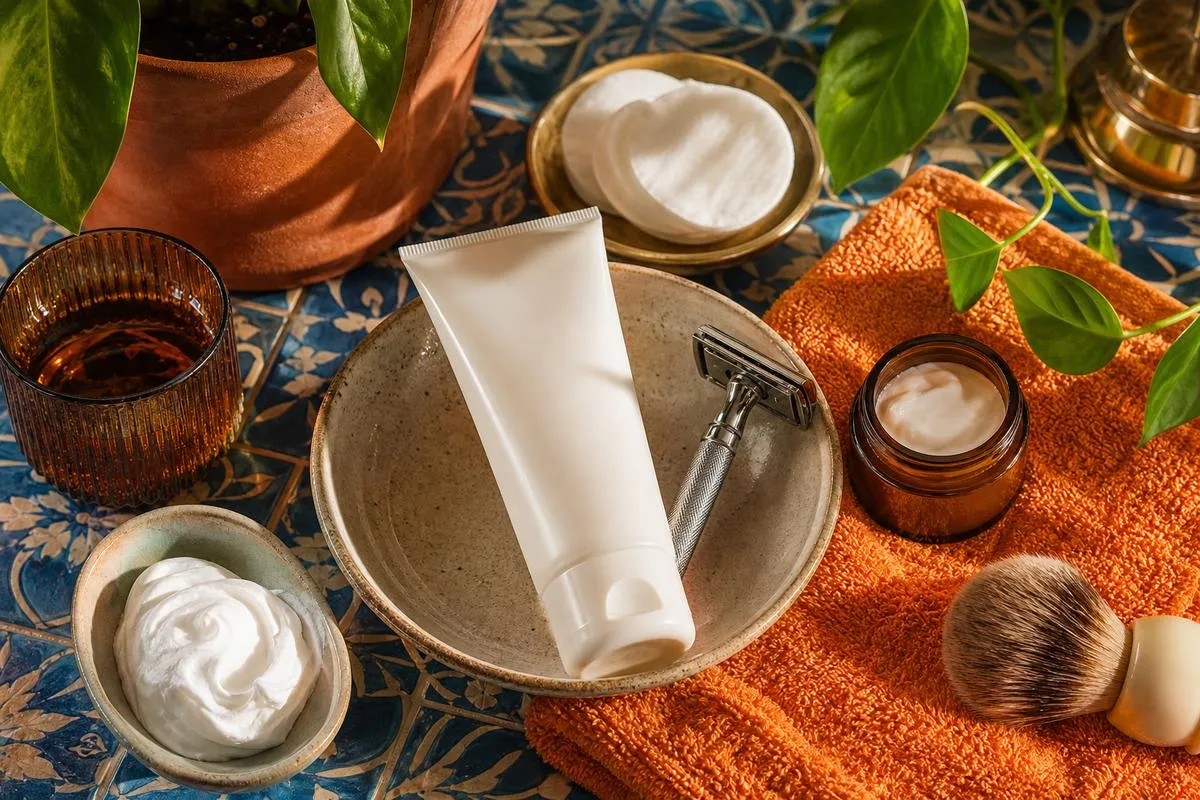
For a closer shave, prep by softening hair in warm water and exfoliating, use a sharp clean razor with a rich shaving cream, shave with the grain first then lightly across, rinse the blade often, and finish with a soothing moisturizer. A fresh blade and good glide matter most.
A close shave is less about pressing harder and more about prep, a sharp blade, and the right technique. If your shave never feels quite smooth enough, or you trade closeness for razor bumps, these steps get you a closer, silkier result with less irritation.
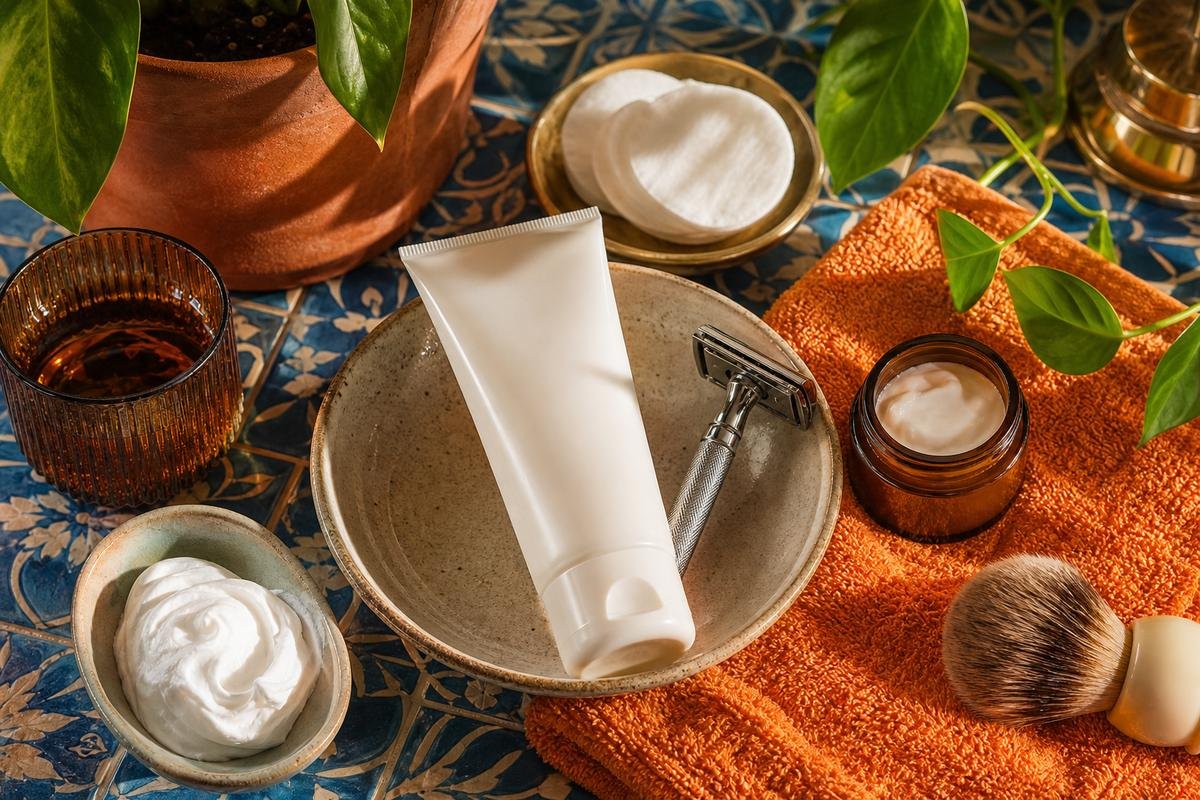
A close shave is less about pressing harder and more about prep, a sharp blade, and the right technique. If your shave never feels quite smooth enough, or you trade closeness for razor bumps, these steps get you a closer, silkier result with less irritation.
Key Takeaways
- Most shaving irritation comes from prep, technique, or aftercare.
- Shave on warm, softened skin and exfoliate beforehand.
- Always use a sharp, clean razor and a shaving cream or gel.
- Use light pressure and smooth strokes; do not over-shave one spot.
- Rinse the blade often and replace it regularly.
- Moisturize right after to keep skin calm and smooth.
Why Shaving Causes Irritation
Shaving irritation (razor burn, redness, stinging, and bumps) usually comes from a few avoidable things: a dull blade that tugs and scrapes, shaving on dry skin without enough slip, pressing too hard, going over the same area repeatedly, or skipping aftercare. The razor is not just removing hair; it is also dragging across your skin, so the smoother and more protected that drag is, the happier your skin stays. Fix the prep, blade, and technique, and most irritation disappears. It really is that fixable.
Step 1: Prep Your Skin
Great shaving starts before the razor touches your skin. Warm water softens both the hair and the skin, making hair easier to cut and reducing tugging. The ideal time to shave is at the end of a warm shower, when your skin and hair have had several minutes to soften. If you are not showering, soak the area in warm water or apply a warm, damp towel for a couple of minutes first. Never shave on dry, cold skin, which is the fast track to irritation. A little warmth and moisture make everything that follows smoother.
Step 2: Exfoliate First
Gently exfoliating before you shave clears away dead skin cells that can clog the razor and trap hairs, which means a closer shave and fewer ingrown hairs. Use a soft scrub or an exfoliating mitt with light pressure, or a gentle chemical exfoliant earlier in the day. Do not over-exfoliate or scrub aggressively right before shaving, since that can leave skin tender. A gentle exfoliation a few times a week, ideally before shaving, keeps your skin smooth and your shave close. This single habit also helps prevent the bumps that follow shaving.
Step 3: Use a Sharp, Clean Razor
A sharp blade is the heart of a smooth, irritation-free shave. Dull blades tug, scrape, and require more passes, all of which irritate skin and cause razor burn. Replace your razor or blade regularly (roughly every 5 to 10 shaves, or sooner if it feels dull or rough), and keep it clean and dry between uses so bacteria do not build up. Rinse it well after each shave and store it somewhere it can dry, not in a wet, sealed spot. A sharp, clean razor glides instead of dragging, which is exactly what your skin wants.
Step 4: Always Use Shaving Cream or Gel
Never shave on bare skin or with just water. A shaving cream, gel, or even a slick conditioner creates the slip that lets the razor glide smoothly, protecting your skin from the friction that causes irritation. Look for a moisturizing, fragrance-free formula if your skin is sensitive, and apply a generous layer so the blade never drags on bare skin. Avoid harsh, heavily fragranced products that can sting. Good slip is one of the biggest differences between a smooth shave and an irritated one, so never skip this step.
Step 5: Shave with the Right Technique
Technique brings it all together. Use light pressure and let the sharp blade do the work, since pressing hard scrapes the skin and causes burn. Shave in smooth, steady strokes and rinse the blade frequently to clear hair and product. Avoid going over the same spot again and again, which is a top cause of irritation; if you missed a patch, re-apply cream before another pass. For the closest shave with the least irritation, many people shave in the direction of hair growth first, then very gently across or against the grain only if needed and if their skin tolerates it. Stretch the skin gently smooth, but do not pull it taut for an extra-close shave, which encourages ingrowns.
Step 6: Rinse and Moisturize
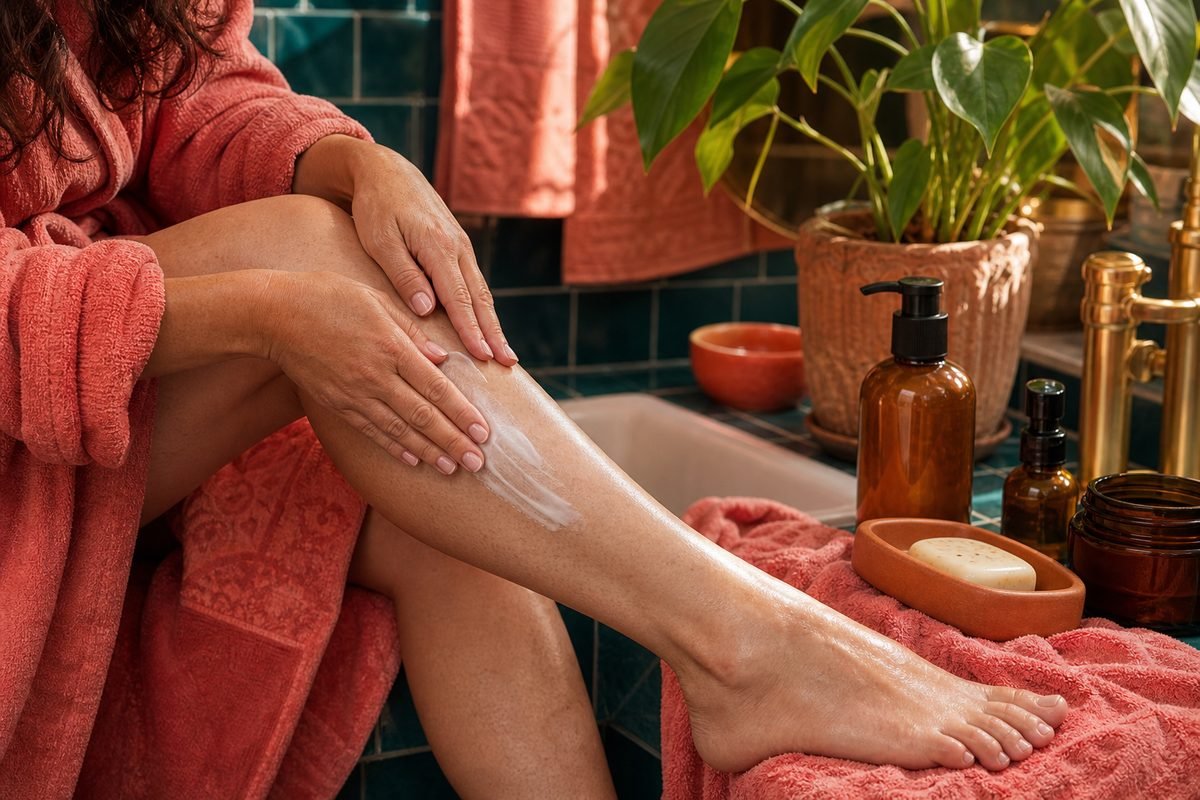
Aftercare seals in the smoothness and calms the skin. Rinse the shaved area with cool water to soothe and close the feel of the skin, then pat (do not rub) dry. While skin is still slightly damp, apply a gentle, fragrance-free moisturizer or a soothing body oil to replace lost moisture and keep skin soft. This step prevents the dryness and tightness that can follow shaving and helps stave off bumps. Moisturizing after every shave makes a real difference in how smooth and calm your skin feels, so make it a habit.
How to Prevent Razor Burn and Bumps
Razor burn and post-shave bumps are largely preventable with the habits above, plus a few extras. Always use a sharp blade and plenty of slip, shave gently, and never dry-shave. Exfoliate regularly to prevent the clogged follicles that lead to bumps and ingrowns. Avoid tight clothing right after shaving, since friction irritates fresh skin. If you are prone to bumps, a soothing product with aloe or a gentle salicylic acid treatment can calm and clear the area. And give irritated skin a rest day before shaving again. Gentle, consistent care keeps burn and bumps away.
Area-Specific Shaving Tips
Different areas need slightly different care:
- Legs: the easiest area; warm-shower prep, sharp razor, and moisturizer are usually enough.
- Underarms: the skin is delicate and hair grows in multiple directions, so go gently with light, varied strokes and always moisturize.
- Bikini area: very sensitive and ingrown-prone, so exfoliate beforehand, use plenty of cream, shave gently in the direction of growth, and soothe afterward. Patch test new products here.
- Knees and ankles: bony areas nick easily, so slow down and use light pressure over the curves.
Adjusting your care to each area keeps the whole shave smooth and comfortable.
Common Mistakes
- Dry shaving or skipping cream. Always shave with warmth and slip.
- Using a dull razor. Replace blades regularly for a smooth glide.
- Pressing too hard. Let the sharp blade do the work.
- Going over the same spot repeatedly. Re-apply cream instead.
- Skipping moisturizer afterward. Aftercare prevents dryness and bumps.
Final Takeaway
A close, smooth, irritation-free shave is absolutely achievable, and it comes down to caring for your skin before, during, and after the razor. Warm and soften the skin, exfoliate gently, use a sharp blade with plenty of slip, shave lightly in smooth strokes, and moisturize right after. Adjust your care for delicate areas like the underarms and bikini line, and give irritated skin a rest when it needs one. Make these small steps a habit, and shaving becomes something that leaves your skin soft and calm, not red and bumpy. Smooth skin, no irritation, every time.
This article is for general beauty and self-care education only and is not medical advice. See a doctor for persistent skin irritation or infection.
 📌 Save
Love this guide? Save it 📌
Pin it to your favorite board so it's easy to find again — and share it with a friend who'd love it too.
Save to PinterestFrequently asked questions
How do I get a close shave without irritation?
Prep with warm water and exfoliate first, use a sharp clean razor and a shaving cream or gel for slip, shave with light pressure in smooth strokes without going over the same spot, then rinse with cool water and moisturize. Sharp blade, good slip, and gentle technique are the keys.
Why does shaving irritate my skin?
Usually a dull blade, dry skin without slip, pressing too hard, going over the same area repeatedly, or skipping aftercare. The razor drags across your skin as it shaves, so smoother, more protected shaving keeps skin calm. Fixing prep and technique resolves most irritation.
Should I shave with or against the grain?
For the least irritation, shave in the direction of hair growth first. You can go gently across or against the grain afterward only if your skin tolerates it, since against-the-grain gives a closer shave but more irritation and ingrowns. Many sensitive-skinned people stick with the grain.
How often should I replace my razor?
Roughly every 5 to 10 shaves, or sooner if it feels dull, rough, or tugs. A dull blade is a top cause of razor burn and bumps. Keep it clean and dry between uses so it stays sharp and bacteria-free.
How do I prevent razor bumps and burn?
Use a sharp blade with plenty of slip, shave gently in the direction of growth, exfoliate regularly, moisturize after, and avoid tight clothing right after shaving. A soothing aloe or gentle salicylic product helps if you are bump-prone.
Do I need to moisturize after shaving?
Yes. Shaving removes some moisture, so applying a gentle, fragrance-free moisturizer or body oil to slightly damp skin afterward keeps it soft, calm, and smooth, and helps prevent the dryness and bumps that can follow. Make it a habit after every shave.
Why do I get bumps after shaving the bikini area?
The bikini area is delicate and ingrown-prone. Exfoliate beforehand, use plenty of cream, shave gently in the direction of growth, avoid shaving too close, and soothe afterward. Patch test products here, since this skin is sensitive.

We cite sources and update this guide regularly.