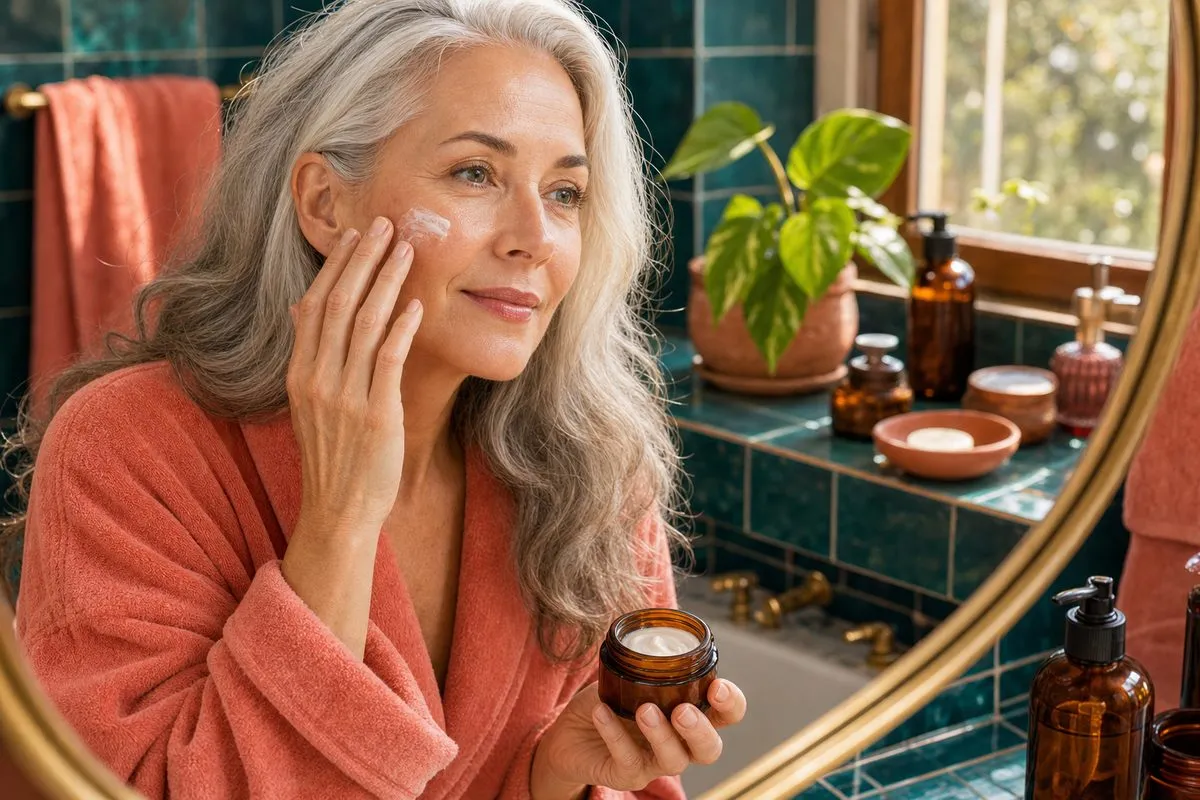
A strong 40s skincare routine has a gentle morning routine with hydration and sunscreen, and an evening routine focused on cleansing, moisture, barrier support, and one or two active ingredients if tolerated. Keep it consistent and avoid product overload.
A skincare routine for women in their 40s should feel clear, supportive, and realistic — not like a shelf full of products you never finish.
The plan: a simple morning routine for hydration and protection, and an evening routine for cleansing, moisture, and one or two actives.
Why this works for Pinterest and search
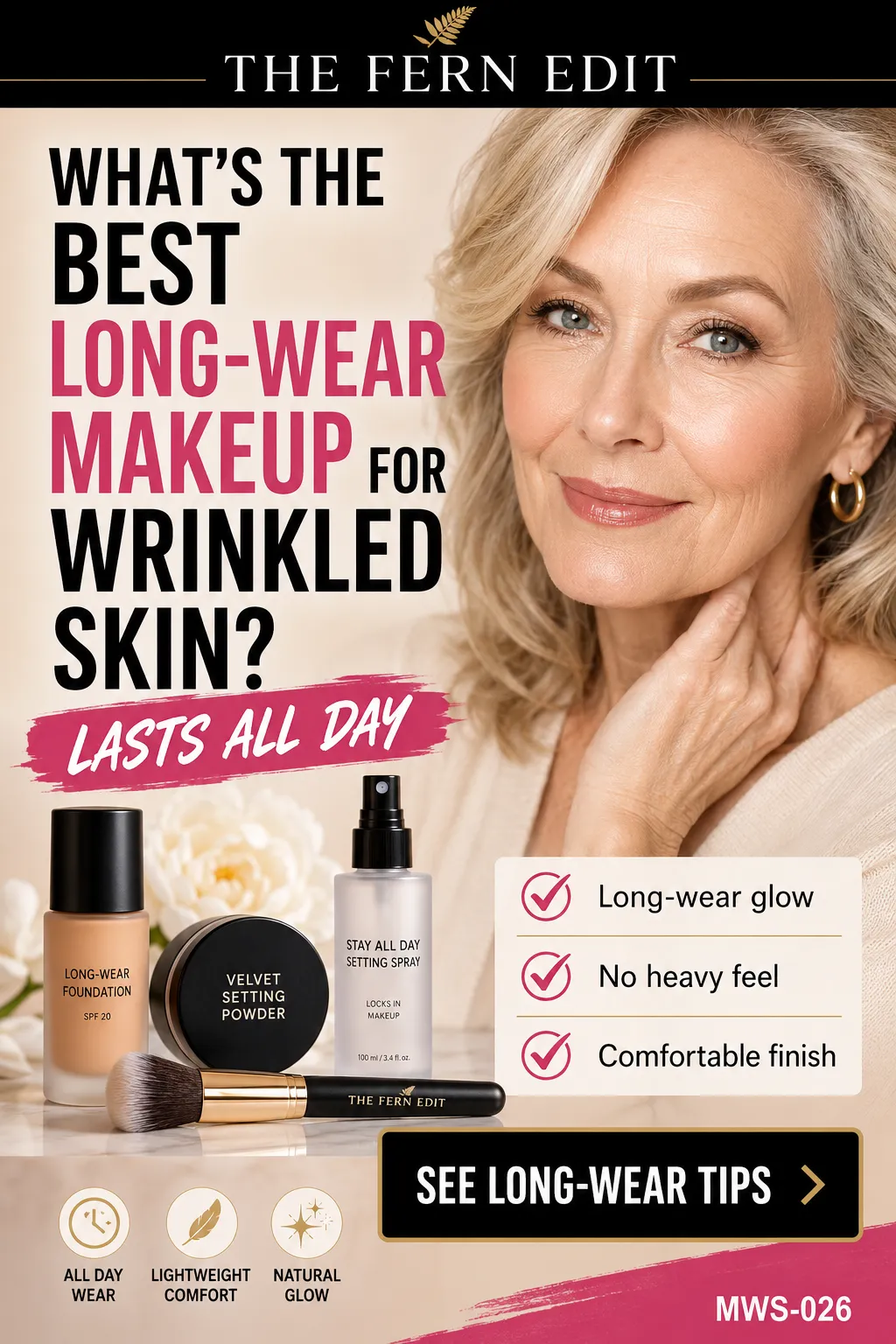
An AM/PM routine article answers exactly how to structure the day, which is what readers want.
Before you begin

This guide is general skincare education only. Skin firmness, texture, and laxity are shaped by age, genetics, sun exposure, health, and lifestyle. Patch-test new products, stop anything that irritates, and see a dermatologist for diagnosis or treatment.
The most useful routines respect your real life. Keep it simple, track what works, and adjust based on comfort rather than chasing every trend.
Morning and night routine steps

1. Morning cleanse or rinse

Do not strip skin that already feels dry.
2. Hydrating serum
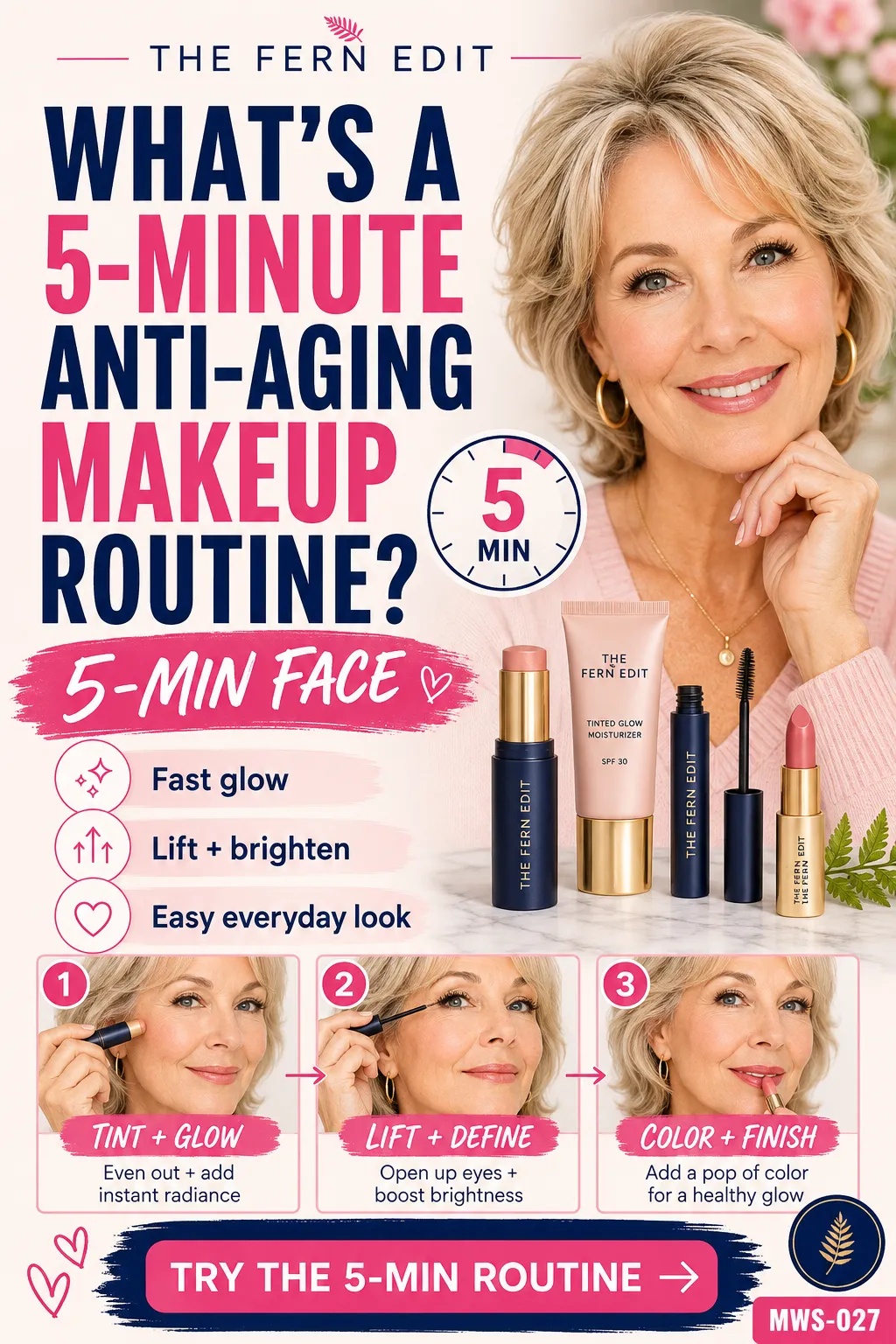
Use a hydrating step to make skin feel more comfortable.
3. Moisturizer

Choose a texture based on your skin: lotion, cream, or balm.
4. Sunscreen

Use broad daytime protection as the final morning step.
5. Evening makeup removal

Remove makeup and sunscreen gently.
6. Second cleanse if needed

Only double cleanse if it suits your skin and products.
7. Treatment night

Use a retinoid or exfoliant on separate nights if tolerated.
8. Recovery night

Use only calming moisture when skin feels sensitive.
9. Neck and hands
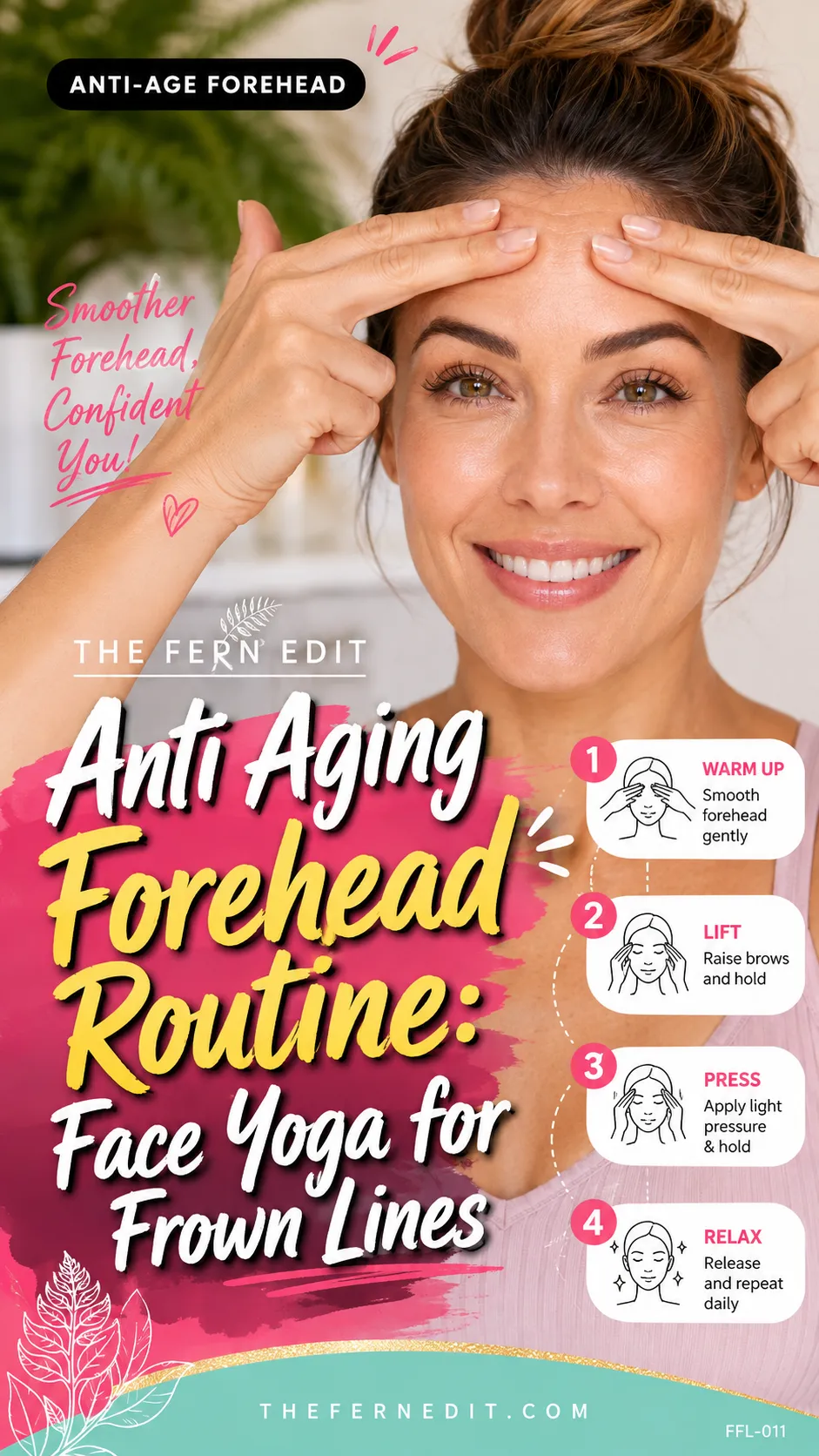
Extend care to areas that show dryness and sun exposure.
10. Weekly review
Notice what your skin likes before adding another product.
How to turn this into a weekly routine

| Day 1 | Read the guide, choose your routine level, and save the matching pin. |
| Day 2 | Try the simplest version and note comfort, time, and any products used. |
| Day 3 | Repeat the same routine instead of adding more steps. |
| Day 4 | Check for irritation, dryness, or soreness and adjust before continuing. |
| Day 5 | Add one supporting habit such as sunscreen, hydration, or a tracker. |
| Day 6 | Take a realistic progress note, using the same lighting for any photos. |
| Day 7 | Review what felt useful and what should be simplified. |
This weekly structure keeps the routine actionable and pairs well with a printable tracker or checklist.
Product and image notes

Show cleanser, serum, moisturizer, and sunscreen with brand-neutral packaging. Keep imagery realistic and inclusive.
Common mistakes to avoid

- Trying too many new products or steps at once
- Copying a viral routine without adjusting for your skin, face, or lifestyle
- Using harsh pressure when the routine should stay gentle
- Expecting instant results from a routine that depends on consistency
- Skipping sunscreen or basic care while chasing trends
Final thoughts

Gentle cleansing, hydration, moisturizer, sunscreen, and carefully selected actives form a strong routine. If skin stings, peels, or tightens, you are likely doing too much.
Explore more from The Fern Edit: Skin Firming, Mature Skin, Gua Sha, Face Yoga, printables.
 📌 Save
Love this guide? Save it 📌
Pin it to your favorite board so it's easy to find again — and share it with a friend who'd love it too.
Save to PinterestFrequently asked questions
What is the best skincare routine in your 40s?
Gentle cleansing, hydration, moisturizer, sunscreen, and carefully selected actives form a good routine.
Do women in their 40s need more moisturizer?
Many do, especially if skin feels dry or tight.
Can I use vitamin C and retinol?
Some people can use both in a routine, but introduce slowly and avoid irritation.
Should I exfoliate in my 40s?
Yes, if tolerated, but avoid over-exfoliating dry or sensitive skin.
What is a recovery night?
A recovery night skips strong actives and focuses on moisturizer and barrier support.
How do I know if my routine is too much?
Burning, stinging, peeling, tightness, or new irritation can mean you are doing too much.

We cite sources and update this guide regularly.