Biotin may help strengthen brittle nails, but mostly in people who are actually low in it—and the evidence is modest. Most healthy people get enough biotin from food and won’t see dramatic results from a supplement. The nutrients that matter most for nails are protein, biotin, iron, zinc, and vitamin C, and a balanced diet usually covers them. Take a supplement only if you suspect a shortfall, and talk to a healthcare provider first—high-dose biotin can interfere with some lab tests.
Walk down any vitamin aisle in the U.S. and you will see them: glossy bottles of biotin gummies and “hair, skin, and nails” supplements promising long, strong nails in weeks. They are everywhere—but do they actually work, or is it clever marketing?
The honest answer is more nuanced than either the hype or the cynicism suggests. Some nutrients genuinely matter for your nails, and a real deficiency can absolutely show up there. But supplements are not magic, and food usually comes first. Here is the straight, evidence-based guide to biotin and vitamins for nails—what helps, what doesn’t, and how to spend your money wisely.
Key Takeaways
- Biotin helps most when you’re deficient—it’s not a guaranteed growth booster.
- Food first. Most people get enough nail nutrients from a balanced diet.
- Key nutrients: protein, biotin, iron, zinc, and vitamin C.
- Safety note: high-dose biotin can skew certain blood tests—tell your doctor.
- Supplements can’t replace a good external routine and gentle handling.
Does Biotin Actually Help Nails?
Biotin (vitamin B7) is the most famous nail supplement, and there is some real science behind it—but it comes with caveats. A handful of small studies suggest biotin may improve brittle nails, with some people seeing thicker, less-splitting nails after a few months. The catch is that most of this benefit shows up in people who were low in biotin to begin with.
For someone already getting enough biotin (which is most people eating a varied diet), an extra supplement is unlikely to transform their nails. So biotin is best thought of as a fix for a shortfall, not a universal growth booster. If brittleness is your main issue, our guide to brittle nails covers the external fixes that often matter more.
What Biotin Is and How Much You Need
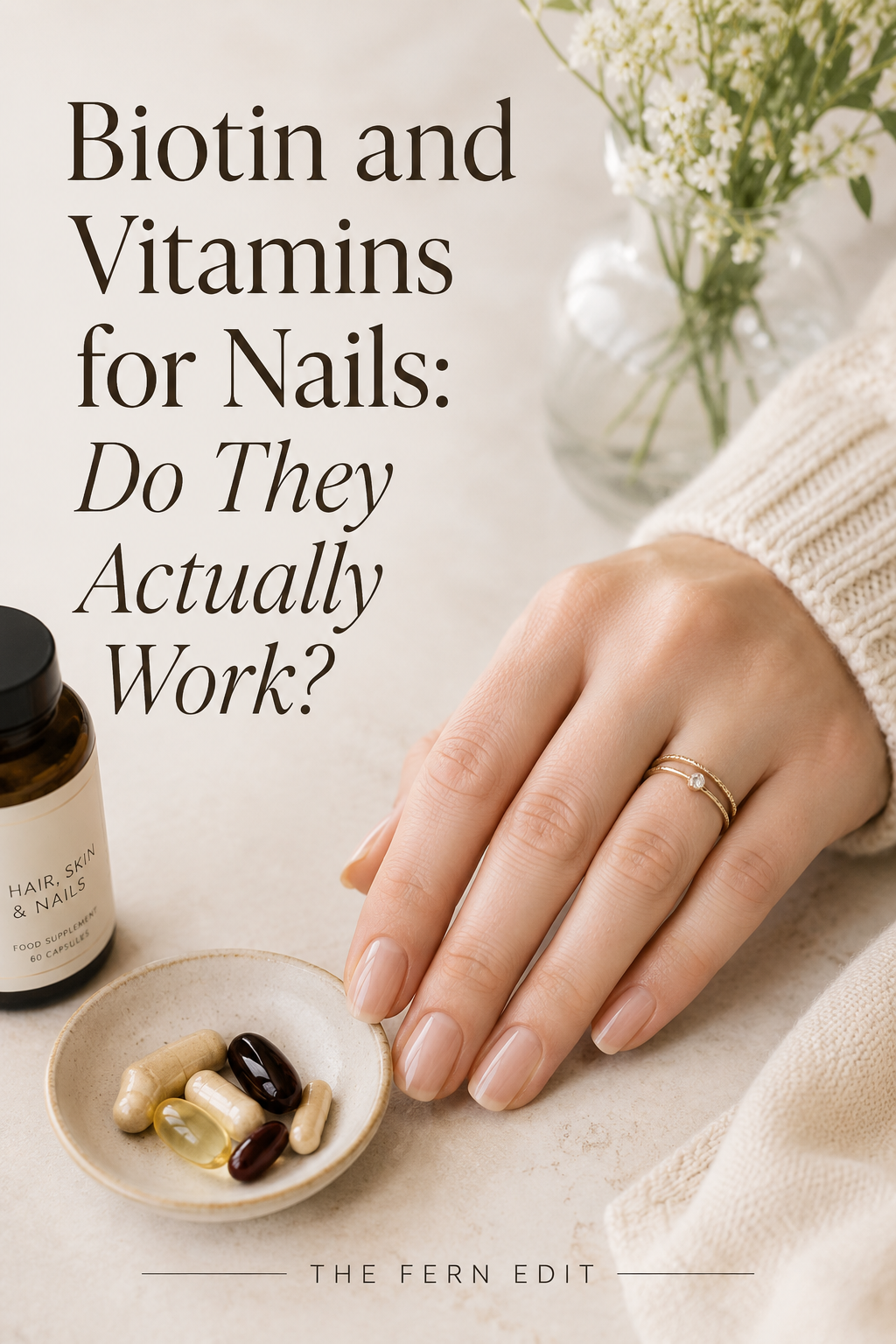
Biotin is a B vitamin that helps your body process protein—the building block of nails and hair. True biotin deficiency is uncommon in healthy adults because the vitamin is found in so many everyday foods. Most adults need only a small daily amount, easily met through diet. Because biotin is water-soluble, the body excretes what it does not use, but that does not mean “more is always better” (see the safety note below).
The Best Vitamins and Nutrients for Nails
Biotin gets the spotlight, but several nutrients support nail health together:
- Protein — nails are made of keratin, a protein, so adequate protein is foundational.
- Biotin (B7) — supports keratin production; most helpful when low.
- Iron — low iron is a common cause of brittle or spoon-shaped nails.
- Zinc — supports nail growth; a shortfall can cause white spots or slow growth.
- Vitamin C — helps your body make collagen, which supports the nail bed.
- Omega-3s — support moisture and may help with dryness.
- Vitamin D and B12 — shortfalls can occasionally affect nails.
Nail-Friendly Foods (Food First)
The simplest, safest way to feed your nails is through your plate. Nail-supporting foods you will find at any U.S. grocery store include:
- Eggs — protein plus biotin.
- Salmon and fatty fish — protein and omega-3s.
- Nuts and seeds — biotin, zinc, and healthy fats.
- Lean meats and beans — protein and iron.
- Leafy greens — iron and vitamin C.
- Greek yogurt — protein and B vitamins.
- Citrus and berries — vitamin C for collagen.
A varied diet like this covers most people’s nail needs without a single pill.
Should You Take a Nail Supplement?
A supplement makes the most sense if you suspect a genuine shortfall—for example, if you eat a very limited diet, have a known deficiency, or have persistently brittle nails despite good external care. Even then, the smart move is to talk to a healthcare provider and, ideally, get tested before supplementing rather than guessing.
Important safety note: high-dose biotin supplements can interfere with certain blood tests—including thyroid and heart (troponin) tests—and cause inaccurate results. Always tell your doctor if you take biotin, and pause it before lab work if they advise.
Do Nail Gummies and “Growth” Pills Work?
Most “hair, skin, and nails” gummies are essentially a multivitamin with extra biotin. If you already eat well, they are unlikely to do much beyond what your diet provides—and gummies often contain added sugar. They are not harmful for most people, but treat the bold “grow nails fast” promises with healthy skepticism. No pill overrides your nails’ natural growth rate; for what actually moves the needle, see how to grow your nails faster.
Why Diet Alone Isn’t Enough
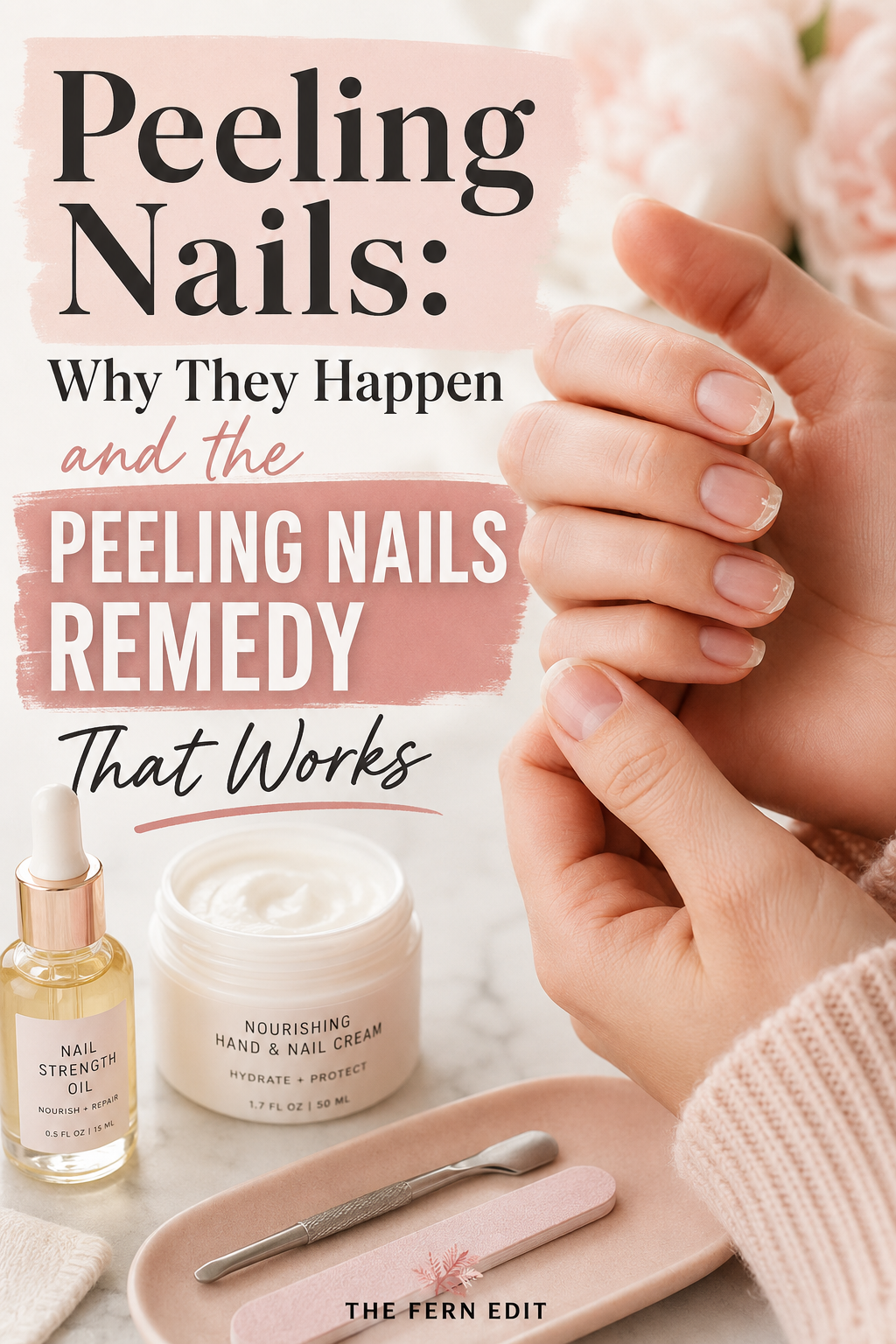
Even perfect nutrition won’t help if your nails are drying out and breaking on the outside. Nail health is always two-sided: nourish from within and protect from without. Pair good eating with daily cuticle oil, gloves, gentle filing, and a base coat—all laid out in our pillar guide, how to grow strong, healthy nails, and our cuticle care guide.
Common Myths About Nail Vitamins
- “Biotin works for everyone.” It mainly helps people who are low in it.
- “More biotin = faster growth.” Megadosing doesn’t speed biology and can skew lab tests.
- “Gummies grow your nails overnight.” No supplement beats your natural growth rate.
- “Supplements replace a good routine.” External care matters just as much.
When to See a Doctor
If your nails are persistently brittle, peeling, spoon-shaped, discolored, or growing very slowly despite good care, see a doctor rather than self-prescribing supplements. These can occasionally signal a deficiency (like low iron) or a health condition that needs proper diagnosis. A simple blood test can reveal whether a supplement would even help—far smarter than guessing.
Free Printable: Nail-Friendly Foods Checklist
Feed your nails the easy way. Grab our free printable nail-friendly grocery checklist so you can stock up on the foods that support strong, healthy nails.
Related Reads in This Series

- How to Grow Strong, Healthy Nails (Full Routine)
- Brittle Nails: Causes and How to Fix Them
- How to Grow Your Nails Faster
- Peeling Nails: Why They Happen and How to Fix Them
- Ridges in Fingernails: What They Mean
Does biotin really help nails grow?
Biotin may strengthen brittle nails, mainly in people who are low in it, and it supports strength more than dramatic speed. Most healthy people who eat a balanced diet won’t see big changes from a supplement.
What is the best vitamin for nail growth?
There is no single magic vitamin—protein, biotin, iron, zinc, and vitamin C all support nails together. A balanced diet usually provides them. Address a specific deficiency only with a doctor’s guidance.
How long does biotin take to work on nails?
If biotin helps you, it typically takes a few months to see a difference, since nails grow slowly. Remember it mostly benefits those who were deficient to begin with.
Are nail vitamins safe?
For most people they are low-risk, but more is not better. High-dose biotin can interfere with certain blood tests, so always tell your doctor what you take and check before supplementing.
Can I get enough nail nutrients from food?
Usually, yes. Eggs, fish, nuts, lean meats, beans, leafy greens, and citrus cover most nail-supporting nutrients without any supplement.
The Takeaway
Biotin and nail vitamins can help—but mostly when you are genuinely short on a nutrient, and never as a substitute for good habits. Eat a varied, protein-rich diet, protect and hydrate your nails on the outside, and reach for supplements only with a healthcare provider’s guidance. Real, lasting nail strength is built from both the inside and the outside, patiently and consistently.
This article is for general beauty and self-care education only and is not medical advice. Talk to a doctor or registered dietitian before starting any supplement, especially if you have a health condition or take medication.
Nail inspiration to save 💅
Tap any look to open it — then save your favorites.

 📌 Save
Love this guide? Save it 📌
Pin it to your favorite board so it's easy to find again — and share it with a friend who'd love it too.
Save to PinterestFrequently asked questions
Does biotin really help nails grow?
Biotin may strengthen brittle nails, mainly in people who are low in it, and it supports strength more than dramatic speed. Most healthy people who eat a balanced diet won't see big changes from a supplement.
What is the best vitamin for nail growth?
There is no single magic vitamin — protein, biotin, iron, zinc, and vitamin C all support nails together. A balanced diet usually provides them. Address a specific deficiency only with a doctor's guidance.
How long does biotin take to work on nails?
If biotin helps you, it typically takes a few months to see a difference, since nails grow slowly. Remember it mostly benefits those who were deficient to begin with.
Are nail vitamins safe?
For most people they are low-risk, but more is not better. High-dose biotin can interfere with certain blood tests, so always tell your doctor what you take and check before supplementing.
Can I get enough nail nutrients from food?
Usually, yes. Eggs, fish, nuts, lean meats, beans, leafy greens, and citrus cover most nail-supporting nutrients without any supplement.

We cite sources and update this guide regularly.