Of the three, gel polish is generally the gentlest on natural nails, dip powder sits in the middle, and acrylic has the highest potential for damage because of the heavier filing and stronger chemicals involved. That said, the single biggest factor is not the product, it is how carefully it is applied and removed. Soaking off gently instead of picking, and taking breaks between sets, protects your nails far more than the type you choose.
Standing at the salon menu, or scrolling supplies online, the gel-dip-acrylic question comes up every single time. They all promise a longer-lasting manicure, they all look gorgeous, and they are absolutely not the same when it comes to your natural nails underneath.
Standing at the salon menu, or scrolling supplies online, the gel-dip-acrylic question comes up every single time. They all promise a longer-lasting manicure, they all look gorgeous, and they are absolutely not the same when it comes to your natural nails underneath.
So let's compare them honestly, no brand loyalty, just what each one is, how long it lasts, and which is kindest to your nails. The short version is coming up, but the nuance is where the real answer lives.
Key takeaways
- Gel polish is usually the least damaging: thin application, minimal filing, and an easier soak-off.
- Dip powder is durable and skips the UV lamp, but its rigid structure can stress fragile nails, and shared dipping jars are a hygiene concern.
- Acrylic is the strongest and best for length, but it involves the most filing and the most removal stress.
- Removal technique matters more than the product. Picking off any of them is what truly damages nails.
- Builder gel is a flexible middle option that can be supportive for thin nails.
The quick comparison table
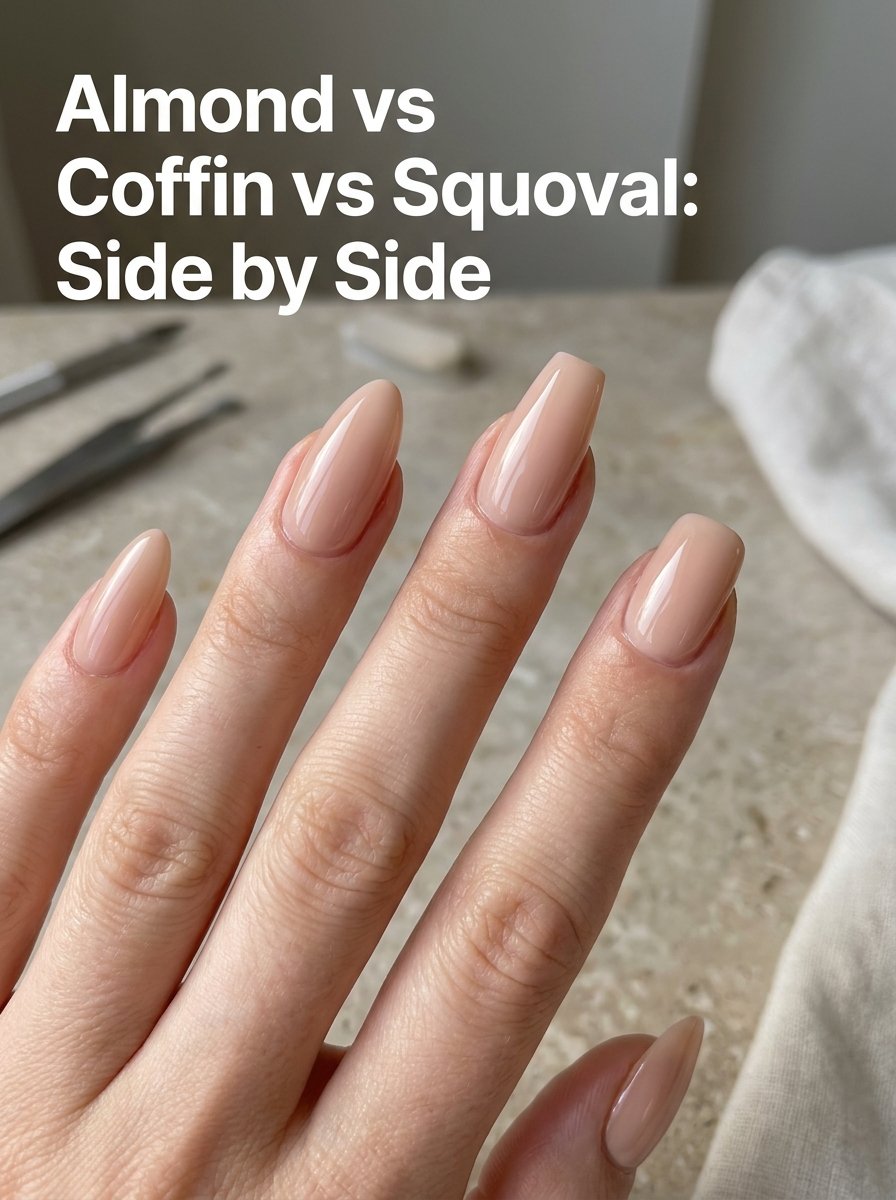
| Gel polish | Dip powder | Acrylic | |
|---|---|---|---|
| What it is | Polish cured under a UV/LED lamp | Resin plus colored powder, air-dried | Liquid monomer plus powder, air-dried |
| UV lamp? | Yes | No | No |
| Adds length? | No (color only) | A little | Yes (best for length) |
| Typical wear | 2 to 3 weeks | 2 to 3 weeks | 2 to 3 weeks, with fills |
| Removal | Soak off in acetone | Soak off in acetone | Soak and file off |
| Relative gentleness | Gentlest | Middle | Most potential for damage |
Gel nails explained
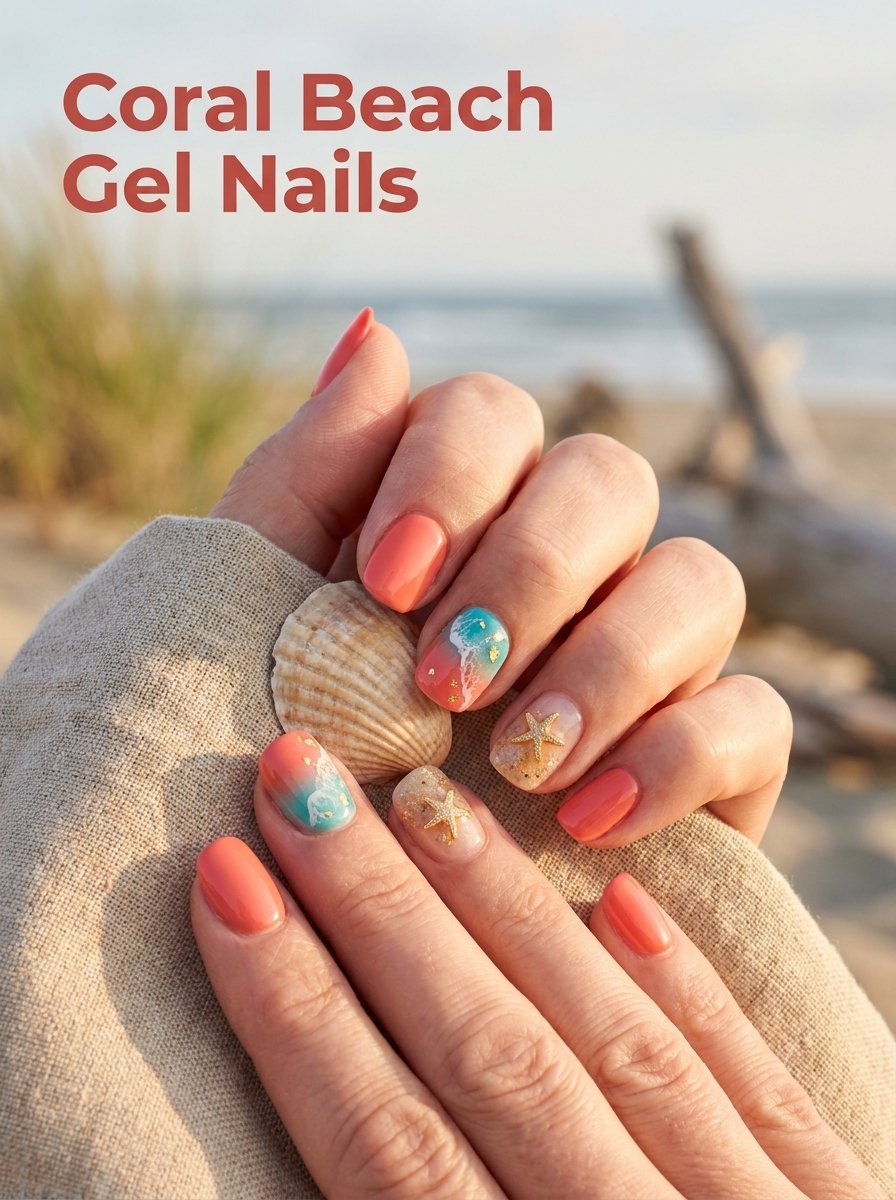
Gel polish goes on much like regular polish, then cures hard under a UV or LED lamp, usually about a minute per coat. It gives a glossy, chip-resistant finish that lasts two to three weeks. Standard "soft" gel is color and protection for your natural nail rather than added length, and it soaks off in acetone fairly easily.
The main things to watch are the UV lamp and the removal. Repeated lamp exposure can dry the nail, and the American Academy of Dermatology suggests protecting the skin on your hands from the light, with fingerless gloves or sunscreen, since UV exposure may slightly raise skin cancer risk over time. As with all of these, picking gel off is what causes real damage. There is also builder gel, a thicker, flexible option that lasts longer and can actually support thin nails by flexing with them instead of snapping.
Dip powder explained
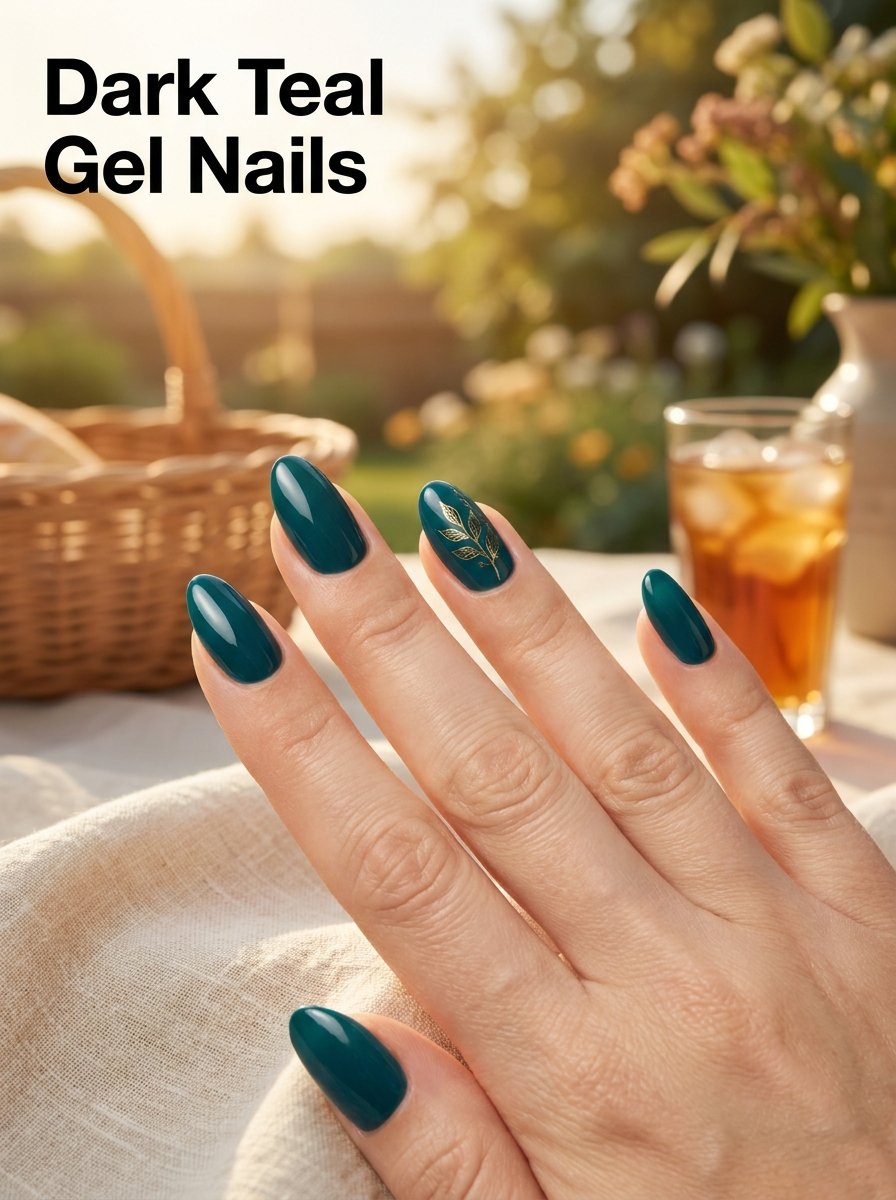
Dip powder uses a bonding liquid, usually a cyanoacrylate resin in the same family as nail glue, layered with finely milled colored powder that hardens in the air. No UV lamp is needed, and the result is thicker and more durable than gel polish but thinner than acrylic, lasting two to three weeks.
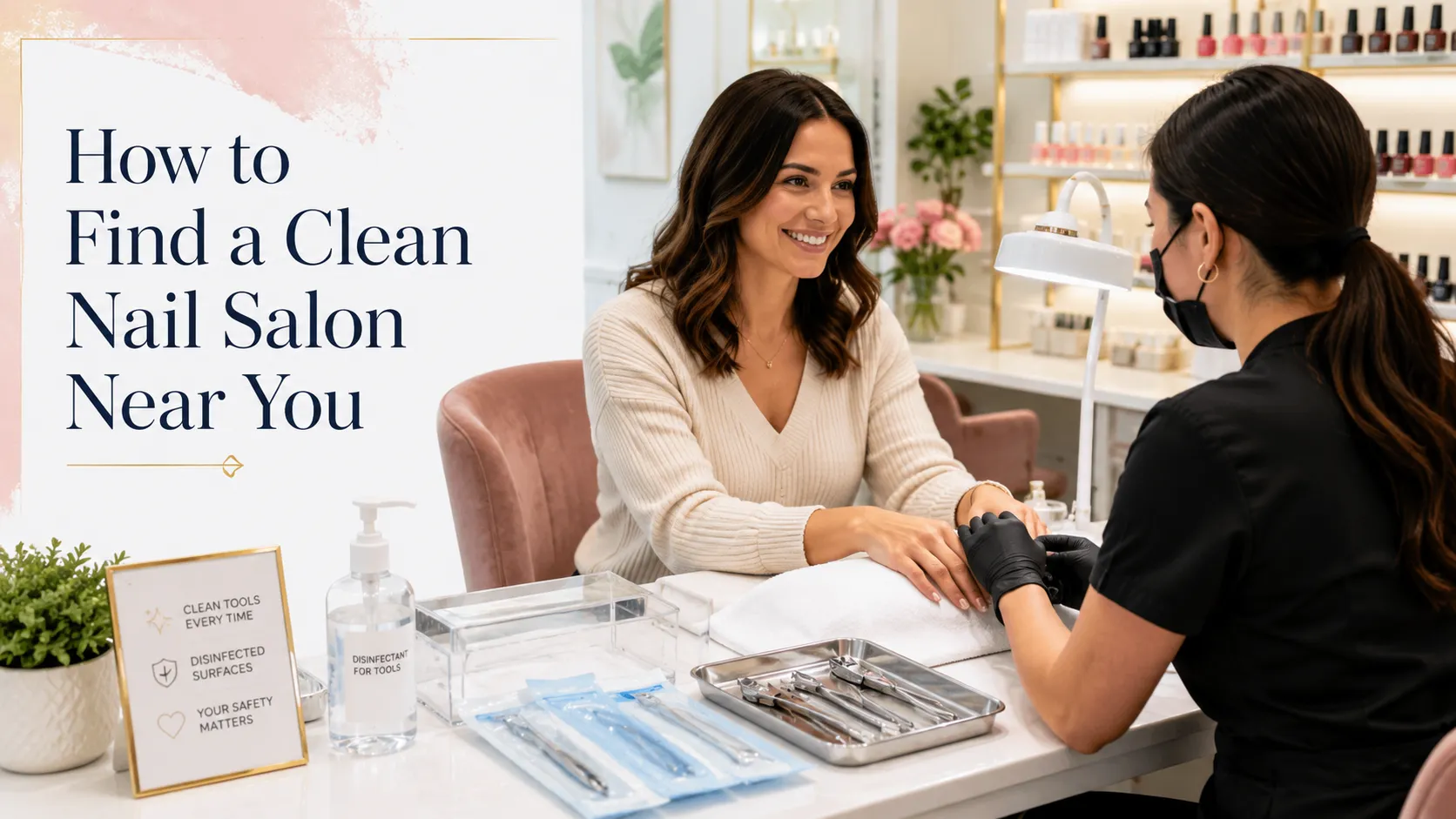
Dip is often considered gentler than acrylic and less likely to thin the nail, and many people like that it skips the lamp. Two caveats are worth knowing. Its rigid structure can put stress on already fragile nails and sometimes lead to cracks. And the classic salon method of dipping every client's fingers into a shared jar is a real hygiene concern, so dermatologists advise against "double dipping." Ask your technician to pour or sprinkle the powder onto your nails individually instead.
Acrylic nails explained
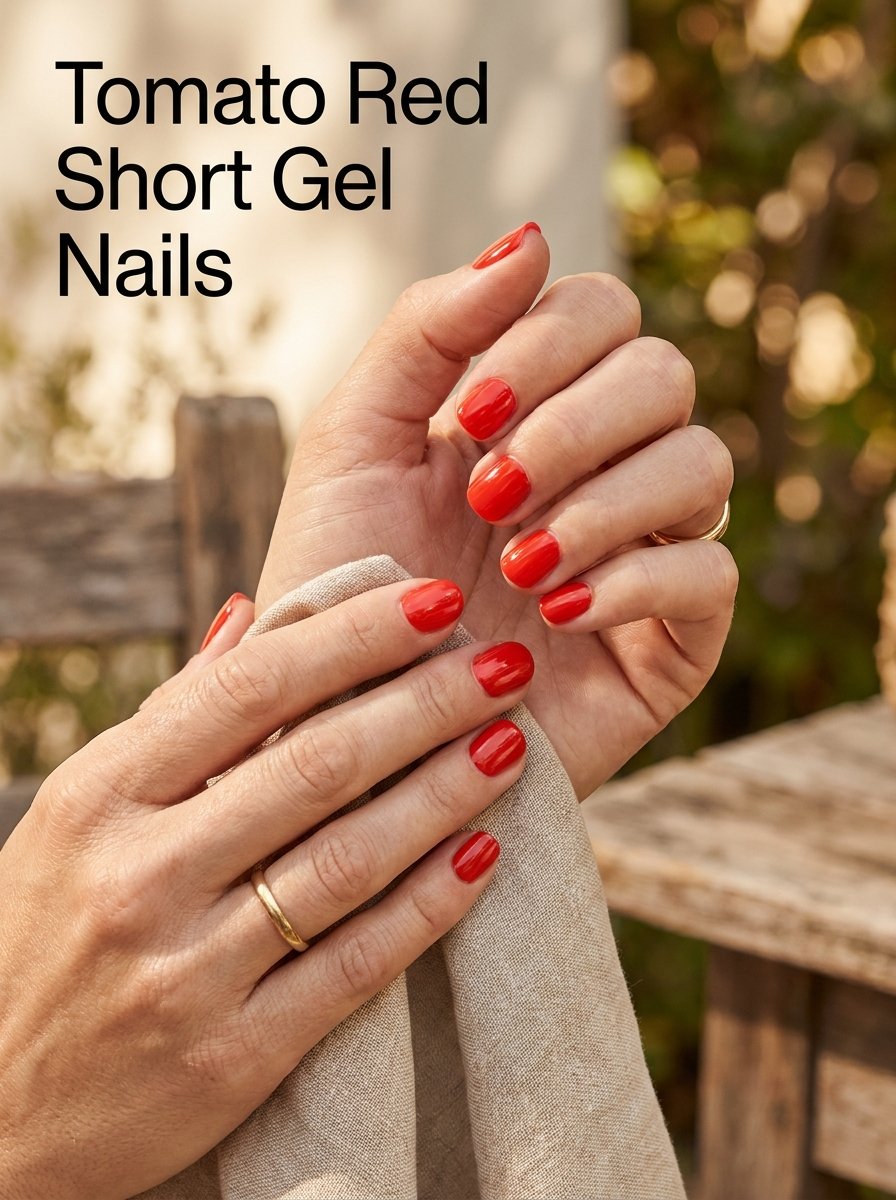
Acrylic is made by combining a liquid monomer with a powder polymer that hardens into a tough, sculptable layer. It is the strongest of the three and the best choice if you want real length or custom shaping, lasting two to three weeks between fills.
The trade-off is that acrylic has the highest potential for nail damage. The natural nail is usually filed quite a bit so the product adheres, the set adds weight that stresses the nail, and removal means soaking in acetone and buffing away the product. One ingredient to avoid is MMA (methyl methacrylate), which is banned for nail use in many states and can irritate the airways. Reputable salons use a safer alternative, so it is fair to ask what they use.
Which is gentlest on natural nails?
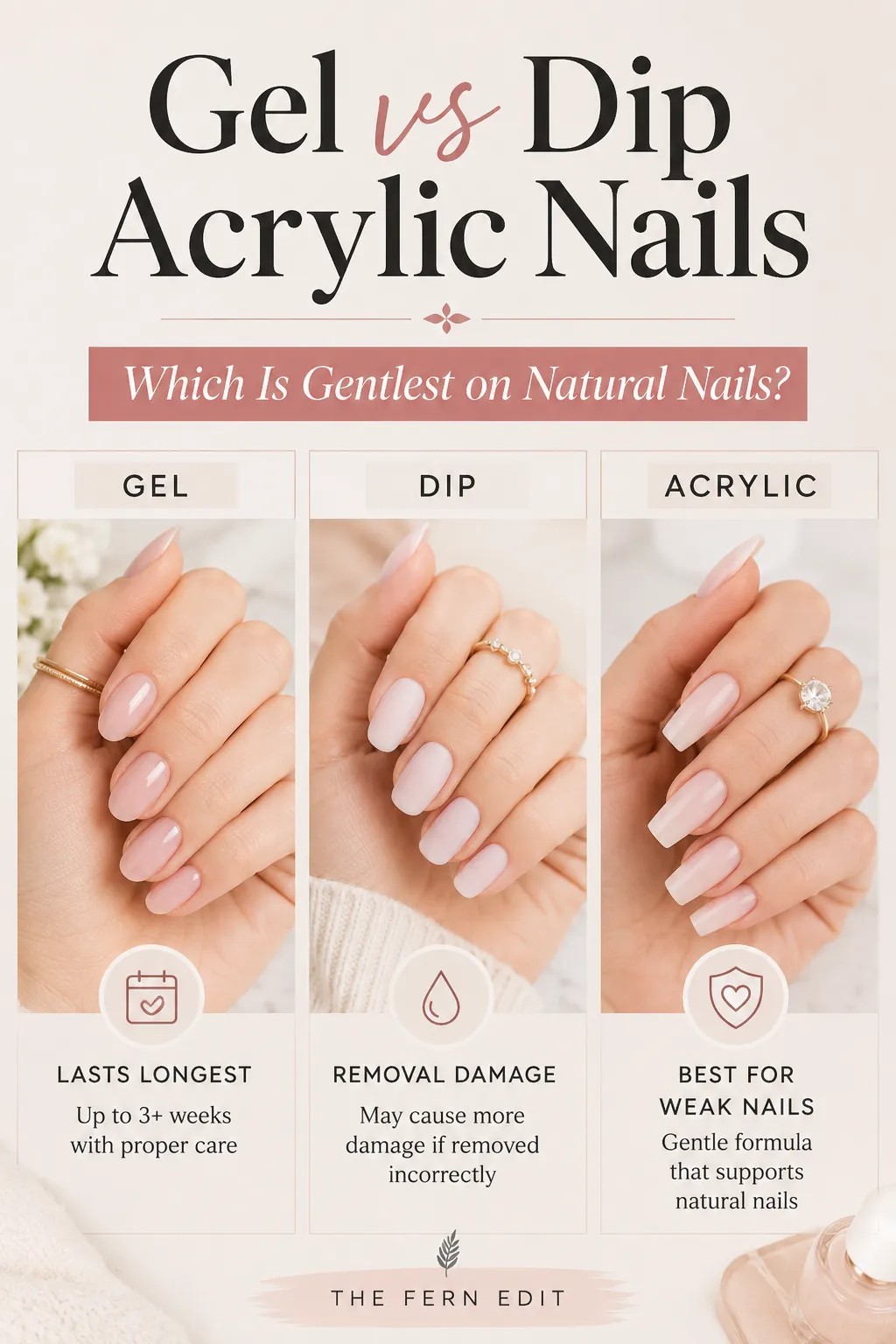
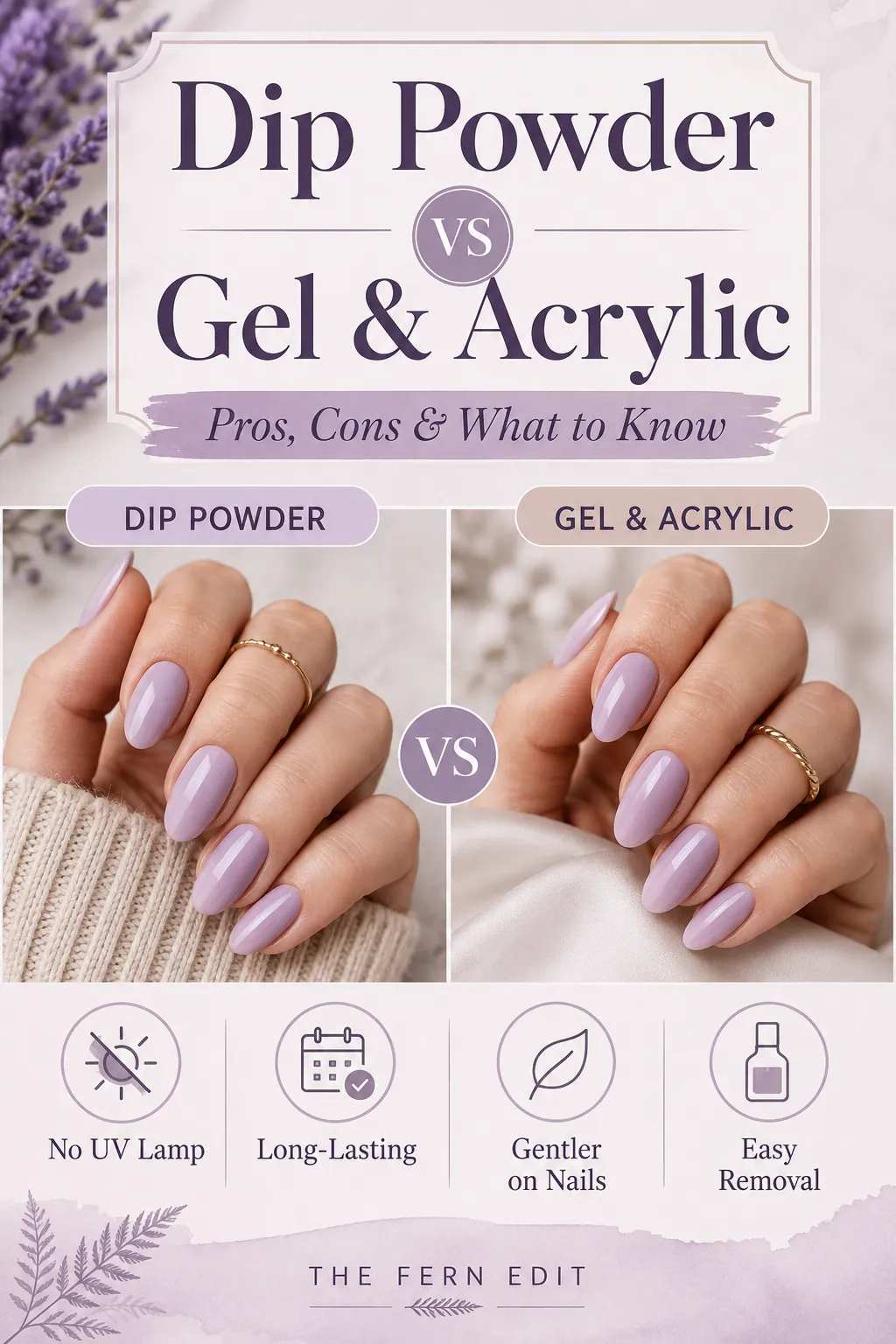
Ranked from least to most potential for damage, with proper application and removal, the order is gel polish, then dip powder, then acrylic. Gel polish wins on gentleness because it is thin, needs minimal filing, and soaks off most easily. Dip lands in the middle. Acrylic is the most demanding on the nail because of the filing and removal.
But here is the part most comparisons bury: the technique matters more than the category. A carefully applied and gently soaked-off acrylic can leave nails healthier than a gel set that someone picked off in frustration. The damage usually comes from aggressive filing, the UV lamp, and above all from peeling enhancements off. If you want the gentlest experience overall, choose a careful technician or learn careful at-home removal, and give your nails regular breaks.
How to wear any of them with less damage
You do not have to give up enhancements to protect your nails. A few habits do most of the work.
How to protect your natural nails
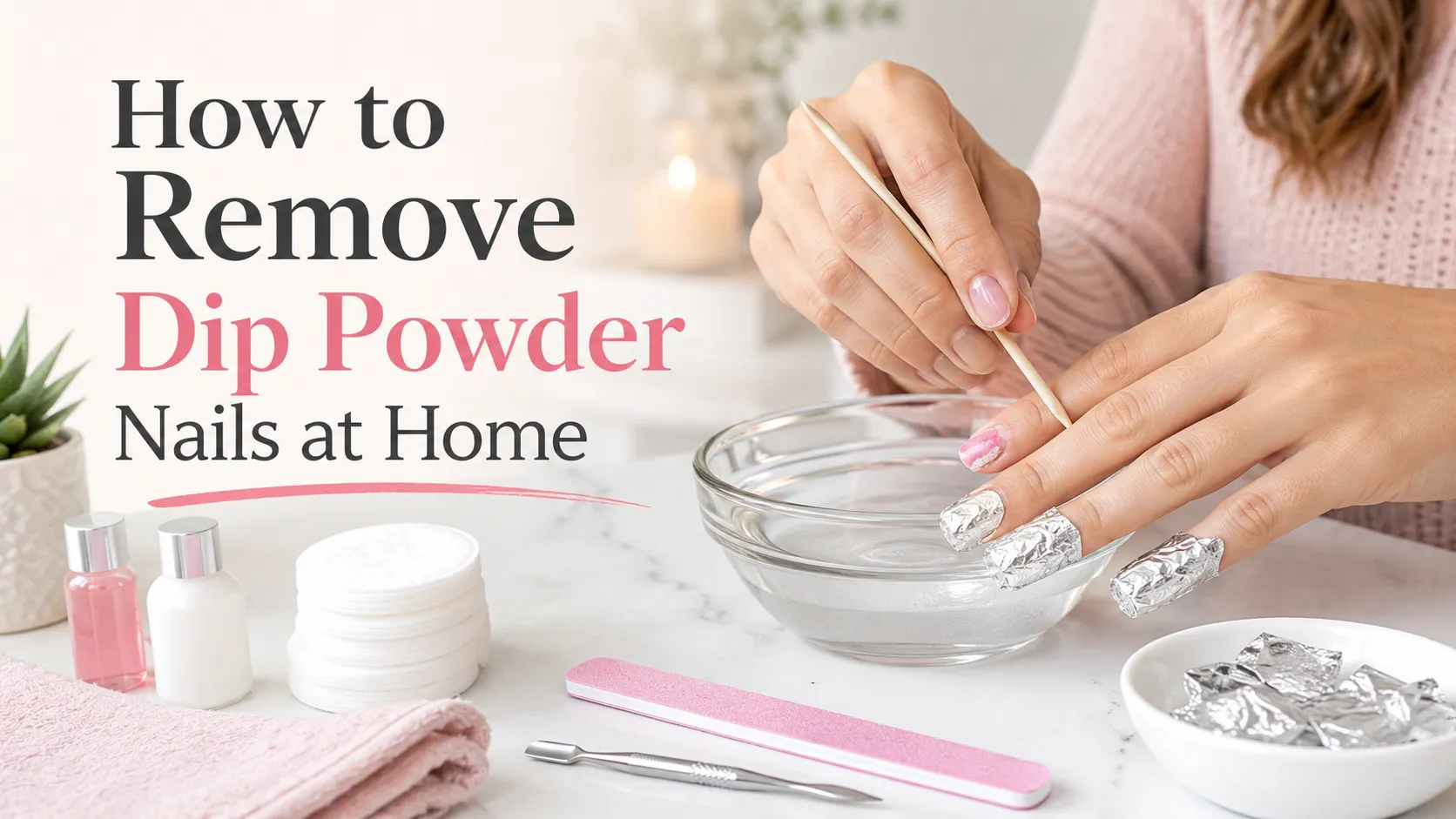
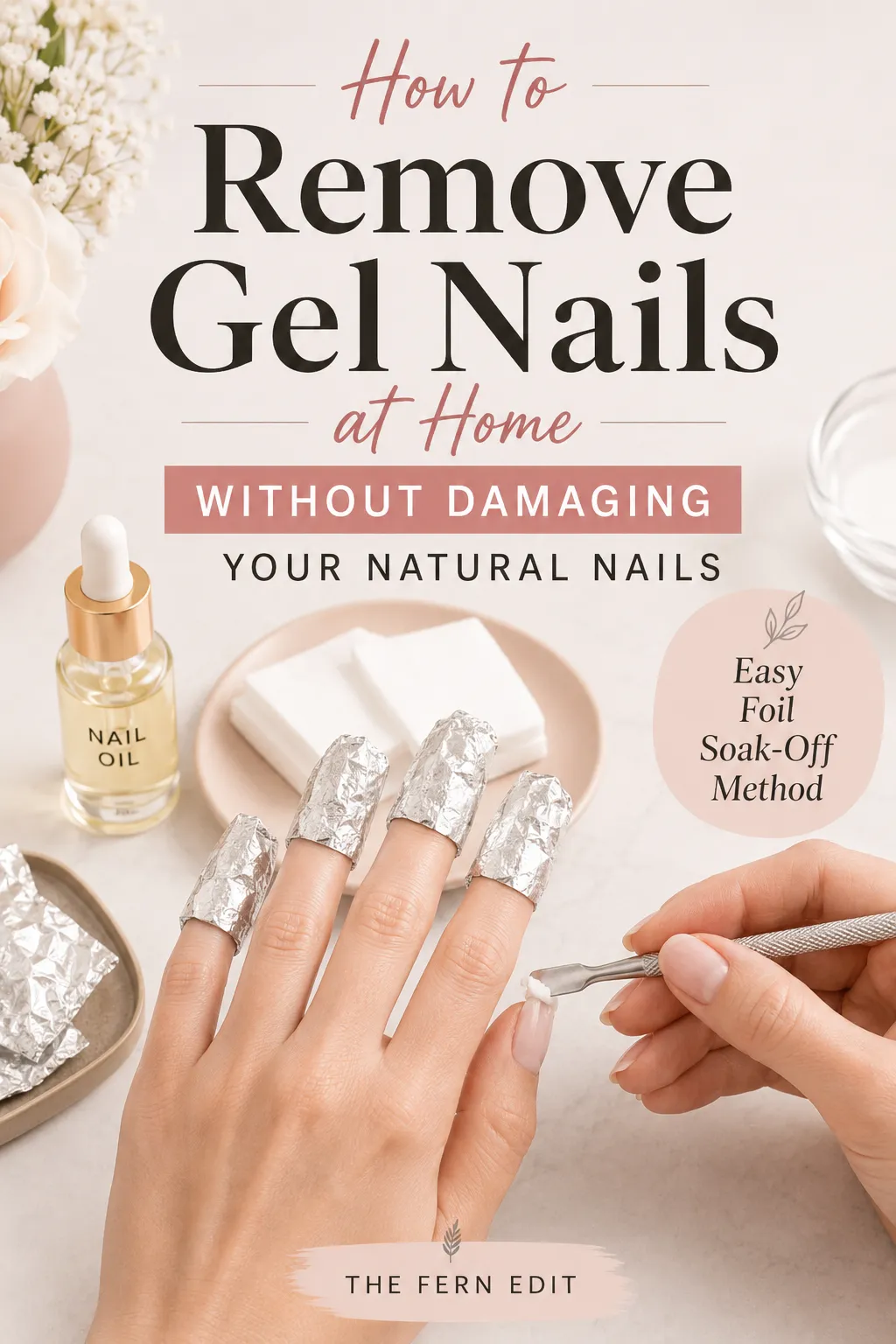
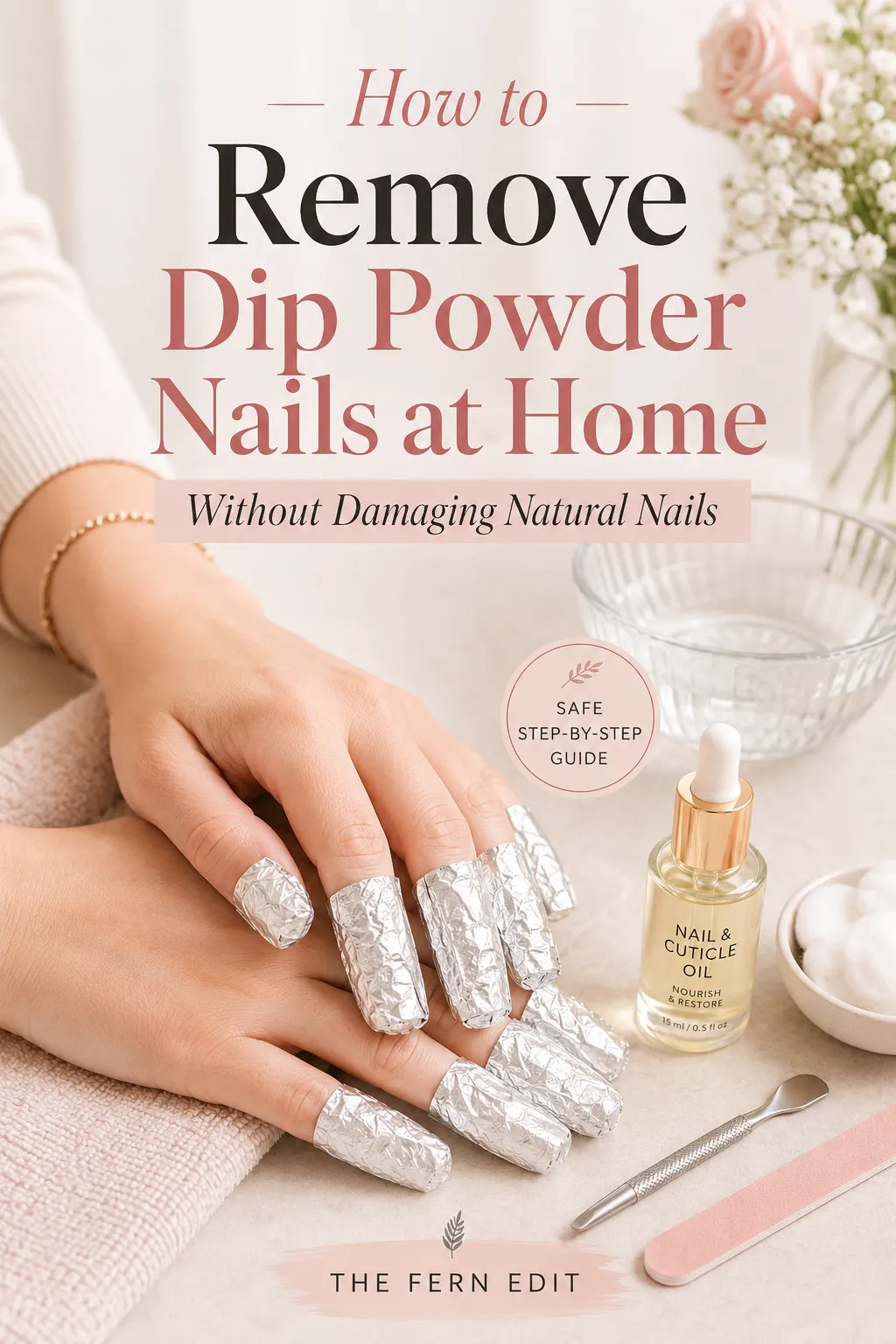
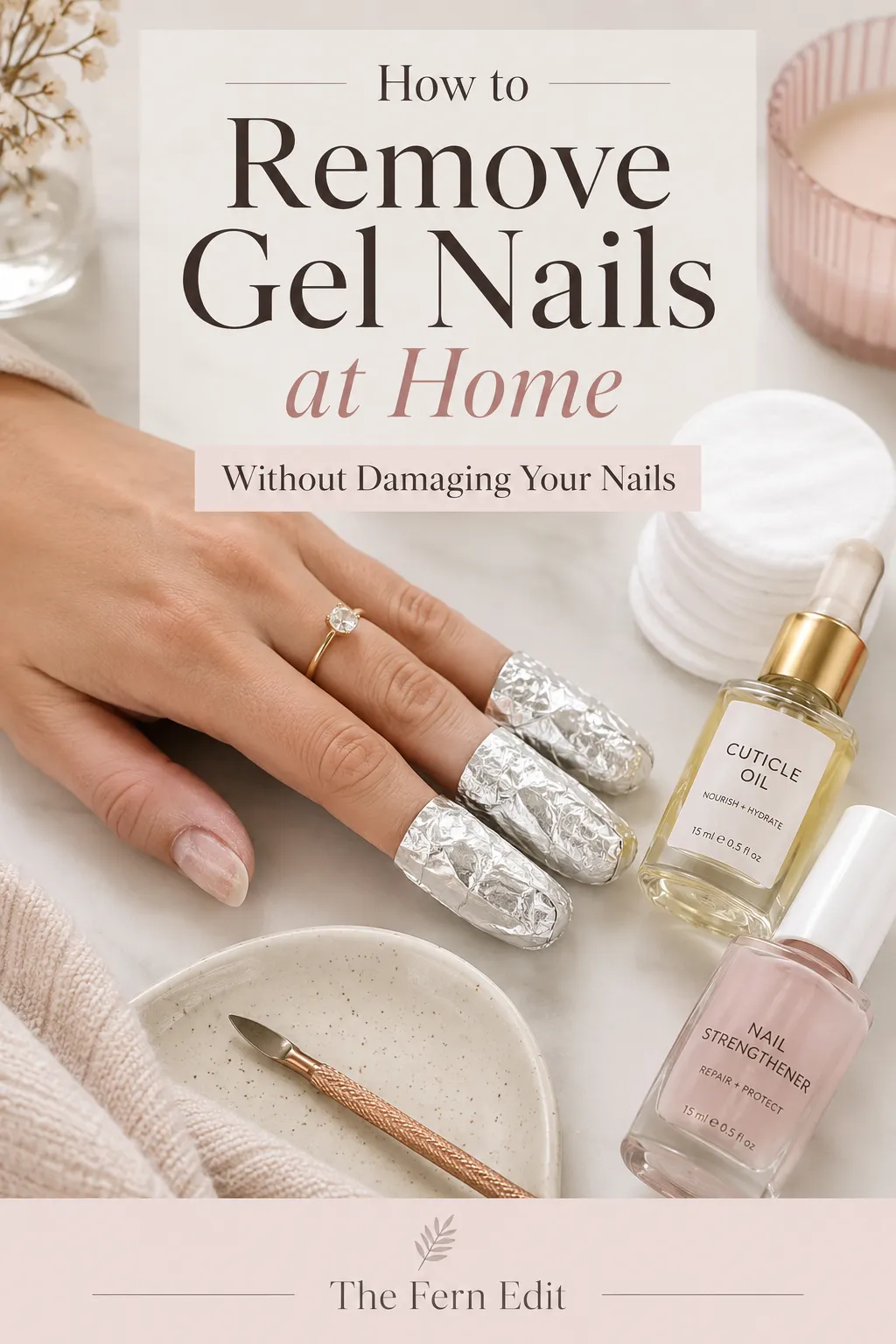
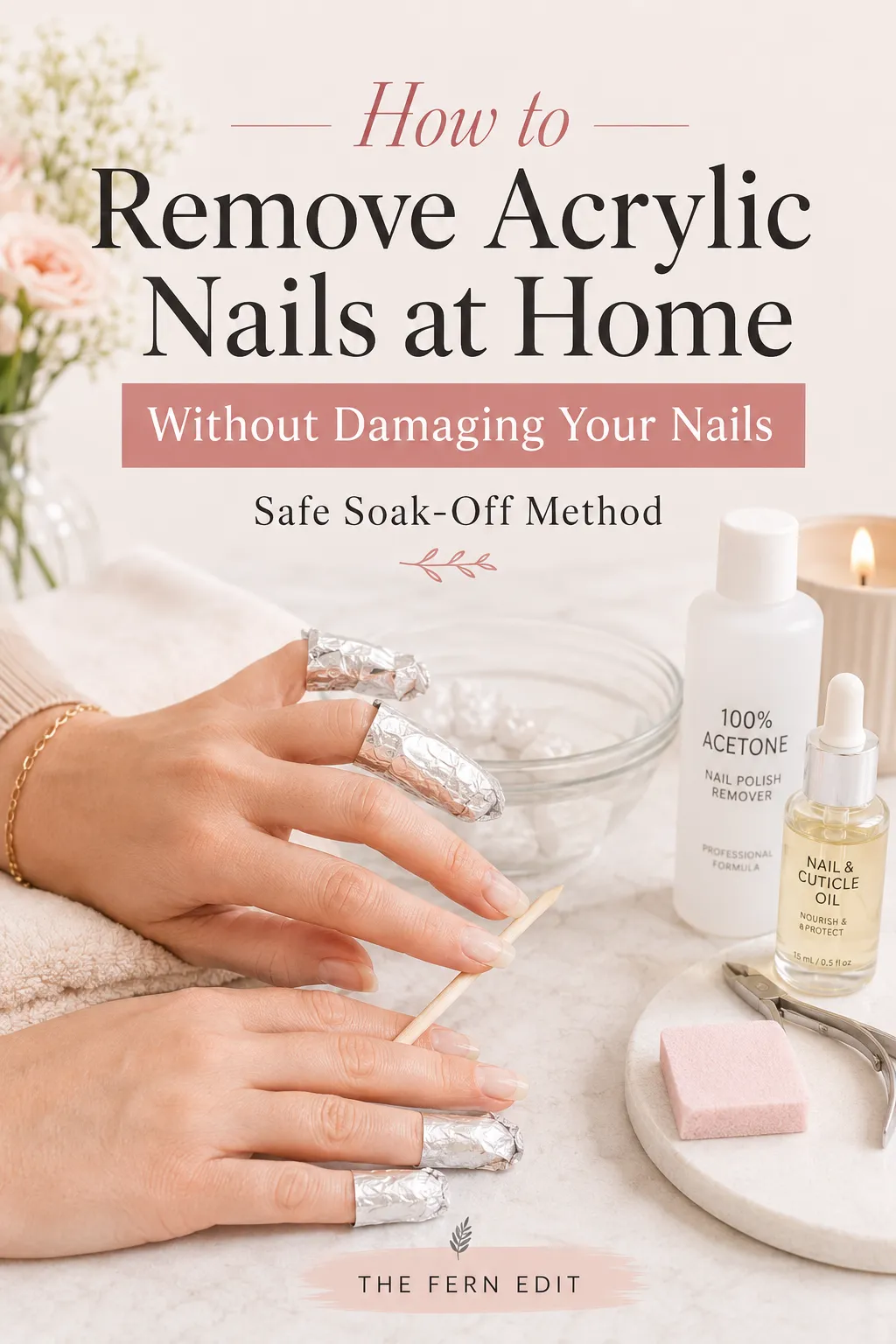
- Never pick or peel. Always soak off properly. Our guides cover gel, dip, and acrylic removal.
- Take breaks. Build in stretches of bare, well-oiled nails between sets so the natural nail can recover.
- Hydrate daily. Cuticle oil and hand cream keep nails flexible and less prone to cracking.
- Protect from the lamp. For gel, use fingerless gloves or sunscreen on your hands before curing.
- Mind hygiene. Ask for individually poured dip powder, and choose clean, reputable salons.
- Skip it when nails are damaged. If your nails are thin or peeling, let them recover first. Our guides on why nails keep breaking and fixing peeling nails help.
Which should you choose?
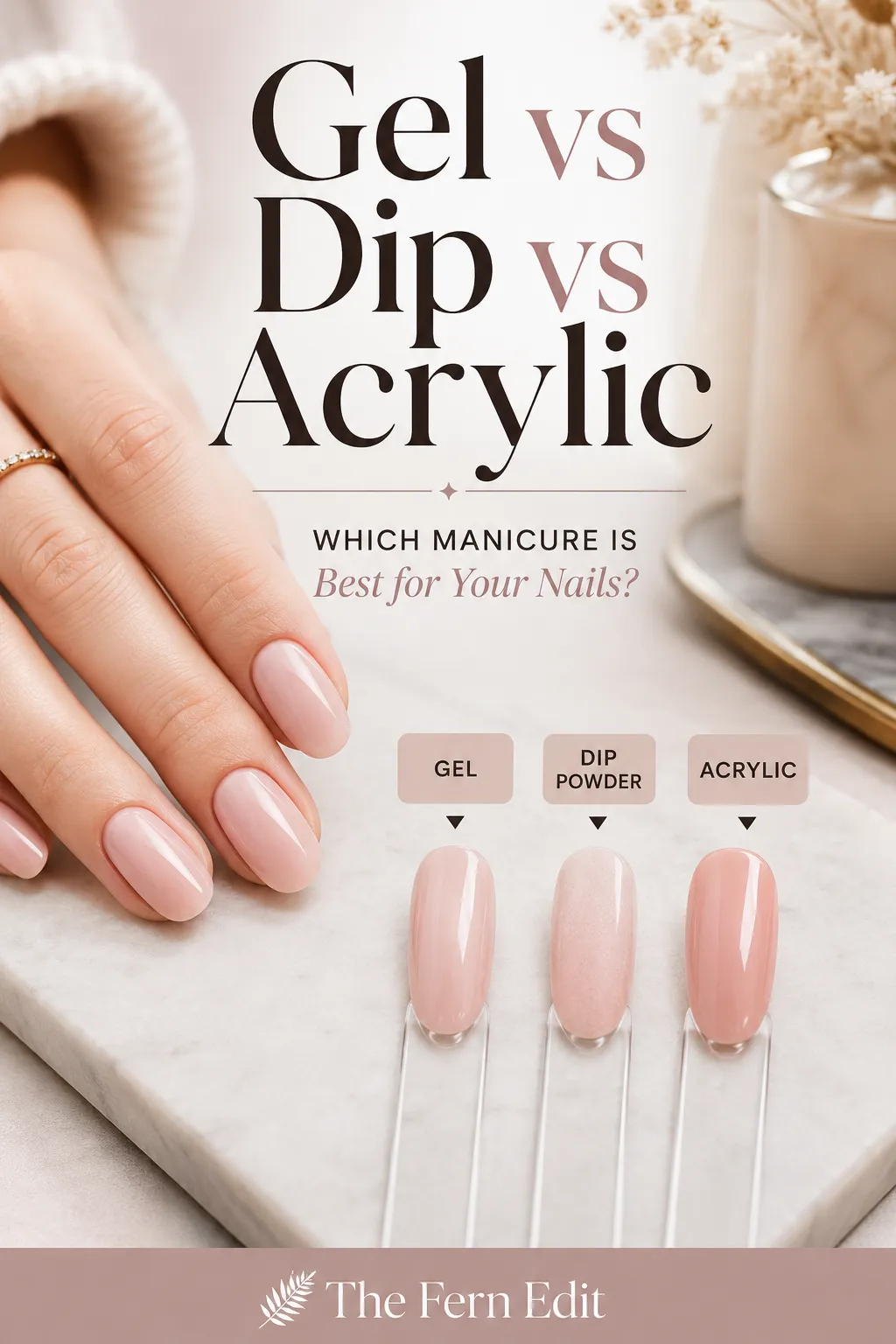
It comes down to what you want most.
- Want color and shine on your natural nails, with the least damage? Gel polish.
- Want longer wear than gel, no UV lamp, and a natural feel? Dip powder.
- Want serious length or custom shaping? Acrylic.
- Have thin or weak nails but still want support? A flexible builder gel is often the kindest pick.
There is no single "best." The gentlest option is the one applied and removed with care, worn with breaks in between, and paired with daily nail hydration.
Final takeaway
Gel, dip, and acrylic each have a real place, and the right one depends on whether you want shine, durability, or length. For pure gentleness on your natural nails, gel polish usually leads, with dip in the middle and acrylic best saved for when you truly want length. But the honest headline is this: how your nails are treated matters more than what goes on them. Soak off gently, take breaks, and keep them oiled, and you can enjoy any of these looks while keeping your natural nails healthy underneath.
This article is for general beauty and self-care education only and is not medical advice. If you notice nail pain, separation, allergy symptoms, or signs of infection, see a board-certified dermatologist.
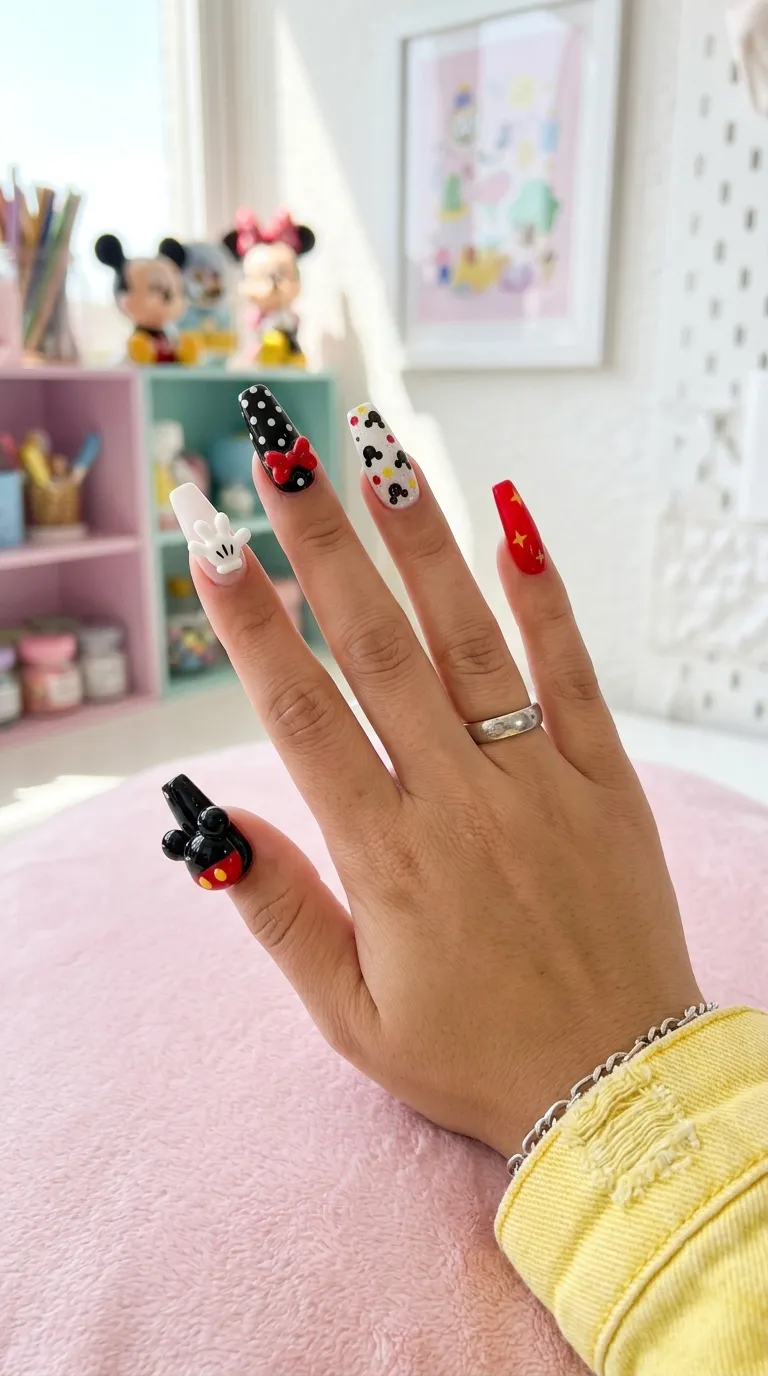
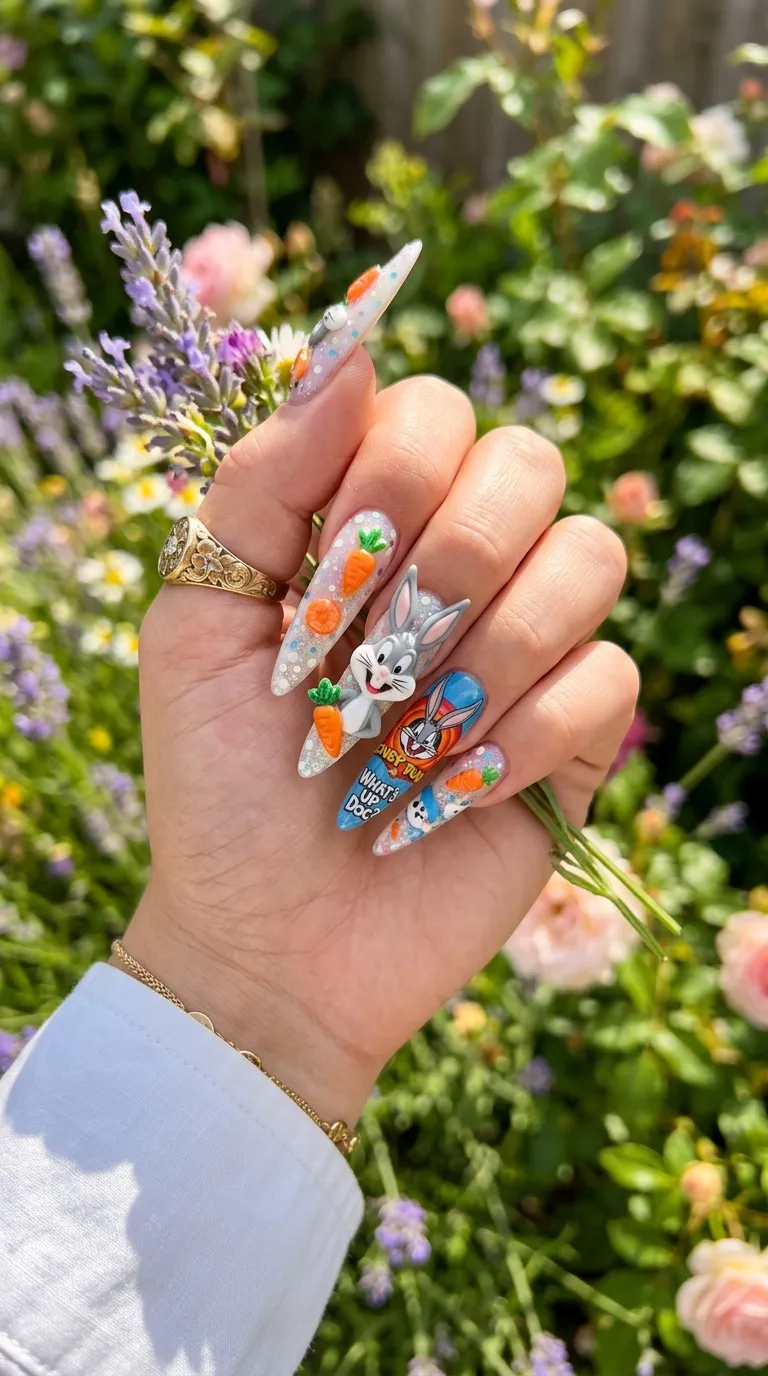
Nail inspiration to save 💅
Tap any look to open it — then save your favorites.

 📌 Save
Love this guide? Save it 📌
Pin it to your favorite board so it's easy to find again — and share it with a friend who'd love it too.
Save to PinterestFrequently asked questions
What is the difference between gel, dip, and acrylic nails?
Gel polish is painted on and cured under a UV lamp for color and shine. Dip powder layers a resin with colored powder that air-dries, no lamp needed. Acrylic mixes a liquid and powder into a hard, sculptable layer that adds length. They differ in strength, thickness, and how they are removed.
Which is least damaging to your natural nails?
Generally gel polish, because it is thin, needs little filing, and soaks off easily. Dip is in the middle, and acrylic has the most potential for damage. How carefully each is applied and removed matters even more than the type.
Is dip powder better than gel?
It depends on what you want. Dip lasts a bit longer, is more durable, and skips the UV lamp, but it is thicker and can stress fragile nails. Gel is thinner, glossier, and usually gentler. Neither is universally "better."
Does gel polish damage your nails?
The polish itself is fairly gentle. Most gel damage comes from aggressive filing before application, the UV lamp, and picking it off at removal. Soaking off gently and protecting your hands from the lamp reduces the risk.
Why do dermatologists warn about dip powder?
Mainly hygiene. The traditional method dips many clients' fingers into one shared powder jar, which can spread infection. Ask for the powder to be poured onto your nails individually instead.
Can I get any of these without damaging my nails?
Yes, with care. Choose a skilled technician or learn gentle at-home removal, never pick the product off, take breaks between sets, and keep your nails hydrated. Technique protects your nails more than the product choice does.
Which lasts the longest?
All three typically last two to three weeks. Dip and acrylic are a touch more durable, and builder gel can rival them, while standard gel polish is thinner and may show wear slightly sooner.
What should I avoid in acrylics?
MMA (methyl methacrylate), which is banned for nail use in many states and can irritate the airways. Reputable salons use a safer alternative, so it is reasonable to ask.

We cite sources and update this guide regularly.